How Much Cash Can I Bring Into Georgia?
That knot in your stomach as you prepare for a big move, wondering how much actual cash you can physically carry into a new country, is a feeling I know all too well. It’s not just about the numbers; it’s about the safety, the legality, and frankly, the sheer stress of managing your finances when everything else is new. This guide is here to untangle the specifics of bringing cash into Georgia, helping you understand the rules and giving you peace of mind.
The Official Line: How Much Cash Can You Legally Bring into Georgia?
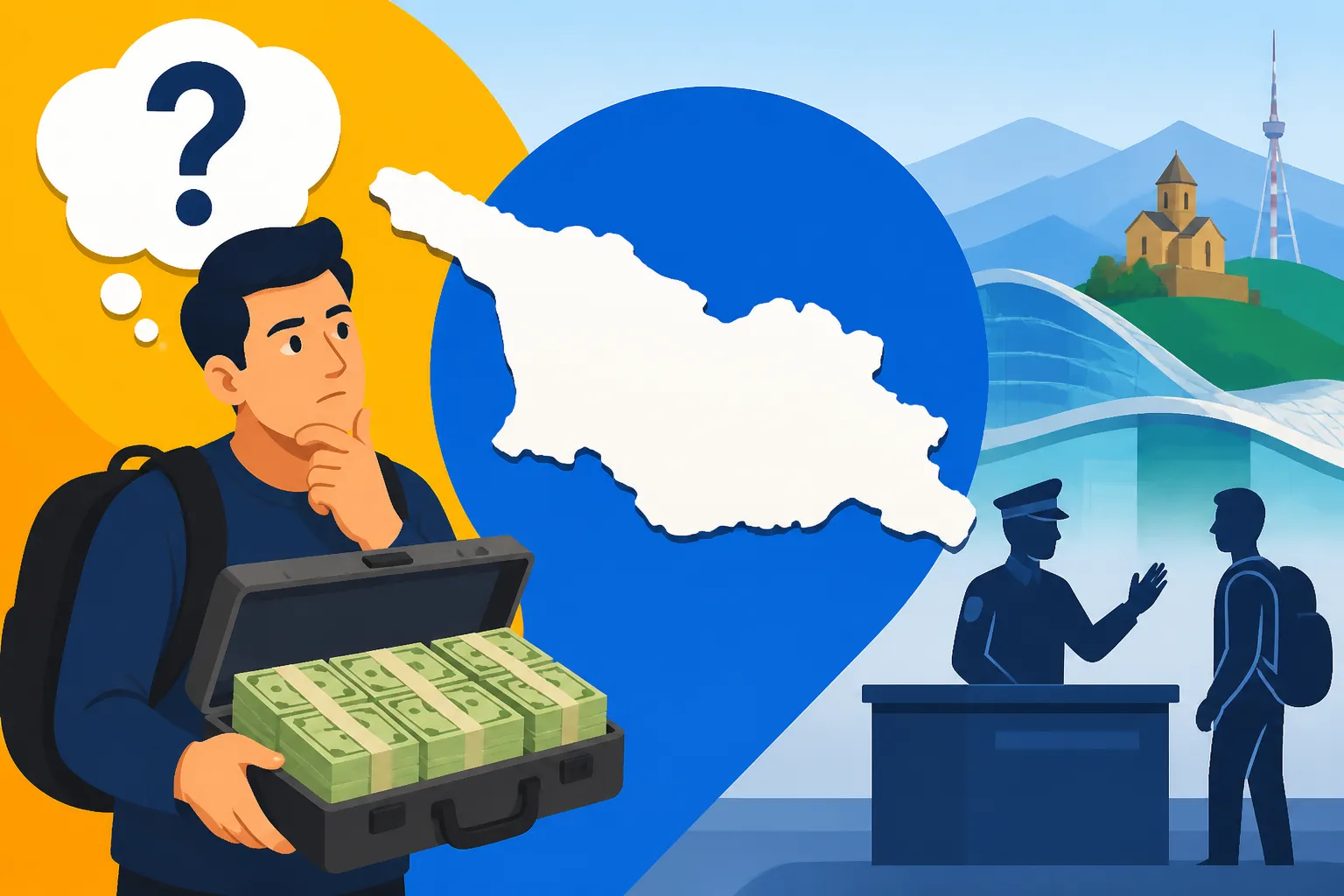
Let's cut right to the chase with the most common question: is there a hard limit on how much physical cash you can bring into Georgia? The simple answer is no, there isn't a strict upper limit on the amount of cash you can bring into the country. However, there are crucial declaration requirements you absolutely must adhere to if you're carrying sums above a certain threshold. Ignoring these rules isn't just a minor oversight; it can lead to serious headaches, delays, and even legal issues, which is the last thing you need when you're just starting your new life as an expat.
The key figure you need to remember is 30,000 Georgian Lari (GEL), or its equivalent in any foreign currency. If you're carrying cash that totals this amount or more, you are legally obligated to declare it to Georgian customs officials upon your arrival. This isn't about paying a tax on your own money; it's a measure for financial transparency, primarily aimed at preventing money laundering and illegal financial activities. It’s part of a global standard, and Georgia, like many other nations, takes it seriously.
Now, let's talk about what "cash" actually means in this context. We're not just talking about stacks of crisp banknotes. This definition typically extends to include various monetary instruments that can be easily converted to cash or used as a substitute. This might encompass traveler's cheques, bearer bonds, and other negotiable instruments. Essentially, if it represents a significant monetary value and isn't tied to a specific bank account that can be traced electronically, customs will likely consider it as part of your declarable cash sum. Always err on the side of caution; if you're unsure, declare it. It's much better to declare something unnecessarily than to face penalties for non-compliance.
The Georgian Revenue Service, which manages customs and taxation, has clear procedures for this. These rules apply whether you're entering through Tbilisi International Airport, Kutaisi, Batumi, or any land border crossing. Each customs point will have facilities and personnel specifically for handling declarations. Understanding How the 365-Day Visa-Free Stay Works in Georgia (2027) is one thing, but knowing how to properly handle your finances from day one is another vital piece of the puzzle for a smooth transition.
Why Do These Rules Exist?
For many expats, especially those coming from countries with less stringent cash declaration policies, these rules can feel a bit intrusive. However, it's essential to understand the rationale behind them. Globally, governments implement these measures as part of their efforts to combat serious crimes like money laundering, terrorist financing, and the illegal trade of goods. By requiring declarations of large sums of cash, authorities can track the movement of funds and identify suspicious patterns that might indicate illicit activities.
From Georgia's perspective, maintaining a transparent financial system is crucial for its economic stability and international reputation. It helps attract legitimate foreign investment and fosters trust in its banking and financial sectors. So, while it might feel like an extra bureaucratic step for you, it serves a much larger purpose in the country's broader economic and security framework. It’s not a personal attack; it’s standard operating procedure.
Practicalities and Realities: Navigating Cash vs. Digital Funds
Now that we’ve covered the official rules, let’s talk about the lived reality. While you can bring a significant amount of cash, is it always the best idea? Expats often see the myriad ways things can go sideways, from misplacing funds to attracting unwanted attention. The convenience of having cash in hand immediately upon arrival is undeniable, especially for those first few days or weeks when you might not have a local bank account or reliable internet access. However, this convenience comes with considerable risks.
Carrying large sums of cash makes you a target for theft. Airports, train stations, and public transport hubs are notorious for petty crime, and while Georgia is generally safe, why put yourself in a vulnerable position? The stress of constantly monitoring your money, worrying if it's secure in your hotel room, or simply being anxious about losing it, can significantly detract from the excitement of your new adventure.
Many expats I know opt for a hybrid approach. They bring a moderate amount of cash – enough to cover immediate expenses like airport transfers, a few meals, and perhaps a night or two of accommodation – but rely on digital methods for larger sums. This usually means using a combination of international debit/credit cards for initial purchases and setting up a secure transfer for the bulk of their funds. Services like Wise (formerly TransferWise) have become incredibly popular among expats for this very reason, offering competitive exchange rates and lower fees compared to traditional bank wire transfers.
Think about it this way: what's the minimum amount of cash you need to feel comfortable for the first 72 hours? Once you've settled, your priorities will likely shift to setting up your new life. You'll want to explore The Expat Guide to Opening a Bank Account in Georgia as quickly as possible. Having a local bank account is not just about security; it's about seamlessly integrating into daily life, paying bills, and managing your finances efficiently in GEL.
| Method of Bringing Money | Pros | Cons | Recommended for |
|---|---|---|---|
| Physical Cash (above 30,000 GEL equivalent) | Immediate access, no fees for withdrawal | High risk of theft/loss, must declare, potential for customs delays | Small amounts for immediate expenses (e.g., first 2-3 days) |
| Physical Cash (below 30,000 GEL equivalent) | Immediate access, no declaration needed | Risk of theft/loss, less convenient for large sums | Initial petty cash, emergencies |
| Bank Wire Transfer | Secure for large amounts, trackable | Can be slow (days), high fees, fluctuating exchange rates | Moving bulk savings once local account is open |
| Specialized Transfer Services (e.g., Wise) | Faster, lower fees, better exchange rates, secure | Requires internet access, may need local account for payout | Main method for moving significant funds from abroad |
| International Debit/Credit Cards | Convenient, widely accepted in cities, secure | ATM withdrawal fees, daily limits, potential foreign transaction fees | Daily expenses, emergencies before local account |
| Pre-loaded Travel Cards | Budget control, often good exchange rates | May have loading/inactivity fees, less widely accepted than major cards | Specific travel budget, emergency backup |
As you can see from the table, a diversified approach is often the smartest. It’s about mitigating risk while ensuring you have access to funds when and where you need them. Remember, managing your finances responsibly is a cornerstone of a successful expat life, and this includes How to Transfer Money Into and Out of Georgia as an Expat.
Declaring Your Funds: The What, When, and How
Alright, so you’ve decided to bring a larger sum of cash into Georgia, one that exceeds the 30,000 GEL equivalent threshold. Now, let’s walk through the declaration process. This isn't a mysterious rite; it's a straightforward administrative step, provided you know what to expect and you’re prepared. The key is transparency and honesty.
The Declaration Form
Upon arrival at any Georgian port of entry – whether it's an airport, a seaport, or a land border crossing – you will need to obtain and fill out a customs declaration form. These forms are usually available at designated customs desks or immigration counters. Don't be shy; if you can't spot them, simply ask a customs officer for assistance. They are there to guide you through the process, and asking questions shows you're attempting to comply.
The form will require you to provide basic personal information (name, passport details), details about your travel (origin, destination), and, crucially, the exact amount of cash you are bringing into the country. You'll need to specify the currency type and the total sum. It's vital to be as accurate as possible. Do not round numbers or estimate. Count your money beforehand and write down the precise figure.
Along with the form, you’ll typically need to present your passport and potentially any supporting documents that can attest to the origin of your funds. While not always requested, having documents like bank statements, withdrawal slips, or even a letter from your bank confirming a large withdrawal can be incredibly helpful in case customs officers have further questions. This isn't usually required, but it's better to be over-prepared than under-prepared.
Where and When to Declare
The declaration must happen before you leave the customs area. As you proceed through arrivals, after immigration but before you exit into the public area, you'll encounter the customs checkpoint. Look for signs indicating "Customs" or "Declaration Point." You will hand over your completed form and present your cash to the customs officer. They might count the money in front of you or ask you some questions about the purpose of the funds. This is standard procedure, so remain calm and answer truthfully.
It’s crucial to understand the implications of not declaring. If you are found with undeclared cash exceeding the limit, you could face penalties ranging from fines (a percentage of the undeclared amount) to confiscation of the funds, and in severe cases, even criminal charges, especially if there’s suspicion of illicit activities. This is one area where "ignorance is bliss" absolutely does not apply. You're expected to know and follow the laws of the country you're entering. This kind of financial transparency also links into broader tax obligations once you're established, for example, when Filing Your Tax Return with the Revenue Service in Georgia: The Complete Walkthrough (2027). For those considering their overall financial picture, understanding how different financial activities relate to your tax obligations is key. Sometimes, consulting with a specialist like Taxes for Expats can help clarify these interconnected rules.
Imagine this scenario: you've just landed in Tbilisi, exhausted but excited. You breeze through immigration, grab your bags, and head towards the exit. A customs officer stops you for a routine check, asks how much cash you're carrying, and you state a figure under the limit. But then they find a hidden compartment in your luggage or a second wallet, revealing you're carrying more than 30,000 GEL equivalent. At that point, not only are you in a tough spot for not declaring, but you've also created an impression of dishonesty. It's just not worth the risk. Be upfront, be honest, and you'll navigate customs without a hitch.
Smarter Ways to Move Your Money: Alternatives to Carrying Cash
While carrying some cash is useful, relying heavily on it for all your funds isn't the most efficient or safest method. For expats moving to Georgia, exploring modern financial solutions can save you a lot of stress, time, and even money in the long run. The good news is that Georgia's banking sector is quite developed, with several expat-friendly options, and international money transfer services offer excellent alternatives.
Direct Bank Transfers
One of the most traditional methods for moving large sums is a direct wire transfer from your home bank to a Georgian bank account. For this, you’ll first need to open a local bank account. Luckily, this process is generally straightforward for foreigners in Georgia. Banks like Bank of Georgia and TBC Bank are widely used and often cater to international clients. They offer services in English, and their online banking platforms are quite robust.
Once your account is set up, you can initiate a SWIFT transfer from your bank back home. Be prepared for this to take a few business days, and factor in potential fees from both the sending and receiving banks. While secure, it's not the fastest option, and exchange rates might not always be the most favorable. However, for genuinely large sums, it provides a well-documented and secure trail for your funds. Learning How to Open a Bank Account at a Georgian Bank as a Foreigner will be one of your top priorities.
Digital Money Transfer Services
This is where services like Wise truly shine for expats. Wise specializes in international money transfers with lower fees and more transparent exchange rates than most traditional banks. You link your home bank account, specify the amount you want to send in your home currency, and Wise converts it to GEL at the mid-market rate, then deposits it into your Georgian bank account. The process is usually much faster, often taking just a few hours or a day, compared to the multiple days of a SWIFT transfer.
Many expats use Wise, and it’s a lifesaver for regular transfers, whether you're paying rent, sending money home, or topping up your Georgian account. It takes the guesswork out of exchange rates and provides a clear audit trail. It’s definitely a service worth looking into as you plan How to Choose the Best Bank for Expats in Georgia and manage your new financial setup.
Using International Debit and Credit Cards
For immediate expenses and for bridging the gap before your local bank account is fully operational, your existing international debit and credit cards will be invaluable. Visa and Mastercard are widely accepted across Georgia, especially in cities like Tbilisi, Batumi, and Kutaisi. You can use them at ATMs to withdraw local currency (GEL) or for direct purchases in shops, restaurants, and hotels.
However, be mindful of the fees. Most international cards will charge foreign transaction fees, and ATMs might have their own withdrawal charges. Also, daily withdrawal limits can be a hurdle if you need larger sums in a hurry. It's a good idea to inform your bank back home of your travel plans to avoid your cards being flagged for suspicious activity and blocked. Knowing Can Foreigners Open a TBC or Bank of Georgia Account? will quickly become relevant as you decide which accounts to set up. Once you have a Georgian account, learning How to Set Up Online Banking with a Georgian Bank will streamline your daily financial tasks. And for understanding how to manage different currencies, checking out Understanding the Lari (GEL) and Foreign Currency Accounts in Georgia is essential. Ultimately, How to Use Local Payment Systems and Cards in Georgia will become second nature, but getting there smoothly requires preparation.
The shift from cash to digital is a global trend, and Georgia is no exception. Embracing these alternative methods not only makes your life easier but also aligns with safer, more transparent financial practices as an expat.
Disclaimer
The information provided in this guide is for general informational purposes only and does not constitute legal, financial, or tax advice. While we strive to keep the information accurate and up-to-date, customs regulations, financial policies, and laws in Georgia can change. It is always recommended to consult with the official Georgian Revenue Service, a qualified legal professional, or a financial advisor for advice tailored to your specific situation.