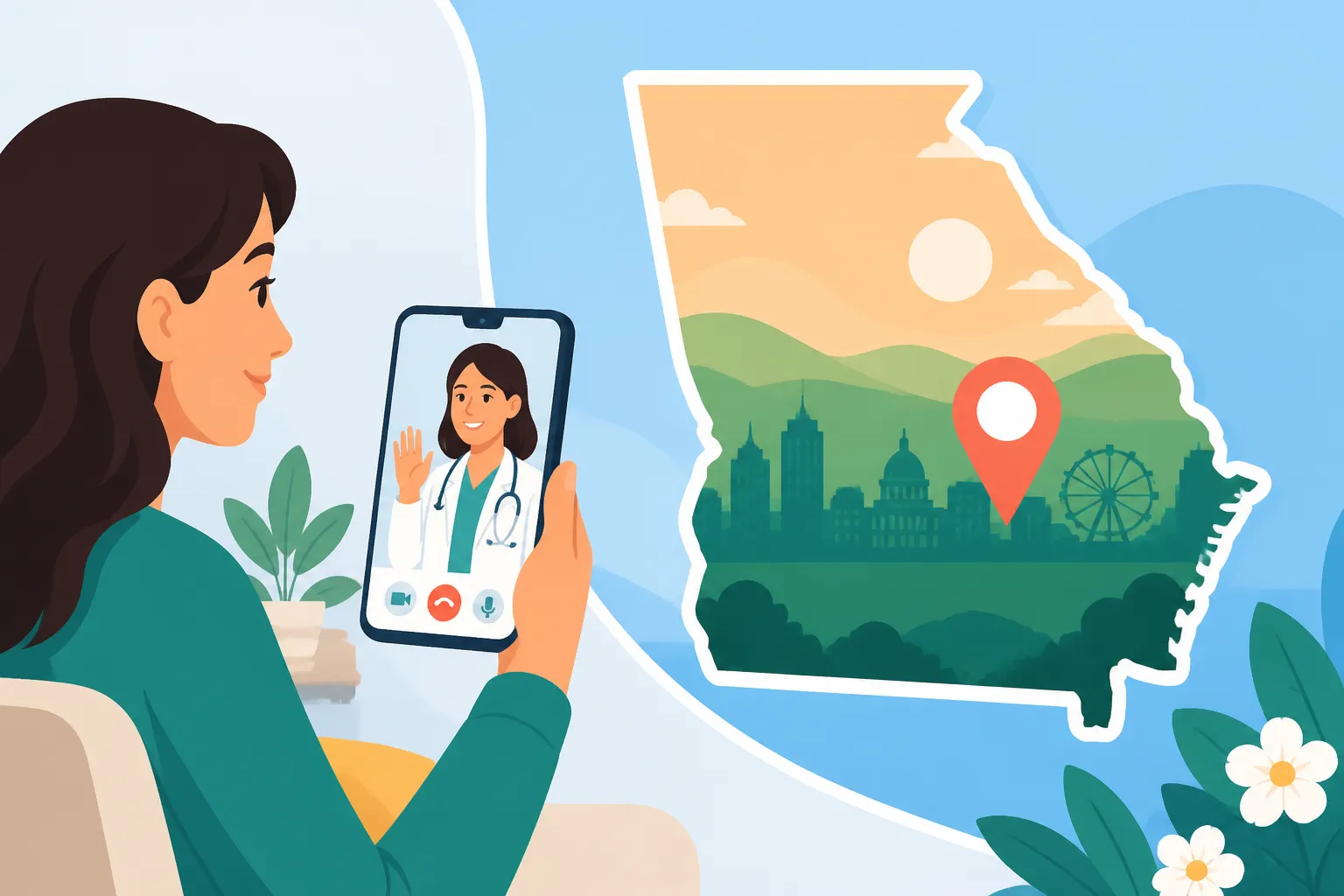
Can I Get a Telehealth Appointment in Georgia?
You’re feeling a bit under the weather, maybe a cough, a sniffle, or just a general malaise. You’re in Georgia, perhaps a bit far from your usual clinic, or you just can’t face the metro, and you think, “Surely there’s a way to get a quick chat with a doctor without leaving my apartment?” This is a common conundrum for many expats and tourists here. This guide will walk you through the ins and outs of getting a telehealth appointment in Georgia, dispelling myths and offering practical, realistic advice.
The Evolving Landscape of Telehealth in Georgia
When we talk about "telehealth" in Georgia, it's probably not quite what you might imagine if you're coming from a country with highly integrated, app-based healthcare systems. Here, the concept, while growing, is often more informal and less structured by a single national platform. Before the pandemic, telemedicine was practically unheard of for general consultations outside of specific specialist scenarios. The sudden shift in global habits, however, has certainly brought it to the forefront, albeit in a distinctly Georgian way.
What you'll typically find is less of a dedicated, large-scale telehealth service, and more of individual clinics and doctors adapting by offering virtual consultations. These usually take the form of phone calls, WhatsApp video calls, or sometimes through private clinic portals. It's not a universal standard, and access often depends on the specific clinic or doctor you're dealing with. For many long-term expats, this flexibility has been a blessing, allowing them to consult with doctors they've built a rapport with, even when physical visits are inconvenient or unnecessary.
How Expats and Tourists Can Access Telehealth Services
Navigating any healthcare system in a new country can feel like solving a Rubik's Cube blindfolded, and Georgia is no exception. Adding telehealth into the mix can make it seem even more opaque. However, with the right approach, it's entirely doable.
Finding the Right Doctor for a Virtual Consult
The first hurdle, and often the biggest one, is finding an English-speaking doctor who offers virtual consultations. While the number of medical professionals with good English skills is on the rise, especially in Tbilisi and Batumi, it's not a given. Many expats rely heavily on word-of-mouth recommendations within their community groups, or dedicated expat forums. Major private clinics, particularly in Tbilisi like Evex Medical Corporation or MediClub Georgia, are increasingly likely to have English-speaking staff and may have more formal telehealth options available. It’s always a good idea to check their websites or call their international patient departments directly.
For a tourist or newcomer, this can feel daunting. If you're completely new to the country and don't know where to start, you might want to read our guide on How to Find an English-Speaking Doctor in Georgia. Many of these doctors, once you've established contact, are open to follow-up virtual appointments, even if your first consultation was in person.
Booking and Attending Your Appointment
Once you've identified a doctor or clinic, booking a telehealth appointment usually involves a direct call to their reception. Be prepared for a conversation, perhaps a bit of Georgian mixed with English, to explain your needs. Clearly state that you are requesting a virtual consultation and inquire about the platform they use (e.g., phone, WhatsApp, Zoom). They will typically schedule a time and provide instructions on how the call will proceed.
On the day of your appointment, ensure you have a stable internet connection if it's a video call, or good phone signal. Find a quiet, private space where you can speak freely. It's often helpful to have any relevant medical history, a list of your current medications, and a clear description of your symptoms ready. Think of it as preparing for an in-person visit, just without the travel. The doctor will likely ask detailed questions, much as they would in a physical examination, to try and build as complete a picture as possible of your condition.
Payment, Prescriptions, and Insurance Reimbursement
Most telehealth appointments in Georgia are paid for out-of-pocket at the time of service, just like a regular visit. You'll usually be given bank transfer details, or a link for online payment. The cost can vary, but generally, a virtual consultation is comparable to an in-person one. If you're wondering How Much Does a Doctor Visit Cost in Georgia?, our detailed breakdown can help you budget.
For prescriptions, doctors can typically issue an electronic prescription or advise you on which medications to purchase. E-prescriptions are becoming more common, but not all pharmacies are fully integrated, so sometimes a physical copy or a picture message might be the method. Always confirm with the doctor how you'll receive your prescription. To learn more about navigating this, check out our guide on Prescription Medications and Pharmacies in Georgia: The Complete Guide.
Regarding insurance, this is where it gets a little nuanced. If you have private health insurance in Georgia or an international travel insurance policy like SafetyWing, you'll need to check if virtual consultations are covered. Many plans do include telehealth, especially for minor ailments or follow-ups. After paying, remember to get a clear invoice or receipt that includes the doctor's details, the service provided, and the cost. This document is crucial when you try to How to Claim Reimbursement from Private Insurance in Georgia. Don't assume anything; verify your coverage before the appointment to avoid surprises.
The Realities, Benefits, and Limitations of Telehealth in Georgia
Like any medical service, telehealth comes with its own set of advantages and disadvantages, especially in the Georgian context. It’s important to have realistic expectations.
The Upsides: Convenience and Accessibility
The most obvious benefit of telehealth is, of course, convenience. If you’re stuck at home feeling unwell, have limited mobility, or simply want to avoid public transport during flu season, a virtual appointment is a godsend. For expats living in smaller towns outside of Tbilisi, where English-speaking doctors might be scarce, telehealth with a doctor in the capital can provide much-needed access to care. It's also fantastic for quick follow-up questions, reviewing test results, or discussing chronic condition management when a physical exam isn't critical.
Furthermore, for those dealing with language barriers, conducting a telehealth session with an English-speaking doctor from the comfort of your home can reduce stress compared to navigating a bustling clinic. It allows you to focus on your symptoms and the doctor's advice without the added pressure of translation or unfamiliar surroundings.
The Downsides: Diagnostic Gaps and Urgent Care
While incredibly useful, telehealth isn't a silver bullet. Its primary limitation is the inability to conduct a physical examination. A doctor can’t feel your lymph nodes, listen to your lungs, check your reflexes, or take your blood pressure virtually. This means that for any condition requiring hands-on assessment, or for new, undiagnosed, or complex symptoms, telehealth will only get you so far. The doctor might be able to offer initial advice or suggest tests, but they will very likely recommend an in-person follow-up if they suspect something serious.
Crucially, telehealth is NOT for emergencies. If you are experiencing severe symptoms such as chest pain, sudden severe pain, difficulty breathing, heavy bleeding, or any injury that seems serious, you need to call Georgia’s emergency number (112) immediately or go to the nearest emergency room. Our guide on Emergency Medical Care in Georgia: What Every Expat Needs to Know provides essential information for these situations. Relying on a virtual consult in a true emergency could be dangerous.
Here’s a quick overview to help you decide when telehealth might be appropriate:
| Scenario | Telehealth Suitability | Notes |
|---|---|---|
| Minor ailments (colds, allergies) | High | Excellent for symptom discussion, general advice, and basic prescription refills. |
| Chronic condition management | High | Good for routine check-ins, medication adjustments, and discussing test results for known conditions. |
| Follow-up appointments | High | Ideal after an initial in-person visit or hospital discharge if a physical exam isn't critical. |
| Prescription refills | High | Convenient for obtaining refills for existing, stable medications. |
| Mental health consultations | High | Therapy and counselling are often very effective virtually, especially with an established therapist. How to Access Mental Health Services in Georgia as an Expat |
| Skin rashes/minor injuries | Medium | Doctor can visually inspect via video, but complex cases or deep wounds will require in-person care. |
| Undiagnosed severe pain | Low | A physical examination is almost always necessary to determine the cause of severe, unexplained pain. |
| Suspected infections (e.g., UTI, strep throat) | Medium-Low | Doctor may prescribe based on symptoms, but a lab test (urine, throat swab) will often be needed for definitive diagnosis. |
| Accidents or trauma | Low | Immediate in-person assessment, imaging, and potentially emergency intervention are required. |
Key Considerations and Practical Tips for a Successful Telehealth Experience
To make sure your telehealth experience in Georgia is as smooth and effective as possible, keep these pointers in mind.
Verifying Your Insurance Coverage
Before you even book, pick up the phone and call your insurance provider. Whether it's a local Georgian plan or an international one like those offered by SafetyWing, ask them directly: "Does my policy cover virtual doctor consultations in Georgia? What documentation do I need for reimbursement?" Don't assume. Some policies have specific requirements for telehealth, such as needing to consult with a doctor on an approved network. Having this information upfront will save you headaches later. If you're exploring options, understanding Health Insurance in Georgia: Private and International Options Explained is a good first step.
Many international health insurance providers are adapting to global trends and often include telehealth as part of their standard offerings or as an add-on. If you're relying on a travel insurance policy for a short stay, double-check the fine print, as these can sometimes be more restrictive.
The Language Barrier – Still Your Biggest Obstacle (and Solution)
We've mentioned it before, but it bears repeating: finding an English-speaking doctor is paramount. Without clear communication, a telehealth appointment becomes frustrating and potentially ineffective. When you call a clinic, explicitly ask if they have doctors available who are fluent in English for virtual consultations. Some clinics might even have dedicated staff for international patients. Don't be shy about clarifying this. It's your health, and you deserve to understand and be understood fully.
Prepare for Your Virtual Visit
Just like you would for an in-person appointment, take a few minutes to prepare.
- List Your Symptoms: What are they? When did they start? How severe are they? What makes them better or worse?
- Medical History: Any relevant past conditions, surgeries, or ongoing health issues.
- Medications: A list of all current prescriptions, over-the-counter drugs, and supplements you're taking.
- Questions: Jot down any specific questions you have for the doctor.
- Environment: Ensure you're in a quiet, well-lit place with a strong internet connection. If it’s a video call and you need to show something (like a rash), ensure good lighting.
This preparation will help the doctor make a more accurate assessment and make the most of your consultation time. For a deeper understanding of the system, our guide on Navigating the Georgian Healthcare System: An Expat's Roadmap (2027) offers broader context that can help with any medical interaction.
Follow-Up and In-Person Referrals
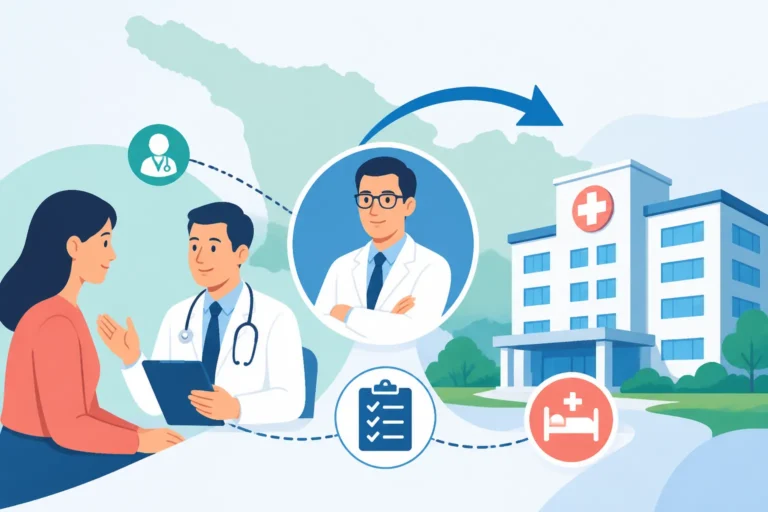
Remember that a telehealth appointment might just be the first step. The doctor might recommend blood tests, imaging (like X-rays or ultrasounds), or even an in-person visit if they feel a physical examination is necessary. Be prepared to follow these recommendations. Georgian doctors are generally thorough, and if they suggest further investigation, it's usually for a good reason.
Understanding the potential costs involved in further diagnostic tests or specialist visits is also helpful. While the cost of healthcare in Georgia is often more affordable than in many Western countries, knowing The Cost of Healthcare in Georgia: A Complete Breakdown for Foreigners (2026) can help manage your expectations and finances. And for those who unfortunately find themselves without insurance, knowing What Happens If I Get Sick Without Insurance in Georgia? is crucial.
Telehealth in Georgia, while still evolving, is a valuable tool for expats and tourists to manage their health needs with greater flexibility. With careful planning, clear communication, and realistic expectations, you can access medical advice and care without always having to step out your front door. It’s about leveraging the convenience while recognizing its limits, ensuring your health remains a top priority during your time in Georgia.
Disclaimer
The information provided in this article is intended for general guidance and informational purposes only. While every effort has been made to ensure accuracy and relevance for expats and tourists in Georgia, healthcare regulations, services, and availability can change. It is not a substitute for professional medical advice, diagnosis, or treatment. Always seek the advice of a qualified healthcare provider for any medical concerns or before making any decisions related to your health or treatment. We do not endorse any specific medical provider or insurance company. Your individual circumstances and health insurance policy may vary, so always confirm details directly with your provider and chosen medical facility.