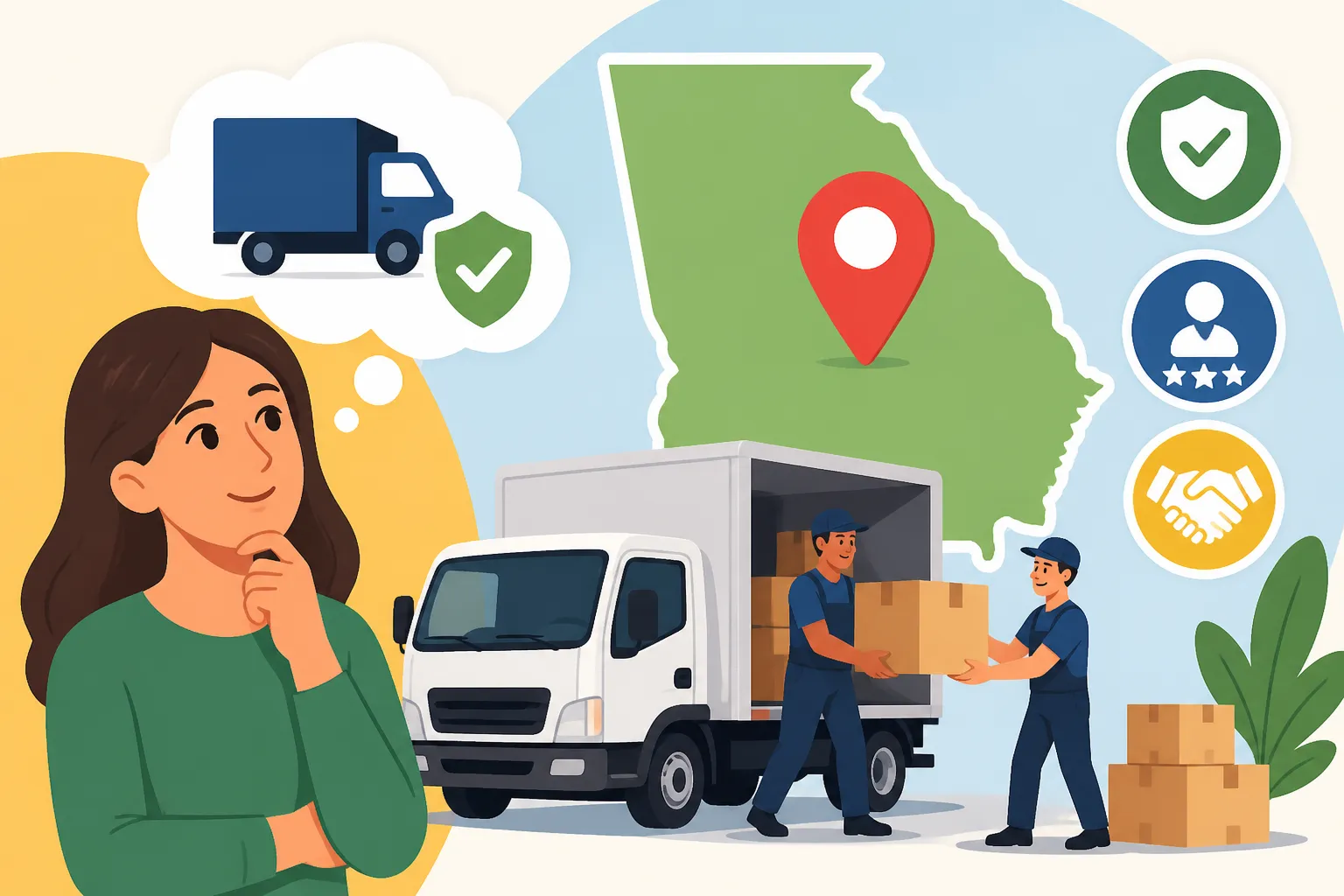
How Do I Find a Reliable Moving Company to Georgia?
Moving to a new country is exhilarating, but let’s be real, the thought of actually getting your belongings there can be one of the most stressful parts of the entire adventure. Hauling your life across continents, especially to a place like Georgia, where things operate a little differently, can feel like an insurmountable task. This guide is here to help you navigate the tricky waters of finding a reliable moving company that will get your cherished possessions safely from point A to Georgia, saving you countless headaches along the way.
The Unique Challenges of Moving to Georgia
I've been here long enough to tell you that Georgia is a fantastic place, but it's also a place with its own distinct way of doing things. This isn't necessarily a bad thing, but it certainly adds a layer of complexity when you’re trying to coordinate an international move. You can't just pick any mover; you need someone who understands the local landscape.
Navigating Cultural and Linguistic Barriers
One of the first things you'll notice upon arrival, and indeed even before, is the language. While English is increasingly common in Tbilisi, especially among younger generations and in business, it's not universal. Dealing with local logistics, customs, and sometimes even the delivery drivers can be a challenge if your moving company doesn't have a solid grasp of Georgian. Some expats have reported whose goods were held up because a customs agent needed clarification that wasn't properly communicated by the local partner of their international mover. You want a company that can bridge this gap effortlessly, not create more static. They should have established local contacts, or even better, a local office, meaning they understand the nuances of getting things cleared and delivered without endless phone calls and miscommunications.
Understanding Logistics and Customs
The journey your belongings take to Georgia isn't always straightforward. Depending on where you're coming from, it could involve sea freight to a port like Poti, or overland routes through neighboring countries. Road conditions, especially outside the main highways, can be less than ideal. Then there's customs. Georgian customs regulations, while generally reasonable, require precise documentation and adherence to procedures. Missteps here can lead to delays, additional fees, or even goods being turned back. You need a mover who is intimately familiar with the specific import duties, prohibited items, and documentation required for household goods entering Georgia. They should be able to advise you on what can and cannot be easily imported, and what paperwork you'll need to prepare well in advance, from detailed packing lists to copies of your passport and residence permit application documents. Ignoring this aspect is a surefire way to stress yourself out before you've even had your first Khinkali.
Kicking Off Your Search for a Moving Company
Don’t just open Google and pick the first shiny ad you see. Finding a mover takes some elbow grease and critical thinking. This is where your inner detective needs to shine.
The Power of Personal Recommendations
Honestly, this is your gold standard. Talk to other expats already living in Georgia. Join local expat Facebook groups – there are plenty of active ones in Tbilisi and Batumi. Ask around. People who have successfully navigated this process themselves will be your best resource. They’ll tell you not only who they used but also the good, the bad, and the ugly. Did the company arrive on time? Was the quote accurate? Did they handle fragile items with care? Did they assist with customs? These real-world experiences are invaluable because they give you insight into how a company performs when the rubber meets the road, not just what their marketing materials promise. Often, companies that get repeat recommendations are those that truly understand the intricacies of international moves, especially to Georgia.
Online Search & Specialised Platforms
Of course, personal recommendations can only go so far. Once you have a few names, or if you're starting from scratch, the internet is your next port of call. When you’re searching online, look for movers that specifically advertise international moving services, and ideally, mention Georgia as a destination they serve. Look beyond just their website; check third-party review sites. Pay attention to how companies respond to both positive and negative feedback – it tells you a lot about their customer service ethos.
Platforms like Sirelo can be incredibly useful here. They allow you to compare quotes from multiple international moving companies all in one place. You input your moving details, and they connect you with various movers, often including reputable ones with experience in your destination country. This saves you the tedious work of contacting each company individually and repeating your information over and over. It's a great starting point for gathering a range of options and getting a feel for market prices. Just remember, these platforms are comparison tools; the ultimate vetting still falls to you.
What to Look For in a Reliable Moving Partner
Once you have a shortlist, it's time to dig deeper. Not all moving companies are created equal, and for an international move to Georgia, specific qualities are non-negotiable.
Experience with Georgia & International Moves
This cannot be stressed enough. A company that moves furniture across town is vastly different from one that moves it across continents and through customs borders. You want a mover with a proven track record of international relocations. Even better, look for one that specifically highlights experience with destinations in the Caucasus region or Eastern Europe. This indicates they understand the specific logistical challenges, potential delays, and documentation requirements unique to this part of the world. Ask them directly about their experience with Georgia – how many moves have they done there? Do they have local partners? What is their typical route and timeline? A seasoned mover will have answers ready and won't shy away from these questions.
Insurance and Liability
This is where you absolutely do not skimp. Your belongings are traveling a long way, potentially through rough terrain and various handling points. Accidents happen. A reliable moving company will offer comprehensive insurance options. Understand what is covered, what isn’t, and the claims process.
- Basic liability coverage is usually minimal and only covers items based on weight, not their actual value. This is almost never enough for valuable possessions.
- Full value protection is what you want. This means the mover is liable for the replacement value of any lost or damaged items. Make sure to get a detailed explanation of the policy, including deductibles and how to declare high-value items.
Don't just take their word for it; get the insurance details in writing. Read the fine print. What happens if a box goes missing? What's the timeline for claims? What documentation will you need to provide? These are tough questions, but they're essential for protecting your investment and peace of mind. Without proper insurance, a smooth move can quickly turn into a financial nightmare if something goes wrong.
Transparency in Pricing and Services
Ah, the dreaded hidden fees. We've all heard stories. With international moves, these can be even more substantial. A reliable company will provide a detailed, itemized quote that clearly outlines all costs, from packing and transportation to customs duties, port fees, and delivery to your new home in Georgia.
- Ask about estimates vs. binding quotes. A binding quote is generally preferable as it guarantees the price won't change unless your inventory changes.
- Understand what services are included. Is packing material provided? Is professional packing included? Will they unpack at your destination? What about disassembling and reassembling furniture?
- Clarify customs clearance fees. Sometimes these are included, sometimes they are a separate charge. Make sure you know who is responsible for paying these and when.
- Inquire about storage options. If there's a gap between your departure and your new home being ready, you might need temporary storage. Get pricing for this upfront.
Any company that gives you a vague quote or is hesitant to break down costs is a red flag. Demand clarity. You need to know exactly what you’re paying for and what you can expect the final bill to be. Don't let a lowball initial quote lure you in only to be hit with exorbitant charges later. A truly professional mover will be upfront about every single cost.
Communication and Customer Service
You’re entrusting your entire life to these people. Good communication is paramount. From your initial inquiry to the final delivery, you should feel informed and heard.
- Responsiveness: Do they reply to your emails and calls promptly?
- Clarity: Is their communication clear and easy to understand, especially regarding complex logistics or documentation?
- Dedicated Contact: Will you have a dedicated point of contact throughout the process? This can be incredibly helpful for continuity and reducing stress.
Language is also key here. While your primary contact might be English-speaking, ask about their ability to communicate with local partners in Georgian. This goes back to bridging those cultural and linguistic barriers we talked about earlier. A company that can communicate effectively at every stage, in every necessary language, will make your move significantly smoother. Frustration among expats dealing with misunderstandings shows that a clear line of communication is worth its weight in gold.
The Vetting Process: Questions to Ask & Red Flags to Watch For
This is crunch time. Before you sign anything, you need to be confident in your choice. Don't be shy; ask every question that comes to mind.
Essential Questions for Potential Movers
Here’s a checklist of questions you absolutely must ask every moving company you’re considering. Get the answers in writing if you can.
| Category | Specific Questions |
|---|---|
| Experience | How many international moves to Georgia have you completed? What's your typical route and transit time? Do you have established local partners in Georgia? |
| Quoting & Costs | Is this a binding quote or an estimate? What factors could change the final price? What specifically is included/excluded (e.g., customs duties, unpacking)? |
| Insurance | What insurance options do you offer? Is full value protection available? What's the claims process and timeline for resolution? Are there any deductibles? |
| Logistics | Who will be my point of contact throughout the move? How will I track my shipment? What are your procedures for handling fragile or high-value items? |
| Documentation | What specific documents do I need to provide for customs in Georgia? Will you assist with completing customs forms? |
| Local Services | Do you offer packing/unpacking services at both ends? Will you disassemble/reassemble furniture? What about debris removal after unpacking? |
| Timelines | What is the estimated pickup date, transit time, and delivery window? What happens if there are delays, and how will I be notified? |
| Payment Terms | What's your payment schedule (deposit, final payment)? What payment methods do you accept? |
Don't settle for vague answers. A professional company will be able to answer these questions clearly and confidently. If they waffle, or seem annoyed by your thoroughness, consider it a warning sign. You’re paying them for a crucial service; you have every right to be well-informed.
Common Red Flags and How to Avoid Scams
Unfortunately, the moving industry, like any other, has its share of unscrupulous operators. Being aware of these red flags can save you from a nightmare scenario:
- Unrealistically Low Quotes: If one quote is significantly lower than all others, be extremely wary. It's often a bait-and-switch tactic where hidden fees will be piled on later, or they might cut corners on service or insurance.
- Demanding Large Upfront Payments: While a deposit is standard, avoid companies that demand the full payment or a very large percentage upfront, especially in cash. A typical payment schedule involves a deposit, a payment at pickup, and the final balance upon delivery.
- Lack of Licensing or Accreditation: For international moves, ensure the company is properly licensed for interstate or international commerce. While Georgia-specific licensing might be tricky, general international moving accreditation (like FIDI or IAM membership) is a good indicator of professionalism and adherence to industry standards.
- No Physical Address or Shady Website: Does the company only have a P.O. box or a generic residential address? Is their website poorly maintained, or does it lack essential information like contact details, terms, and conditions? These are strong indicators that something isn't quite right.
- High-Pressure Sales Tactics: If a mover tries to rush you into signing a contract, offers deals that are "only available today," or pressures you to make a decision quickly, step back. Reputable companies understand that international moves require careful consideration.
- Refusal of In-Home Survey: For a binding quote, an in-home or comprehensive video survey of your belongings is essential. Without it, how can they accurately assess the volume and weight? If they insist on a quote based solely on a phone call or a rough estimate, the likelihood of a price hike later is high.
Trust your gut. If something feels off, it probably is. It's far better to spend a little more time researching now than to deal with the devastating consequences of a scam later.
Getting Ready for Moving Day & Beyond
You've picked your mover, signed the contract, and now the big day is looming. This final stage is all about meticulous preparation.
Packing Strategically for International Transit
Even if your moving company offers full packing services, it's wise to have an understanding of strategic packing.
- Declutter mercilessly: The less you move, the less it costs, and the less hassle you have. Seriously, get rid of anything you haven't used in a year. Consider selling or donating items that are cheaper to replace in Georgia.
- Inventory everything: Create a detailed inventory of all your boxes, including their contents and approximate value. Take photos or videos of valuable items before they are packed. This is crucial for insurance claims if anything goes missing or gets damaged.
- Label clearly: Even if the movers are packing, ensure boxes are clearly labeled with their contents (e.g., "Kitchen – Pots & Pans"), and destination room if possible. For international moves, numerical labels are also helpful for your inventory.
- Personal Essentials Box: Pack a separate box or two with absolute essentials you'll need immediately upon arrival – toiletries, a few changes of clothes, important documents (passports, residence permit paperwork, insurance details), medications, and chargers. This box should travel with you, not in the shipment.
Remember, anything fragile needs extra padding. For The Complete Guide to Cost of Living in Georgia for Expats (2026), you might find that some items are cheaper to buy new here than to ship. Also, it's a good time to reconsider if you really need that obscure kitchen gadget.
Customs Documentation and Clearance
This is where all that upfront planning with your mover pays off. You’ll need to work closely with them to ensure all necessary documents are prepared accurately and on time. This typically includes:
- Passport copies for all family members.
- Visa or residence permit application documents. If you're applying for a residence permit like a work residence permit in Georgia or a Short-Term Residence Permit Based on Property in Georgia, ensure you have copies of the application, as these often prove your intent to reside in Georgia long-term, which is important for customs.
- Detailed packing list/inventory: This should match what your mover provides.
- Proof of residency or intent to reside: A rental contract for your new apartment or proof of property ownership (if you’ve bought) can be very helpful.
- Power of attorney: You may need to grant your moving company or their local agent power of attorney to clear your goods through customs on your behalf.
Be absolutely meticulous with this paperwork. Any discrepancies or missing information can cause significant delays and added costs. Your mover should be guiding you through this step-by-step. Don't be afraid to ask for clarification on anything you don't understand.
Temporary Accommodation and Connectivity Upon Arrival
While your belongings are making their way to Georgia, you’ll need a place to stay and a way to communicate. Plan for temporary accommodation, perhaps an Airbnb or a hotel, for at least a week or two after your arrival, as international shipping timelines can be unpredictable. You can check out options for Finding an Apartment to Rent in Batumior finding an apartment to rent in Tbilisi in advance, but having that buffer is crucial.
Connectivity is also paramount. Once you land, you'll want to get a local SIM card as soon as possible, but having an eSIM ready can smooth that transition. Airalo is a fantastic solution for immediate internet access. You can download an eSIM before you even leave home and activate it as soon as you land, ensuring you have data for maps, messaging, and coordinating with your moving company and new contacts without hunting for Wi-Fi or local SIM cards immediately. This little bit of foresight can greatly reduce stress during those first few days. Learning How to Set Up Internet and Mobile Service in Georgia will be a high priority after settling in.
Finding a reliable moving company to Georgia isn't just about price; it's about trust, experience, and transparent communication. By doing your homework, asking the right questions, and being prepared, you can significantly reduce the stress of your international relocation and ensure your belongings arrive safely, allowing you to focus on the exciting adventure of your new life in Georgia.
Disclaimer
The information provided in this guide is for general informational purposes only and does not constitute professional advice. While we strive to keep the information up-to-date and correct, we make no representations or warranties of any kind, express or implied, about the completeness, accuracy, reliability, suitability, or availability with respect to the website or the information, products, services, or related graphics contained in this guide for any purpose. Therefore, any reliance you place on such information is strictly at your own risk. Always consult with professional moving companies, customs agents, and legal advisors for specific advice tailored to your situation.