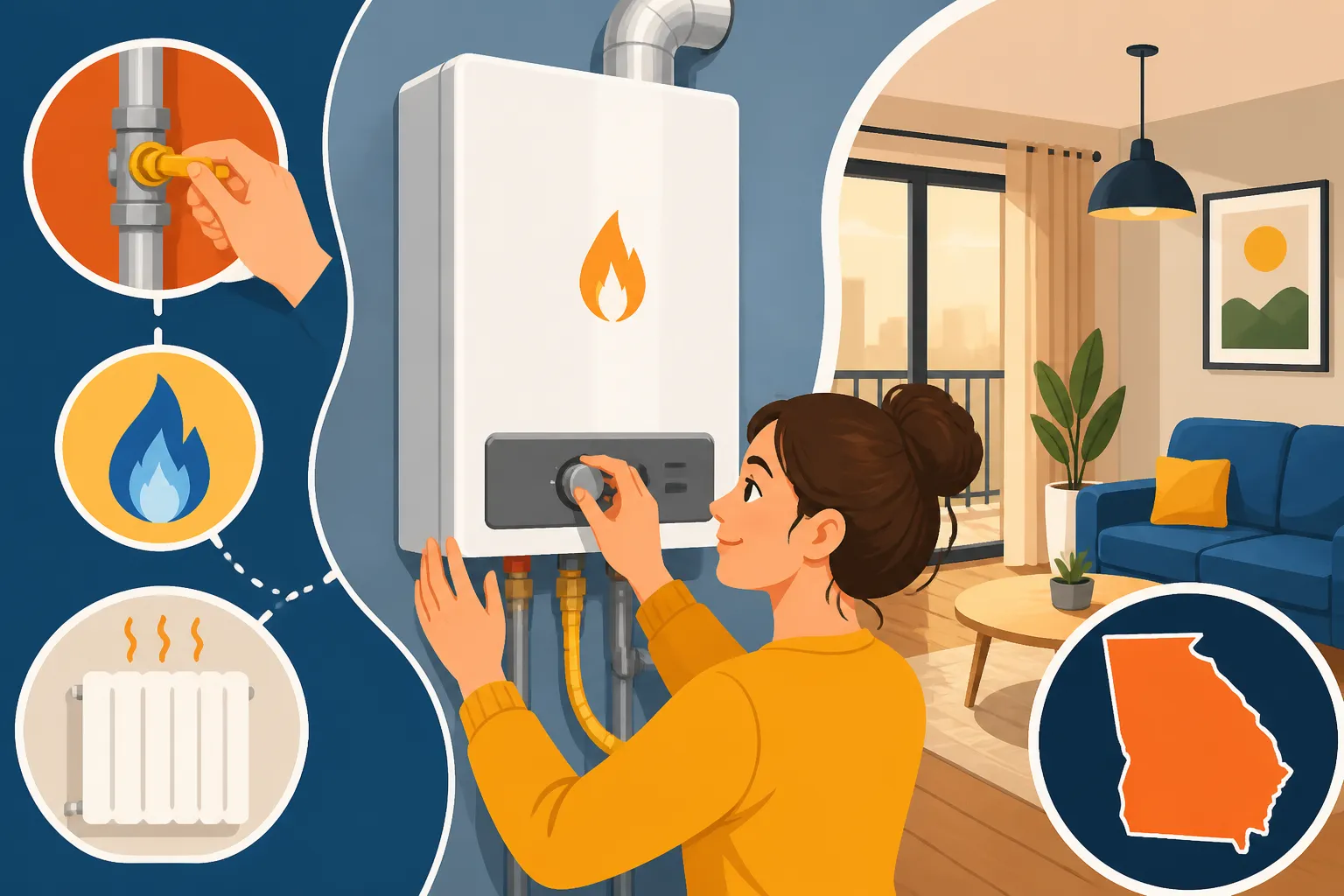
How Do I Set Up Gas Heating for My Georgia Apartment?
Moving to Georgia, especially into a new apartment, can feel like navigating a maze of unfamiliar systems, and setting up utilities like gas heating is often high on that list of "things I wish someone had just explained simply." You’ve probably just landed, maybe you’re still trying to figure out which marshrutka goes where, and now you’re staring at a gas boiler wondering how on earth you’re supposed to get it running before the chill of winter truly bites. This guide is here to cut through the confusion, offering a comprehensive, expat-friendly walkthrough on activating and managing your gas heating in your Georgian apartment.
Decoding Georgia's Gas Heating Scene: What You Need to Know
When you first arrive in Georgia, particularly if you’ve moved here from a country where central heating is simply a given, the local heating situation can feel a bit different. However, once you get the hang of it, you’ll find that natural gas is not only prevalent but also remarkably efficient and generally affordable, making those colder months much more manageable.
The Ubiquity of Natural Gas in Georgian Apartments
Walk into almost any apartment building in cities like Tbilisi or Batumi, and you’ll quickly notice that natural gas is the king of heating. It’s deeply integrated into the infrastructure, a legacy that continues to make it the most common and often most cost-effective heating solution for residents. This isn’t like some places where electric heat pumps or individual electric radiators dominate; here, gas is usually the primary choice for keeping warm and for hot water.
For expats, this means that most rental properties you'll consider will likely come equipped with a gas heating system. While the initial setup or transfer of service might involve a little bureaucracy, the ongoing usage is typically straightforward. The affordability of natural gas compared to electricity during peak winter months is a huge draw, especially when you consider the potential costs of running electric heaters constantly. You'll find that many apartment buildings, even newer constructions, have robust gas lines ready for connection, reflecting the continued reliance on this energy source across the country.
Common Gas Heating Systems You'll Encounter
Unlike some countries with large district heating systems, individual apartment heating in Georgia often relies on localized solutions. You’ll primarily come across two main types of gas heating systems in Georgian apartments, each with its own characteristics:
- Individual Combi-Boilers (Central Heating): This is by far the most common and sought-after system in modern and renovated apartments. A combi-boiler (often wall-mounted in the kitchen or balcony) handles both your apartment's hot water supply and the radiators throughout the rooms. It’s essentially your personal central heating system. You control the thermostat, deciding when and how much heat you need. This offers excellent comfort and efficiency, allowing you to heat only the spaces you use and at the temperatures you prefer. For many expats, this feels the most familiar and comfortable option, offering consistent warmth and on-demand hot water. These systems are generally reliable, but like any appliance, they require occasional maintenance, which your landlord or a professional gas technician can usually arrange.
- Karma Heaters (Wall-Mounted Gas Heaters): While less common in newer builds, you'll still find these standalone gas heaters in older or more budget-friendly apartments. A Karma heater is a direct-vent gas unit that heats a single room. Often, an apartment might have several Karma heaters placed strategically in different rooms, allowing you to heat specific areas independently. They are straightforward to operate and quite efficient for heating individual spaces. However, they don't provide central heating for the entire apartment, nor do they usually supply hot water (which would be handled by a separate gas or electric water heater). The main drawback for some is the aesthetic, as they are visible wall units, and the heating might feel less even compared to a combi-boiler system. That said, for many, they offer a perfectly adequate and economical way to stay warm.
Understanding which system your potential apartment has is crucial, as it impacts both your comfort and your long-term energy costs. Make sure to discuss this with your landlord or real estate agent when you're viewing properties. You might also want to factor this into your overall cost of living in Georgia for expats calculations.
Understanding Georgia's Gas Providers and Their Reach
Just like electricity or water, gas services in Georgia are managed by specific providers. For those of you setting up home in the capital, Tbilisi, the main player you'll be dealing with is KazTransGas Tbilisi. They are responsible for the distribution, maintenance, and billing of natural gas across the city. If you're outside Tbilisi, in places like Batumi or Kutaisi, there will be local or regional gas distribution companies that operate in those areas, such as Sokar Georgia or other municipal providers. It’s always a good idea to confirm with your landlord which company services your specific address.
These companies operate service centers where you can handle new connections, name changes, billing inquiries, and resolve any issues. While their online services are improving, many administrative tasks still often require an in-person visit, especially for new connections or transfers. Knowing who your provider is will be your first step in getting that gas flowing, and it’s critical for accessing their customer service, whether it’s to understand your bill or report an emergency. Their main emergency hotline is 114, which is vital information to have on hand for any gas-related emergencies, like a suspected leak.
Your Step-by-Step Guide to Activating Gas Heating
Getting your gas heating activated might seem like a daunting task in a new country, but with a clear understanding of the process and the right documentation, it’s entirely manageable. It generally involves clarifying responsibilities, preparing documents, visiting the gas service center, and finally, a crucial safety inspection.
Clarifying Responsibilities: Landlord, Tenant, and Rental Agreements
One of the biggest sources of confusion for new expats is understanding who is responsible for what when it comes to utilities. In Georgia, it's generally the landlord's responsibility to ensure that the apartment has a safe and functional gas connection. However, the transfer of the utility account into your name, and subsequently the payment of the bills, usually falls to the tenant. This needs to be explicitly clear in your How to Sign a Rental Contract and Pay a Deposit in Georgia.
Here are a few common scenarios you might encounter:
- Gas is already active and in the landlord's name: This is the ideal scenario. You'll need to visit the gas service center (e.g., KazTransGas Tbilisi) with your landlord or a power of attorney from them to transfer the account into your name. This ensures that you receive the bills directly and are responsible for payment from day one.
- Gas is active but in a previous tenant's name: This is less common but can happen. The previous tenant should have ideally closed their account. If not, it can complicate the transfer. Again, a visit with the landlord to facilitate the transfer is necessary.
- Gas has been disconnected: If the gas was previously disconnected (perhaps after a long vacancy or a previous tenant failed to pay), it will require a new connection request. This is more involved and will definitely require your landlord's involvement to initiate the process, as they own the property. You might also need to pay a reconnection fee.
- Brand new apartment, no gas connection ever: This is rare unless you are the very first tenant in a newly constructed building. In this case, the landlord is fully responsible for arranging the initial connection to the main gas line and installing the meter. You would then follow the process to transfer the account to your name.
Always, always ensure your rental agreement clearly states the utility situation, who pays for what, and the process for transfer. Don't be shy about asking your landlord for assistance with the initial setup; it’s common for them to help, especially if they want to ensure their property is legally and safely connected. This clarity will save you a lot of headaches later on.
Gathering Your Essential Documents for Application
Before you even think about heading to the gas service center, make sure you have all your ducks in a row with the necessary documents. Missing even one piece of paper can lead to frustrating multiple trips, something no expat wants to deal with.
Here’s a checklist of what you'll typically need:
- Your Passport: The original, valid passport you used to enter Georgia.
- Georgian Visa or Residence Permit (if applicable): If you're on a The Expat Guide to Getting a Residence Permit in Georgia (2027) or a long-stay visa, bring this along. For those on a visa-free stay, your passport should suffice, but a copy of your entry stamp might be helpful.
- Rental Contract: The original, signed rental agreement for your apartment. This is crucial as it proves your legal right to reside at the address and request utility services.
- Property Owner's ID (or a copy): You will often need either the actual landlord present with their ID or, at the very least, a copy of their national ID card (sometimes even a power of attorney) to prove they are the legal owner of the property. This prevents fraudulent connections.
- Property Ownership Certificate: While often handled by the landlord, having a copy of the property's ownership certificate can sometimes expedite the process or be requested.
- Utility Bills (if transferring an existing account): If you are transferring an existing active account, it helps to bring the most recent gas bill to show the account number and current status.
It's always a good idea to have both original documents and several photocopies of everything. Sometimes, a simple photocopy is accepted, while other times, they might insist on seeing the original. And if any of your documents are not in Georgian, they may require a notarized translation, although for passports and basic contracts, this is less common at gas service centers than for, say, a How to Get Your Foreign Qualification Recognised in Georgia. Ensure you have enough mobile data from a local provider or even an eSIM like Airalo to quickly look up addresses or translate terms if you're navigating the process alone.
Navigating the Gas Service Center and Application Forms
With your documents in hand, your next adventure takes you to the local gas service center. For Tbilisi residents, this means finding one of the KazTransGas Tbilisi branches. These centers can be bustling, and while some staff might speak basic English, it's not guaranteed. Patience is key!
- Find the Right Branch: Use Google Maps to locate the KazTransGas Tbilisi service center closest to your apartment. You might want to ask your landlord for the most convenient one.
- Take a Number: Upon entering, look for a ticket machine. You’ll usually need to select a service category (e.g., new connection, name transfer, billing inquiry). Grab a ticket and settle in for a wait.
- The Counter Interaction: When your number is called, approach the counter. Clearly state your purpose (e.g., "gas connection" or "name transfer"). Present all your documents. The clerk will review them, often making copies or entering your data into their system.
- Filling Out Forms: You'll likely be given a form to fill out. This form will ask for your personal details, passport number, apartment address, contact information, and the gas meter number. If your Georgian isn’t strong, politely ask if someone can assist with translation or have a friend or your landlord accompany you. It's crucial to ensure all information is accurate to avoid future issues with your Understanding Water and Gas Bills in Georgia.
- Confirmation: Once the form is submitted and processed, you should receive a confirmation slip or an appointment time for the technical inspection. If you're simply transferring an account, it might be a quicker process, and they may activate it immediately. For a new connection or reactivation, expect a technician visit.
The experience can vary from smooth sailing to a bit of a bureaucratic puzzle. However, with all documents prepared and a calm demeanor, you'll get through it.
The All-Important Safety Inspection and Meter Activation
This is perhaps the most critical step in getting your gas heating up and running. Georgia takes gas safety very seriously, and for good reason. Before gas can be activated or reactivated at your property, a qualified technician from the gas company must perform a thorough safety inspection. This isn't just a formality; it's a vital check to ensure your apartment's gas lines, appliances, and ventilation are up to code and pose no risk.
Here’s what to expect:
- Scheduling the Visit: After your application is processed at the service center, the technician’s visit will be scheduled. This could be anywhere from a few days to a week or more, depending on their workload. Make sure you get a clear date and approximate time.
- The Technician's Role: On the appointed day, a gas company technician will visit your apartment. They will inspect:
- Gas Pipes and Connections: Checking for leaks, proper installation, and condition of all visible gas pipes leading to your appliances.
- Gas Appliances: This includes your combi-boiler, Karma heaters, and gas cooker. They will check their working order, ensure they are properly connected, and that no visible damage or hazards exist.
- Ventilation: This is extremely important, especially for gas appliances. The technician will ensure that there is adequate ventilation, often checking chimneys or exhaust vents. They may even install or check a carbon monoxide detector if one is required for your specific setup.
- Your Presence is Required: You (or a trusted representative who can speak Georgian and understands the property) must be present during this inspection. The technician needs access to all areas where gas lines and appliances are located.
- Approval and Activation: If everything passes the inspection, the technician will either activate the gas meter on the spot or confirm that it can be activated. They will often provide a small certificate or a stamp in your application form confirming the safety check. If issues are found, they will clearly state what needs to be fixed before activation can occur. Your landlord will usually be responsible for rectifying any safety issues identified.
Once the safety inspection is passed and the meter is active, congratulations! You should now have gas flowing to your heating system and appliances. You can then finally figure out How to Set Up Gas Heating for My Georgia Apartment.
Mastering Your Gas Bills and Efficient Usage in Georgia
Now that you've got gas heating, the next step is understanding how to read your bills, pay them, and use your heating efficiently to keep costs down. It’s an ongoing process, but once you establish a routine, it becomes second nature.
Understanding Your Gas Meter and Monthly Billing Cycle
Unlike some utilities that might estimate usage, gas bills in Georgia are based on actual meter readings. Understanding how your meter works and the billing cycle is key to managing your expenses.
- The Gas Meter: Your gas meter will be located either inside your apartment (often near the entrance or in the kitchen) or in a common area of the building, usually in a utility closet on your floor or in the basement. It measures your gas consumption in cubic meters (m³). The technician who activated your service should have shown you how to read it.
- Monthly Reading and Billing: Gas meters are typically read monthly by a representative from the gas company. Sometimes, especially in busy urban areas, they might ask residents to submit their own readings online or via a mobile app. The readings are then used to calculate your monthly bill. The current residential tariff for natural gas in Tbilisi (KazTransGas Tbilisi) is around 0.53975 GEL per cubic meter as of early 2024. This rate can change, so it's always good to check the official gas provider's website for the most up-to-date information.
- Receiving Your Bill: Bills are usually delivered physically to your mailbox or available online through the gas provider’s portal or banking apps. They will clearly state your consumption in cubic meters, the rate, and the total amount due. Keep an eye on your mailbox around the same time each month to avoid missing a bill.
Knowing how much gas you’re using and what you’re being charged for is fundamental to controlling your monthly expenses.
Convenient Ways to Pay Your Gas Bills in Georgia
Paying bills in Georgia is generally quite straightforward, with multiple convenient options available. You'll find that the system is set up to make it easy for residents, including expats. This applies to your gas bills, your How Do I Set Up Electricity After Moving to Georgia?, and other services.
Here are the most common methods:
- Payment Terminals (PayBox, TBC Pay): These ubiquitous orange or yellow kiosks are found everywhere – supermarkets, metro stations, street corners. They are incredibly popular for paying all sorts of bills.
- Select "Utilities" (კომუნალური).
- Find your gas provider (e.g., "KazTransGas Tbilisi").
- Enter your subscriber number (indicated on your bill).
- The outstanding amount will appear.
- Insert cash (GEL) or pay by card.
- Print your receipt and keep it!
- Online Banking (TBC Bank, Bank of Georgia, etc.): If you've opened a bank account with one of Georgia's major banks, their online banking and mobile apps offer excellent bill payment services.
- Log into your online banking or app.
- Navigate to the "Payments" or "Utilities" section.
- Select your gas provider.
- Enter your subscriber number.
- The amount due will automatically populate.
- Confirm the payment.
Many banks also offer the option to set up recurring payments or even auto-payments if you prefer. This is often the easiest method once you’re set up.
- Bank Branches: You can also pay your bills directly at any bank branch. Just present your bill or subscriber number to the teller. This is a good option if you prefer in-person transactions or need assistance.
Regardless of how you pay, always keep your receipts or confirmation numbers. It’s your proof of payment if any discrepancies arise. Understanding these methods will help you manage all your What Is the Average Utility Bill for an Apartment in Georgia? with ease.
Troubleshooting Minor Issues and Handling Gas Emergencies
While gas heating systems are generally reliable, it’s good to know what to do if things go wrong, whether it’s a minor annoyance or a serious emergency.
Minor Issues:
- No Hot Water/No Heating (Combi-Boiler): First, check if the boiler is plugged in and turned on. Look at the pressure gauge – if it's too low (often below 1 bar), you might need to repressurize the system. Your landlord can usually show you how to do this, or there are many YouTube tutorials specific to common boiler models found in Georgia. If the pilot light is out, try to relight it according to the boiler's instructions.
- No Heat (Karma Heater): Ensure the gas valve to the heater is open and the pilot light is lit. If not, follow the relighting instructions.
- Power Outage: If there's a general power cut, combi-boilers and some Karma heaters won't work as they rely on electricity for ignition and controls. Wait for the power to return.
- Low Gas Pressure: If you notice consistently low flame on your stove or weak heating, it could be a supply issue. Check if neighbours are experiencing the same. If it's isolated to your apartment, it might be an issue with your internal gas lines or regulator.
For persistent minor issues, contact your landlord first. They often have trusted technicians or can arrange for the gas company to investigate.
Gas Emergencies:
This is extremely serious and requires immediate action. If you smell gas (often described as a rotten egg smell) or hear a hissing sound, do NOT:
- Turn any lights on or off.
- Use any electrical appliances.
- Light a match or lighter.
- Use your mobile phone inside the apartment.
DO:
- Evacuate Immediately: Get yourself and anyone else out of the apartment and away from the building.
- Call 114 (Gas Emergency Service): Once you are safely outside, call the gas emergency hotline: 114. This is the direct line for gas-related emergencies in Georgia.
- Inform Others: Alert your neighbours to evacuate the building as well.
- Do Not Re-enter: Wait for the emergency services to arrive and confirm it's safe to return.
It is absolutely crucial to prioritize safety when dealing with gas. Don’t hesitate to call 114 for any suspected gas leak, no matter how small you think it might be.
Practical Tips for Energy Efficiency and Cost Savings
Keeping your apartment warm and comfortable during Georgia's winter shouldn't mean astronomical bills. A little conscious effort can go a long way in managing your gas consumption. After all, every GEL saved is a GEL you can spend on exploring the country or enjoying its fantastic food!
Here are some practical tips to make your gas heating more efficient:
- Insulate, Insulate, Insulate: Georgian buildings, especially older ones, can be notoriously leaky when it comes to retaining heat. Check your windows and doors for drafts. Simple draft stoppers or weatherstripping can make a huge difference. Heavy curtains are also excellent insulators at night. This can significantly reduce the amount you spend on gas, improving your overall How Much Does It Cost to Live in Tbilisi per Month?.
- Smart Thermostat Use: If you have a combi-boiler, learn how to use its thermostat effectively. Instead of constantly turning it on and off, try setting it to a comfortable but not excessively warm temperature (e.g., 20-22°C during the day, slightly lower at night). Programming it to turn down when you’re out of the apartment or asleep can lead to significant savings. Avoid blasting the heat to maximum and then opening windows; this is incredibly wasteful.
- Regular Boiler Maintenance: If your landlord isn't already doing so, suggest or inquire about annual servicing for the combi-boiler. A well-maintained boiler runs more efficiently, uses less gas, and is less likely to break down.
- Layer Up: Embrace the expat tradition of layering clothing indoors. Sometimes, a warm sweater is all you need instead of cranking up the thermostat.
- Ventilation for Fresh Air, Not Heat Loss: While good ventilation is essential, especially with gas appliances, don’t leave windows wide open for extended periods when the heating is on. Instead, practice "burst ventilation"—open windows fully for 5-10 minutes to quickly air out a room, then close them to retain heat.
- Heat Only the Rooms You Use: If you have Karma heaters, only turn on the ones in the rooms you're actively occupying. If you have a combi-boiler, many systems allow you to turn off individual radiators in unused rooms.
By being mindful of these habits, you can enjoy a warm home without being shocked by your How Much Is the Average Utility Bill for an Apartment in Georgia? when it arrives.
Beyond Gas: Exploring Alternative Heating Options for Expats
While gas heating is the dominant force in Georgian apartments, it’s not the only way to stay warm. Sometimes, an apartment might not have gas, or you might prefer alternatives. Knowing your options can help you make an informed decision when choosing your home or planning for unforeseen circumstances.
The Pros and Cons of Electric Heating in Georgian Apartments
Electric heating offers a straightforward alternative to gas, often found in smaller apartments or those in buildings without readily available gas infrastructure.
- Pros of Electric Heating:
- Ease of Setup: Electric heaters (radiators, oil heaters) simply plug into a wall socket. Air conditioners that double as heaters are also common and simply require a power connection. This means no complicated gas connection processes or safety inspections from the gas company.
- Flexibility: You can easily move portable electric heaters between rooms, offering targeted warmth.
- No Gas Risks: For those wary of gas leaks or carbon monoxide, electric heating removes those specific concerns.
- Cons of Electric Heating:
- Higher Running Costs: This is the big one. Electricity tariffs in Georgia are generally higher than gas tariffs, especially for heating. Running multiple electric heaters or relying solely on an electric AC unit for heating can lead to significantly higher electricity bills during winter. This might make you revisit How Much Does Electricity Cost per Month in Georgia?.
- Strain on Electrical Grid/Wiring: Older buildings might have older electrical wiring that struggles with the demand of multiple high-wattage electric heaters, potentially leading to tripped breakers or even fire hazards if overloaded.
- Dry Air: Some electric heaters can dry out the air, which might be uncomfortable for some individuals.
Many expats in smaller, well-insulated apartments find electric heating via a good inverter air conditioner to be sufficient and manageable. However, for larger spaces, the cost can quickly become prohibitive compared to gas.
Other Heating Solutions and What to Consider
Beyond gas and standard electric heating, you might stumble upon a few other heating methods, particularly in older or more traditional Georgian homes, though they are much less common in urban apartments.
- Wood Burners/Fireplaces: In older, renovated houses or traditional village homes, you might find working fireplaces or wood-burning stoves. These offer a charming, rustic heat source and can be very effective. However, they require a constant supply of firewood, regular chimney cleaning, and careful attention to safety (fire risk, carbon monoxide). They are generally not something you'll find in a modern city apartment.
- Kerosene or Paraffin Heaters: While not common in residential settings anymore, you might see small, portable liquid fuel heaters. These are generally discouraged due to fumes, ventilation requirements, and fire risk. Avoid these if possible.
When considering any heating solution, always prioritize safety and efficiency. If your apartment primarily uses electric heating, factor those higher potential costs into your budget. If you're comparing places to live, like How Do I Choose Between Tbilisi, Batumi and Kutaisi to Live In?, remember that the average winter temperatures (and thus heating needs) can vary too.
Making the Right Heating Choice for Your Georgian Home
Choosing the "best" heating solution really boils down to your specific apartment, budget, and personal preferences. For most apartments in Georgian cities, gas central heating (via a combi-boiler) offers the best balance of comfort and cost-efficiency. If you have this system, focus on efficient use.
However, if your apartment relies on electric heating, don't despair. Invest in a good quality inverter air conditioner (if not already installed) as these are far more efficient than simple electric radiators. Supplement with small, portable electric heaters for very specific spots if needed, but be mindful of your electricity consumption. To help you plan your move and ensure you have all your utilities sorted from the start, consider using reputable international moving services like Sirelo to streamline your relocation, allowing you to focus on these important details once you arrive.
Ultimately, being informed about your heating options, understanding the setup process, and managing your consumption thoughtfully will ensure you stay warm and cozy throughout your time in Georgia, without any nasty surprises on your utility bills. It's all part of the unique expat experience here, learning to navigate the local way of doing things, and mastering your apartment's climate control is definitely a skill worth acquiring.
Estimated Monthly Heating Costs: Gas vs. Electric (Winter Season)
To give you a clearer picture, here’s a rough comparison of estimated monthly heating costs during peak winter months in Georgia for an average 60-70 sqm apartment. These are illustrative figures and actual costs will vary based on insulation, usage habits, external temperatures, and specific tariffs.
Disclaimer
This article is for general informational purposes only and does not constitute professional advice. Laws, prices and regulations vary by location and change over time. Consult a qualified professional for guidance on your specific situation.