How to Renew or Replace Your Residence Permit Card in Georgia
Oh, the Georgian residence permit card! It's one of those essential pieces of plastic that feels like a constant reminder of your expat journey here, often bringing a mix of relief and mild anxiety. For many of us, it's not just an ID; it's our gateway to making Georgia truly feel like home. But what happens when that precious card is nearing its expiration date, or worse, has gone missing? The thought alone can send shivers down your spine, I know. This comprehensive guide is going to walk you through every twist and turn of renewing your residence permit card or replacing it if it's lost, stolen, or damaged, giving you all the details you need to navigate the process with confidence.
Understanding Your Georgian Residence Permit Card
Let’s be honest, when you finally get that residence permit card in your hand for the first time, it’s a moment of triumph. It signifies that you’ve successfully jumped through Georgia’s administrative hoops and officially earned your spot here, at least for a while. But it's also a document that comes with its own set of responsibilities and strict deadlines.
What Your Residence Permit Card Actually Is
Your Georgian residence permit card is much more than just a fancy ID. It’s the physical manifestation of your legal right to reside in Georgia beyond the initial visa-free period, or if you're from a country that requires a visa from the start. This card contains vital information about you: your full name, date of birth, nationality, a unique identification number (personal number), and crucially, its validity period. It also specifies the type of residence permit you hold – be it a work permit, a short-term permit based on property ownership, a family reunification permit, or another category.
For us expats, this card unlocks so much. It’s what you present when opening a bank account (though some banks might require more documentation initially), when dealing with the police, when registering for utilities, or when simply proving your residency status for various bureaucratic tasks. Without a valid one, you’re essentially operating in a legal grey area, which is something none of us want to experience in a foreign country. It’s your official connection to the country and its services, making it absolutely paramount to keep it current and safe. Think of it as your golden ticket to truly living here, not just visiting. Losing it or letting it expire can throw a real wrench into your daily life, something many expats run into.
The Lifespan of Your Card and When to Act
Unlike some countries where residence permits might be issued for fixed, long periods, Georgia's system can be a bit more varied. Depending on your initial application and the grounds for your residency, your card might be valid for one year, three years, six years, or even ten years. There are also specific circumstances for permanent residency, which, as the name suggests, has an indefinite validity but still requires careful management.
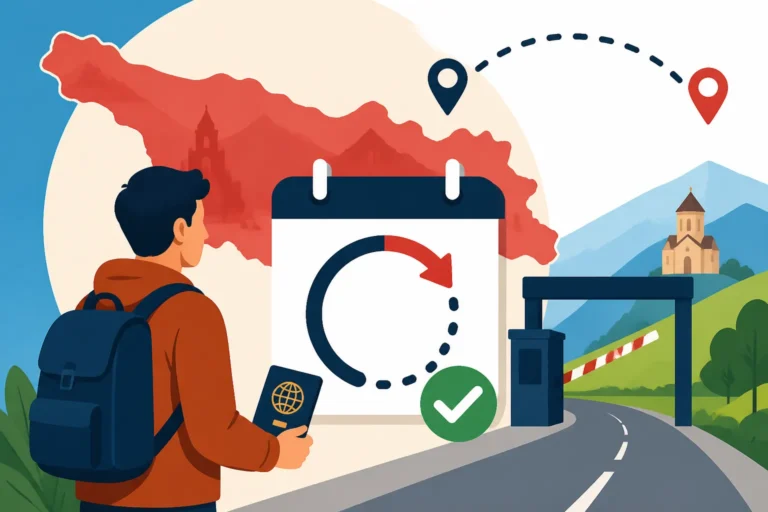
The critical thing to understand is that your card will expire. And unlike a subscription you can renew with a click, renewing a residence permit requires proactive planning. The Public Service Development Agency (PSDA), the folks who handle all things immigration, generally stipulates that you should apply for renewal at least 30 days before your current card expires, but ideally no earlier than 90 days. I’ve always advised friends to aim for the 45-60 day window. Why? Because bureaucracy, even in a relatively efficient place like Georgia's Public Service Hall, can be unpredictable. You might discover a missing document, or need to get something translated, or simply face longer-than-expected queues. The last thing you want is to be scrambling with only a few days to spare. Missing that deadline is not just inconvenient; it can lead to serious headaches, including potential fines and complications with future applications. So, circle that expiry date on your calendar, set multiple reminders, and start gathering your documents well in advance. Trust me, future you will thank present you for being so organized.
The Residence Permit Card Renewal Process: A Step-by-Step Walkthrough
Renewing your residence permit card in Georgia might feel daunting, especially if you're not fluent in Georgian or if it’s your first time navigating the system solo. But don't fret; it's a process that many expats successfully complete every year. Let's break it down into manageable steps.
When and Where to Initiate Your Renewal
Timing is absolutely everything when it comes to renewing your residence permit. As I mentioned, the official window is typically between 90 and 30 days before your card’s expiration date. Applying too early might see your application rejected, stating it’s not yet time. Applying too late, meaning less than 30 days, can incur additional fees for expedited processing, and if you let it expire completely before applying, you're looking at fines and potentially jeopardizing your status. My advice? Aim for that sweet spot of 60 days out. This gives you a buffer for any unforeseen issues without being overly eager.
The primary location for initiating your renewal is the Public Service Hall (PSH), often referred to by locals as "Justice House" (იუსტიციის სახლი). These modern, multi-service centers are designed to be a one-stop shop for various administrative tasks, and they generally do a decent job. You'll find PSH branches in all major cities like Tbilisi, Batumi, and Kutaisi. The Tbilisi PSH is quite large and can be busy, so consider visiting during off-peak hours if possible (early mornings or mid-afternoons often work best). While some government services are moving online, for residence permit renewals, a physical visit to the PSH is still generally required for document submission and biometric data capture. Don't expect to handle the entire renewal process from your laptop just yet.
Essential Documents for Renewal
This is where the real work begins. Gathering your documents meticulously is crucial. A single missing paper can lead to delays or even rejection, forcing you to start over. So, prepare for this part with extreme prejudice!
Here’s a general checklist, but remember that specific requirements can vary slightly depending on your permit type (work, property, family, etc.) and any changes in legislation:
- Your Current Residence Permit Card: This is obvious, but don't forget it! They need to see the expiring card.
- Valid Passport: Your passport, of course, with at least six months of validity remaining beyond your intended new permit's expiration date.
- Passport-Sized Photographs: Usually, two recent biometric photos (3×4 cm) are required. Make sure they meet standard passport photo specifications (white background, looking straight, no glasses if possible, etc.).
- Proof of Purpose: This is the big one, and it depends entirely on why you have a residence permit in the first place.
- For Work Permits: Your renewed employment contract, a letter from your employer confirming your continued employment and salary, and potentially documentation proving your employer's tax compliance (sometimes requested directly from the employer). Ensure your salary meets the minimum threshold if there is one.
- For Short-Term (Property) Permits: Your updated property deed (extract from the Public Registry) showing continued ownership, and a bank statement proving you still meet the financial threshold (which is typically the equivalent of USD 100,000 in market value for the property, and at least double the minimum subsistence level for a working-age person, roughly 5000 GEL in a bank account per adult applicant).
- For Family Reunification Permits: Marriage certificate (if applicable), birth certificates for children (if applicable), and your sponsor's updated residence permit documents and proof of sufficient income/funds.
- For Individual Entrepreneur/Freelancer Permits: Your registration documents, a recent bank statement, and proof of income/activity that justifies your continued residence. The 1% small business status is a great way for many freelancers to operate legally, but you still need to show genuine activity.
- Proof of Address: A rental agreement or a statement from your landlord confirming your residence. If you own property, the property deed itself can suffice.
- Health Insurance: While not always strictly enforced for renewal, having valid health insurance is highly recommended, and sometimes it can be requested as part of your application. Companies like Cigna Global offer robust international health insurance plans that are well-regarded by expats, ensuring you have comprehensive coverage while living in Georgia. It’s better to be safe than sorry when it comes to your health and administrative requirements.
- Translation and Notarization: Any documents not in Georgian (like your passport) will require certified Georgian translations. This is absolutely non-negotiable. It's often best to get this done by a certified translator in Georgia, as they are familiar with the specific format and legal requirements.
- Application Form: You'll fill this out at the Public Service Hall, or sometimes it can be started online, but usually, they assist you on site.
When you’re preparing this stack of papers, think about not just having the documents, but also about how clearly they prove your continued eligibility. The PSDA officers are looking for clear, unambiguous evidence. For a deeper dive into the overall process of obtaining your first permit, you might want to read our guide on The Expat Guide to Getting a Residence Permit in Georgia (2027).
Navigating the Public Service Hall (PSH) for Renewal
Stepping into the Public Service Hall can be an experience in itself. They are typically modern, spacious, and designed to streamline processes, but they can also be incredibly busy, especially during peak hours.
Here’s what to expect and some tips for making your visit smoother:
- Take a Number: Upon entering, look for the electronic queue system. You'll select the service you need (usually related to "immigration" or "residence permits"), and it will print a ticket with a number. Keep this safe!
- The Wait: Waiting times can vary wildly. In Tbilisi, it's not uncommon to wait anywhere from 30 minutes to over an hour, or even longer, depending on the day and time. Bring a book, fully charged phone, or a patient friend.
- Language Barrier: While some staff at the PSH, especially in major cities, might speak English, it's not guaranteed. Having a Georgian-speaking friend with you, or even hiring a local assistant for an hour, can drastically reduce stress and miscommunication. They can help translate any questions or clarifications needed by the officer.
- The Interview/Submission: When your number is called, you'll go to a designated counter. The officer will review your documents. Be prepared for questions about your continued reasons for residency, your employment, or your finances. This is where having all your documents organized and understandable pays off. They might ask for additional documents if anything is unclear. They will also take your biometric data (fingerprints and a new photo if needed).
- Payment: There are fees associated with the renewal process, and these vary based on the desired processing speed.
- Standard Processing: Typically around 200-250 GEL for a normal turnaround (usually 30 days).
- Expedited Processing: You can often pay extra for faster service, such as 10 days, 5 days, or even 3 days, with fees increasing significantly with speed.
- For the exact figures and to understand the typical costs involved, you might find our guide on Understanding the Cost and Timeline of the Georgia Residence Permit Process very helpful.
Payments are usually made directly at a cashier within the PSH, often after your documents have been reviewed and accepted.
Remember, patience and politeness go a long way. The officers are there to process your request, but they follow strict rules. Any frustration on your part won't speed things up. Once your application is submitted, you'll receive a receipt and instructions on how to track its status online.
Replacing a Lost, Stolen, or Damaged Residence Permit Card
Losing your residence permit card or having it stolen is a nightmare scenario for any expat. It’s not just the hassle; it’s the immediate feeling of insecurity and panic. But take a deep breath; it's a solvable problem, although it requires swift action.
Immediate Steps After Loss or Theft
The moment you realize your residence permit card is gone, whether it’s genuinely misplaced, damaged beyond recognition, or snatched by a petty thief, you need to act fast.
- Report to the Police (for Loss or Theft): This is your very first, non-negotiable step if your card has been lost or, especially, stolen. Head to the nearest police station in Georgia and file a report. You'll need to provide details of what happened, where, and when. It’s crucial to get an official police report document (sometimes called a police certificate or statement). This document is absolutely vital for your replacement application. Without it, the PSDA might not even accept your application. Make sure the report clearly states that your residence permit card was lost or stolen.
- Gather Identification: While the police report is being processed, make sure you have your passport and any other valid forms of ID on hand. Your passport will be your primary identification until you get a new residence permit card.
- Contact the Public Service Hall (PSH) or PSDA: As soon as you have your police report (if applicable), it’s wise to contact the Public Service Hall or the Public Service Development Agency directly. While you'll ultimately need to visit in person, getting initial advice on any immediate steps or specific documents required for your situation can save time.
- Review Your Original Application: If you have copies of your original residence permit application documents, dig them out. They can be incredibly helpful in preparing your replacement application, as you'll essentially be proving your eligibility to reside in Georgia all over again.
The urgency here cannot be overstated. Without your permit card, proving your legal residency for daily tasks, let alone travel, becomes incredibly difficult.
Documents and Application for Replacement
Replacing a lost or stolen card requires a slightly different set of documents than a renewal, primarily focused on proving the loss and confirming your existing residency status.
Here’s what you’ll likely need:
- Police Report: As mentioned, this is paramount if your card was lost or stolen.
- Your Valid Passport: This will confirm your identity and nationality.
- Passport-Sized Photographs: Again, two recent biometric photos (3×4 cm).
- Original Residence Permit Application Documents: While not always a strict requirement, having copies of the documents that were used for your initial residence permit application (e.g., employment contract, property deed, bank statements) can greatly expedite the process. They confirm the grounds on which your permit was granted.
- Proof of Address: A rental agreement or property deed to confirm your current residence in Georgia.
- Proof of Payment for Fees: There will be a fee for replacing the card, which can also be expedited. The fees are similar to renewal, varying based on processing speed.
- Application Form: You'll fill this out at the PSH, stating the reason for replacement (lost, stolen, or damaged).
The application for replacement is also submitted at the Public Service Hall. The process will involve presenting your documents, having an officer verify your information, and potentially taking new biometric data if your previous ones are outdated or corrupted. They will cross-reference your details with their existing records to confirm your valid residency status. This is why having documentation that clearly proves your existing residency status is so important.
The Temporary Document and Travel Considerations
One of the biggest concerns for expats who've lost their residence permit card is the ability to travel. Georgia doesn't typically issue a specific "temporary residence permit" document that functions as a travel document while your new card is being processed. This is a critical point that can cause significant anxiety.
- Your Passport is Key: For international travel, your passport is your primary travel document. However, re-entering Georgia without a valid residence permit card and if your visa-free stay period has expired (or you're from a country that requires a visa) can be problematic.
- Consult the PSDA: If you absolutely must travel while your replacement card is being processed, you must consult with the Public Service Development Agency or the PSH officers during your application. They can advise on whether they can issue a special certificate or a letter confirming your application is underway. This isn't a guaranteed solution and often depends on individual circumstances and the discretion of the officials.
- Potential for a Certificate: In some cases, for urgent travel, the PSDA might be able to issue a temporary certificate confirming your residence status and that a new card is being processed. However, this is not a universal right and depends on their policy at the time. This certificate is usually a paper document and does not replace your physical card for identification purposes within Georgia.
- Border Re-entry: The biggest hurdle is often re-entry. Without a physical card, you might face delays or scrutiny at the border. If your visa-free period has long passed, and you only have a replacement application pending, there’s a risk of being denied re-entry, or at least facing significant questioning. It is almost always advisable to wait for your new card before attempting international travel.
Given the complexities, if you're planning an international move to Georgia and need advice on logistics, companies like Sirelo can offer valuable resources on international shipping and relocation, helping you avoid travel issues with documentation.
Common Pitfalls and How to Avoid Them
Even with the best intentions, the process of renewing or replacing your residence permit can throw unexpected curveballs. Having been through the Georgian administrative maze myself, and seen countless others navigate it, I can tell you that a little foresight goes a long way.
Missing Deadlines and Overstaying Your Welcome
This is, without a doubt, the most common and often the most costly mistake an expat can make. Forgetting your renewal date or simply procrastinating until it’s too late can lead to serious consequences.
- The Dreaded Overstay Fine: If your residence permit expires and you haven't submitted a renewal application (or it was rejected and you didn't leave or appeal), you will be considered an "overstayer." Georgia imposes fines for overstaying. Currently, the fine for the first three months of overstay is 180 GEL. If you overstay for more than three months, it jumps to 360 GEL. These fines must be paid before you can leave the country or apply for a new permit. This might seem manageable, but the real issue isn't just the money.
- Impact on Future Applications: An overstay can severely impact any future immigration applications, including subsequent residence permits or even permanent residency. The authorities look for a clean immigration record. An overstay flags you as someone who didn’t comply with Georgian law, making your case for continued residency much harder. I've known individuals whose perfectly legitimate future applications were scrutinized much more heavily, or even rejected outright, because of a past overstay.
- Difficulty Leaving the Country: You cannot leave Georgia with an expired residence permit and unpaid fines. You'll be stopped at the border and required to visit the Public Service Hall to settle the fines before being allowed to depart. This is an unnecessary stress and delay, especially if you have an international flight to catch.
How to avoid it: Mark your calendar, set phone reminders, email alerts – whatever it takes. Start preparing your documents 3-4 months before the expiry date, and aim to submit your application at least 60 days in advance. Don't underestimate the time it takes to gather documents, translations, and make a PSH visit.
Document Woes: Missing, Incorrect, or Untranslated
Another frequent source of frustration is the seemingly small detail of document preparation. The PSDA officers are meticulous, and if something isn't exactly right, your application can be delayed or rejected.
- The "Small" Error Rejection: There are many cases where an application was put on hold because a translation was missing a stamp, a photo wasn't the correct size, or a bank statement didn't clearly show the minimum required balance. Sometimes, the officer might point out a minor error, giving you a chance to rectify it, but other times, it could lead to an outright rejection.
- The Importance of Certified Translations: Don't just get a friend to translate your documents. Any non-Georgian documents (like your passport details or marriage certificate) must be translated by a certified translator in Georgia and notarized. The PSH often has lists of approved translators, or you can find reputable ones in Tbilisi or other major cities. This process ensures the legal validity of your foreign documents within Georgia. For specific information on translation requirements, check out Understanding Document and Translation Requirements for Georgia Immigration.
- Outdated Information: Ensure all your supporting documents are recent. An old bank statement or an expired employment letter simply won't cut it. Most financial proofs need to be very current (e.g., within the last month).
How to avoid it: Create a checklist well in advance. Cross-reference your documents against the official PSDA requirements (which can be found on their website, though often best confirmed by visiting a PSH info desk). If in doubt, get an official translation. Consider getting a legal consultation if your case is complex or if you’ve had previous rejections. It might seem like an extra cost, but it can save you significant time and stress in the long run.
Understanding Changes in Law or Circumstances
Georgia's immigration laws, while generally stable, can see adjustments. What was acceptable for your first permit might have subtle changes for renewal. Furthermore, changes in your personal life can impact your permit.
- Legislation Updates: Stay informed. The Public Service Development Agency website is the official source, but expat forums and reliable expat legal services in Georgia often highlight upcoming changes.
- Changes in Your Situation:
- New Job: If you changed jobs since your last permit, ensure your new employment contract and employer's details meet the requirements.
- Property Sale: If your permit was based on property ownership and you’ve sold that property, you need to either acquire a new qualifying property or apply for a different type of permit.
- Marital Status/Dependents: If you married a Georgian citizen, or had a child, or got divorced, these significant life events will impact your permit type or the ability to add dependents. Our guide on How to Add Dependents to Your Health Insurance in Georgia also touches on family status changes, which often parallel immigration status.
- Financial Changes: Ensure you consistently meet financial thresholds. If your income has significantly dropped, or your bank balance is lower than required, it could be an issue.
How to avoid it: Don't assume. If your circumstances have changed dramatically, or if you've heard whispers of new laws, do your research or seek professional advice. It’s always better to proactively address potential issues than to have them surface during your application. When applying for your initial permit, or renewing one, it's also worth clarifying How Your Residence Status Affects Health Coverage in Georgia.
What Happens After Application Submission
You've submitted your application, paid your fees, and left the Public Service Hall with a receipt and a sense of hopeful relief. Now comes the waiting game, which for many, is another period of anxiety. But don't worry, there's a process to follow.
Tracking Your Application Status
One of the modern conveniences introduced by the Public Service Hall system is the ability to track your application online. This helps alleviate some of the "unknown" factors that used to plague bureaucratic processes.
- The Online Portal: When you submit your application at the PSH, you’ll receive a receipt. This receipt will usually contain a unique tracking number. You can then visit the official Public Service Development Agency website (often psda.gov.ge or similar) and enter this number into their online portal.
- Status Updates: The portal will show you the current status of your application. Common statuses include "Application Submitted," "Under Review," "Awaiting Decision," "Decision Made," or "Ready for Collection." While the updates aren't always real-time, they do provide a general idea of where your application stands in the queue.
- Expectation Management: Don't expect daily updates. The system might only change status at key milestones. If you chose standard processing (30 days), be prepared to wait for the full period, or close to it, before seeing a final decision. Faster processing options, of course, mean a quicker turnaround on the decision.
- Communication from the Agency: Sometimes, if there are minor issues or if they require additional clarification, the agency might try to contact you via the phone number or email you provided on your application. However, this is not a guarantee, and it's always best practice to regularly check the online portal yourself. There are cases where expats only found out about a missing document by checking the portal, giving them a chance to rectify it quickly.
If you don’t hear anything or see any updates for a prolonged period beyond the expected processing time, it’s advisable to visit the PSH with your receipt and inquire in person.
Collecting Your New Card
The most anticipated part of the process! Once your application status shows "Ready for Collection" or "Decision Made," it's time to pick up your new residence permit card.
- Notification Process: You may or may not receive an SMS or email notification that your card is ready. It's much more reliable to simply keep checking the online tracking portal. When it states "Ready for Collection," you can head to the PSH.
- Required Documents for Collection: When you go to collect your card, you'll need:
- Your original passport.
- The receipt you received when you submitted your application.
- Sometimes, your old (expiring) residence permit card (if it's a renewal).
- They will confirm your identity, take your fingerprints again to verify, and then issue you your shiny new card.
- Final Checks on the New Card: Before you walk away from the counter, take a moment to thoroughly inspect your new residence permit card. Check every detail:
- Is your name spelled correctly?
- Is your date of birth accurate?
- Is your personal number (ID number) correct?
- Does the photo match you?
- Crucially, is the validity period correct and what you expected? Does it accurately reflect the type of permit you applied for?
Finding an error later can be another bureaucratic headache, requiring another visit and potentially another application to correct the mistake. Catching it right there at the counter makes correction much easier. Once you confirm everything is perfect, breathe a sigh of relief – you're officially good to go for another period!
Planning Your Future in Georgia
Renewing your residence permit is often just one milestone in your longer expat journey in Georgia. Whether you envision a few more years here or dream of making it your permanent home, thinking ahead is always smart.
From Temporary to Permanent Residency
For many expats, especially those who have settled down, established businesses, or started families, the idea of permanent residency becomes an attractive next step. Georgia does offer a path to permanent residency, which grants you the right to reside in the country indefinitely.
- Maintaining Status: A crucial prerequisite for applying for permanent residency is maintaining a continuous, legal temporary residence status for a specific period, usually six years. This means consistently renewing your temporary permits on time and avoiding any overstays or administrative issues. Each renewal brings you closer to that long-term goal.
- Understanding the Requirements: Permanent residency has its own set of eligibility criteria, which typically include demonstrating a strong connection to Georgia, sufficient financial means, and a clean criminal record. It's a significant step, and you can delve into the full details in our comprehensive guide on How to Apply for Permanent Residency in Georgia. Successfully navigating your temporary permit renewals is a foundational part of this journey.
Considering Moving or Leaving Georgia
Life as an expat can be fluid, and sometimes, circumstances change, leading you to consider moving on from Georgia. If that’s the case, there are a few things to keep in mind regarding your residence permit.
- Informing the Authorities: While there isn't always a formal process for "cancelling" your residence permit when you leave permanently, it's generally good practice to ensure your records are clear. If you leave the country permanently, your residence permit will eventually expire, and since you're not in Georgia, it won't be renewed.
- Tax Clearance: A more critical consideration when leaving Georgia is ensuring you are tax compliant. Georgia operates a territorial tax system, meaning you are generally only taxed on Georgian-sourced income. However, closing out your tax obligations is essential to avoid any future issues. This often involves filing your final tax returns and obtaining Tax Clearance Before Leaving Georgia. This step is vital if you've been registered as an Individual Entrepreneur or have other tax obligations.
- Logistics of Moving: If you're planning a full international move, the logistics can be overwhelming. Services like Sirelo can be invaluable resources, connecting you with reputable international moving companies that handle everything from packing and shipping your belongings to navigating customs regulations, ensuring a smooth transition wherever your next adventure takes you. Thinking about your exit strategy, even years in advance, can save you a lot of last-minute stress.
No matter your plans, keeping your legal status in Georgia clear and current is always the best approach. It ensures a smooth experience while you're here and leaves no loose ends should you decide to move on.
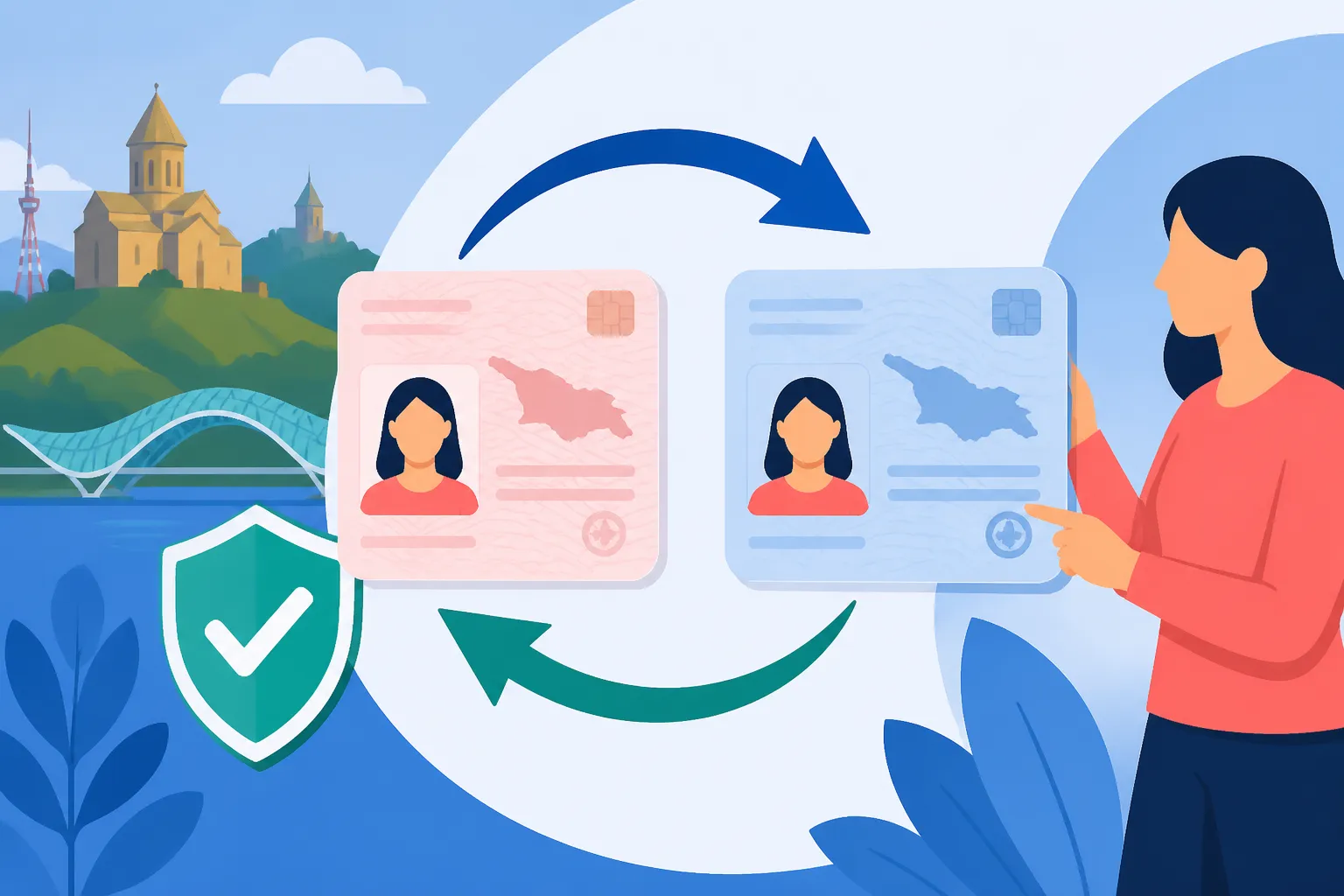
Here's a quick comparison of the renewal and replacement processes:
| Feature | Residence Permit Renewal | Residence Permit Replacement (Lost/Stolen/Damaged) |
|---|---|---|
| Primary Reason | Existing card nearing expiry | Card is missing, stolen, or unusable |
| Application Window | 90-30 days before expiry (recommended 60 days) | Immediately upon discovery of loss/theft/damage |
| Key Document for Basis | Proof of continued eligibility (e.g., new job contract) | Police report (for loss/theft), affidavit (damage) |
| Urgency | High, to avoid fines for overstaying | Immediate, for security & legal standing |
| Main Location | Public Service Hall (PSH) | Public Service Hall (PSH) |
| Typical Documents | Passport, current RP card, photos, proof of purpose, proof of address, insurance (optional) | Passport, photos, police report, proof of original RP application |
| Fees | Standard processing (30 days), expedited options | Standard processing (30 days), expedited options |
| Travel During Process | Generally safe if renewal submitted on time | Risky; advise against international travel without new card |
| Fines | For late submission/expired permit | None for the replacement itself, but applies if permit was expired before loss |
Disclaimer
The information provided in this guide is intended for general informational purposes only and does not constitute legal advice. While we strive to keep the information accurate and up-to-date, immigration laws and procedures in Georgia can change without prior notice. It is always recommended to consult with the official Public Service Development Agency of Georgia, the Ministry of Foreign Affairs, or a qualified immigration lawyer in Georgia for the most current and specific advice regarding your individual circumstances. We cannot be held responsible for any outcomes resulting from the use of this information.