Working in Georgia’s Tech, Tourism and Freelance Sectors: The Expat Guide (2027)
The dream of moving to Georgia often starts with visions of stunning landscapes, delicious food, and a vibrant cultural tapestry. But once the initial honeymoon phase wears off, the practical reality of making a living sets in for many expats. Finding meaningful work, especially in non-traditional fields, can feel like navigating a maze. This guide is here to cut through the confusion, offering a deep dive into the real opportunities within Georgia's dynamic tech, tourism, and freelance sectors, helping you carve out a sustainable and fulfilling life here.
Understanding Georgia's Evolving Job Market for Expats
When you first arrive in Georgia, particularly in Tbilisi, you're immediately struck by the energy. There's a palpable sense of growth, a buzz of new businesses and opportunities emerging. But beneath the surface, the job market for expats can be quite unique, often diverging significantly from what you might be used to back home. It's not always about traditional corporate structures or easily accessible English-speaking roles; instead, it often thrives on niche skills, entrepreneurial spirit, and a willingness to adapt.
The Lure of Georgia for Foreign Workers
Let's be honest, Georgia offers a quality of life that's hard to beat for its cost. Low taxes, affordable living, breathtaking nature, and a welcoming culture – these are all huge draws. Many foreigners arrive initially on a tourist visa, fall in love with the place, and then start scrambling to figure out how to stay long-term. This often leads them to explore avenues beyond what a local might consider a typical career path. The allure isn't just about financial savings; it's about the freedom, the sense of possibility, and the chance to build something new in a country that embraces change. However, this also means the job market is heavily influenced by international trends and the influx of foreign capital, creating specific demands and niches for those with global skills.
The Georgian government has actively worked to make the country attractive for international business and digital nomads, contributing to a more open, albeit competitive, environment for foreign workers. This strategy has successfully fostered sectors where international talent is genuinely valued, moving beyond simple tourism and into more complex service industries. It’s a dynamic environment, constantly shifting, which can be both exciting and, at times, a bit disorienting.
Key Industries Attracting International Talent
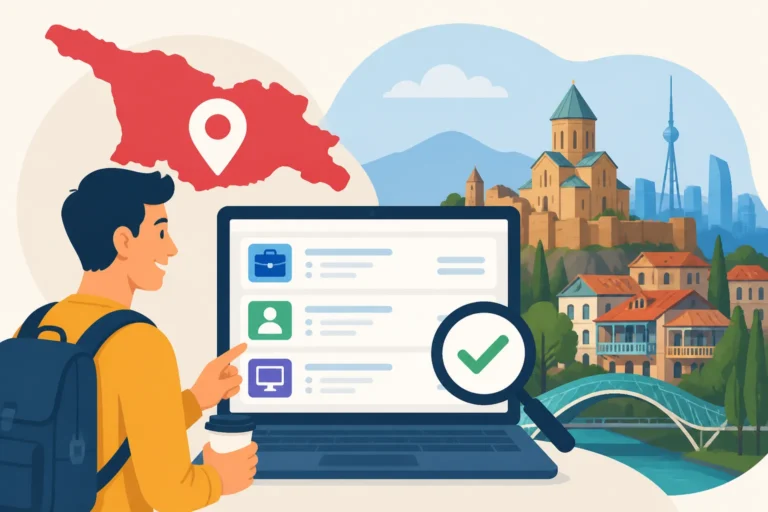
While Georgia is famed for its wine and hospitality, the expat job landscape is far broader. The tech sector, for instance, has seen explosive growth in recent years, with Tbilisi positioning itself as a burgeoning IT hub in the Caucasus region. This isn't just about coding; it encompasses everything from software development and cybersecurity to UI/UX design and digital marketing. Then, of course, there's tourism, which remains a cornerstone of the economy, always in need of multilingual staff, tour guides, and hospitality professionals, especially those who understand diverse international clientele. Beyond these, the freelance economy is booming, fueled by Georgia's incredibly attractive tax regime for small businesses, making it a haven for digital nomads, consultants, and independent contractors. Other emerging areas include education, particularly English language instruction, and various consulting roles as more international businesses establish a presence here.
The key is to understand where your skills align with these growth areas. It's less about trying to fit into a pre-existing Georgian corporate structure and more about identifying where your international experience and specific expertise can add unique value. For those wondering how to find a job in Georgia as a foreigner, exploring these booming sectors is often the most direct route.
Realistic Expectations for the Job Search
Let's get real for a moment: finding a job in Georgia, especially one that pays a 'Western' salary, isn't always a walk in the park. While opportunities exist, competition can be stiff, and salary expectations might need to be adjusted, particularly outside of senior tech roles or highly specialized positions. Many expats start by taking on freelance work or lower-paying local jobs to get their foot in the door, often supplementing their income with remote work for international clients. The local hiring process can also be less structured than what you might be accustomed to, sometimes relying heavily on personal connections and referrals. Patience is definitely a virtue here.
It's crucial to manage your expectations regarding your initial income and career trajectory. While the cost of living in Georgia is relatively low, especially compared to Western Europe or North America, salaries often reflect this. Be prepared for a different pace and perhaps a less formal interview process. However, for those who are adaptable and proactive, the rewards in terms of lifestyle and professional growth can be significant. It's a place where you can often build a career that truly aligns with your personal values, even if it means taking a less conventional path.
Diving into Georgia's Tech Sector for Expats
If you're tech-savvy, Georgia, and particularly its capital, Tbilisi, might just surprise you. What was once a quiet outpost is rapidly transforming into a dynamic hub for innovation, attracting talent and investment from across the globe. This isn't just hype; there's real growth happening on the ground, creating exciting prospects for expats.
The Rise of Tbilisi as a Regional Tech Hub
Tbilisi has consciously cultivated an environment conducive to tech growth. With a pro-business government, low taxes, and a growing pool of local talent, it's become an attractive location for startups, IT service providers, and even larger tech companies looking to establish a regional presence. The city boasts co-working spaces, tech accelerators, and a surprisingly active meetup scene. Events like the Georgia Tech Summit, while smaller than their Western counterparts, signal a clear ambition. This ecosystem thrives on collaboration and a certain frontier spirit, making it an exciting place for those who enjoy being part of something emergent. Companies are often looking for individuals who can bring international best practices and a global mindset to their teams.
The government's proactive approach to digital transformation, alongside a generally youthful and educated population, has laid a solid foundation for this expansion. It's not just about attracting foreign companies; there's a strong push for local innovation too, leading to a vibrant mix of home-grown and international enterprises. This creates a diverse range of opportunities, from established firms to exciting new ventures, all contributing to the city's reputation as a growing tech hotspot.
In-Demand Tech Roles and Companies
So, what kind of tech roles are in demand? Think along the lines of software developers (front-end, back-end, full-stack, with languages like Python, JavaScript, Java, C# often sought after), DevOps engineers, cybersecurity specialists, data analysts, and product managers. Beyond direct coding, there's a strong need for UI/UX designers, digital marketing experts, and technical support specialists who can handle international clients. Major players like Bank of Georgia and TBC Bank have significant internal IT departments, constantly innovating and often hiring internationally. Beyond the banks, you'll find a range of smaller tech firms, outsourcing companies, and innovative startups, many of which cater to international markets. These companies frequently seek English-speaking professionals to bridge the gap with their global clientele and partners.
Finding these roles often means looking beyond traditional job boards. Networking at tech meetups, joining expat tech groups on social media, and directly reaching out to companies are often more effective strategies. Many companies, especially startups, prefer to hire based on demonstrable skills and a good cultural fit rather than just a polished CV.
Navigating the Tech Job Application Process
Applying for tech jobs in Georgia requires a slightly different approach. While a solid CV is essential, demonstrating your portfolio, coding skills, and problem-solving abilities often carries more weight. Be prepared for technical interviews that might involve live coding challenges or in-depth discussions about past projects. Because English is often the working language in these tech environments, fluency is typically a given. Moreover, showing genuine interest in Georgia and the local tech scene can set you apart. Many companies are small to medium-sized, meaning your application might be reviewed directly by the hiring manager or even the CEO, so a personalized approach is always a good idea.
It's also worth researching how to adapt your CV for the Georgian job market. While technical skills are universal, the presentation and emphasis might differ slightly. Don't be shy about highlighting any international experience or projects you've worked on, as this is highly valued. And remember, the tech scene here, while growing, still operates somewhat on personal connections, so actively participating in online communities and local events can open doors you didn't even know existed.
Opportunities in Georgia's Growing Tourism Sector
Georgia's spectacular mountains, Black Sea coast, ancient cities, and legendary hospitality make tourism an undeniable economic powerhouse. For expats, this sector offers a range of opportunities, particularly for those with a flair for languages and a passion for people. It's a field where your international background can truly be an asset.
From Hospitality to Adventure Tourism: What's Available
The tourism sector in Georgia is incredibly diverse. On one end, you have the traditional hospitality roles in hotels, guesthouses, and restaurants, especially in major cities like Tbilisi, Batumi, and Kutaisi, as well as popular mountain resorts like Gudauri and Svaneti. These often require strong customer service skills and, crucially, multilingual abilities. English is a must, and proficiency in Russian, German, or other European languages can be a significant advantage, especially when dealing with tour groups. Beyond this, there's a burgeoning adventure tourism market, creating demand for hiking guides, ski instructors, rafting experts, and outdoor activity coordinators. Then there are roles in travel agencies, destination management companies (DMCs), and even cultural tourism, where knowledge of Georgian history and folklore, coupled with storytelling skills, can make you invaluable.
Many smaller, boutique operations, especially in wine regions or remote areas, are often run by or cater to expats, making them more accessible entry points. The seasonal nature of some of these jobs means flexibility is key, but it can also offer a great way to explore different parts of the country while earning an income.
Language Skills and Cultural Nuances in Tourism Roles
In the tourism sector, language is king. While English is widely spoken in major tourist areas, knowing a bit of Georgian, even just conversational phrases, goes a long way. It shows respect and genuine interest, which is deeply appreciated by locals. For jobs directly interacting with international visitors, fluency in at least one other major tourist language (like Russian, German, French, or even Chinese) will significantly boost your employability. You might consider using a platform like iTalki to brush up on Georgian or other languages before or after you arrive, as this investment really pays off in the long run. Employers are often looking for individuals who can not only communicate effectively but also understand and bridge cultural differences, making the experience seamless for tourists.
Beyond language, an understanding of Georgian customs and traditions is highly beneficial. Knowing when to toast, how to share food, and respecting local hospitality norms can transform a good service interaction into an exceptional one. Expats who thrive in this sector are often those who genuinely immerse themselves in the local culture and can translate that appreciation to visitors.
Finding Seasonal vs. Long-Term Tourism Work
The tourism sector is highly seasonal. Summer brings a surge of visitors to the Black Sea coast and trekking routes, while winter sees ski resorts buzzing. This means many roles are temporary, offering short-term contracts. While this can be a fantastic way to experience different parts of Georgia and build a network, it might not provide the long-term stability some expats seek. However, for those looking for longer commitments, larger hotels, international tour operators, or management positions in established DMCs often offer more stable employment. Sometimes, starting with seasonal work can lead to a full-time role if you prove yourself invaluable.
It’s important to clarify the nature of the contract when applying. If you’re aiming for a long-term future in Georgia, look for companies that invest in their staff year-round or offer benefits that extend beyond the peak season. Many expats combine seasonal tourism work with freelance activities during the off-season to ensure a steady income, making the most of Georgia's flexible work environment.
Embracing the Freelance Lifestyle in Georgia
For many expats, freelancing isn't just a side hustle; it's the main event, and Georgia has truly become a magnet for digital nomads and independent professionals. The country's unique tax policies and growing infrastructure make it an incredibly attractive base for self-starters.
The Appeal of Small Business Status (1% Tax) for Freelancers
This is perhaps Georgia's biggest secret weapon for freelancers: the Individual Entrepreneur (IE) status, which allows you to pay just 1% tax on your turnover, provided your annual income doesn't exceed 500,000 GEL (roughly $180,000 USD, though this can change with exchange rates). There are specific activities that don't qualify, mainly certain consulting, financial, and legal services, so it's essential to check the official list. But for the vast majority of digital services, online teaching, marketing, web development, and creative work, it’s a game-changer. This incredibly low tax rate, combined with a relatively low cost of living, means you can keep more of your earnings and enjoy a higher quality of life. Registering as an Individual Entrepreneur in Georgia is a relatively straightforward process, often done at a Public Service Hall, and can be completed in a single day.
This simplified tax regime dramatically reduces the administrative burden and financial pressure often associated with self-employment elsewhere. It frees up time and resources, allowing you to focus on your work and lifestyle rather than being bogged down by complex accounting. Many expats who had never considered freelancing seriously before moving to Georgia find themselves embracing this model due to the undeniable financial advantages. This is a topic thoroughly covered in resources like The Complete Guide to Taxes in Georgia for Expats (2026), which outlines how Georgia's tax system works.
Popular Freelance Niches and Platforms
The freelance landscape in Georgia mirrors global trends but with a local twist. Popular niches include web development, graphic design, content writing, translation, digital marketing, social media management, virtual assistance, and online teaching. Many expats continue to work for international clients, often finding them through platforms like Upwork, Fiverr, or specific industry job boards. Others leverage their skills to serve the growing local market, assisting Georgian businesses looking to expand their online presence or attract international customers. For those with specialized expertise, consulting for startups or even larger companies can be quite lucrative. The key is to identify your unique skills and market them effectively.
The beauty of freelancing here is that your office can be anywhere – a cozy café in Old Tbilisi, a balcony overlooking the Mtkvari River, or a quiet mountain retreat. The robust internet infrastructure, even outside the capital, makes this flexibility truly achievable.
Legalities and Setting Up as an Individual Entrepreneur
Becoming a legal freelancer in Georgia means registering as an Individual Entrepreneur. This is done at any Public Service Hall (PSH) – affectionately known as the "Justice House" by many expats. You'll need your passport, a Georgian address (even a temporary rental agreement can often suffice), and to specify your primary business activities. It's usually a quick process, and you'll walk out with your registration certificate and taxpayer identification number (TIN) on the same day. After registration, you'll need to open a bank account, preferably one that can handle international transfers, and familiarize yourself with the online portal of the Georgian Revenue Service. While the 1% tax is straightforward, understanding the rules and timely filing of your monthly income declarations is crucial to stay compliant.
It’s often advisable to consult with a local accountant or a legal expert familiar with expat affairs to ensure you tick all the boxes. They can help you navigate the nuances, especially when it comes to understanding which activities qualify for the 1% tax and ensuring you are compliant with all reporting requirements. This is where services that specialize in Taxes for Expats in Georgia can be incredibly helpful, ensuring you correctly understand and benefit from the Small Business Status and 1% Tax in Georgia.
Essential Skills and Networking for Success
Regardless of whether you're aiming for a tech job, a role in tourism, or embracing the freelance life, certain skills and a proactive approach to networking are absolutely vital for thriving in Georgia's job market.
The Importance of English and Georgian Language Skills
English is undeniably the lingua franca in Georgia's expat-friendly sectors. Most international companies, tech firms, and tourist-facing businesses operate in English. For freelancers, English is the primary language for securing and performing work for international clients. However, underestimating the value of learning Georgian would be a mistake. While not always strictly necessary for a job, even basic conversational Georgian can open doors, foster deeper connections, and significantly enhance your daily life. It shows respect, initiative, and a commitment to integrating, which employers and clients alike appreciate. Think of it as a competitive edge. It helps you navigate local services, build rapport, and truly understand the cultural context, which is invaluable for any professional operating in the country. Many expats find great benefit in using language learning apps or tutors from services like iTalki to get a solid grounding in Georgian.
For those in tourism, multilingualism is often a direct job requirement, with Russian being particularly useful given the large number of visitors from post-Soviet countries. However, as Georgia diversifies its tourism markets, German, French, Arabic, and even Chinese language skills are becoming increasingly valuable.
Building Your Network: Online and Offline
In Georgia, as in many places, it's often not just what you know, but who you know. Networking is paramount. Online, join expat groups on Facebook and Telegram; these are goldmines for job postings, recommendations, and advice. LinkedIn is also growing in importance, particularly for tech and professional services. Offline, attend industry meetups, co-working space events, and any cultural gatherings you can find. These informal settings are often where genuine connections are made, leading to opportunities that might never be advertised. Don't be afraid to introduce yourself, share your experiences, and simply be open to conversations. Georgians are generally very hospitable, and you'll often find people eager to help or connect you with someone in their network.
Building a strong network also means engaging with the local community, not just the expat bubble. Attend local festivals, try out new restaurants, and explore the regions. The more you immerse yourself, the more organic connections you'll make, which can often lead to unexpected professional avenues. Remember that for many jobs in Georgia, a personal recommendation can often bypass many formal application hurdles.
Adapting Your CV and Interview Approach
Your CV and interview style might need a slight tweak for the Georgian context. While clarity and professionalism are universal, some local employers might prefer a more concise CV, and a photo is often included. Highlight transferable skills, your international experience, and any evidence of adaptability or initiative. When it comes to interviews, punctuality is key, but don't be surprised if the interview itself is more conversational and less structured than what you're used to. Be prepared to talk about your motivations for moving to Georgia and your long-term plans. Enthusiasm and a positive attitude towards integrating into Georgian society can make a significant impression. For some industries, especially in tourism, a trial period or a practical demonstration of skills might be part of the hiring process.
If you're applying for an English-speaking role, ensure your CV and cover letter are impeccable. For roles requiring Georgian, even basic proficiency should be mentioned. It's often beneficial to have a local expat or a trusted Georgian friend review your application documents to catch any cultural nuances you might have missed. Resources on how to adapt your CV for the Georgian job market can provide more specific guidance.
Navigating the Bureaucracy: Permits and Taxes
Alright, let's talk about the less glamorous but absolutely critical side of working in Georgia: the paperwork. While Georgia is generally expat-friendly, navigating the legalities around work permits, residence, and taxes requires careful attention. Ignoring these steps can lead to headaches and even jeopardize your ability to stay.
Understanding Work Residence Permits and Visa Status
For many nationalities, Georgia offers a generous 365-day visa-free stay. This is fantastic for tourists and those testing the waters, but it doesn't automatically grant you the right to work. If you plan to work for a Georgian company or establish yourself as an Individual Entrepreneur and intend to reside long-term, you'll almost certainly need a work residence permit. There are various types of residence permits, including employment permits, investment permits, and those based on self-employment. The specific requirements depend on your situation, but generally involve proving a certain level of income, a local address, and good standing. Understanding how a work residence permit and employment work together in Georgia is crucial for legal employment. It's a key step towards officially establishing your life and career here.
The application process typically involves the Public Service Hall (PSH) and submitting a range of documents, which often need to be translated into Georgian and notarized. Processing times can vary, so it's wise to start this process well in advance of your current visa-free period expiring. Many expats find it helpful to consult with legal professionals specializing in Georgian immigration law to ensure a smooth application.
The Lowdown on Income Tax for Freelancers and Employees
Georgia's tax system is one of its biggest draws for expats, particularly for freelancers. As mentioned, the 1% Small Business Status for Individual Entrepreneurs is incredibly attractive, provided your activity qualifies and you stay within the turnover threshold. For employees working for Georgian companies, the personal income tax rate is a flat 20%. This is applied to your gross salary, with employers usually handling the deductions directly, similar to a PAYE (Pay As You Earn) system. What's even more enticing for many expats is Georgia's territorial tax system. This means that if you are considered a tax resident of Georgia (typically by spending 183 days or more in any continuous 12-month period in the country) and your income is sourced outside of Georgia, it is generally not subject to Georgian income tax. This is a huge benefit for digital nomads working remotely for foreign companies.
However, the distinction between Georgian-sourced and foreign-sourced income can sometimes be nuanced, so it's vital to get clarity. This is precisely why services like Taxes for Expats are so popular; they help foreigners understand the intricacies and ensure they are compliant. Resources like Understanding Income Tax and the Flat 20% Rate in Georgia (2026) and the complete guide to taxes in Georgia for expats (2026) delve into these topics in much greater detail.
Banking and Financial Management for Foreign Workers
Opening a bank account in Georgia is usually a straightforward process for expats, especially at major banks like TBC Bank or Bank of Georgia. You'll typically need your passport and proof of address. Having a local bank account is essential for receiving payments from Georgian employers or clients, paying taxes, and managing your daily finances. Many expats also open multi-currency accounts, which are very useful for receiving payments in USD or EUR, especially if you're freelancing for international clients. Both TBC and Bank of Georgia offer excellent online banking services and mobile apps, making financial management convenient.
For freelancers, it’s important to keep clear records of your income and expenses for tax purposes. While the 1% tax is simple, proper documentation is always wise. Using an accounting software or a spreadsheet to track everything can save you a lot of hassle down the line. Additionally, understanding how to transfer money into and out of Georgia as an expat is a common concern that these local banks are well-equipped to handle.
Challenges and Rewards of Working in Georgia
Life and work in Georgia, like anywhere, come with their own set of unique challenges and incredibly rewarding experiences. As an expat, you’re not just changing jobs; you’re often changing your entire way of living and looking at the world.
Common Frustrations and How to Overcome Them
Let's face it, living abroad is never entirely without its moments of "Why is this so difficult?" In Georgia, some common frustrations include the occasional bureaucratic hurdle (even with the PSH, sometimes you hit a wall), the language barrier if you haven't embraced Georgian, and a different pace of doing business which might feel slow or less structured to some. Customer service in certain sectors might not always meet Western expectations, and infrastructure outside major cities can be less developed. Sometimes, finding specific niche products or services can be a challenge, requiring adaptability and resourcefulness. The key to overcoming these isn't to fight them, but to embrace a flexible mindset. Patience, a good sense of humor, and leaning on the expat community for advice and support are your best tools.
Many of these frustrations stem from cultural differences rather than malicious intent. What might seem inefficient to you is simply the way things have always been done, or a different priority system. Learning to navigate these nuances is part of the expat journey, and often leads to the most memorable (and sometimes hilarious) stories.
The Expat Community and Support Systems
One of the biggest assets for any expat in Georgia is the incredibly supportive and active expat community. This is especially true in Tbilisi, but also growing in Batumi. Online groups on Facebook and Telegram are vibrant hubs for sharing information, asking questions, and organizing social events. These communities offer everything from job leads and housing advice to recommendations for doctors and social gatherings. They are a lifeline, providing a sense of belonging and practical help when you need it most. Don't be shy about reaching out; almost everyone has been in your shoes at some point.
Beyond online groups, there are various expat-focused meetups, networking events, and social clubs. These provide excellent opportunities to meet like-minded individuals, share experiences, and build a support network that can make all the difference in your transition. This camaraderie is a significant part of what makes living and working in Georgia so appealing to many foreigners.
The Lifestyle Benefits of Working in Georgia
Despite the occasional challenge, the rewards of working in Georgia are immense. The low cost of living allows for a higher quality of life, whether that means more disposable income for travel, dining out, or pursuing hobbies. The country itself is stunningly beautiful, offering easy access to majestic mountains, diverse landscapes, and the Black Sea coast. Weekends can be spent hiking, skiing, exploring ancient monasteries, or simply enjoying the vibrant café culture of Tbilisi. The food and wine scene are world-class, and Georgians are incredibly welcoming and hospitable, often eager to share their culture with foreigners. The sense of freedom and adventure that comes with living in Georgia, coupled with the opportunity to build a unique career path, makes it a truly special place to call home.
For many, Georgia offers a chance to step off the beaten path, redefine success, and live a life that feels more authentic and fulfilling. Whether you're building a tech startup, leading tours through ancient vineyards, or running your freelance empire from a mountain village, Georgia provides a canvas for a truly extraordinary expat experience. If you’re considering moving here, resources like Learning About Living and Working in Georgia: A Complete Guide for Expats will further illuminate what awaits.
| Sector | Pros for Expats | Cons for Expats |
|---|---|---|
| Tech | – Fast-growing industry with demand for English speakers. – International companies and a vibrant startup scene. – Focus on innovation and modern practices. – Good potential for competitive salaries in senior/specialized roles. |
– Competition from local talent (though less so for specific niches). – Salaries might be lower than Western equivalents. – Local corporate culture can differ. – Fewer large corporate structures; more SMEs and startups. |
| Tourism | – High demand for multilingual staff and cultural understanding. – Opportunities in diverse areas (hospitality, adventure, cultural). – Chance to explore the country and interact with varied clientele. – Often a direct path for those without local connections. |
– Highly seasonal work; potential for unstable income. – Lower pay scales for entry-level roles. – Long hours during peak season. – Requires significant people skills and patience with cultural differences. |
| Freelance | – Exceptionally low 1% tax rate (Individual Entrepreneur status). – Freedom and flexibility in work location and hours. – Strong support infrastructure for digital nomads. – Opportunity to work for international clients from Georgia. |
– Requires self-discipline and ability to find your own clients. – Income can be inconsistent, especially initially. – Full responsibility for taxes and administrative tasks (though simplified). – Limited access to local benefits (e.g., state pension). |
Disclaimer
The information provided in this guide is intended for general informational purposes only and does not constitute legal, financial, or immigration advice. While every effort has been made to ensure accuracy as of 2026, laws and regulations in Georgia are subject to change. Expats are strongly advised to consult with qualified legal, tax, and immigration professionals for advice tailored to their specific circumstances before making any decisions related to work, residency, or financial matters in Georgia.