How to Pay Your Utility Bills in Georgia
Alright, let's tackle one of those often-overlooked but absolutely crucial aspects of expat life in Georgia: navigating the labyrinth of utility bills. When you first arrive, it’s not just about finding a place, it’s about figuring out how to keep the lights on, the water running, and the internet flowing without losing your mind. This guide is going to walk you through everything you need to know about setting up and paying your utility bills in Georgia, cutting through the confusion with real-world advice from someone who’s been there.
Understanding Georgia's Utility Landscape
When you first land in Georgia, especially in bustling Tbilisi or charming Batumi, the utility setup can feel a bit… different. It's not a single, unified system like some Western countries, which can sometimes throw newcomers for a loop. But once you get the hang of the key players and how billing generally works, it becomes just another part of your routine here.
The Key Players: Who Provides What?
Unlike some places where a single company might handle several utilities, Georgia tends to have separate providers for each service. This means you’ll be dealing with different entities for your electricity, water, gas, and internet. Don't worry, it's not as complex as it sounds once you know who's who.
For electricity, the main provider in Tbilisi and most urban areas is Telasi. They're the ones responsible for keeping your lights on and your devices charged. If you're living outside of the capital, you might encounter other regional electricity companies, but Telasi is the dominant force. They maintain the grid, read meters, and send out those all-important bills.
When it comes to water, you're likely to be dealing with Georgian Water and Power (GWP) in Tbilisi and its surrounding areas. GWP handles everything from water supply to sewage. Again, in other regions like Batumi or Kutaisi, you might have a local municipal water company, but the system of billing and payment is generally quite similar across the board.
Natural gas for heating and cooking is typically supplied by KazTransGas-Tbilisi (also known as Tbilisi Energy since 2021) in the capital, or regional gas distribution companies elsewhere. Gas is particularly important during the colder months, and you'll quickly become familiar with their branding as you monitor your consumption.
And then there's internet and mobile service, which is a whole other beast. The big names you'll encounter here are Magti, Silknet, and Beeline. These companies compete fiercely for your business, offering various packages for home internet, mobile data, and even TV. Each has its pros and cons, from coverage quality to customer service, so it's worth doing a bit of research before you commit.
The Billing System: What to Expect
Once you're connected, understanding how your bills arrive and what they look like is the next step. Generally, utility bills in Georgia are issued monthly, and they can come in a few different formats.
In many modern apartment buildings, especially in Tbilisi, you might find that electricity, water, and gas bills are consolidated into a single statement. This is often delivered to your mailbox or made available digitally through online portals or banking apps. This consolidated approach can be quite convenient, as it means fewer individual payments to track. However, it's not universal, and some older buildings or individual homes might still receive separate bills for each utility.
Meter readings are usually taken monthly. For electricity and gas, many apartments in Georgia now have smart meters, which means readings are often transmitted automatically. However, in some older buildings or for water meters, a utility representative might still visit your building to take a manual reading. It’s always a good idea to keep an eye on your meter yourself to cross-reference with your bill, just in case there’s a discrepancy.
Beyond your core utilities, it’s important to remember that apartment maintenance fees are almost always separate. These are usually paid directly to your building management or a designated person, covering things like elevator upkeep, common area cleaning, and sometimes even trash collection. Don't confuse these with your actual utility bills; they're distinct charges. We’ll delve deeper into those in a moment.
Setting Up Your Utility Accounts as an Expat
Getting your utilities connected when you first move into a new place can feel like a bureaucratic hurdle, especially if you're fresh off the plane and still grappling with Georgian. But take a deep breath; it's entirely manageable, and with a bit of patience (or a helpful Georgian speaker), you'll be all set.
The Initial Hurdle: Getting Connected
The process for getting electricity, water, and gas connected is fairly similar across the board. The key is usually your rental contract and your identification. You’ll need to officially register yourself as the account holder, which means a trip to the local service center for each utility or, more commonly, your landlord will assist with this initial setup.
For electricity (Telasi), you'll generally need your passport or residence permit and your rental agreement. If you’ve purchased property, then your property ownership documents will suffice. It’s often best if your landlord accompanies you or handles this part, as they can navigate the paperwork and language with ease. They'll submit an application to switch the account into your name. If the previous tenant has cleared their bills, it’s usually a quick process. Remember, knowing How to Set Up Electricity in Your Georgia Home can really save you a headache.
Water (GWP) and gas (KazTransGas-Tbilisi/Tbilisi Energy) follow a very similar pattern. You'll need the same identification and rental/ownership documents. Again, having your landlord assist is invaluable here. They know the specific service centers and the quirks of each company's process. The important thing is to ensure that the accounts are in your name, not just the landlord's, especially if you want to track your consumption accurately and avoid future disputes. It's often useful to understand Understanding Water and Gas Bills in Georgia right from the start.
One common frustration is the language barrier. Most utility company service centers will have some English-speaking staff, especially in Tbilisi, but it's not guaranteed. Having a Georgian friend, a real estate agent (if you used one, and many expats do to find a place – remember, finding a good one can really help with initial setup, a bit like how you'd look for a service like How to Find a Reliable Real Estate Agent in Georgia for property hunting), or even a translation app on your phone can be incredibly helpful for these initial setup visits. Be prepared with copies of all your documents, and don't be shy about asking for clarification.
Internet and Mobile: Staying Connected
Beyond the essentials, getting your internet and mobile phone sorted is usually a top priority for any expat. Thankfully, this process is generally more straightforward and English-friendly than setting up other utilities.
The major players, Magti, Silknet, and Beeline, all have service centers in major cities, often staffed with English-speaking representatives. You'll simply need your passport or residence permit to sign up for a plan. For home internet, they'll usually schedule an installation appointment, and the technician will come and set everything up for you. Packages vary widely based on speed, data limits, and whether you bundle with TV. It's a good idea to compare their offerings, as competition means you can often find good deals. Thinking about How to Set Up Internet and Mobile Service in Georgia early on is wise.
For mobile service, you have the option of prepaid (pay-as-you-go) or postpaid (monthly contract). Many expats start with prepaid to get immediate connectivity, and then transition to a postpaid plan once they're settled and have a local bank account. While getting your local SIM sorted might take a day or two, especially if you're battling language barriers, services like Airalo can be an absolute lifesaver for immediate data needs right off the plane. It’s a great interim solution while you figure out which local provider is best for your long-term internet and mobile service needs, letting you stay connected from day one.
The Various Ways to Pay Your Bills
Once your accounts are set up and the bills start rolling in, you'll quickly discover that Georgia offers a surprising number of convenient ways to pay. While some might seem a bit old-school, others are as modern and efficient as anywhere in the world. Learning the ropes here will save you endless trips and headaches. This is essentially How to Pay Your Utility Bills in Georgia.
Online Payment Portals and Banking Apps
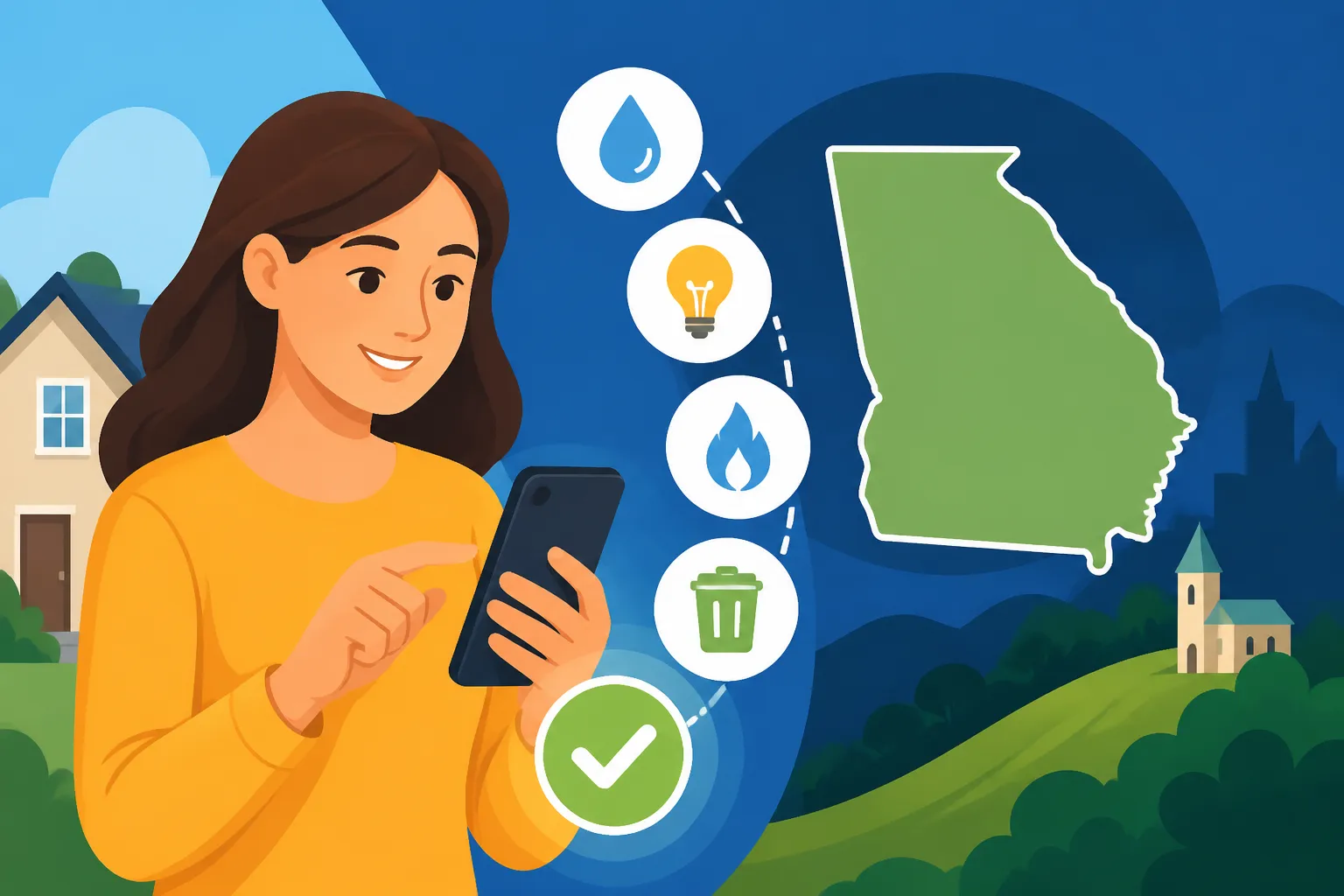
For most expats, and indeed for many locals, online banking apps are the go-to method for paying utility bills. The two dominant banks in Georgia, TBC Bank and Bank of Georgia, both have excellent mobile applications with robust utility payment features. If you've already taken the plunge and opened a local bank account, getting familiar with these apps is a game-changer. Both TBC and Bank of Georgia apps are typically available in English, making the process much smoother for non-Georgian speakers.
The process usually involves logging into your banking app, navigating to the 'Payments' or 'Utilities' section, and then selecting the specific service provider (e.g., Telasi for electricity, GWP for water, Magti for internet). You'll then enter your unique subscriber ID, which is found on your physical bill or in the account details provided when you set up the service. The outstanding amount will usually pop up automatically, and you can confirm the payment with a few taps. It's incredibly efficient, and many people set up reminders or even recurring payments once they're comfortable. Setting up your online banking can be a process in itself, so if you haven't yet, check out How to Set Up Online Banking with a Georgian Bank for a detailed walkthrough.
Payment Terminals (Pay Boxes)
Before the widespread adoption of smartphone banking, and still incredibly popular today, are the ubiquitous payment terminals, often called "Pay Boxes." You'll see these kiosks everywhere: in supermarkets, pharmacies, metro stations, and even standalone on street corners. They're like cash machines but for paying bills. The most common brands are Pay Box, Nova, and Express Pay.
Using a Pay Box is straightforward, though it might require a bit of confidence and sometimes a quick translation if the English option isn't available or clear. You select the utility provider, enter your subscriber ID, and the amount due will appear. You can then insert cash (GEL, naturally) or, increasingly, use your bank card to make the payment. These terminals are a lifesaver if you prefer to pay with cash or if your online banking isn't set up yet. Just be aware that they sometimes don't give change for cash payments, so having exact or close to exact amounts is helpful. Always remember to take your receipt!
Direct at Bank Branches or Service Centers
For those who prefer a more traditional approach, or if you're dealing with a complex issue, paying directly at a bank branch or the utility company's service center is always an option. This allows you to speak to a representative, clarify any billing questions, and make your payment in person.
The main bank branches of TBC Bank and Bank of Georgia will have dedicated counters for utility payments. While it might involve a queue, it offers the peace of mind of speaking to someone directly. Similarly, major utility providers like Telasi and GWP have customer service centers in prominent locations, particularly in Tbilisi. These centers are equipped to handle payments, provide detailed bill breakdowns, and assist with account inquiries. This method is especially useful if you need to resolve a dispute, understand a fluctuating bill, or if you simply feel more comfortable handling financial matters face-to-face.
Common Pitfalls and Troubleshooting for Expats
Even after you've mastered the payment methods, there can still be a few curveballs thrown your way when dealing with utilities in Georgia. Many of these issues boil down to communication and understanding the local administrative nuances.
Deciphering Your Bill: Language and Format
One of the biggest initial hurdles for many expats is simply understanding what their bill says. While some utility companies are improving their English offerings, many bills are still primarily in Georgian. This can lead to anxiety and confusion, especially if there's a higher charge than expected or a seemingly arbitrary fee.
Your bills will typically list your customer ID (აბონენტის კოდი – abonentis kodi), the billing period, your meter reading (მრიცხველის ჩვენება – mristkhvelis chveneba), consumption (მოხმარება – mokhmareba), the rate per unit, and the total amount due (გადასახადი – gadasakhadi). It's also crucial to note the due date (გადახდის ვადა – gadakhdis vada) to avoid late fees.
Here's a small table of common Georgian terms you might see on your utility bills to help you out:
| Georgian Term | Transliteration | English Translation |
|---|---|---|
| აბონენტის კოდი | abonentis kodi | Subscriber/Customer ID |
| მრიცხველის ჩვენება | mristkhvelis chveneba | Meter Reading |
| მოხმარება | mokhmareba | Consumption |
| ტარიფი | taripi | Rate (per unit) |
| გადასახადი | gadasakhadi | Amount Due / Bill |
| გადახდის ვადა | gadakhdis vada | Due Date |
| ელექტროენერგია | elektroenergia | Electricity |
| წყალი | tskali | Water |
| ბუნებრივი აირი | bunebrivi airi | Natural Gas |
| ინტერნეტი | interneti | Internet |
| მომსახურების საფასური | momsakhurebis sapasuri | Service/Maintenance Fee |
Don't hesitate to use a translation app or, better yet, ask a Georgian friend or colleague to help you go over your first few bills. Most Georgians are incredibly kind and willing to help translate. Keeping a copy of your previous bills can also help you track patterns and identify anything unusual.
Late Payments, Disconnections, and Reconnections
This might sound like a scare tactic, but it’s a reality: late payments for utilities in Georgia can lead to disconnections. Utility companies here are quite efficient at chasing up overdue bills, and they won't hesitate to cut off service if payments aren't made by the due date. The good news is that they typically send warnings (sometimes via SMS to your registered phone number if it’s on file) before taking such drastic action.
If your service is disconnected, don't panic, but act quickly. You'll need to pay the outstanding amount, often with an added reconnection fee. The process for getting reconnected usually involves showing proof of payment at the utility company's service center or through their online portal. Depending on the company and how busy they are, reconnection can take anywhere from a few hours to a day or two. It's a hassle you definitely want to avoid, so marking those due dates on your calendar or setting up payment reminders in your banking app is highly recommended. Prompt payment is key to uninterrupted service and peace of mind.
Moving Out: Closing Accounts and Final Bills
When the time comes to move out of your rental property or even leave Georgia entirely, closing your utility accounts properly is just as important as setting them up. This ensures you don't incur charges after you've left and that you get a clear final bill.
The process involves contacting each utility provider individually – Telasi, GWP, KazTransGas/Tbilisi Energy, and your internet provider – to inform them of your departure date. They will typically arrange for a final meter reading on your last day. It's crucial to be present for these readings if possible, or have your landlord confirm them, to avoid any disputes over final consumption. Once the final readings are taken, they will generate a final bill, which you should pay promptly.
Always ask for a confirmation or a document stating that your account has been closed and that there are no outstanding debts. This serves as proof of your due diligence. When you're preparing to pack up and move from Georgia, closing out utility accounts is just one piece of the puzzle. It's often overlooked, but just like you'd use a service like Sirelo to find reliable movers and streamline your relocation, you need to systematically handle these administrative tasks to ensure a smooth transition and avoid any unexpected bills popping up later.
Managing Your Bills and Budgeting
Living in Georgia is generally quite affordable, and utilities are no exception, especially when compared to many Western countries. However, understanding the costs and how to budget for them is essential to maintaining a comfortable lifestyle.
Estimated Costs and Fluctuations
The actual cost of your utility bills in Georgia can vary significantly based on several factors: the size of your apartment, the number of occupants, your consumption habits, and most importantly, the season.
- Electricity: For a typical one or two-bedroom apartment, electricity costs can range from 30-80 GEL per month during warmer seasons when heating/cooling isn't heavily used. In the peak of summer with constant AC or deep winter with electric heaters, this could jump to 100-200+ GEL. Generally, How Much Does Electricity Cost per Month in Georgia? is a common question.
- Water: Water bills are usually quite low, often in the range of 10-30 GEL per month for a small household. GWP bills are based on consumption but are generally not a major budget item.
- Natural Gas: This is where seasonal fluctuations hit hard. In the summer, if you only use gas for cooking, it might be a minimal 5-15 GEL. However, during the cold Georgian winter, if your heating is gas-fired, expect this bill to skyrocket to anywhere from 100 GEL to 300+ GEL, depending on the size of your space and how warm you like to keep it.
- Internet/Mobile: Home internet typically costs 30-60 GEL per month for a decent speed package. Mobile phone plans are highly variable, with prepaid options starting very low and postpaid plans offering more data for 20-50 GEL per month.
For a clearer picture, budgeting for around 150-300 GEL per month for all utilities (excluding building maintenance) is a reasonable starting point for a single person or a couple in a moderate apartment, keeping in mind that winter months will be at the higher end. This helps you get a sense of What Is the Average Utility Bill for an Apartment in Georgia?. For a wider financial overview, you might want to consider The Complete Guide to Cost of Living in Georgia for Expats (2026).
Digital Tools and Reminders
In the age of smartphones, there’s no excuse for missing a payment. Leveraging digital tools can make managing your utility bills effortless.
As mentioned, the mobile banking apps from TBC Bank and Bank of Georgia are incredibly powerful. Beyond just making payments, they often allow you to view your current outstanding bills, check your payment history, and even set up automatic payments for certain services. This means you can see your upcoming Telasi or GWP bill appear in the app before you even get a physical paper statement.
Setting up calendar reminders on your phone or computer is a simple yet effective strategy. A few days before the typical due date, a quick notification can prompt you to check for new bills and make payments. Some utility providers also offer SMS notifications for new bills or impending disconnections, so make sure your correct phone number is on file with them. Utilizing these tools can transform bill paying from a monthly chore into a quick, stress-free task, allowing you to focus on enjoying your expat life.
Specialized Utility Situations
While the general rules apply to most, there are a couple of situations that might throw a wrench in your understanding of Georgian utilities. Knowing these nuances can save you from unexpected costs or confusion.
Shared Building Utilities and Maintenance Fees
Beyond your individual electricity, water, and gas bills, nearly all apartment buildings in Georgia, especially those in larger cities, have what are known as "service fees" or "maintenance fees" (მომსახურების საფასური). These are communal charges that cover the upkeep of shared spaces within the building.
These fees typically fund things like electricity for common areas (hallways, stairwells), elevator maintenance, cleaning services for shared spaces, and sometimes even a small fund for unexpected repairs to the building's infrastructure. The amount can vary greatly depending on the building, from a modest 5-10 GEL per month in older, smaller buildings to 50 GEL or more in newer, larger complexes with more amenities. It’s definitely something to clarify with your landlord or building manager when you move in, so you fully understand Understanding Building Maintenance Fees for Apartments in Georgia.
Crucially, these fees are almost never included in your main utility bills and are rarely paid through the same online portals or Pay Boxes. Instead, they are usually collected directly by the building manager, a designated resident (often the head of the residents' association), or occasionally via a specific bank account set up for the building. This is often a cash payment or a direct transfer, and it's important to get a receipt for your records. Don't let these charges catch you off guard – they're a normal part of apartment living here.
Rural Areas and Different Providers
While Telasi, GWP, and KazTransGas/Tbilisi Energy dominate the urban landscape, it's important to remember that Georgia is a diverse country. If you choose to settle in a smaller town, a village, or a more remote area, your utility providers might be different. The general principles of billing and payment remain largely the same, but the names on the bills will change, and the availability of English-speaking customer service might decrease.
In these situations, your landlord, local neighbors, or community contacts become even more invaluable. They will be able to tell you exactly who the local electricity, water, and gas providers are. They can also guide you on the specific payment methods available, which might lean more heavily towards traditional bank payments or even local post offices if online options are less developed. Internet connectivity might also be more limited to one or two providers, often with fewer package options. The key is to ask questions and leverage local knowledge; people are generally very helpful. Just because you're outside the big city doesn't mean you'll be left in the dark – it just means the names on the bills might be a bit different.
Disclaimer
The information provided in this guide is for general informational purposes only and does not constitute professional advice. While we strive to keep the information up-to-date and accurate, utility providers, regulations, and costs in Georgia can change. Always verify information with official sources or seek professional assistance for specific circumstances.