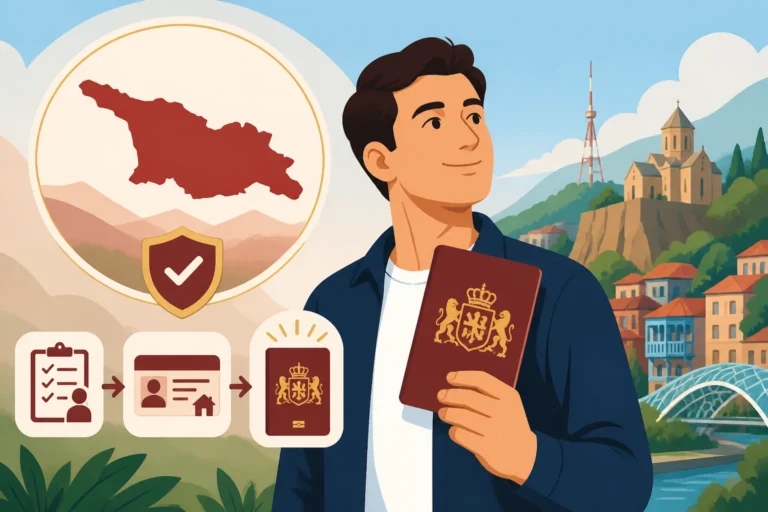
Understanding the Difference Between Temporary and Permanent Residence in Georgia
Navigating the labyrinthine world of immigration in a new country can feel like trying to solve a Rubik's Cube blindfolded, especially when the terminology itself creates more confusion than clarity. Many expats arriving in Georgia, thrilled by the visa-free stay, quickly hit a wall when trying to understand what comes next, particularly the difference between "temporary" and "permanent" residence. This guide is here to untangle those complexities, offering a clear, empathetic roadmap to understanding these crucial distinctions in Georgia.
The Initial Confusion: What is "Temporary" Anyway?
When you first arrive in Georgia, especially if you're from one of the many countries that enjoy a generous 365-day visa-free stay, it's easy to fall into the trap of thinking "temporary" is just an extension of that easy entry. But let me tell you, as someone who’s been through the bureaucratic maze, it's a completely different ballgame with its own set of rules, expectations, and very real consequences if you misunderstand them.
The Misleading Simplicity of "Temporary"
The word "temporary" might conjure images of something fleeting, easy to get, and just as easy to let go of. In Georgia, however, "temporary residence" is a formal legal status that bestows specific rights and obligations upon you. It's not merely a longer visa; it's a stepping stone, often the first formal acknowledgement of your intent to live here long-term, even if that "long-term" is broken down into yearly renewals. The biggest mistake many newcomers make is equating their initial visa-free stay with some form of informal temporary residence. They are fundamentally different, and mixing them up can lead to penalties, rejections, and a whole lot of stress. You're transitioning from a visitor with limited rights to a resident with more defined legal standing, albeit still subject to regular reviews. This status is your official "foot in the door" to building a life in Georgia, allowing you to legally work, study, or conduct business over a sustained period.
The Visa-Free Period vs. Formal Residency: A Crucial Distinction
Let's clarify something absolutely vital: the 365-day visa-free period, or even shorter visa-on-arrival options, are strictly for tourist stays. During this time, you are permitted to enter and remain in Georgia, but you generally do not have the right to legally work for a Georgian entity, pursue formal education beyond short courses, or engage in most types of self-employment that generate income from within Georgia. It's a fantastic perk for visitors, digital nomads working for foreign clients, and those scouting out the country, but it's not a path to residency.
Formal temporary residence, on the other hand, is a specific document – a card – issued by the Public Service Development Agency (PSDA). This card explicitly grants you the right to reside in Georgia based on a specific purpose, such as employment, self-employment (like the popular Individual Entrepreneur status), studying, family reunification, or property ownership above a certain value. When you hold a temporary residence permit, you are officially recorded as a resident, which unlocks various services and protections. For example, your ability to access healthcare or even open certain types of bank accounts becomes much smoother once you have this card. Understanding the 365-Day Visa-Free Stay Works in Georgia (2026) is your first homework before even contemplating formal residency.
Diving Deep into Temporary Residence: The Stepping Stone
Alright, so you’ve decided Georgia is more than just a long vacation spot. You’re ready to put down some roots, even if those roots are only a year long at first. Temporary residence is almost always the first formal step for expats wanting to truly live here beyond the tourist exemption. It’s the Georgian government saying, "Okay, we see you, we know why you're here, and we're giving you official permission to stay for a while."
Common Pathways to Temporary Residence in Georgia
There are several avenues to securing a temporary residence permit, each with its own set of requirements and quirks. The most common ones include:
- Work Residence Permit: This is usually the go-to for most expats. If you’ve landed a job with a Georgian employer, they will often sponsor your application. The key here is demonstrating a genuine employment relationship and usually a certain income threshold. You’ll need a contract, proof of your salary, and a letter from your employer. Many people meticulously gather documents, only for one small missing detail to send them back to square one. Patience is truly a virtue here. For a detailed rundown, check out How to Apply for a Work Residence Permit in Georgia.
- Self-Employment/Entrepreneur Residence Permit: Hugely popular with freelancers, digital nomads, and small business owners. To qualify, you generally need to register as an Individual Entrepreneur (IE) and show a certain turnover from your business activities (currently around 50,000 GEL per year, though this can change, so always check the latest official sources). This route offers incredible flexibility but requires diligent record-keeping of your income.
- Student Residence Permit: If you're enrolling in a recognised educational institution in Georgia, this permit is your route. You'll need proof of enrollment, tuition payment, and sufficient funds to cover your living expenses.
- Property Owner Residence Permit (Short-Term): This is where many expats choose to invest. If you purchase property in Georgia above a certain value (currently USD 100,000 equivalent for short-term, USD 300,000 for investment residence permits, though again, this can fluctuate), you can apply for a short-term residence permit. It's a fantastic option for those looking to settle and invest simultaneously. More details can be found in How to Get a Residence Permit After Buying Property in Georgia.
- Family Reunification Residence Permit: For those joining family members who already hold a Georgian residence permit or citizenship. This typically applies to spouses, children, and sometimes parents. The process involves proving your relationship and the sponsor's ability to support you. Consider checking How to Sponsor Your Spouse and Children for a Georgia Residence Permit for more insights.
Each path requires a specific array of documents – passport copies, bank statements, marriage certificates, health insurance (a must-have, by the way, and services like Cigna Global are popular among expats for this), and often notarised translations. Don't underestimate the time and effort needed for document preparation.
Rights and Limitations of Temporary Residents
As a temporary resident, you gain significant rights compared to a visa-free tourist, but you also have clear limitations.
Rights:
- Legal Stay: The most obvious benefit is the legal right to reside in Georgia for the duration of your permit (typically 6 months to 1 year, renewable).
- Work/Study Rights: You can legally work for your sponsoring employer or as a self-employed individual, or pursue studies as per your permit type.
- Access to Services: You can generally access public services like local clinics and certain government programs, though comprehensive healthcare often still requires private insurance. Your ability to get a local driving license, register a car, and even apply for certain bank services like loans might be easier.
- Travel: You can travel in and out of Georgia freely, without re-activating your visa-free stay period.
Limitations:
- Duration and Renewal: Your permit is finite. You must renew it regularly, typically annually. This means re-submitting documents and undergoing review each year, which can be stressful.
- Purpose-Bound: Your residence permit is tied to its original purpose. If you have a work permit and lose your job, your right to reside might be revoked, or you'll need to apply for a different type of permit.
- No Automatic Citizenship Path: Temporary residence doesn't directly lead to citizenship in the short term. It's a prerequisite for permanent residency, which in turn is a prerequisite for naturalisation.
- Voting Rights: You generally do not have voting rights in national or local elections.
The Renewal Process and Maintaining Your Status
Renewing your temporary residence permit is almost as involved as the initial application, so don't get complacent! The PSDA generally recommends applying for renewal at least 40-50 days before your current permit expires, but not more than 90 days. Many expats cut it too close and face stressful last-minute rushes or even overstay their permit, leading to fines and potential complications for future applications.
The key to a smooth renewal is consistency. Your original basis for residency must still be valid. If you got a work permit, you still need to be employed by that company. If you're a self-employed individual, you still need to show the required income. Any significant changes – a new job, a change in business activity, or even an address change – need to be reported to the PSDA. Neglecting to do so can cause issues during renewal.
It's also crucial to be prepared for potential changes in requirements. The Georgian government occasionally updates immigration laws or income thresholds, so staying informed is paramount. Regularly check the PSDA website or consult with a reputable local lawyer. Remember, while the process can be tedious, getting it right ensures your continued, legal stay in this beautiful country. You can learn more about How to Renew Your Residence Permit in Georgia to prepare yourself.
Unpacking Permanent Residence: The Long-Term Commitment
Now, if temporary residence is like dating, permanent residence is like getting engaged. You're signaling a serious, long-term commitment to Georgia, and the country, in turn, offers you a much more stable and secure footing. It's not a step to be taken lightly, nor is it easily granted.
Eligibility Criteria for Permanent Residency: A Higher Bar
Unlike temporary residence, where multiple pathways exist, permanent residency in Georgia is considerably more restrictive and demands a proven, sustained connection to the country. There are essentially two primary routes:
- Long-Term Stay Based on Previous Residence: This is the most common path for expats. To even be considered, you generally must have resided in Georgia on a temporary residence permit for at least six consecutive years. This means no lengthy breaks, no periods where you've let your permit lapse. Each year of successful temporary permit renewal builds towards this six-year count. During these six years, you are expected to demonstrate consistent legal income (though minimums aren't always explicitly stated, it's about proving self-sufficiency) and a clean legal record.
- Family Reunification with a Georgian Citizen: If you are married to a Georgian citizen or are a child of a Georgian citizen (and often a minor), you might be eligible for permanent residency after a certain period, which is typically shorter than the six-year requirement. This usually requires proof of marriage, birth certificates, and the Georgian citizen's ability to support you.
The application for permanent residency is scrutinised much more closely than temporary permits. Expect to provide comprehensive documentation of your continuous legal residence, financial stability, and integration into Georgian society. They're looking for signs that you're not just passing through, but genuinely building a life here.
Benefits and Security of Permanent Resident Status
Holding permanent resident status offers a significant upgrade in terms of security and peace of mind compared to temporary residence.
Key Benefits:
- Indefinite Stay: This is the big one. Your permanent residence permit is usually issued for an indefinite period, meaning you don't have to go through the annual renewal stress anymore. This eliminates a huge administrative burden and source of anxiety for many expats.
- Unrestricted Work/Study Rights: You gain full and unrestricted rights to work in Georgia for any employer or start any business, and to study at any institution, without your status being tied to a specific job or school.
- Enhanced Access to Services: Access to public services, banking products (like mortgages, in some cases), and social programs might be smoother. While Georgia's social safety net isn't as robust as some Western countries, permanent residents may have more avenues for support.
- Path to Citizenship: Permanent residency is a mandatory step toward applying for Georgian citizenship by naturalisation, which typically requires a further period of residence (usually five years after obtaining permanent residency).
- Stability for Family: It provides a much more stable foundation for your family's future in Georgia, simplifying applications for dependents.
The feeling of not having that annual renewal hanging over your head is liberating. It allows you to plan your life, career, and investments in Georgia with a much greater sense of certainty.
Maintaining Your Permanent Residency: Don't Lose It!
While permanent residency offers indefinite stay, it's not entirely without conditions. Just like some countries have requirements to maintain permanent residency, Georgia also expects you to show continued ties. The most critical factor is usually physical presence.
- Absence Rule: While the exact duration can vary and should always be confirmed with the PSDA or a legal expert, generally, extended periods of absence from Georgia can jeopardise your permanent resident status. If you leave Georgia for a continuous period that exceeds a specific limit (e.g., often more than 6 months or 1 year, unless there are exceptional circumstances or prior notification), your permanent residency could potentially be revoked. This is vital for those who travel extensively or plan to split their time between Georgia and another country.
- Legal Compliance: You must continue to abide by Georgian laws. Serious criminal offences could lead to the revocation of your status.
- Documentation Updates: Keep your documents updated, particularly your passport. If your passport expires, you'll need to get a new permanent residence card reflecting the new passport details.
The general principle is that permanent residency is granted to those who genuinely intend to make Georgia their primary home. If your actions suggest otherwise, the authorities have the right to review your status. So, if you're planning a long trip, always check the current regulations and consider informing the PSDA. This diligent approach will help you understand how to maintain your Permanent Residency in Georgia.
Key Differences and Why They Matter to You
Understanding the nuanced distinctions between temporary and permanent residence isn't just an academic exercise; it directly impacts your daily life, financial planning, and overall sense of belonging in Georgia. These differences dictate everything from your freedom to change jobs to the long-term stability of your family's future here.
Comparing the Legal Frameworks and Freedoms
Let's lay out the fundamental legal and practical differences side-by-side to really drive home the point.
| Feature | Temporary Residence | Permanent Residence |
|---|---|---|
| Duration | Limited (6 months to 1 year, renewable annually) | Indefinite (no annual renewal required) |
| Eligibility | Work, study, property, family reunification, self-employment | 6+ years of temporary residence OR close family ties to citizen |
| Work Rights | Tied to specific purpose (e.g., specific employer, IE status) | Unrestricted (can work for any employer, start any business) |
| Travel Freedom | Can travel in/out freely, but permit still time-limited | Can travel in/out freely, status is long-term |
| Path to Citizenship | Prerequisite for Permanent Residency, then Citizenship | Direct path to Citizenship (after 5 more years of PR) |
| Bureaucracy | Annual renewal process, ongoing document checks | Minimal ongoing bureaucracy after initial grant |
| Risk of Revocation | Higher (loss of job, failure to meet income, etc.) | Lower (primarily extended absence or serious legal issues) |
| Family Sponsorship Ease | Possible, but tied to applicant's temporary status | Easier, more stable sponsorship for dependents |
| Right to Public Services | Generally available, but sometimes limited | More comprehensive and secure access to public services |
This table clearly illustrates the transition from a conditional, periodically reviewed status to one of profound stability. The biggest freedom gained with permanent residence is the ability to live and work without the Sword of Damocles (annual renewal) hanging over your head. You become much more integrated into the fabric of the country.
Impact on Daily Life, Finance, and Future Planning
The choice, or rather the progression, from temporary to permanent residence profoundly affects practical aspects of your life:
- Housing: As a temporary resident, finding long-term rental agreements can sometimes be a bit more challenging if landlords prefer tenants with more stable status, though this is less common in Tbilisi. For purchasing property, while you can do so with temporary residency, a permanent status solidifies your long-term investment.
- Banking & Finance: While you can open a bank account with temporary residency, some financial products, like larger loans or mortgages, might be more accessible or offered on better terms to permanent residents who demonstrate a long-term commitment and stability. You'll definitely want to understand Banking in Georgia: A Complete Guide for Foreigners (2026) regardless of your status.
- Employment & Career Growth: With temporary residence tied to a specific job or self-employment status, changing careers or exploring new opportunities might require a new permit application, adding friction. Permanent residence liberates you, allowing for seamless career transitions without immigration hurdles.
- Healthcare: While private insurance like Cigna Global is generally recommended for all expats, having a stable residency status can simplify administrative processes at clinics and hospitals. Your residence status can affect your health coverage in Georgia, even if you have private insurance, as it impacts eligibility for certain public programs.
- Education for Children: For expat families, permanent residency offers immense stability for children's education, removing the annual worry about maintaining status and ensuring continuous enrolment in schools. This stability is invaluable.
- Emotional Well-being: The sheer mental relief of not having to prepare for annual renewals, gathering documents, and dealing with the uncertainty of approval is a massive benefit. It fosters a genuine sense of belonging and reduces the underlying stress many expats carry.
Understanding the Psychological Impact of Each Status
Living under a temporary residence permit, no matter how smoothly it goes, carries an inherent underlying stress. It's like living with an expiry date always looming. You're constantly aware that your right to be here is conditional and subject to annual review. This can impact long-term decisions – whether to buy furniture, invest in a new venture, or even form deep local friendships.
Permanent residency, however, offers a psychological shift. It grants you a profound sense of security and belonging. You can truly unpack, metaphorically and literally. The country has formally acknowledged your long-term presence, and that feeling of acceptance is incredibly powerful. It allows you to integrate more deeply, invest more wholeheartedly, and view Georgia as home, not just a temporary stop. This stability allows for deeper roots and a greater sense of peace.
The Journey from Temporary to Permanent: A Roadmap
Making the leap from temporary to permanent residency is a significant milestone for any expat in Georgia. It’s not just about collecting years; it’s about strategic planning, diligent record-keeping, and understanding the specific requirements that elevate your status from a short-term resident to a deeply embedded member of the community.
Strategic Planning for Transition
Think of this transition as a marathon, not a sprint. The six-year requirement for permanent residency means you need to be thinking ahead from day one of your temporary permit.
- Maintain Continuous Legal Status: This is non-negotiable. Ensure you never let your temporary residence permit lapse. Always apply for renewal well in advance. Any gap in your legal residency could reset your six-year clock.
- Consistent Income & Financial Stability: While Georgia has a territorial tax system meaning foreign income may not be taxed, for permanent residency applications, demonstrating sustained financial self-sufficiency is crucial. If you're on a work permit, ensure your employment is stable. If you're self-employed, maintain consistent turnover and accurately file your taxes, showing a reliable income stream. Understanding Income Tax and the Flat 20% Rate in Georgia (2026) is vital here.
- Clean Record: Keep your nose clean! Any brushes with the law, particularly serious ones, can jeopardise your chances.
- Language and Integration (Unofficial but Recommended): While not a formal requirement for permanent residency itself, learning Georgian and actively participating in local life can certainly bolster your case by showing genuine integration and commitment to the country. It also makes your daily life infinitely easier and richer.
- Document Management: Be meticulous. Keep copies of every residence permit, every renewal application, every tax filing, and every employment contract. This paper trail will be invaluable when you finally apply for permanent residency. I personally used a dedicated digital folder and a physical binder for everything, just to be safe.
Planning effectively for this journey involves more than just passing time; it's about actively building a profile that demonstrates your worth and commitment to Georgia. For those contemplating the long haul, knowing How to Move from a Residence Permit to Permanent Residency in Georgia will become your guiding light.
Overcoming Hurdles and Common Roadblocks
Even with meticulous planning, the path to permanent residency can present challenges.
- Changing Requirements: Immigration laws can, and do, change. What was valid five years ago might have been updated. Stay informed by regularly checking official government sources like the PSDA website or consulting with a legal professional.
- Interpretation Issues: Sometimes, the interpretation of rules can be subjective, especially at the Public Service Hall. Having all your documents in impeccable order and clear explanations for any anomalies can help. It's often beneficial to bring a Georgian speaker if your Georgian isn't fluent.
- Income Verification: For self-employed individuals, proving consistent and sufficient income can sometimes be tricky if your business has fluctuating earnings or if you primarily deal with foreign clients. Having clear invoices, bank statements, and correctly filed tax declarations are key.
- Absence from Georgia: As discussed, prolonged absences can be a major roadblock. If you must leave for an extended period, try to get clarification from the PSDA on how it might affect your permanent residency eligibility. Don't assume.
- Lost Documents: This is a nightmare scenario. Ensure backups of everything. If you lose an old residence permit, getting official confirmation of your past legal stays can be time-consuming.
Patience, persistence, and proactive inquiry are your best friends when navigating these potential hurdles.
Seeking Expert Guidance for a Smooth Process
While many expats successfully navigate the temporary residence process on their own, when it comes to permanent residency, I cannot stress enough the value of professional help. This is where a good immigration lawyer or a specialised consultancy can be worth their weight in gold.
They can:
- Provide Up-to-Date Advice: Laws change. A professional will have the latest information and nuances.
- Review Your Eligibility: They can assess your individual situation against the current criteria and advise on the best strategy.
- Assist with Documentation: They'll ensure all your documents are correct, translated, and legalised appropriately, saving you countless headaches. Remember, Understanding Document and Translation Requirements for Georgia Immigration is critical.
- Communicate with Authorities: If there are any ambiguities or specific questions from the PSDA, a lawyer can communicate on your behalf.
- Help with Appeals: In the unfortunate event of a rejection, they can advise on the appeals process.
While there's a cost involved, consider it an investment in your peace of mind and long-term security in Georgia. It’s far better than facing rejection after years of effort due to a technicality you weren't aware of. For the entire process, including estimated costs and timelines, refer to Understanding the Cost and Timeline of the Georgia Residence Permit Process. When considering a move and all these processes, many expats find services like Sirelo invaluable for planning logistics and easing the stress of relocation, connecting them with trusted moving companies.
Disclaimer
The information provided in this article is for general informational purposes only and does not constitute legal, financial, or immigration advice. While every effort has been made to ensure accuracy based on current knowledge and official sources, laws and regulations in Georgia are subject to change. Readers are strongly advised to consult with a qualified legal professional, immigration expert, or the official Public Service Development Agency of Georgia for advice tailored to their specific situation. The author and publisher disclaim any liability for any actions taken or not taken based on the content of this article.