How Do I Renew My Family’s Residence Permit in Georgia?
Navigating the labyrinth of Georgian bureaucracy can often feel like a full-time job for us expats, especially when it comes to something as vital as keeping your family's status secure. It's not just about you; it's about every member of your family, and the stakes feel so much higher. This comprehensive guide is here to walk you through the often-stressful process of renewing your family's residence permits in Georgia, offering practical advice and realistic expectations to help you avoid common pitfalls.
Understanding the Renewal Process for Family Residence Permits in Georgia
When you're an expat family in Georgia, your residence permits are your golden ticket to a settled life here. But unlike that initial excitement of getting them, renewals can feel like a daunting chore, a seemingly endless cycle of paperwork and appointments. I've been there, staring at a pile of documents, wondering if I've missed something crucial that could jeopardize my family's stay. It's a very real anxiety, and you're not alone in feeling it.
The Importance of Timely Renewal
Let me tell you, one of the biggest lessons I've learned in Georgia is that deadlines are not suggestions – they are absolute. For residence permit renewals, this is doubly true. Missing your renewal window isn't just an inconvenience; it can lead to serious legal issues, including fines, complications with future residency applications, and even potential deportation. Imagine having to explain to your kids why their life here is suddenly uncertain, all because a piece of paper expired. It's heartbreaking to even consider.
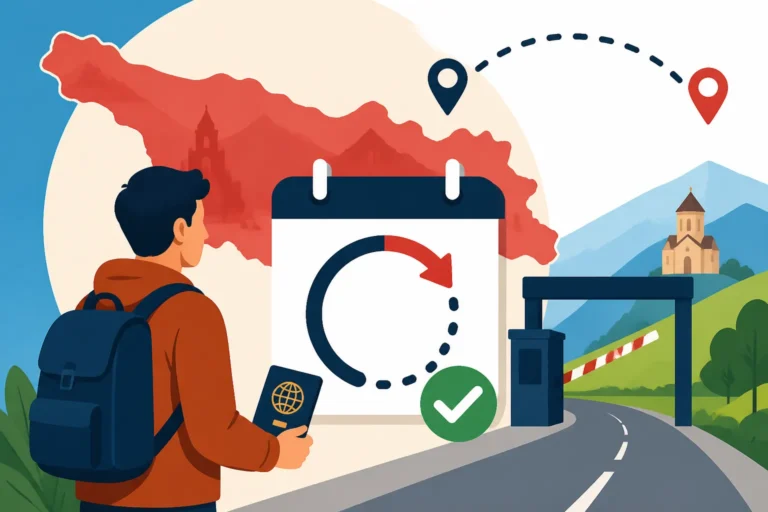
Generally, you should initiate your renewal process at least 40-50 days before your current permit expires, but no earlier than 90 days. The Public Service Hall needs adequate time, and trust me, you want to build in a buffer for any unforeseen issues – missing documents, translation errors, or simply a particularly busy day at the agency. My advice? Mark your calendar the moment you get your initial permit, setting reminders for three months, two months, and then 45 days before the expiry. It feels excessive, but it can save you a world of stress.
Who Qualifies for Family Permit Renewal?
When we talk about "family" in the context of Georgian residence permits, it generally extends to your spouse and minor children. In some cases, if you have an elderly parent who is financially dependent on you and has no other means of support, they might also qualify under specific provisions, though this is less common and often requires more detailed justification. The core idea is maintaining family unity for those whose primary residence is with the main permit holder.
For each family member, the renewal essentially re-evaluates their eligibility based on the initial criteria. This means proving the ongoing marital relationship for your spouse, presenting birth certificates for your children, and demonstrating that the primary applicant (you, likely) still meets the requirements for your own permit type (e.g., work, entrepreneur, property owner). This isn't just a rubber stamp process; they do check. So, keep your documents in order from day one. You can find more general information on this process in the guide to How to Sponsor Your Spouse and Children for a Georgia Residence Permit.
Common Pitfalls and How to Avoid Them
Oh, the stories I could tell about renewal pitfalls! One friend of mine, a digital nomad, once forgot to update his bank statements, which led to a delay because his "proof of income" was months out of date. Another expat family nearly had their children's applications denied because they had moved apartments and the registered address on the children's school documents didn't match the new rental agreement. These are the kinds of small details that can trip you up.
Here are a few common traps:
- Outdated Financial Proof: If your permit is based on income or savings, ensure your bank statements are recent – ideally, no older than a week or two when you submit.
- Expired Passports: This sounds obvious, but you'd be surprised. Always check passport validity for all family members well in advance. If a passport needs renewing, do that first.
- Inconsistent Addresses: Make sure your residential address is consistent across all documents – rental contract, utility bills, school letters, and your previous residence permit. If you've moved, ensure your new lease is registered.
- Missing or Incorrect Translations/Notarizations: Any document not in Georgian needs to be officially translated and notarized. Don't try to cut corners with unofficial translations; they will be rejected. This applies to birth certificates, marriage certificates, and anything else supporting your family ties. Understanding Document and Translation Requirements for Georgia Immigration is key here.
- Insufficient Health Insurance: While not always a strict requirement for all permit types, having valid local health insurance, like a plan from Cigna Global that covers your family, can often smooth the process or be a specific requirement depending on the permit type. Even when it's not mandated, it's just good practice as an expat family to have.
Always prepare more than you think you need. A well-organized folder of documents, perhaps even labelled clearly, can make a world of difference for the civil servant reviewing your application.
Step-by-Step Guide to Renewing Your Family's Residence Permit
Okay, deep breaths! We're going to break this down into manageable steps. The key to successfully renewing your family's residence permits in Georgia is meticulous preparation and understanding each stage of the process. Think of it like a treasure hunt, but instead of gold, the treasure is peace of mind for your family.
Gathering Your Documentation: The Paperwork Mountain
This is where the real work begins, and it can feel like you're staring at a mountain of paperwork. But don't despair! A methodical approach makes all the difference. For each family member you're renewing, you'll generally need a similar set of core documents, plus a few specific ones to prove your relationship and ongoing eligibility.
Here's a general checklist to start with. Remember, always double-check the Public Service Hall's official requirements closer to your application date, as rules can sometimes subtly change.
For Each Family Member (including the primary applicant):
- Valid Passport: Original and a notarized copy of all pages with personal data and entry stamps. Ensure it has at least six months' validity beyond your desired permit expiry.
- Current Residence Permit Card: Original and a copy.
- Application Form: Filled out in Georgian. You can usually get a template from the Public Service Hall or download it online. It might be easier to have this filled out with assistance or a local friend.
- Photo: One recent passport-style photo (3×4 cm) for each applicant.
- Proof of Funds: This is crucial.
- For employees: A certificate of employment from your Georgian employer stating your position, salary, and contract duration. Also, recent bank statements (last 3-6 months) showing consistent income from that employer.
- For individual entrepreneurs/small business status: Your Individual Entrepreneur registration certificate, recent bank statements showing regular business income, and tax declarations proving your adherence to the 1% or 20% tax regime.
- For those on other permit types (e.g., property owners): Bank statements demonstrating sufficient funds in a Georgian bank account to cover living expenses for at least one year. The required amount can fluctuate, but a good rule of thumb is at least ₾1,500 per month per adult. For families, this amount increases.
- Proof of Accommodation:
- Rental Contract: Original and a notarized copy of your current lease agreement, ideally registered with the Public Registry.
- Property Ownership: If you own property, a copy of the property ownership certificate (extract from the Public Registry). This is also a common route for some initial residence permits, as detailed in How to Get a Residence Permit by Buying Property in Georgia.
- Health Insurance Policy: A valid health insurance policy covering your stay in Georgia. This could be a local policy or an international one like Cigna Global, which provides comprehensive coverage for expats. Make sure the policy is in Georgian or has a notarized translation. While not always a mandatory document for every permit type, it is highly recommended and often requested. The guide How to Choose Between Local and International Health Insurance in Georgia can help you decide.
Specific to Family Members (Spouse & Children):
- Marriage Certificate: Original and a notarized translation into Georgian (for spouse).
- Birth Certificates: Original and a notarized translation into Georgian for each child.
- Parental Consent (if applicable): If one parent is not present or is not applying, a notarized letter of consent might be required.
- Proof of Relationship: Beyond certificates, sometimes an affidavit or additional documentation might be requested to confirm family ties, especially if names don't match exactly due to cultural naming conventions or administrative errors.
A Note on Translations and Notarizations:
This is where many people get stuck. Any document not originally issued in Georgian must be officially translated by a certified translator and then notarized by a Georgian notary. Do not assume your Embassy's English translation is sufficient; it almost certainly won't be. Start this process early, as it can take a few days and add to your overall Cost and Timeline of the Georgia Residence Permit Process. Services like Sirelo often provide helpful advice on administrative processes, but for translations, a local specialist is your best bet.
Submitting Your Application: The Public Service Hall Experience
Once your document folder is bulging with meticulously prepared paperwork, it's time for the main event: visiting the Public Service Hall (PSH). These modern, glass-fronted buildings are designed for efficiency, a welcome contrast to some other bureaucratic offices you might encounter abroad. You'll find them in major cities like Tbilisi, Batumi, and Kutaisi.
- Making an Appointment (or Not): For family residence permit renewals, while you can sometimes walk in, it's often advisable to book an appointment if possible, especially if you have multiple family members. Check the PSH website or call their hotline for the most current information on scheduling. In Tbilisi, the main Public Service Hall on Sanapiro Street is a bustling hub, but smaller branches might be less crowded.
- The Visit: When you arrive, take a number for the "Foreign Citizens" or "Residence Permits" section. You'll wait for your turn, which can vary from minutes to an hour or two depending on the day and time. When your number is called, approach the designated counter.
- The Civil Servant: The staff at the PSH are generally professional and helpful, though English proficiency can vary. Be patient, smile, and have your documents organized. They will meticulously go through your application, cross-referencing everything. This is where your careful preparation pays off. If anything is missing or incorrect, they will inform you. Don't be surprised if they request a document you thought wasn't needed – it happens. They might point you to an in-house translation or notary service if minor corrections are needed on the spot, but it's best to have everything perfect beforehand.
- Biometrics: Your fingerprints and digital photo will be taken again at the counter.
Fees, Timelines, and Tracking Your Application
Once the documents are submitted and reviewed, it's time to pay the fee and play the waiting game.
Renewal Fees (Approximate, always check current rates):
| Processing Time | Standard Fee (GEL) | Notes |
|---|---|---|
| Standard (30 days) | ₾110 – ₾150 | Most common option, allows for sufficient processing time. |
| Expedited (20 days) | ₾220 – ₾280 | If you're cutting it a bit close but still within the safe window. |
| Urgent (10 days) | ₾330 – ₾400 | For situations where time is critical. |
These fees are per applicant. So, for a family of three (two adults, one child), multiply by three. There might also be a small service charge. Payment is typically made at the PSH itself, either at a designated cash desk or a self-service machine.
Timelines:
The clock starts ticking from the moment your complete application and payment are accepted. During peak times, even the "30-day" option might stretch a little. This is why applying well in advance is so important.
Tracking Your Application:
After submission, you'll receive a receipt with a unique application number. You can use this number to check the status of your application online on the Public Service Hall's website. It's not always updated in real-time, but it provides a good general idea. If you're getting anxious, you can also call their hotline or visit the PSH in person to inquire, though the latter should be a last resort. Keep in mind that for a work-based permit renewal, the status of your employment might be checked with your employer.
Life After Renewal: What to Expect and Next Steps
The sigh of relief you'll let out when you get that "approved" notification is monumental. You've climbed the paperwork mountain, and now your family's future in Georgia is secure for another period. But the process isn't quite over yet. There are still a few crucial steps to take.
Receiving Your New Residence Permit Cards
Once your application is approved, you'll get a notification (usually an SMS or email if you provided those details). You then head back to the Public Service Hall to collect your shiny new residence permit cards.
- Collection: You'll need to bring your old permit cards and passports for verification. Each family member usually needs to be present to collect their own card, especially adults. For minor children, the parent (primary applicant) can often collect it.
- Double-Check Everything: This is critical. Before you leave the PSH, carefully inspect each card. Check all personal details: name spelling, date of birth, passport number, and especially the validity period. Mistakes do happen, and it's much easier to get them corrected on the spot than to realize it months later when you're trying to travel. A typo could cause issues at border control or with other administrative tasks.
Updating Other Registrations and Services
Your residence permit is a foundational document, and its renewal often triggers the need to update your status with various other entities.
- Bank Accounts: While not always strictly necessary immediately, it's a good idea to inform your bank (e.g., Bank of Georgia or TBC Bank) that your permit has been renewed. This helps ensure continuity of services, especially for accounts tied to your residence status. They may ask for a copy of your new card. You can find more details on general banking for expats in The Expat Guide to Opening a Bank Account in Georgia.
- Utility Providers: Your utility accounts (electricity, gas, water, internet) are usually tied to your address, but sometimes linking your new permit can prevent future hassles. If you've changed addresses during the renewal process, you absolutely must update this with companies like Telasi (electricity) and KazTransGas (gas). Learn more about How to Set Up Electricity in Your Georgia Home.
- Schools and Kindergartens: If you have children enrolled in local or international schools, they will likely need a copy of your children's renewed residence permits for their records. This ensures their status remains valid for enrolment.
- Driver's License: If you've converted your foreign driver's license to a Georgian one, or if your permit status impacts its validity, you might need to update your details with the relevant traffic services.
Planning for Future Renewals and Long-Term Residency
Congratulations! You've successfully navigated the renewal process. Now, what about the long game?
- Maintain Eligibility: Continue to meet the requirements of your residence permit category. If it's work-based, maintain employment. If it's investment-based, maintain the investment. Don't let your guard down.
- Document Organization: I can't stress this enough – keep all your immigration documents (old permits, renewal receipts, supporting evidence) organized. A digital backup is also a lifesaver. This makes the next renewal cycle much, much smoother.
- Path to Permanent Residency: Many expats eventually aspire to permanent residency. Understanding the criteria for How to Apply for Permanent Residency in Georgia is crucial. Generally, this requires living in Georgia legally and continuously for a certain number of years (often six, but check specific rules for your category). Each successful temporary residence permit renewal builds towards this goal. Don't lose sight of the bigger picture.
By staying proactive, keeping meticulous records, and understanding the system, you can ensure your family's journey in Georgia remains smooth and secure for years to come.
Disclaimer
The information provided in this guide is for general informational purposes only and does not constitute legal or professional advice. While we strive to keep the information up-to-date and accurate, regulations and procedures in Georgia can change without prior notice. Always consult with a qualified legal professional or the official government sources (such as the Public Service Development Agency) for the most current and specific advice regarding your individual situation. We are not responsible for any actions taken based on the information presented herein.