How Do I Get a Health Check for a Georgia Residence Permit?
Alright, let's talk about something that can feel like just another hoop to jump through when you're trying to make Georgia your home: the dreaded health check for your residence permit. It's easy to get flustered by the official-sounding requirements, especially when you're already juggling paperwork, language barriers, and trying to settle into a new country. This guide is going to walk you through exactly what's involved, where to go, and what to expect, so you can tick this off your list without unnecessary stress.
Understanding the Health Check Requirement for Your Georgia Residence Permit
When you apply for a residence permit in Georgia, whether it's for work, study, or even based on property ownership, you might be surprised to learn that a health check is often a crucial, albeit sometimes ambiguous, part of the process. It's not always explicitly stated upfront in every single official document, which can lead to a lot of head-scratching and last-minute scrambling for expats. Believe me, I've seen enough confused faces at the Public Service Hall to know this is a common point of frustration.
The underlying reason for this requirement is public health. Like many countries, Georgia wants to ensure that newcomers aren't bringing in or spreading certain communicable diseases that could pose a risk to the general population. It's a standard precautionary measure, even if it feels a bit intrusive when you're used to different systems back home. This isn't about judging your health status in a general sense; it’s specifically focused on preventing the spread of a few key conditions. The good news is that for most healthy individuals, it's a straightforward process, but knowing what they're looking for can certainly ease your mind.
Not all types of residence permits have the exact same requirements, but generally, if you're applying for a long-term stay, expect to undergo some form of medical screening. This often includes residence permits issued for employment, for students, or for those obtaining a short-term residence permit based on property ownership. It's always best to check the specific requirements for your particular permit type as early as possible, as these things can sometimes change. If you're delving into the general process, our comprehensive article on The Expat Guide to Getting a Residence Permit in Georgia (2027) provides a broader overview of the various pathways to residency.
The ambiguity can be a real pain. You might find yourself gathering all your documents, thinking you’re ready, only for the agent at the Public Service Hall to inform you that you need a medical certificate. This is why getting ahead of it is so important. Don't wait until you're at the finish line of your application. Researching and completing this step early can save you a lot of time and potential delays. It's just another one of those unique Georgian administrative quirks you learn to navigate!
What the Health Check Actually Involves in Georgia
So, what exactly are they poking and prodding for during this health check? Generally, the medical examination for a Georgian residence permit is not overly extensive or invasive, focusing primarily on a few specific areas. It’s designed to be a screening, not a full-blown physical, which is a relief for many.
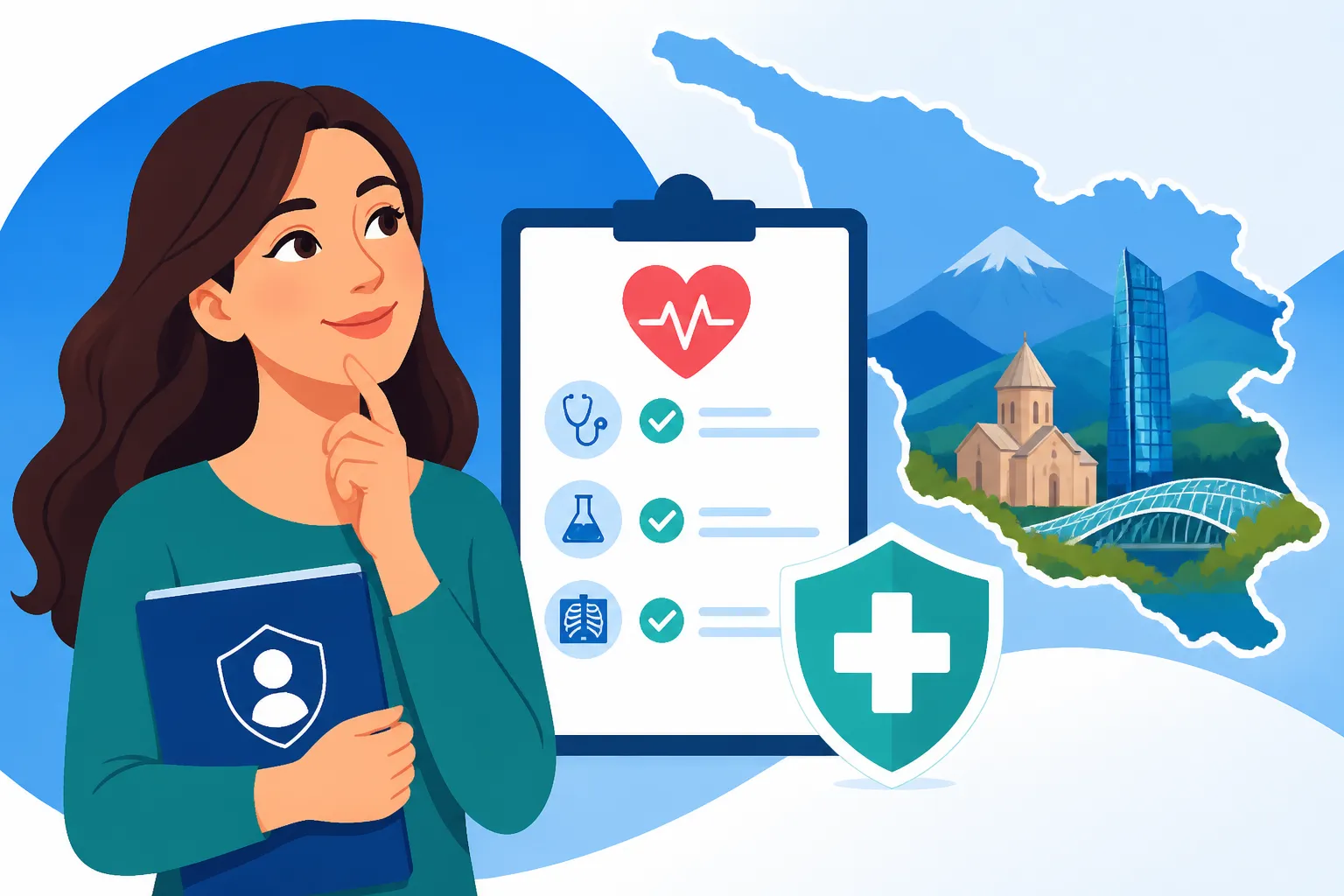
The core components typically include a physical examination by a general practitioner, certain blood tests, and often a chest X-ray. The physical exam is usually quite brief, a general check-up to ensure you don't present any obvious symptoms of acute illness. The doctor will likely ask about your medical history, any chronic conditions you might have, and if you're on any regular medication. Don't be shy about asking questions if you're unsure about anything they're asking; an English-speaking doctor can make a world of difference here.
When it comes to the blood tests, the primary concern is usually for conditions like HIV/AIDS and Hepatitis B and C. These are standard global health concerns, and testing for them is a common practice in immigration procedures worldwide. You’ll also typically get a general blood count and sometimes a urine analysis, which gives a broader picture of your overall health. These tests are relatively quick, and you usually get the results within a few days.
The chest X-ray is specifically to screen for active tuberculosis (TB). This is another common communicable disease that immigration authorities often check for. While getting an X-ray might seem like a lot for a residence permit, it’s a quick procedure that takes only a few minutes. Just remember to wear loose, comfortable clothing and remove any metal objects before the scan. If you're curious about how the broader healthcare system works, our guide on The Complete Guide to Healthcare in Georgia for Expats (2027) offers a more detailed explanation of what to expect in Georgian medical facilities.
One of the biggest concerns for expats is usually the language barrier and the cost. While many clinics in larger cities like Tbilisi and Batumi have English-speaking staff, it’s always a good idea to confirm this when booking your appointment. As for cost, it's usually an out-of-pocket expense, though some private health insurance plans might cover it. Companies like Cigna Global often have robust international plans that could potentially include such screenings, so it's worth checking your policy details or looking into an expat-specific plan if you haven't already. Understanding How Expats Access Healthcare in Georgia: The Complete Guide (2027) can help you prepare for these interactions.
Finding a Clinic and Navigating the Process
Now that you know what's involved, let's talk about the practical steps of actually getting this done. The process of finding a suitable clinic and going through the health check can be smoother than you anticipate if you plan a little in advance.
Step 1: Researching and Choosing a Clinic
Your first task is to find a clinic that offers these types of medical examinations for immigration purposes. While many private clinics in Tbilisi and Batumi can conduct the necessary tests, not all are equally familiar with the specific requirements for residence permits. Some clinics might be more accustomed to dealing with foreigners and their specific needs, including providing certificates in English or with notarised translations if required.
Look for larger private clinics or diagnostic centers in major cities. In Tbilisi, places like Evex Medical Corporation, which has several branches, or MediClub Georgia, are often recommended by expats. These institutions tend to have more modern equipment and staff who are used to international patients. Always call ahead or check their website to confirm they provide "medical certificates for residence permits" or "immigration health checks." This way, you avoid showing up only to find out they don't offer the exact service you need. If you're specifically looking for doctors who speak your language, you'll find great tips in our guide on How to Find an English-Speaking Doctor in Georgia.
Step 2: Making an Appointment
Once you've identified a suitable clinic, it's time to book your appointment. Most clinics will allow you to do this over the phone, and increasingly, many offer online booking services. When you call, explicitly state that you need a health check for a residence permit. Ask about the specific tests included (physical exam, blood tests for HIV/Hepatitis, chest X-ray) and confirm the total cost. Don't forget to ask about the expected turnaround time for results and the issuance of the certificate itself.
Sometimes, they might schedule separate appointments for the doctor's consultation, blood work, and X-ray, or they might try to consolidate it all into one visit. Be prepared for either scenario. Confirm if you need to fast for the blood tests (usually not for these specific tests, but it's good to double-check). It’s also wise to ask what documents you need to bring with you.
Step 3: What to Bring to Your Appointment
Generally, you'll need to bring your passport, a copy of your passport (sometimes they ask for a copy of your visa/residence permit if you have one already), and often a passport-sized photograph. Some clinics might also ask for your Georgian personal number (ID number) if you have one. It's always a good idea to have some cash on hand, even if the clinic accepts card payments, just in case there are any unexpected fees or if their card machine is down (it happens!). Bringing your original passport is non-negotiable, as it’s your primary form of identification.
If you have any chronic conditions or are taking long-term medication, bringing a brief summary of your medical history or a list of your medications (with generic names) could be helpful, although it's not usually a strict requirement for this type of basic screening. Many expats find that getting registered with a local clinic makes future medical interactions much easier. Our post on How to Find and Register with a Clinic or Doctor in Georgia delves into that process.
Step 4: The Examination Day
On the day of your appointment, arrive a little early to fill out any registration forms. The process usually starts with a general doctor's consultation, followed by the blood tests, and then the X-ray. The entire visit, if everything runs smoothly, could take anywhere from 1 to 3 hours, depending on how busy the clinic is. The facilities in Georgia are generally quite modern, especially in the private sector, so you should find them clean and efficient.
Remember to follow any instructions given by the medical staff, especially regarding the X-ray (like removing jewelry). If you encounter any language difficulties, don't hesitate to use a translation app or ask if there's someone available to help. Many clinics are aware that their expat patients might need additional assistance.
Step 5: Receiving Your Results and Certificate
Once all the tests are done, you’ll typically be told when to expect your results and the official medical certificate. This can range from a few days to a week. The certificate will state that you have been examined and found free of communicable diseases that would pose a public health risk. Ensure the certificate is properly stamped and signed by the doctor.
Check the details carefully—make sure your name, passport number, and date of birth are correct. Sometimes, they provide a sealed envelope for the Public Service Hall, so don't open it if that's the case! This certificate is then one of the vital documents you submit along with your other paperwork when applying for your residence permit. When you're making a big move like this, logistics can be a beast, but services like Sirelo can help organize the bigger picture of your relocation, allowing you to focus on these important local administrative tasks.
Costs, Timelines, and Important Considerations
Understanding the financial and time commitments for your health check is crucial for planning your move and budget. It’s one of those "hidden" costs that can catch you off guard if you’re not prepared.
Expected Costs
The cost for a comprehensive health check for a residence permit in Georgia can vary, but generally, you should budget anywhere from 150 to 350 Georgian Lari (GEL). This typically includes the doctor's consultation, the necessary blood tests (HIV, Hepatitis B/C), and the chest X-ray. Some clinics might charge separately for each component, while others offer a bundled package specifically for immigration purposes.
For instance, a general practitioner visit might be around 50-80 GEL, each blood test could be 30-50 GEL, and an X-ray about 60-100 GEL. It adds up, so always ask for a full quote upfront. While this might seem like a small amount compared to Western healthcare costs, it's still an important expense to factor in. Our detailed guide on The Cost of Healthcare in Georgia: A Complete Breakdown for Foreigners (2026) provides more context on various medical expenses you might encounter. If you're budgeting, knowing How Much Does a Doctor Visit Cost in Georgia? can give you a baseline.
Keep in mind that these costs are usually not covered by Georgia's Universal Healthcare Program, as that program has specific eligibility criteria that may not apply to all expats, especially new arrivals. This is where private health insurance, like plans offered by Cigna Global, can be really beneficial. While specific immigration health checks might not always be fully covered, having a comprehensive plan can give you peace of mind for any other medical needs that arise during your stay.
Timelines
From the moment you walk into the clinic to having the signed and stamped certificate in your hand, the process usually takes about 3-7 working days. The actual examination part is quick, but laboratories need time to process the blood work, and radiologists need to review the X-rays.
- Appointment Booking: Can be immediate or a few days in advance, depending on the clinic's availability.
- Examination: 1-3 hours on the day.
- Result Processing: 2-5 working days.
- Certificate Issuance: Often on the same day as results are ready, or the next day.
It's highly advisable not to leave this until the last minute. If your residence permit application deadline is looming, schedule your health check with at least two weeks to spare, just in case there are unexpected delays or if you need to repeat any tests.
Validity of the Certificate
The medical certificate typically has a limited validity period, usually around 1-3 months. This means you should aim to get your health check done fairly close to your residence permit application submission date. Don't get it done too early, or you might find yourself needing to repeat the process if it expires before you can submit your full application. The Public Service Hall usually requires the certificate to be recent.
Here's a handy table to summarize the key aspects:
| Aspect | Typical Details |
|---|---|
| Purpose | Screen for communicable diseases (HIV, Hepatitis, TB) |
| Components | Physical exam, blood tests (HIV, Hep B/C), chest X-ray |
| Estimated Cost (GEL) | 150 – 350 GEL (out-of-pocket) |
| Processing Time | 3-7 working days for results and certificate |
| Certificate Validity | 1-3 months (must be recent for application) |
| Required Documents | Passport, passport photo, sometimes a copy of visa/permit, Georgian ID |
| Recommended Clinics | Large private clinics in Tbilisi/Batumi (e.g., Evex, MediClub) |
Tips for a Smoother Experience
- Call Ahead: Always confirm the exact requirements, cost, and estimated turnaround time with your chosen clinic.
- Language: Ask if English-speaking staff will be available. If not, consider bringing a Georgian-speaking friend or using a translation app.
- Originals & Copies: Bring both original documents (passport) and copies, as some places prefer to keep copies.
- Payment Method: Confirm accepted payment methods and have some cash just in case.
- Follow Up: Don't be afraid to call the clinic to check on the status of your results if you haven't heard back within the promised timeframe.
- Plan Ahead: Integrate this into your broader relocation timeline. Moving to Georgia involves many steps, and ensuring you’re prepared for each one, often with help from services like Sirelo for big logistics, makes the overall transition less daunting.
Common Challenges and Troubleshooting
Even with the best planning, sometimes things don't go exactly as expected. Here are a few common challenges expats face during the health check process and how to navigate them. After all, the expat life is all about adapting, right?
What If Your Results Are Positive?
This is a fear many people silently carry into their health checks. First and foremost, a positive result for conditions like HIV or Hepatitis B or C does not automatically mean your residence permit will be denied. Georgia, like many modern countries, has evolved its policies. The main concern is generally active, infectious tuberculosis, which poses an immediate public health risk. For other conditions, it often means you may need to provide documentation that you are aware of your condition, are receiving appropriate treatment if necessary, and are not considered an active public health threat.
If you do receive a positive result for something, remain calm. The clinic will guide you on the next steps, which might involve further confirmatory tests or a consultation with a specialist. It’s crucial to follow their advice and get all necessary documentation. You might also want to consult with an immigration lawyer who is familiar with Georgian health and immigration laws to understand your specific situation and options. While potentially stressful, remember that your health information is confidential.
Dealing with Language Barriers
Even in expat-friendly clinics, sometimes you'll encounter staff who speak limited English, especially in the diagnostic departments. This can lead to miscommunications about instructions or results.
- Translation Apps: Have Google Translate or a similar app ready on your phone.
- Bring a Friend: If you have a Georgian friend who can come with you, even for just a part of the appointment, that can be incredibly helpful.
- Be Patient: Georgians are generally very accommodating, and they will try their best to understand and help you. Speak slowly and clearly.
- Ask for Written Instructions: If possible, ask for instructions or results in writing (even if in Georgian) so you can translate them later.
For general interactions with the Georgian healthcare system, our guide on Navigating the Georgian Healthcare System: An Expat's Roadmap (2027) offers many practical tips to help you communicate effectively.
Lost or Expired Documents
Imagine submitting your application, only to realize your health certificate is expired or, worse, lost!
- Keep Originals Safe: Always keep the original medical certificate in a secure place. Make several copies for your records.
- Electronic Copies: Scan and save an electronic copy of your certificate as soon as you receive it.
- Check Validity: Double-check the validity date against your residence permit application timeline. If it’s nearing expiry, you might need to quickly get a new one. Clinics usually won't re-issue an expired one; you'll have to go through the process again.
- If Lost: If you lose it, contact the clinic immediately. They might be able to provide a duplicate or instruct you on the process for re-issuance, though you might incur a small administrative fee. In some cases, you might simply need to redo the tests.
Delays in Receiving Results
Sometimes, labs get backed up, or there's a technical issue. What seemed like a 3-day turnaround might stretch to a week or more.
- Follow Up Politely: After the promised timeframe, don't hesitate to call the clinic. A polite follow-up can sometimes expedite things.
- Alternative Clinics: If you're really pressed for time and facing significant delays, you might consider contacting another clinic to see if they can do the tests faster, though this means paying again. This is usually a last resort, but it's an option to keep in mind if your visa timeline is critical.
- Communicate with Public Service Hall: If a delay from the clinic genuinely impacts your ability to submit your residence permit application on time, it might be worth explaining the situation to the Public Service Hall, though they are not obliged to grant extensions for such reasons. Providing evidence of your health check appointment might help, but it's not guaranteed to be accepted as a reason for delay.
By being proactive, understanding the potential hurdles, and having a plan for unexpected situations, you can navigate the health check for your Georgia residence permit with greater confidence and less stress.
Disclaimer
The information provided in this article is intended for general guidance and informational purposes only, and does not constitute medical, legal, or immigration advice. While every effort has been made to ensure accuracy, regulations and procedures in Georgia can change. Always consult with official sources, medical professionals, and legal/immigration experts for advice tailored to your specific situation. Reliance on any information in this article is solely at your own risk.