How Do I Add My Newborn to My Residence Permit in Georgia?
Congratulations, expat parents, on your new arrival here in Georgia! Bringing a baby into the world is a momentous occasion, full of joy and sleepless nights, but when you're doing it in a foreign country, it also comes with a whole new layer of administrative hurdles. One of the most pressing questions on new parents' minds is undoubtedly how to secure their newborn's legal status. This guide will walk you through the often-confusing process of adding your precious little one to your existing residence permit, helping you navigate the Georgian bureaucracy with a bit more confidence and a lot less stress.
Understanding the Basics: Why and When to Apply for Your Newborn's Residence Permit
When you welcome a baby into your expat life in Georgia, one of the first things that might hit you (after the exhaustion, of course!) is the realisation that your little bundle of joy, despite being born on Georgian soil, isn't automatically a Georgian citizen, nor do they automatically inherit your residence permit status. This is a common misconception, and understanding the nuances is crucial to avoid future headaches.
The Legal Requirement for Newborns in Georgia
Even if you, as the parent, hold a valid residence permit, your newborn is a separate individual in the eyes of the law. This means they need their own legal status, typically in the form of a dependent residence permit, just like any other family member you might sponsor. The process begins with obtaining a Georgian birth certificate, which is a fairly straightforward affair, usually handled at the Public Service Hall (PSH) a few days after birth. You'll need documents like your passports, marriage certificate (if applicable), and the hospital birth notification. This birth certificate is the cornerstone for all subsequent applications, so make sure to get several certified copies.
Once you have that birth certificate, the clock starts ticking to secure your child’s residence permit. Think of it as sponsoring a brand-new, tiny dependent. The Georgian state needs to know who is living within its borders, and your baby is no exception. Without a residence permit, your child could technically be considered "overstaying," which, while perhaps less rigorously enforced for infants, is still a legal grey area you absolutely want to avoid. It’s always best to be proactive and ensure everything is above board from the get-go.
Timelines and Avoiding Overstay Penalties
This is where things can get a bit tricky and frankly, a bit stressful for new parents already overwhelmed. While there isn't a widely published, hard-and-fast deadline that threatens immediate penalties for newborns if a residence permit application isn't filed within, say, 30 days, it's generally understood that you should initiate the process as soon as practically possible after obtaining the birth certificate. The common advice from fellow expats and legal advisors is to aim to submit the residence permit application within 90 days of the child's birth.
Why the urgency? Because Georgia’s standard visa-free stay for many nationalities is 365 days, but this is for individuals. A newborn, technically, doesn't have a visa-free entry stamp, so they're in a bit of a legal limbo until their status is formalised. While it's unlikely a baby would face an immediate "overstay" fine, delaying could complicate future travel, permit renewals, or even accessing certain public services. Plus, waiting until the last minute with a newborn is a recipe for added stress – and trust me, you'll have enough of that already! Prepare early, gather documents incrementally, and submit when you have a calm moment (ha, who are we kidding? Just do it when you can). You can explore how the 365-Day Visa-Free Stay Works in Georgia to understand the usual rules, but remember, they don't directly apply to your newborn in the same way.
The Step-by-Step Application Process for Your Little One
Alright, let's get down to brass tacks. Applying for your newborn's residence permit is essentially applying for a dependent's permit, with a few specific twists due to their age. The process mainly revolves around the Public Service Hall (PSH), a surprisingly efficient, if sometimes bustling, government agency.
Essential Documents for Your Newborn's Application
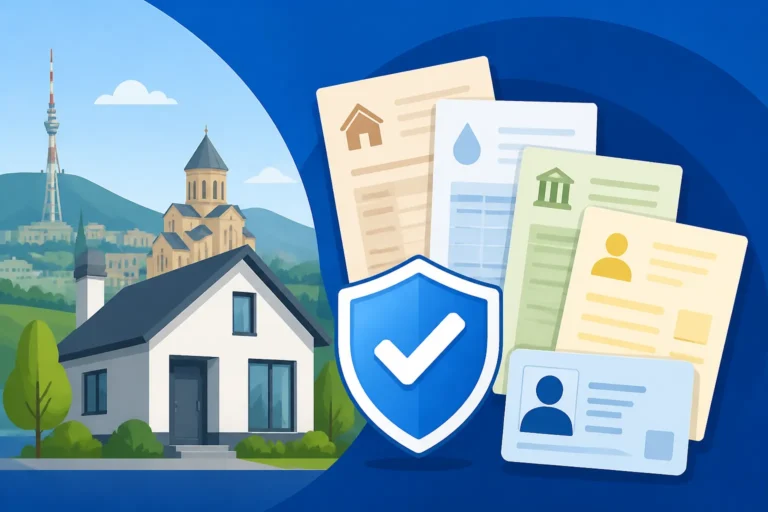
Gathering the right documents is often the most time-consuming part, especially with a tiny human demanding all your attention. It's like a scavenger hunt, but with more emotional stakes. Here's what you'll typically need:
- Newborn's Georgian Birth Certificate: As mentioned, this is paramount. Ensure it’s an original or a certified copy from the Public Service Hall itself. If you've also obtained a birth certificate from your home country's embassy, that can be helpful for your records, but the Georgian one is what's needed here.
- Newborn's Passport: Yes, your tiny human needs their own passport! This means coordinating with your embassy or consulate in Georgia (or your home country if you plan to travel there quickly) to obtain one. The name on the passport must match the Georgian birth certificate exactly. This can sometimes be a bottleneck, as embassy processing times vary wildly, so start this process immediately after birth.
- Parents' Passports: Original and copies of the passports for both parents.
- Parents' Valid Georgian Residence Permits: Original and copies of your current, unexpired residence permits. This is usually the basis for the child's dependent permit. Make sure your own permit isn't expiring soon, as this can complicate things. You can find more details on The Expat Guide to Getting a Residence Permit in Georgia (2027).
- Proof of Relationship: Your marriage certificate (if married). If unmarried, you may need additional documentation proving co-parentage, though often the inclusion of both parents on the birth certificate and simultaneous presence at the application can suffice. Again, original and certified Georgian translation (if not already in Georgian) are key.
- Proof of Accommodation: A rental agreement or property ownership certificate for your place of residence in Georgia. This shows your baby has a place to live.
- Proof of Sufficient Funds: Bank statements from a Georgian bank account proving you have enough funds to support your family, including the new dependent. The exact amount isn't always rigidly defined, but it should clearly show you can cover living expenses. As a rule of thumb, budget at least 2,500-3,000 GEL per adult and a similar amount for the child annually, though more is always better.
- Application Form: This will be provided at the Public Service Hall or can sometimes be downloaded online.
- Passport-style photos of the newborn: Check the specific requirements for size and background. Believe me, getting a baby to sit still for a passport photo is an Olympic sport, so prepare for multiple attempts!
- Receipt for the application fee: This needs to be paid at the bank counter within the PSH.
Remember, any documents not in Georgian must be translated by a certified translator and often apostilled or legalised. This includes your marriage certificate and the baby's foreign passport, if you want to include foreign name spellings on the permit. For a comprehensive overview, refer to Understanding Document and Translation Requirements for Georgia Immigration.
Navigating the Public Service Hall: Application Submission
With your stack of meticulously prepared documents (and a well-fed baby, hopefully!), you're ready for the Public Service Hall. The PSH in Tbilisi (and other major cities) is generally quite modern and efficient, which is a blessing.
First, you'll want to take a ticket for "residence permits" or "immigration services." The queue can sometimes be long, but usually, it moves along. When your number is called, you'll approach the counter. The officer will review your documents. Be prepared for them to ask questions and possibly request additional information or clarification. This is normal. Politeness and patience are your best friends here. They might seem stern, but they're just doing their job, following the rules.
If all documents are in order, they will guide you to pay the fee at the bank counter within the PSH. The fees for a residence permit vary based on the processing speed you choose (30 days, 20 days, 10 days, or even 5 days for an expedited fee). For a newborn, unless you have an immediate travel plan, the standard 30-day processing is usually sufficient and more budget-friendly. Once the fee is paid, you return to the officer with the receipt, and they will formally submit your application. You'll receive a confirmation slip.
The Waiting Game and What to Expect
Once your application is submitted, it's time for the dreaded waiting game. This can feel like an eternity, especially when you have a new baby. The official processing times are generally met, but sometimes there can be slight delays, particularly during peak application periods. During this time, your application is reviewed by the Public Service Development Agency (PSDA).
You might not hear anything unless there's an issue or a request for more information. So, no news is usually good news. If your application is approved, you'll receive an SMS notification. You then return to the Public Service Hall to pick up your newborn's brand-new residence permit card. This card will have the baby's photo and details, similar to your own. This permit will typically be valid for the same duration as the parents' permits, or for one year, whichever is shorter, and will need to be renewed just like yours. For details on this, see How to Renew Your Residence Permit in Georgia.
Common Hurdles and Practical Tips for Expat Parents
Navigating bureaucracy with a baby in tow isn't for the faint of heart. But armed with a little foreknowledge and some practical strategies, you can minimize the bumps in the road.
Tackling Language Barriers and Document Translation
Georgia is becoming increasingly expat-friendly, and you’ll find English speakers in many places, including sometimes at the Public Service Hall. However, relying solely on that can lead to miscommunications, especially with something as important as immigration documents. It’s highly advisable to either bring a Georgian-speaking friend or hire a professional translator to accompany you to the PSH, especially for the submission appointment. This person can help clarify any questions and ensure you understand what’s being asked.
Furthermore, any foreign-language documents, like your marriage certificate from another country or perhaps a foreign birth certificate for your child, must be officially translated into Georgian by a certified translator. These translations often also need to be notarised. Don’t skimp on this step; incorrect translations are a frequent cause of application rejections or delays. Always get your documents translated well in advance, and double-check them for accuracy.
Financial Considerations and Health Insurance for Your Newborn
Let's talk money and peace of mind. While Georgia is generally affordable, the costs associated with a newborn can add up. The residence permit application itself has fees (which you can check at How Much Does It Cost to Apply for a Residence Permit in Georgia?), but beyond that, you'll want to budget for things like baby supplies, paediatrician visits, and, critically, health insurance.
Georgia's universal healthcare program is primarily for citizens and those covered under specific employment schemes. As an expat, your newborn will likely not be covered by default. It's imperative to secure private health insurance for your child. It’s wise to explore comprehensive international health insurance options, like those offered by Cigna Global, which can provide peace of mind and cover everything from routine check-ups and vaccinations to unexpected emergencies. While local insurance options exist, international plans often offer broader coverage and English-speaking support, which can be invaluable when dealing with a sick child in a foreign country. For more on this, check out Health Insurance in Georgia: Private and International Options Explained.
Planning Ahead: Beyond the First Residence Permit
Getting that first residence permit for your newborn is a huge milestone, but it's not the end of the journey. Remember that residence permits have expiration dates. You will need to renew your child's permit just as you renew your own. The renewal process is similar to the initial application, requiring updated documents, proof of continued residence, and financial solvency. Keeping good records of all previous applications and documents will make future renewals much smoother.
Also, consider what this means for your child's future travel plans. Having a residence permit allows them to live in Georgia, but their passport dictates their international travel capabilities. If you plan to travel extensively, ensure both documents are always valid. This long-term perspective is crucial for expat families. You can find useful information on Family and Dependent Residence Permits in Georgia: Bringing Your Loved Ones (2027) for more insights into family immigration.
Post-Permit Logistics and Settling In
Once your little one has their residence permit, you might feel a huge weight lift off your shoulders. But there are still a few practical steps to ensure your family is fully integrated and ready to enjoy life in Georgia.
Registering Your Child in the Local System
With the residence permit secured, you'll want to ensure your child is registered with a local clinic or paediatrician. While you might already have a doctor you trust, officially registering your child means they're on record for routine check-ups, vaccinations, and any health concerns that may arise. Many private clinics, especially in Tbilisi, cater to expat families and have English-speaking staff. It's a good idea to research paediatricians in your area and get your child enrolled early. This ensures continuity of care and access to essential childhood vaccinations, which you can learn more about in Understanding Childhood Vaccination Schedules in Georgia.
Even if you have private insurance, having a regular doctor who knows your child's history is invaluable. They can also help you navigate the local pharmacy system for any prescriptions, which is a whole other adventure if you're not used to it.
Moving and Shipping Baby Items
If you're still early in your expat journey or anticipating a move to a larger family home now that your numbers have grown, you might be thinking about logistics. Babies come with a surprising amount of gear, from cribs and strollers to mountains of clothes and toys. Moving these items, especially if you're relocating within Georgia or even from another country, requires planning.
When considering moving services, especially if it's an international move, it's worth looking into platforms like Sirelo. They can help you compare quotes from various international moving companies, making the process of shipping your baby's essentials (or your entire household) less daunting. Whether it's a few extra boxes or a full container, a reliable moving service can save you a lot of stress. Remember, Georgia’s streets and buildings aren’t always pram-friendly, so choose your gear wisely, but for bigger items, a good mover is indispensable. For broader relocation tips, refer to The Complete Guide to Moving to Georgia: Your First 90 Days (2027).
Key Steps for Your Newborn's Residence Permit
| Step | Description | Important Considerations |
|---|---|---|
| 1. Obtain Georgian Birth Certificate | After hospital discharge, visit the Public Service Hall (PSH) with parental passports, marriage certificate (if applicable), and hospital birth notification to get your child's official Georgian birth certificate. | Do this ASAP after birth. Get multiple certified copies. This is the foundation for everything else. |
| 2. Obtain Newborn's Passport | Contact your country's embassy/consulate in Georgia to apply for your newborn's passport. This document is essential for the residence permit application. | Processing times vary greatly; start immediately. Ensure name matches birth certificate exactly. Passport photos for infants are challenging! |
| 3. Gather Supporting Documents | Collect all necessary documents: parents' passports and residence permits, marriage certificate (translated/notarised if needed), proof of accommodation, proof of sufficient funds (bank statement), application form, and passport-style photos of the baby. | All non-Georgian documents require certified Georgian translation and often notarisation. Double-check expiration dates on parental permits. |
| 4. Submit Application at PSH | Take a ticket for residence permit services at the PSH. An officer will review your documents, guide you to pay the fee, and then formally submit your application. | Consider bringing a Georgian-speaking friend or translator. Be patient and polite. Choose processing speed based on urgency and budget. |
| 5. Await Approval & Collect Permit | Once submitted, the Public Service Development Agency processes the application. You'll receive an SMS upon approval. Return to the PSH to pick up your newborn's residence permit card. | "No news is good news" often applies. Permit validity will usually align with parents' permits or be for one year. Keep all confirmation slips. |
| 6. Post-Permit Logistics | Register your child with a local paediatrician for routine check-ups and vaccinations. Consider comprehensive private health insurance. Plan for future renewals of the permit. | Private health insurance (e.g., Cigna Global) is crucial for expats. Stay organised with all immigration documents. |
Disclaimer
The information provided in this guide is for general informational purposes only and does not constitute legal advice. While we strive to provide accurate and up-to-date information based on our expat experience and available public resources, immigration laws and procedures in Georgia can change. It is always recommended to consult with the Public Service Development Agency or a qualified legal professional for advice specific to your individual circumstances before making any decisions related to immigration or legal status in Georgia.