The Complete Guide to Healthcare in Georgia for Expats (2027)
Moving to Georgia, whether for a new job, a fresh start, or the digital nomad lifestyle, comes with a unique set of challenges and unknowns. One of the biggest worries for many of us, myself included, is how to navigate the healthcare system if something goes wrong. Forget the beautiful landscapes or delicious khachapuri for a moment – when you're feeling unwell, all you want is reliable medical care without the headache of bureaucracy or language barriers. This guide is here to shed some light on the ins and outs of healthcare in Georgia, offering practical advice and a realistic look at what expats can expect in 2026.
Understanding Georgia's Healthcare Landscape
The Georgian healthcare system, much like its culture, is a fascinating blend of old and new, public and private. For newcomers, it can feel a bit like trying to solve a Rubik's Cube blindfolded. It's not the streamlined, single-payer system some might be used to, nor is it purely private. Understanding this dual nature is the first step to feeling more secure about your medical options here.
Public vs. Private: A Crucial Distinction
When you first land in Georgia, you might hear whispers of "universal healthcare." While it's true that Georgia has a Universal Healthcare Program (UHC), it’s vital for expats to understand that its coverage for foreigners can be quite limited and often comes with practical hurdles. The public system, while a noble effort by the government, often struggles with outdated facilities, longer wait times, and a significant language barrier outside of major cities. For many expats, the public clinics and hospitals, while accessible, don't always meet the expectations they might have from their home countries in terms of comfort, communication, or specialist availability.
On the other hand, the private healthcare sector in Georgia has flourished, particularly in Tbilisi and Batumi, catering to those who can afford better facilities and English-speaking staff. These private clinics and hospitals are generally well-equipped, modern, and staffed by doctors who have often received training abroad. The service quality can be remarkably high, and the experience far more reassuring for foreigners. However, this level of care comes at a cost, making robust health insurance a non-negotiable for most expats. This distinction is paramount when you're considering Public vs Private Healthcare in Georgia: What Expats Need to Know. It's not just about preference; it's often about practical access and peace of mind.
The Universal Healthcare Program UHC Explained
Georgia's Universal Healthcare Program (UHC) aims to provide basic medical services to all citizens and certain categories of residents. For Georgian citizens, it covers a range of primary care services, some specialist consultations, emergency care, and certain medications, often with co-payments. However, for expats, the UHC often presents a complex picture. Generally, long-term residents and those officially employed and paying social contributions may qualify for some level of UHC coverage, but it's rarely comprehensive enough to replace private insurance. Short-term visa holders, digital nomads, and even many self-employed individuals often find themselves largely outside the UHC's practical safety net, or facing significant out-of-pocket costs for anything beyond rudimentary emergency services.
The eligibility rules can be fluid and depend heavily on your residency status and employment type. If you're pondering Understanding the Universal Healthcare Program (UHC) in Georgia, it's crucial to consult with the Public Service Development Agency or a local insurance broker to clarify your specific situation. Many expats who initially hope to rely on UHC quickly discover that the coverage doesn't extend to their needs, or the administrative process to access it is too cumbersome, especially if they don't speak Georgian. This often pushes them towards the private sector and the necessity of private health insurance for comprehensive protection.
The Role of Pharmacies and Medication Access
Even if you manage to navigate the doctor's office, the pharmacy system is another beast entirely. Pharmacies (აფთიაქი – apteaki) are abundant in Georgia, especially in urban areas like Tbilisi and Batumi. You'll find them on almost every street corner, and many operate 24/7, which is incredibly convenient. The major chains like PSP, GPC, and Aversi are widespread and generally well-stocked. What's surprising to many expats is the availability of certain medications that might require a prescription in their home countries. Antibiotics, for instance, are often available over the counter, though this trend is slowly beginning to change with increasing regulations.
When it comes to Prescription Medications and Pharmacies in Georgia: The Complete Guide, it's good to know that prices for many generic medications can be quite reasonable compared to Western countries. However, branded or specialized drugs might be more expensive or require special ordering. Always bring your prescription, ideally with the generic name of the drug, or even the box if you're trying to find an exact match. While pharmacy staff might not always speak English, larger branches in expat-heavy areas usually have at least one English-speaking pharmacist who can help. For ongoing conditions, establishing a relationship with a local doctor who can write prescriptions is essential, as some medicines still require a Georgian prescription.
Navigating Health Insurance as an Expat in Georgia
This is where the rubber truly meets the road for most of us. Relying solely on the public system or hoping for the best is a gamble many expats quickly learn isn't worth taking in Georgia. Private health insurance isn't just a good idea; for many, it's a fundamental pillar of feeling secure and well-cared for.
Why Private Health Insurance is Almost Essential
Let's be blunt: if you want dependable, high-quality healthcare in Georgia without the constant worry of crippling medical bills, private health insurance is your best friend. As mentioned, the public system, while theoretically available, often falls short for expats due to language barriers, varying quality of care, and sometimes ambiguous eligibility. Imagine being in pain, trying to explain your symptoms in broken Georgian, or waiting hours in a crowded public clinic. It's not a pleasant scenario.
Private insurance grants you access to modern, private clinics like MediClub Georgia or the American Medical Centers, which are geared towards international clients. These facilities often boast English-speaking medical professionals, state-of-the-art equipment, and a level of service that can feel a world away from the public alternative. Many expats working in Georgia find that their employers provide some form of private health insurance, but if you're self-employed, a freelancer, or a digital nomad, securing your own policy is absolutely vital. This isn't just about covering emergencies; it's about preventative care, specialist visits, and having a consistent point of contact in a system that can otherwise feel fragmented. For a deeper dive into why it's so important, check out Health Insurance in Georgia: Private and International Options Explained.
Local vs. International Insurance Options
When you start looking for private health insurance, you'll generally encounter two main categories: local Georgian providers and international insurance companies. Both have their pros and cons, and the "best" option really depends on your specific needs, budget, and travel habits.
Local Providers:
Georgian insurance companies, such as Aldagi, Irao, and PSP Insurance, offer plans tailored to the local market. These plans are often more budget-friendly and are designed to work seamlessly with local private clinics and hospitals. The claims process is typically straightforward within Georgia, and the customer service might be available in Georgian and English. However, their coverage outside of Georgia is usually minimal or non-existent. If you plan to spend most of your time in Georgia and don't travel extensively, a local plan could be a cost-effective solution. They understand the local system and often have direct billing agreements with major private clinics, reducing your upfront costs.
International Providers:
These are global giants offering comprehensive health insurance that covers you not just in Georgia but also across many other countries, and often back in your home country. Companies like SafetyWing (which is particularly popular with digital nomads for its travel medical insurance and expat health insurance options), Cigna Global, or Allianz Care provide plans that can be incredibly flexible. This is ideal if you're a frequent traveler, or if you want the peace of mind of knowing you're covered no matter where your adventures take you. The downside is that international plans tend to be more expensive than local ones. Their claims process might also involve more paperwork, and you might need to pay upfront for services and then seek reimbursement, although many are moving towards direct billing with international providers. The benefit of a company like SafetyWing is its focus on the transient lifestyle, offering month-to-month subscriptions and coverage that adapts to your movements. When you're trying to figure out How to Choose Between Local and International Health Insurance in Georgia, consider your lifestyle, how often you leave Georgia, and your budget carefully.
Choosing the Right Policy for Your Needs
Selecting a health insurance policy isn't a one-size-fits-all situation. It requires a bit of introspection about your health, your lifestyle, and your financial situation. First, consider your health history. Do you have any pre-existing conditions? Some policies might exclude these or charge a higher premium. Be upfront about any medical issues to avoid complications with claims later. Second, think about your typical healthcare usage. Do you only need coverage for emergencies, or do you want access to routine check-ups, dental care, or maternity services? Comprehensive plans will cover more but cost more.
Next, evaluate your travel plans. If you're a digital nomad bouncing between countries, an international plan from providers like SafetyWing makes a lot of sense, as it covers you globally. If Georgia is your primary base and you rarely leave, a local plan could be more economical. Also, look closely at the policy's limits, deductibles, and co-payments. A higher deductible usually means a lower monthly premium, but you'll pay more out-of-pocket before your insurance kicks in. Understand the network of clinics and hospitals the insurer works with. Do they have direct billing agreements with your preferred private clinics in Tbilisi or Batumi? Finally, read the fine print regarding exclusions, waiting periods, and the claims process. Don't be afraid to ask questions, compare multiple quotes, and even speak to a local insurance broker for advice. They can often demystify the jargon and help you find a plan that genuinely fits your requirements.
| Feature | Universal Healthcare Program (UHC) | Local Private Insurance | International Private Insurance (e.g., SafetyWing) |
|---|---|---|---|
| Eligibility for Expats | Limited, depends on residency/employment | Open to all residents | Open to all, often geared to digital nomads/travelers |
| Coverage in Georgia | Basic, often with co-pays, variable quality | Good, access to private clinics | Excellent, access to private clinics |
| Coverage Outside Georgia | Generally none | Very limited or none | Comprehensive, global coverage |
| Cost | Low/Free (if eligible), co-pays | Moderate | Higher |
| Language Support | Mostly Georgian | Mixed, often English options | Usually excellent English support |
| Claims Process | Can be bureaucratic | Generally straightforward | Can involve upfront payment, then reimbursement |
| Service Quality | Varies, can be basic | Good to excellent | Good to excellent |
| Flexibility | Low | Moderate | High, especially for travel/expat lifestyles |
Finding and Accessing Medical Care in Georgia
Once you have your insurance sorted, the next hurdle is actually finding a doctor and navigating the appointment system. This can be intimidating in a new country, especially if you're feeling unwell. However, with a bit of guidance, it's entirely manageable.
Locating English-Speaking Doctors and Clinics
This is probably one of the most common concerns for expats, and rightfully so. Communication is key in healthcare, and being able to explain your symptoms and understand your diagnosis in a language you comprehend is invaluable. Fortunately, in major cities like Tbilisi, Batumi, and Kutaisi, finding English-speaking medical professionals is increasingly easy, especially within the private sector. Reputable private clinics often advertise their multilingual staff.
A great starting point is to ask for recommendations within expat Facebook groups or forums. Word-of-mouth is incredibly powerful here. You'll often hear names of specific doctors or clinics that are known for their expat-friendly services. Online search engines can also help; try searching for "English-speaking doctor Tbilisi" or "international clinic Georgia." Some well-known private clinics in Tbilisi that often cater to foreigners include MediClub Georgia, American Medical Centers, and Evex Hospitals (some branches have international departments). These facilities typically have websites in English and dedicated staff who can assist you. Remember, when you're feeling under the weather, knowing How to Find an English-Speaking Doctor in Georgia can make all the difference. Don't hesitate to call ahead to confirm language capabilities when making an appointment.
The Process of Appointments and Consultations
Once you've identified a clinic or doctor, the appointment process is usually quite straightforward, especially with private providers. Most private clinics allow you to book appointments by phone or through their website. When you call, make sure to specify that you need an English-speaking doctor. You’ll usually be asked for your name, contact information, and a brief reason for your visit. Arriving a few minutes early for your first appointment is always a good idea to complete any registration forms. You'll need to present your passport and, if you have it, your health insurance card.
Consultations typically run smoothly. Doctors in private clinics are generally thorough, and you should feel comfortable asking questions about your condition, treatment options, and any medication prescribed. Don't be shy about asking for clarification if something isn't clear, even if it means asking them to rephrase it. While a doctor's visit may cost around 50-100 GEL without insurance, the peace of mind of understanding your care is priceless. For more details on what to expect, read How Much Does a Doctor Visit Cost in Georgia?. After your consultation, you’ll typically pay at the reception, and if you have private insurance, you'll receive an invoice and a medical report to submit for reimbursement.
Specialist Referrals and Hospital Admissions
The referral system in Georgia is less rigid than in some Western countries. In the private sector, you often don't need a referral from a general practitioner (GP) to see a specialist. You can usually book an appointment directly with a dermatologist, gynecologist, or cardiologist, for example. However, if you're unsure which specialist you need, starting with a GP at a private clinic is always a good idea, as they can accurately diagnose your condition and guide you to the appropriate expert. This approach can save you time and money.
For hospital admissions, if it's a planned procedure, your specialist will arrange it directly with a private hospital. If it's an emergency, you'll be taken to the nearest hospital equipped to handle your condition. Private hospitals like New Hospitals, Medulla, or some branches of Evex, generally offer private rooms and better amenities, which is where your private health insurance really shines. For a deeper understanding of this process, consider How Specialist and Hospital Referrals Work in Georgia. Upon admission, the hospital staff will typically contact your insurance provider to confirm coverage, especially if you have an international plan. Always carry your insurance details and passport with you in case of any medical need that could lead to hospitalisation.
Costs and Payments: What to Expect
Let's talk money, because healthcare costs can quickly escalate if you're not prepared. While Georgia is generally considered an affordable country, medical expenses, especially in the private sector, can still be a significant burden without proper planning.
Understanding Out-of-Pocket Expenses
Even with private health insurance, you might face some out-of-pocket expenses. This could include deductibles (the amount you pay before your insurance starts covering costs), co-payments (a fixed amount you pay for a service, like a doctor's visit, while your insurance covers the rest), or costs for services not covered by your specific plan. For instance, many standard insurance plans don't fully cover dental work or specific niche therapies, meaning you'll pay a larger portion yourself.
A routine doctor's visit to a private clinic might cost anywhere from 50 to 120 GEL without insurance. Specialist consultations could be slightly higher, ranging from 80 to 150 GEL. Diagnostic tests, like blood tests, X-rays, or MRI scans, can vary widely. A basic blood panel might be 50-100 GEL, while an MRI could be 300-800 GEL, depending on the body part and clinic. Medications, as discussed, are generally affordable. It's crucial to clarify with your insurance provider exactly what your plan covers and what your out-of-pocket responsibilities are. Don't be afraid to ask for a price estimate before undergoing any major procedures or tests. Getting a handle on Understanding Out-of-Pocket Healthcare Costs in Georgia is a key part of financial preparedness for expats.
How Insurance Reimbursement Works
For many private insurance plans, especially international ones like SafetyWing, the process often involves paying for your medical services upfront and then submitting a claim for reimbursement. This means you need to have funds available to cover the costs initially.
To successfully claim reimbursement, you'll need to keep meticulously organized records. This includes detailed invoices from the clinic or hospital, clearly itemizing the services received and their costs. You'll also need the doctor's report, translated into English if necessary (though most private clinics provide reports in English upon request). Submit these documents to your insurance provider along with a completed claim form, usually available on their website or app. The timeline for reimbursement can vary, from a few days to several weeks, so patience is key. Some local private insurance providers may have direct billing arrangements with specific clinics, which means they handle the payment directly with the clinic, and you only pay your co-payment or deductible. Always confirm if direct billing is an option before your appointment. This aspect of How to Claim Reimbursement from Private Insurance in Georgia is crucial for budgeting and cash flow.
Average Costs for Common Treatments
To give you a clearer picture, here's a rough breakdown of average costs you might encounter for common treatments in Georgia, especially in private clinics, assuming no insurance or before reimbursement:
- General Practitioner (GP) Visit: 50 – 120 GEL
- Specialist Consultation (e.g., Cardiologist, Dermatologist): 80 – 150 GEL
- Basic Blood Test Panel: 50 – 100 GEL
- X-Ray: 70 – 150 GEL
- Ultrasound (e.g., Abdomen): 80 – 180 GEL
- MRI Scan: 300 – 800 GEL (depending on complexity and facility)
- Dental Cleaning: 80 – 150 GEL
- Tooth Filling: 100 – 250 GEL
- Emergency Room Visit (non-admission): 100 – 300 GEL (this can vary wildly)
- Over-the-counter antibiotics: 10 – 50 GEL
- Prescription medications: Highly variable, but generally affordable for common drugs.
These figures are approximate for 2026 and can fluctuate based on the clinic's prestige, the doctor's experience, and the specific location (Tbilisi being generally more expensive than smaller towns). For a comprehensive breakdown, consider looking into The Cost of Healthcare in Georgia: A Complete Breakdown for Foreigners (2026). While these costs might seem low compared to Western countries, they can add up quickly without insurance, especially for serious conditions or hospitalization.
Emergency Medical Care in Georgia
No one wants to think about an emergency, but being prepared is the best defense. Georgia has a national emergency service, and knowing how to access it and what to expect is crucial for every expat.
When and How to Call 112
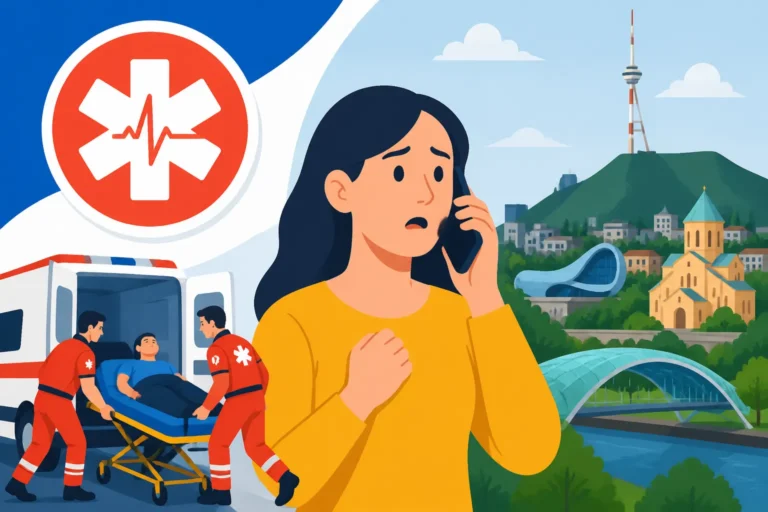
Georgia's unified emergency number is 112. This is the number to call for police, fire, and medical emergencies. When you dial 112, you'll reach an operator who can dispatch the appropriate services. Critically, 112 operators in major cities often have English language capabilities, so don't hesitate to speak in English if you're unable to communicate in Georgian. Clearly state the nature of your emergency, your exact location (as precisely as possible, including street name, building number, and any nearby landmarks), and your phone number.
Ambulances are generally dispatched promptly for serious incidents. However, for less critical situations, or if you're not sure if it's a true emergency, it might be more efficient to go directly to a private clinic or hospital emergency department by taxi if you are able. Georgian ambulances might not always be as well-equipped as those in some Western countries, but they will provide basic life support and transport to the nearest appropriate medical facility. Understanding Emergency Medical Care in Georgia: What Every Expat Needs to Know is non-negotiable for personal safety.
Navigating Emergency Rooms and Hospitals
Upon arrival at an emergency room, whether public or private, expect a triage system. Patients with the most critical conditions will be seen first, regardless of when they arrived. Wait times can vary significantly depending on the severity of your condition and the hospital's current workload. In public hospitals, the environment might be chaotic, and language can be a significant barrier. Having a Georgian friend accompany you, if possible, can be a huge advantage.
In private hospitals, the experience is usually more orderly and comfortable. Many private hospitals in Tbilisi have dedicated emergency departments with English-speaking staff. They will typically ask for your identification (passport) and insurance details upfront. Be prepared to provide a deposit or proof of insurance coverage if you are being admitted or undergoing significant procedures, especially if you're on an international plan. For a more detailed look into hospital experiences, you might want to read Understanding Hospital Admission and Billing in Georgia. Always keep your passport and insurance information accessible, perhaps a digital copy on your phone, so you can easily provide it when needed.
Preparing for Medical Emergencies
Preparation is key. First, always know your address in Georgian and English. It sounds simple, but in a panic, remembering your street name can be surprisingly difficult. Second, save the 112 number to your phone. Third, carry your health insurance card and a copy of your passport with you at all times, or at least easily accessible. You might also want to keep a small card in your wallet with your blood type, any known allergies, and critical medical conditions in both English and Georgian.
If you have chronic conditions or take specific medications, make sure you have an emergency supply and a doctor's note, ideally translated, detailing your condition and prescribed treatment. Consider telling a trusted friend or expat contact where your emergency information is kept. Having a basic first-aid kit at home with essentials like pain relievers, bandages, antiseptic wipes, and any personal medications is also a smart move. These small steps can make a big difference if you ever find yourself in a medical emergency situation.
Specific Healthcare Needs for Expats
Expats often have unique healthcare needs, whether it's managing a family, seeking dental care, or addressing mental health. Georgia's system offers solutions, but it pays to know where to look.
Maternity and Pediatric Care
For expat families, maternity and pediatric care are paramount. Georgia has a well-developed private maternity care sector, particularly in Tbilisi. Hospitals like Zhordania Clinic or some Evex branches are highly regarded and offer comprehensive prenatal, delivery, and postnatal care packages. Many of these clinics have English-speaking obstetricians and gynecologists, and the facilities are typically modern and comfortable. The cost of childbirth in a private hospital is significantly lower than in many Western countries, making it an attractive option for many. For example, a normal delivery in a private hospital might range from 2,000 to 5,000 GEL, though a C-section would be higher. Private health insurance often includes maternity coverage, but always check the specifics of your policy, including any waiting periods.
When it comes to pediatric care, finding an English-speaking pediatrician in Tbilisi or Batumi is relatively easy in the private clinics. These clinics offer routine check-ups, vaccinations, and treatment for childhood illnesses. Understanding Childhood Vaccination Schedules in Georgia is important for new parents to ensure their children are protected according to local standards. Many expat parents rely on these private clinics for their children's healthcare due to the consistent quality of care and ease of communication.
Dental and Mental Health Services
Dental care in Georgia is notably affordable compared to Europe or North America, which makes it a popular destination for dental tourism. You'll find a plethora of private dental clinics in major cities, offering everything from routine cleanings to complex procedures like implants and orthodontics. Many dentists in these private practices are highly skilled and have modern equipment. A standard dental cleaning might cost 80-150 GEL, while a filling could be 100-250 GEL. While some private health insurance plans offer limited dental coverage, comprehensive dental plans are often separate or require an add-on. For a detailed breakdown of costs, refer to Understanding Dental Care Costs in Georgia. Again, expat groups are a good resource for recommendations for English-speaking dentists.
Mental health services are still developing in Georgia, and while stigma is gradually decreasing, finding English-speaking therapists or counselors can be a bit more challenging than finding a physical doctor. However, resources are growing. In Tbilisi, you can find private psychologists and psychiatrists who offer sessions in English. Some international clinics might have mental health professionals on staff or can provide referrals. Online therapy platforms also offer a viable option for many expats seeking mental health support from professionals outside Georgia, which may be covered by international insurance like SafetyWing depending on the policy. When searching for support, How to Access Mental Health Services in Georgia as an Expat is a good starting point for your research.
Chronic Conditions and Ongoing Care
Managing chronic conditions like diabetes, hypertension, or autoimmune diseases requires consistent care and medication. If you have a chronic condition, it's vital to establish care with a specialist in a private clinic soon after arriving in Georgia. Bring all your medical records, including detailed diagnoses, treatment plans, and medication lists (with generic names), preferably translated into English.
Your chosen specialist will manage your ongoing care, including prescriptions and regular check-ups. Ensure your private health insurance policy covers ongoing treatment for pre-existing conditions, as this is often an area with exclusions or higher premiums. Building a relationship with a trusted pharmacy for regular medication refills is also important. While Georgia’s healthcare system might require a bit more proactive management from expats, it is absolutely possible to receive high-quality ongoing care for chronic conditions, especially within the private sector.
Challenges and Tips for a Smoother Experience
Living in Georgia offers incredible experiences, but like any expat journey, it comes with its share of practical challenges. Healthcare is no exception, but with some foresight and preparation, you can navigate it smoothly.
Language Barriers and Communication
Even with the increasing number of English-speaking doctors, language can still be a significant hurdle, particularly outside of the main expat hubs or in public facilities. Georgian is the official language, and while many younger Georgians, especially in Tbilisi, speak English, older generations and staff in some public institutions may not. This can lead to miscommunications, misunderstandings about symptoms, or difficulty interpreting instructions.
Tips for overcoming language barriers:
- Learn basic medical phrases: Even a few key Georgian words can go a long way.
- Use translation apps: Google Translate or similar apps can be lifesavers for simple conversations or translating documents.
- Bring a Georgian friend: If you have a trusted local friend, ask them to accompany you to appointments, especially for initial visits or complex discussions.
- Choose expat-friendly clinics: These clinics often have dedicated English-speaking staff, from receptionists to nurses and doctors.
- Request written instructions: Ask doctors to write down diagnoses, medication names, and instructions clearly, which you can then translate at your leisure.
Cultural Differences in Medical Practice
Healthcare culture in Georgia can sometimes differ from what expats are used to. For instance, doctors might seem more direct or less inclined to offer extensive explanations unless prompted. Patient-doctor confidentiality is generally respected, but the approach to discussing sensitive topics might vary. There's also a strong emphasis on preventative care and sometimes a more conservative approach to treatment, especially with antibiotics, which are, surprisingly, sometimes over-prescribed or self-prescribed by locals.
It's common for doctors to ask about your family history in great detail, as part of a holistic approach to diagnosis. Don't be surprised if your doctor recommends natural remedies or traditional practices alongside modern medicine. Be open-minded but also assertive about your preferences and comfort levels. Don't hesitate to ask questions, seek second opinions if you're unsure, and always advocate for your own care. While doctors are highly respected, a collaborative approach to your health is often achievable if you communicate your wishes clearly.
Essential Advice for New Arrivals
For newcomers, the initial period can be overwhelming. Here are some critical pieces of advice for navigating healthcare in Georgia:
- Get private insurance immediately: This is arguably the most important step. Don't wait until you're sick. Research and purchase a suitable local or international plan (like those offered by SafetyWing) as soon as you arrive, or even before.
- Locate a trusted GP: Find an English-speaking general practitioner at a private clinic you like. Establishing this relationship early means you have a go-to person when you do feel unwell.
- Know your emergency numbers: Save 112 to your phone and understand how to use it.
- Carry essential documents: Always have your passport (or a copy) and insurance card easily accessible.
- Build a small medical kit: Stock your home with basic over-the-counter medications, first aid supplies, and any personal prescriptions.
- Connect with the expat community: Join online groups and ask questions. Expats are often the best resource for up-to-date recommendations and advice. Knowing How Expats Access Healthcare in Georgia: The Complete Guide (2027) will make your transition much smoother.
Disclaimer
The information provided in this guide is intended for general informational purposes only and does not constitute medical, legal, or professional advice. While we strive to keep the information accurate and up-to-date for 2026, healthcare regulations, policies, and costs in Georgia can change. It is essential to consult with qualified medical professionals, insurance providers, and legal experts for advice tailored to your specific situation. Reliance on any information in this guide is solely at your own risk.