Can I Walk Into a Clinic Without an Appointment in Georgia?
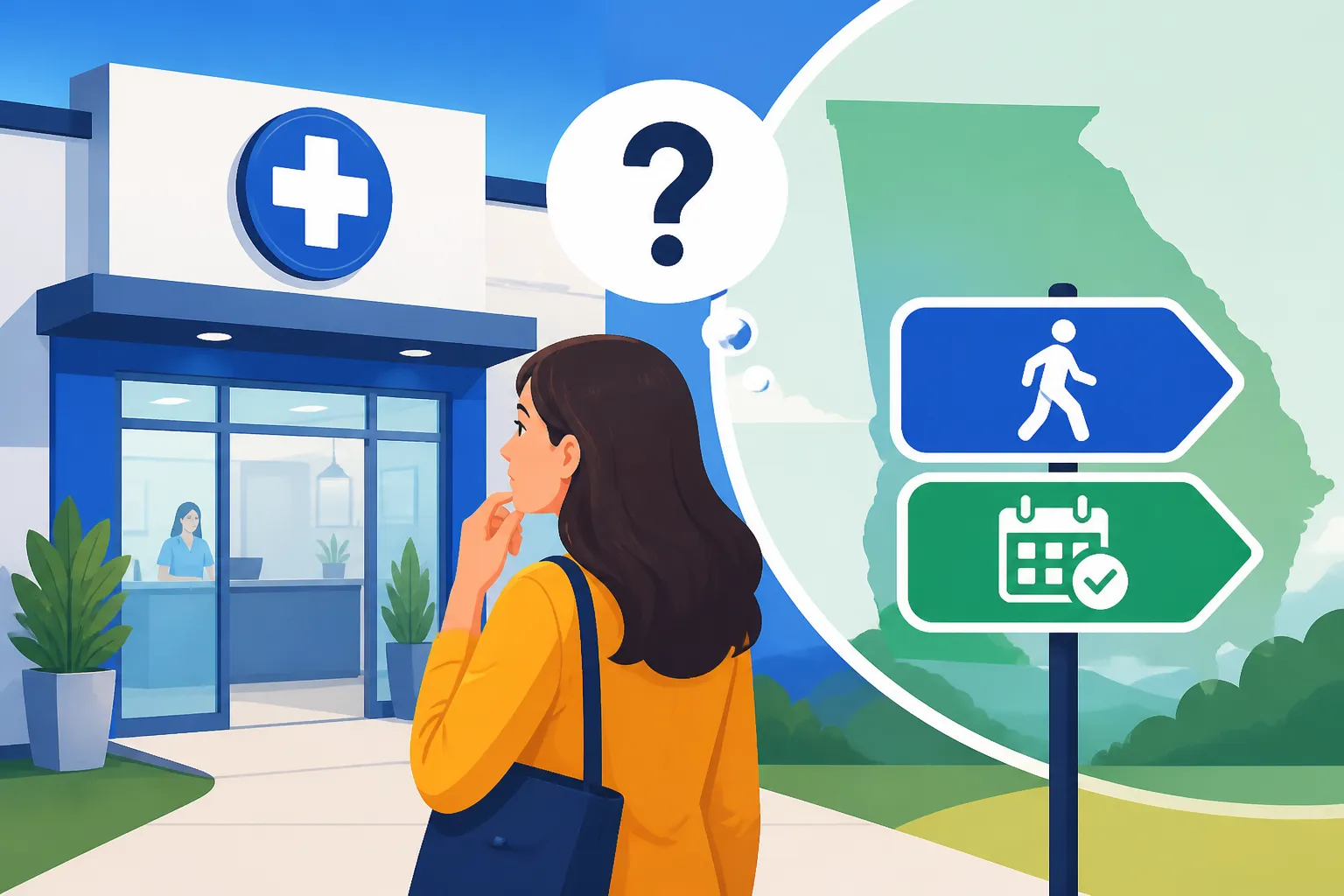
You’ve just woken up with a throbbing headache that won't quit, or maybe you’ve had a minor mishap and need to get a cut checked out. Your first instinct, probably like mine was when I first moved here, is to wonder: "Can I just walk into a clinic in Georgia, or do I need an appointment?" It's a valid question, and the answer isn't always as straightforward as it might be back home. This guide will help you understand the realities of accessing medical care in Georgia when you're caught off guard and haven't had time to schedule.
The Reality of Walk-In Clinics in Georgia
Let's be real, the idea of a walk-in clinic where you just show up and get seen immediately for anything from a sore throat to a sprained ankle is often a comfort for expats. In Georgia, particularly in Tbilisi, Batumi, or Kutaisi, it’s a mixed bag, leaning more towards the "appointment preferred" side, especially if you're looking for quality care with minimal hassle.
Public vs. Private Clinics: A Tale of Two Systems
When you're thinking about just showing up at a clinic, it's crucial to understand the distinction between public and private healthcare facilities in Georgia. The public system, while providing essential services, isn't really set up for casual walk-ins, particularly for non-emergency situations. You might find yourself waiting for hours, struggling with language barriers, and potentially being redirected if your issue isn't deemed critical enough for immediate attention without a prior booking. The focus there is often on scheduled consultations or urgent care that warrants a trip to the emergency room, not a general practitioner visit on a whim.
On the other hand, Georgia boasts a thriving private healthcare sector, especially in the larger cities. These private clinics are generally far more accommodating. Many modern private facilities do accept walk-ins, particularly for general consultations, lab tests, or quick check-ups. However, even within the private system, showing up unannounced often means you’ll be slotted in between scheduled appointments. This can lead to unpredictable wait times. While the staff in private clinics are often more likely to speak English, which is a huge relief, they still prefer appointments to manage their flow and ensure you get the dedicated time you need. If you're pondering the various ways to get care, it’s worth reading up on Public vs Private Healthcare in Georgia: What Expats Need to Know.
When a Walk-In Is Possible and When It's Not
So, when can you realistically expect to walk into a clinic in Georgia and get seen, and when should you absolutely not even try without an appointment?
Walk-in possibilities often exist for:
- Minor ailments: Think a common cold, flu symptoms, or a sudden allergic reaction that isn't severe. Many private clinics have a "therapist" (which is Georgia's equivalent of a general practitioner) who can often see you for these.
- Routine tests: If you just need a blood test or a specific lab analysis, many private clinics have labs that operate with minimal waiting, and you often don't need a doctor's referral to get these done first.
- Prescription refills (sometimes): If you've run out of a crucial medication and your regular doctor isn't available, a walk-in to a private clinic might get you a quick consultation to secure a new prescription. However, it's often easier to just head to a pharmacy, as many common medications can be bought over the counter. For more details on this, check out Prescription Medications and Pharmacies in Georgia: The Complete Guide.
When a walk-in is generally not advisable or even possible:
- Specialist consultations: Seeing a dermatologist, cardiologist, gynecologist, or any other specialist almost always requires a prior appointment. These doctors typically have tight schedules and limited slots. You simply can't expect to just show up.
- Detailed examinations or procedures: Anything requiring specific equipment, an extended consultation time, or minor procedures (like wound stitching beyond a simple bandage) will need to be scheduled.
- Imaging (MRI, X-ray, Ultrasound): While some clinics have these facilities, you will need an appointment, and often a referral from a doctor, to undergo such tests.
- Dental care: Dentists, like other specialists, operate strictly by appointment. Emergency dental situations might sometimes be accommodated, but it's not a guarantee. For a general understanding of costs and access, you might want to look into Understanding Dental Care Costs in Georgia.
Essentially, for anything beyond a very quick, general check-up or a simple lab test, booking an appointment is your best bet to avoid frustration and long waits.
Navigating the System for Urgent (Non-Emergency) Care
Even if you can't always just walk in, Georgia's healthcare system does offer ways to get care without it being a full-blown emergency. The key is knowing your options and, ideally, being a little prepared.
The Role of General Practitioners (GPs) and Family Doctors
In Georgia, what we typically call a GP or family doctor is often referred to as a "therapist" in a general clinic setting. For most non-emergency health concerns, this should be your first point of contact. While you might occasionally get lucky with a walk-in, the most efficient way to see a therapist is by calling ahead and scheduling an appointment. Many private clinics have multiple therapists, making it easier to find an available slot.
Having a consistent doctor, even if it's just a general one, can make a world of difference. They get to know your medical history, understand your concerns, and can guide you through the system. This often means less hassle when you need a referral to a specialist or specific tests. If you’re looking to get set up, a great resource is How to Find and Register with a Clinic or Doctor in Georgia. Building this relationship proactively means you won't be scrambling when you suddenly need medical attention.
Telemedicine and Online Consultations
For quick advice or to determine if an in-person visit is even necessary, telemedicine has become an increasingly popular option, especially for expats who might face language barriers or simply prefer the convenience. Many private clinics in Georgia offer online consultations via video call. This can be a lifesaver for questions about medication, general health advice, or if you're unsure whether your symptoms warrant a clinic visit.
These services often have English-speaking doctors available, making communication much smoother. While not suitable for every medical issue, it's an excellent first step if you're feeling unwell but don't know the severity, or if you just need a quick chat with a medical professional. It saves you the trip, the wait, and potentially unnecessary exposure to other illnesses at a clinic.
What to Expect If You Do Walk In
Alright, so you've decided to take your chances and walk into a clinic. Maybe it's a mild fever, or you just need some routine blood work done quickly. Here's a dose of reality about what that experience might entail in Georgia.
Potential Wait Times and Costs
If you do manage to walk into a private clinic without an appointment, prepare yourself for potential wait times. You'll likely be asked to wait until there's a gap between scheduled patients. This could be 15 minutes, or it could be an hour or two, depending on how busy the clinic is and how many doctors are on duty. Remember, the clinic is doing you a favor by fitting you in, so patience is key. Bring a book, fully charge your phone, and mentally prepare for a bit of a delay.
When it comes to costs, walking into a private clinic for a consultation will definitely incur a fee. General practitioner consultations usually range from 50 to 100 GEL, but for a walk-in without prior booking, especially if it's a slightly more complex issue or involves any additional quick tests, it might be on the higher end of that scale. Unlike some countries where walk-in clinics might have a flat, lower rate, here you're paying for the doctor's time and expertise, and the convenience of being seen without a booking might come with a slight premium, or at least the standard rate you'd pay with an appointment. If you’re curious about typical costs, you can delve into How Much Does a Doctor Visit Cost in Georgia?.
Having private health insurance can significantly ease the financial burden. Many expats find peace of mind with international providers like SafetyWing, which often covers urgent, unexpected medical needs. Even if you're just traveling through Georgia, SafetyWing can be a great option for those unexpected "oops, I need a doctor" moments, turning a potentially stressful situation into a manageable one. It’s definitely worth considering if you don't have existing coverage, and you can learn more about comprehensive coverage in Understanding Private Health Insurance Plans in Georgia.
Language Barriers and Communication
This is often the biggest hurdle for expats in any foreign country, and Georgia is no exception. While many private clinics, especially in Tbilisi's expat-dense areas, do have English-speaking staff or at least one English-speaking doctor, it's not a universal guarantee, particularly if you're venturing outside the main cities.
If you walk in without an appointment, you might be seen by whichever doctor is available, and they might not always be proficient in English. It's a frustrating reality. I've had situations where I've resorted to Google Translate on my phone, pointing to diagrams, or even miming symptoms – it's not ideal, but it gets the message across eventually.
Tips for overcoming language barriers:
- Bring a Georgian friend: If you have a local friend who can translate for you, even just for the initial check-in, it can make a huge difference.
- Translation apps: Keep Google Translate or a similar app handy. Pre-type common medical phrases or symptoms if you can.
- Write down your symptoms: Jot down your symptoms, how long you've had them, and any medications you're taking in simple English. This can sometimes be translated by staff, or at least provide clear bullet points for the doctor.
- Be patient: Frustration is natural, but a calm demeanor helps everyone. Remember that the staff are trying their best to help you.
Proactive Steps for Expats to Avoid Walk-In Scenarios
While it's good to know the walk-in options, the best approach for any expat is to be proactive about their healthcare. Trust me, learning this the hard way is no fun.
Getting Health Insurance and Registering with a Clinic
One of the most foundational steps you can take after moving to Georgia is to sort out your health insurance. While Georgia has a Universal Healthcare Program, it primarily benefits Georgian citizens and certain categories of residents, and expats usually need private coverage. Having a robust private health insurance plan makes everything smoother, from booking appointments to covering costs. It takes the stress out of unexpected medical needs. Providers like SafetyWing are often popular among digital nomads and expats because of their flexible, comprehensive coverage, including for travel emergencies. Seriously, don't skimp on this. If you haven't yet, check out How to Buy Private Health Insurance After Moving to Georgia to understand your options.
Once you have insurance, consider registering with a specific private clinic and, ideally, finding a general practitioner you feel comfortable with. This gives you a home base for your medical needs. When you have a regular clinic, scheduling appointments becomes much easier, and they'll have your medical records on file, which streamlines any future visits. Being a registered patient often means priority for appointments and sometimes access to a broader range of services. Having The Complete Guide to Healthcare in Georgia for Expats (2027) as a reference will also serve you well.
Building a Basic Medical Kit and Knowing Emergency Numbers
Beyond insurance and a go-to clinic, every expat should assemble a basic home medical kit. This might seem obvious, but it can save you from needing a walk-in for every minor scrape or sniffle. Stock it with essentials like:
- Painkillers (paracetamol, ibuprofen)
- Antiseptic wipes and bandages
- Allergy medication
- Diarrhea medication and rehydration salts
- Basic cold and flu remedies
- Any personal prescription medications you need regularly
Knowing the emergency numbers is absolutely critical. For any life-threatening situation, don't walk into a clinic – call for an ambulance. In Georgia, the universal emergency number is 112. This single number connects you to ambulance services, fire, and police. If you're experiencing a true medical emergency, they are your first and best point of contact. For comprehensive information, make sure you know Emergency Medical Care in Georgia: What Every Expat Needs to Know and Understanding Emergency Numbers (112) and Ambulance Care in Georgia.
Having these preparations in place means that if you do fall ill, you have a clear path forward, whether it's managing it at home, calling your regular doctor for an appointment, or, in a severe case, knowing exactly who to call for immediate help. It’s all about empowering yourself to navigate the healthcare system efficiently and with less stress.
Quick Comparison: Walk-in vs. Appointment
To give you a clearer picture, here’s a quick comparison of what you can generally expect when trying to access medical care in Georgia.
| Feature | Walk-In (Private Clinic, Non-Emergency) | Appointment (Private Clinic) |
|---|---|---|
| Wait Time | Highly variable, often 30 minutes to 2+ hours, depending on clinic busyness. | Minimal, usually within 15 minutes of your scheduled time. |
| Cost | Standard consultation fee, potentially slightly higher for immediate slot. | Standard consultation fee. |
| Doctor Availability | Limited to whichever general practitioner is free; specialist unlikely. | You can request a specific doctor or specialist (if available). |
| Language Support | Hit or miss; depends on the specific doctor available at that moment. | Higher chance of finding an English-speaking doctor if requested upon booking. |
| Thoroughness | Might feel rushed if clinic is busy, focus on immediate issue. | Dedicated time for your concerns, allowing for more detailed discussion. |
| Best For | Very minor ailments, quick lab tests, urgent but non-critical issues. | Specialist consultations, routine check-ups, follow-ups, complex issues. |
| Stress Level | Higher due to uncertainty and potential delays. | Lower due to predictability and preparation. |
Disclaimer
The information provided in this guide is intended for general informational purposes only and does not constitute medical, legal, or professional advice. Healthcare regulations, availability of services, and specific procedures in Georgia can change. It is always recommended to consult with local healthcare providers, insurance companies, or legal professionals for the most accurate and up-to-date information pertaining to your individual circumstances.