Is Public or Private Healthcare Better for Expats in Georgia?
Deciding between public and private healthcare when you first arrive in Georgia can feel like navigating a maze blindfolded, especially when you're used to a completely different system. Many of us expats have been there, standing bewildered at the crossroads, unsure if we're entitled to anything, what it will cost, or if we'll even find someone who speaks English. This guide is here to untangle that confusion, breaking down both options so you can make an informed choice that suits your needs as a foreigner in Georgia.
Understanding Georgia's Healthcare Landscape for Expats
When you first land in Georgia, particularly in a bustling city like Tbilisi or the coastal charm of Batumi, you'll quickly realize that the healthcare system isn't a monolithic entity. It's a blend, a fascinating mix of public provisions and a rapidly growing, modern private sector. For many of us from countries with robust national health services or deeply integrated private insurance, this dual system can be quite a puzzle.
The Basic Structure: A Dual System
At its heart, Georgia operates with a Universal Healthcare Program (UHC), designed primarily to provide basic medical services and emergency care to its citizens. This is the "public" side of the coin. Think of it as the foundational safety net. However, alongside this, there's a vibrant and increasingly sophisticated private healthcare sector. These are the modern clinics, the specialized hospitals, and the English-speaking doctors that often become the go-to for many expats seeking convenience and a familiar standard of care.
The initial assumption for many newcomers is often, "Do expats get Universal Healthcare in Georgia?" The short answer is usually no, not automatically, and certainly not for routine care unless you meet specific, often stringent, residency criteria. This distinction is crucial, as it immediately frames your options and highlights why a private solution often becomes the de facto choice for most foreigners. It's not that the public system is inherently bad; it's simply structured in a way that often doesn't extend comprehensive coverage to the typical expat or digital nomad without a long-term, specific residency status.
The Expat's Dilemma: Cost vs. Quality vs. Access
This is where the rubber meets the road for most of us. We're juggling several important factors:
- Cost: How much will a doctor's visit actually set me back? What about prescriptions, or worse, an emergency?
- Quality: Will I receive care comparable to what I'm used to? Will I understand what's happening?
- Access: Can I get an appointment quickly? Is there an English-speaking doctor available? Will I have to navigate complex Georgian bureaucracy?
The frustration is real. You don't want to be in a medical emergency and suddenly realize you have no idea where to go, who to call, or how you'll pay. Many of us have felt that cold dread when a minor ailment becomes a major worry because the system feels opaque. That's why understanding these options upfront, even before you need them, is absolutely paramount. It brings a huge amount of peace of mind. We'll delve deeper into what these healthcare options truly mean for you, whether you're just visiting or planning to put down roots here. If you're looking for a broad overview, you might find "How Georgia's Health System Works: Universal Healthcare and Private Care Explained (2026)" to be a useful read.
Navigating Public Healthcare in Georgia: The Universal Healthcare Program
When people talk about "public healthcare" in Georgia, they're generally referring to the Universal Healthcare Program (UHC). Now, let's manage expectations right from the start: for most expats, especially those on a visa-free stay or a short-term residence permit, this isn't going to be your primary healthcare solution for routine needs. It's a system built for Georgian citizens, and while it does offer some critical functions, its accessibility and scope for foreigners are often limited.
Who is Covered and What Does it Entail?
The UHC is designed to provide medical care to Georgian citizens, and in some very specific instances, certain categories of residents with particular types of residence permits or social statuses. This typically includes a package of primary care services, emergency interventions, management of certain chronic diseases, and some inpatient services. It's a fundamental social safety net, and for those it covers, it’s a vital resource.
However, here’s the crucial point for us expats: merely having a Georgian residence permit does not automatically enroll you in the full UHC program. Eligibility is complex and often tied to factors like your employment status with a Georgian employer (where specific contributions might be made), your income level (some vulnerable groups get more extensive coverage), or if you’ve been a long-term, tax-contributing resident for many years. Newcomers, digital nomads, and those who are self-employed under the 1% tax scheme or working remotely for foreign companies are generally not covered by UHC for routine care. This often comes as a surprise, leading to that moment of "What happens if I get sick without insurance in Georgia?" The answer, usually, is that you'll be paying out of pocket for everything. For a broader perspective on expat access, check out "How Expats Access Healthcare in Georgia: The Complete Guide (2026)".
Practicalities and Limitations for Foreigners
Even if, by some specific circumstance, you do qualify for a limited scope of UHC, the practicalities can be challenging.
- Language Barrier: Many public clinics and hospitals, especially outside of central Tbilisi, may have limited or no English-speaking staff. This can be incredibly stressful when you’re trying to explain symptoms or understand medical advice.
- Administrative Hurdles: Navigating the system can involve more paperwork, longer wait times, and a less streamlined process compared to private facilities. Getting registered, understanding your entitlements, and actually receiving care can be a bureaucratic headache.
- Scope of Coverage: Even for those covered, the UHC might not offer the full range of specialists or diagnostic tests you’re used to. You might find yourself needing to supplement public care with private visits for specific needs.
When the Public System Does Apply (Sort Of): Emergencies
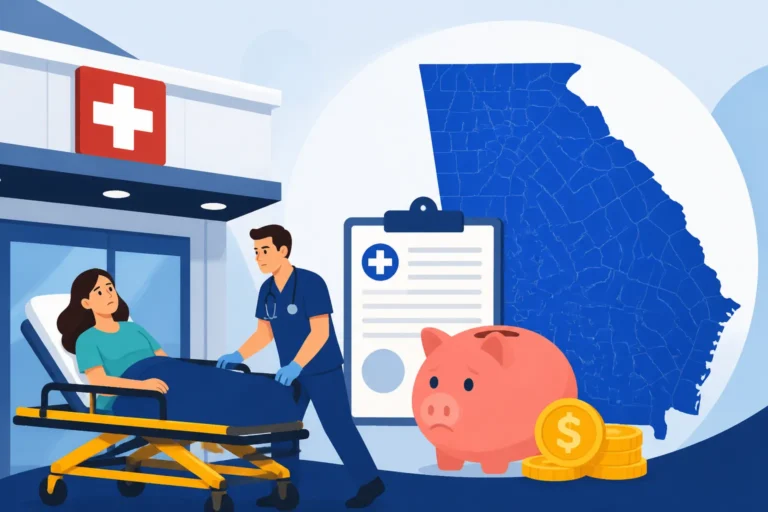
One area where the public system is universally accessible, regardless of your residency or insurance status, is for life-threatening emergencies. If you call Georgia’s emergency number, 112, an ambulance will respond. They will transport you to the nearest appropriate hospital, which will likely be a public or mixed-ownership facility. In these critical situations, immediate care will be provided. However, once stable, you will be liable for the costs of treatment unless you have private insurance that covers emergency care. It’s a safety net for immediate life preservation, not a free pass for ongoing treatment. For more on this, see "Emergency Medical Care in Georgia: What Every Expat Needs to Know".
So, while Georgia has a public healthcare system, it's generally not the solution most expats rely on for their day-to-day or even significant medical needs. This reality often steers foreigners decisively towards the private sector.
Exploring Private Healthcare in Georgia: Comfort and Choice
For the vast majority of expats in Georgia, especially those who value convenience, language accessibility, and a higher degree of comfort, the private healthcare sector is where you’ll spend most of your time and money. It’s a thriving industry here, particularly in major cities, offering a stark contrast to the often more challenging public system.
The Appeal of Private Clinics and Hospitals
The private healthcare scene in Georgia has blossomed over the past decade, especially in Tbilisi. You’ll find a growing number of modern, well-equipped clinics and hospitals that cater directly to a more discerning clientele, including a significant portion of the expat community.
What makes them so appealing?
- English-Speaking Staff: This is often the biggest draw. Many private clinics, such as those within the Evex network (like Evex Medical Corporation or the highly-regarded M. Iashvili Children’s Central Hospital for pediatric care) or some smaller, specialized clinics like the American Medical Centers, actively employ doctors and administrative staff who are proficient in English. This completely eliminates the stress of miscommunication when you’re unwell.
- Shorter Wait Times: Forget sitting for hours in a waiting room. Private clinics generally offer appointments within a day or two, and often on the same day for urgent needs.
- Modern Facilities and Equipment: These clinics invest in up-to-date diagnostic equipment, comfortable consultation rooms, and a generally more pleasant environment.
- Wider Range of Services: You can easily find specialists for almost any field, from dentistry and ophthalmology to cardiology and dermatology, all under one roof or across a network of affiliated centers. For insights into where to go, "How to Use Major Hospitals and Clinics in Tbilisi" can be a great resource.
- Patient-Centric Approach: There’s often a greater emphasis on patient experience, with clear explanations, follow-up, and sometimes even direct communication channels with your doctor.
A typical visit to a private clinic in Tbilisi for a general practitioner consultation might cost anywhere from 50 to 120 GEL, depending on the clinic and the doctor's experience. Specialist consultations can be slightly higher. While this isn't "free," it’s often considerably more affordable than comparable private care in Western Europe or North America, which is one of the reasons "Why Georgia Has Affordable Private Healthcare: The Expat Guide (2026)" is a popular read.
The Crucial Role of Private Health Insurance
While private clinics offer fantastic access, paying for every visit out of pocket can quickly add up, especially if you have a chronic condition, need specialist care, or face an unexpected emergency. This is where private health insurance becomes not just a luxury, but a near necessity for most expats in Georgia.
There are generally two routes you can take for private insurance:
- Local Georgian Insurance Providers: Companies like Irao, Aldagi, GPI Holding, and Ardi offer comprehensive health insurance plans tailored for residents in Georgia. These plans often have networks of preferred clinics and hospitals, making the direct billing process seamless. They typically cover a range of services from GP visits and specialist consultations to diagnostics, prescription medications, and inpatient care. The benefit here is that they understand the local system intimately.
- International Health Insurance: For many digital nomads, remote workers, or those who travel frequently outside Georgia, an international health insurance provider might be a better fit. These plans offer global coverage, which means you’re protected whether you’re in Tbilisi, Bali, or back home for a visit. Companies like SafetyWing are specifically designed with the digital nomad lifestyle in mind, offering flexible, travel-style medical insurance that can be a great option for those who aren't tied to one country or need coverage that extends beyond Georgia's borders. It provides that essential peace of mind, knowing your healthcare needs are covered wherever your adventures take you. SafetyWing, for example, is known for its affordability and ease of subscription, perfect for the expat on the go.
When choosing, consider what you need most:
- Do you primarily need coverage within Georgia, or do you travel a lot?
- What’s your budget for monthly premiums?
- What level of coverage do you require (basic, comprehensive, dental, maternity)?
For a deeper dive, "Health Insurance in Georgia: Private and International Options Explained" is a must-read, and if you're fresh off the plane, "How to Buy Private Health Insurance After Moving to Georgia" will walk you through the process. Understanding how much it costs is also key, so "How Much Does Private Health Insurance Cost in Georgia in 2026?" is worth reviewing.
Out-of-Pocket Costs and Budgeting
Even with private insurance, you might still encounter some out-of-pocket expenses. Most insurance plans have deductibles (an amount you pay before your insurance kicks in), co-payments (a percentage or fixed amount you pay for each service), or exclusions for certain treatments.
Here’s a snapshot of typical out-of-pocket costs you might face:
- GP Consultation: 50-120 GEL
- Specialist Consultation: 80-150 GEL (e.g., dermatologist, cardiologist)
- Blood Tests: Varies widely, from 20 GEL for a basic panel to hundreds for comprehensive diagnostics.
- Prescription Medications: Generally quite affordable compared to many Western countries. Many common medications are available over-the-counter or with a simple prescription.
- Dental Care: Dental costs in Georgia are remarkably good value, which makes it a popular destination for dental tourism. A cleaning might be 80-150 GEL, while a filling could range from 100-300 GEL.
It’s always a good idea to factor in a buffer for these potential costs when budgeting for your life in Georgia. Some expats even opt for higher deductibles on their insurance to lower monthly premiums, accepting that they'll cover routine, smaller expenses themselves. For a more detailed breakdown of finances, "The Cost of Healthcare in Georgia: A Complete Breakdown for Foreigners (2026)" and "Understanding Out-of-Pocket Healthcare Costs in Georgia" are excellent resources.
Ultimately, while the private system requires direct payment or insurance, it provides the level of care, comfort, and communication that most expats seek, making it the overwhelmingly preferred choice.
Making Your Choice: What's Best for You?
So, after all this, the big question remains: Is public or private healthcare better for you in Georgia? The honest answer, like with most things expat-related, is that it depends entirely on your personal circumstances, preferences, and long-term plans. There's no one-size-fits-all solution, and what works brilliantly for one person might be completely unsuitable for another.
Factors to Consider
Let's break down the key elements that should influence your decision:
- Your Residence Status and Length of Stay: If you’re here on a short-term visa or plan to stay less than a year, private insurance (especially flexible options like SafetyWing) is practically non-negotiable. If you’re moving towards permanent residency or have secured a job with a Georgian employer that provides benefits, you might find some limited access to aspects of the public system, but private will still be essential for comprehensive coverage.
- Your Budget: Private healthcare, while affordable by Western standards, still comes with a cost – either through insurance premiums or direct payments. Evaluate what you can comfortably afford without compromising your financial stability. If budget is extremely tight, understanding the emergency options is crucial, but it’s a risky game to play without any form of coverage.
- Desired Level of Comfort and Language: If speaking English to your doctor is a high priority, and you value quick appointments and modern facilities, private clinics are your clear winner. If you're fluent in Georgian, more adventurous, and willing to navigate potential complexities for lower costs, then you might explore the public route more thoroughly if you're eligible.
- Your Health Needs: If you have pre-existing conditions, require regular specialist visits, or are planning a family (maternity care, for instance, is often a major consideration), a comprehensive private health insurance plan is vital. It will save you significant stress and expense in the long run.
- Travel Plans: For digital nomads or those who frequently travel in and out of Georgia, an international private insurance policy that covers you globally, like those offered by SafetyWing, offers unparalleled flexibility and peace of mind.
Hybrid Approaches and Contingency Planning
It’s also important to remember that it doesn't have to be an either/or situation. Many expats adopt a hybrid approach:
- Private for Routine, Public for Emergency: While actual UHC coverage for routine care is rare for expats, many will rely on private clinics for day-to-day medical needs, knowing that Georgia's 112 emergency service will get them to a hospital in a critical situation, regardless of insurance (though costs will follow).
- Targeted Private Insurance: You might opt for a private insurance plan that covers major medical events, hospitalization, and emergencies, and pay out of pocket for smaller, routine doctor visits or dental cleanings. This can be a cost-effective strategy for healthy individuals.
The key takeaway here is simple: do not rely on Georgia's public healthcare system for comprehensive coverage as an expat. It’s a generous provision for its citizens, but it generally doesn’t extend to most foreigners for regular care. Investing in private health insurance, whether a local plan or an international one, is the single most important step you can take to safeguard your health and financial well-being while living in Georgia. Take the time to research, compare options, and choose what provides you with the most comfort and security. You don't want to find yourself in a bind, scrambling for solutions when you should be focusing on recovery. For guidance on how to secure that vital coverage, "The Complete Guide to Healthcare in Georgia for Expats (2026)" offers a great starting point, and for those settling in, "Navigating the Georgian Healthcare System: An Expat's Roadmap (2026)" provides even more detail.
Here's a quick comparison to help you visualize the differences:
| Feature | Public Healthcare (UHC) | Private Healthcare |
|---|---|---|
| Primary Beneficiaries | Georgian citizens, select long-term residents | Expats, tourists, those seeking choice |
| Coverage for Expats | Highly limited, generally only for specific statuses | Comprehensive with insurance, or pay-as-you-go |
| Cost for Expats | Free if eligible, otherwise out-of-pocket | Paid via insurance premiums or out-of-pocket |
| Language Barrier | Common, especially outside major cities | Less common, many English-speaking doctors available |
| Wait Times | Potentially longer for appointments | Generally shorter, often same-day |
| Facility Modernity | Varies, some modern, some older | Generally modern, well-equipped clinics and hospitals |
| Specialist Access | May require referrals, potentially longer waits | Direct access, wider range of specialists |
| Emergency Care | Accessible via 112 (costs apply post-stabilization) | Covered by private insurance, often direct billing |
| Ease of Administration | Can be bureaucratic, complex | Usually streamlined, patient-friendly |
Disclaimer
The information provided in this guide is for general informational purposes only and does not constitute medical, legal, or financial advice. Healthcare systems, regulations, and insurance policies in Georgia can change. While we strive to provide accurate and up-to-date information, it is essential to consult with qualified professionals, such as insurance providers, legal experts, or the relevant Georgian authorities, for advice tailored to your specific situation. Always verify current requirements and options directly with official sources.