How Do I Access My Medical Records in Georgia?
Navigating the healthcare system in a new country can feel like a labyrinth, and when it comes to something as fundamental as your medical history, the process of accessing your medical records in Georgia often leaves expats scratching their heads. Unlike some countries with highly centralized, digital health systems, Georgia's approach to medical records is a little more fragmented, which can be frustrating. This comprehensive guide aims to demystify the process, helping you understand how to obtain your personal health information from clinics and hospitals across Georgia, ensuring you're prepared for any future medical needs.
Understanding the Georgian Medical Records System
Let's be real, the Georgian healthcare system isn't always as straightforward as what many of us might be used to back home. When it comes to medical records, there isn't one universal, seamlessly integrated digital portal where all your health data lives. Instead, the system is largely decentralized, meaning your records reside primarily with the specific clinic, hospital, or doctor you visited. This can feel a bit old-school for those accustomed to instant digital access, but with a bit of persistence and understanding, it's manageable.
For a broader perspective on how the entire system functions, you might find our guide on How Georgia's Health System Works: Universal Healthcare and Private Care Explained (2027) incredibly helpful. It paints a clearer picture of the landscape you're navigating. The key takeaway here is that you'll primarily be dealing directly with individual medical institutions to get what you need, rather than a single government agency. The Public Service Development Agency (PSDA) is fantastic for many administrative tasks, but it's not a repository for your health data.
Public vs. Private Clinic Differences in Record Keeping
The type of facility you visited will significantly influence how easy or challenging it might be to access your medical records. There's a noticeable difference between the older, often more bureaucratic public hospitals and clinics, and the generally more modern private establishments.
In public clinics and hospitals, you'll often encounter a system that relies heavily on physical files. Think paper charts, handwritten notes, and a general air of "this is how we've always done it." Getting copies of your records here might involve more back-and-forth, physical visits, and potentially navigating a language barrier if you're not fluent in Georgian. Imagine needing a particular test result from a visit last year; you might have to go in person, fill out a request form (likely in Georgian), and wait a few days for them to locate and photocopy the relevant pages. It's not impossible, but it demands patience and sometimes, a local friend to help you through the process.
On the other hand, private clinics in major cities like Tbilisi and Batumi are usually more advanced. Many have adopted at least partial electronic record-keeping systems. This doesn't necessarily mean you'll get a login to an online portal, but it often translates to a more organized internal system, making it quicker for staff to locate and print your records. These clinics are also more likely to have English-speaking staff, which streamlines communication immensely. For instance, if you visit a private clinic like Evex Medical Corporation or MediClub Georgia, they might be able to provide you with printouts of your consultation notes, lab results, and even imaging reports much more efficiently. It's a noticeable difference, and one that often sways expats towards private care for continuity, as detailed in our article on Public vs Private Healthcare in Georgia: What Expats Need to Know.
Step-by-Step: Requesting Your Medical Records
So, you need your medical records. Maybe you're moving to a new clinic, applying for a visa that requires a medical history, or perhaps you're just a conscientious expat who believes in keeping a personal archive of your health journey (which, trust me, is a smart move here). Here's how you go about it.
Identify the Right Clinic and Prepare for Contact
The very first and most crucial step is to pinpoint exactly where you received the treatment or consultation whose records you need. Was it a specific doctor's office, a large hospital, or a small local clinic? You’d be surprised how often people forget the exact names or locations, especially if it was an emergency or a whirlwind trip to the doctor.
Once you’ve identified the facility, your next move is to contact them directly. Phoning is often the quickest first step, but be prepared that you might need to visit in person, especially for public institutions or smaller, older clinics. When you call, clearly state your name (as it appears on your passport), date of birth, and the specific dates of your visit(s). You’ll be asking to access your "medical history" or "patient card" ("istoria daavadebis" or "pacientis baraTi" in Georgian). If you can't speak Georgian, try to find a friend or use a translation app to help make the initial call. Remember, persistence is your best friend in these situations.
Before you go, gather your documents. This usually includes your passport, your Georgian residence permit (if you have one), and any patient ID numbers or cards the clinic might have issued you. Some clinics might have a specific request form you need to fill out, which again, could be entirely in Georgian. Having a digital translator on your phone can save you a world of headache.
Understanding Potential Fees and Timelines
Unlike some countries where accessing your records is a legal right and usually free, in Georgia, some clinics, particularly private ones, might charge a nominal fee for printing out extensive records or reports. It's generally not exorbitant, but it's something to be aware of. Always ask about potential costs upfront when you make your request.
The timeline for receiving your records can also vary wildly. For simple consultation notes or recent lab results, you might get them on the spot. However, if you're requesting a comprehensive file from several years back, especially from a public institution, it could take a few days or even a week. It all depends on how organized their archiving system is and the workload of the administrative staff. Don't expect instant gratification, and be prepared to follow up if you don't hear back within the promised timeframe.
When dealing with claims for your private health insurance, like those provided by SafetyWing, having these records readily available is crucial for proving the necessity of treatment and expediting reimbursements. Without proper documentation, the process can become much more complicated. Our guide on How to Claim Reimbursement from Private Insurance in Georgia elaborates on the importance of this.
What Information You Can Expect to Access
When you finally get your hands on your medical records, what should you expect to see? Generally, you can anticipate receiving copies of:
- Consultation notes: The doctor's observations, your symptoms, and their assessment.
- Diagnosis: The official medical conclusion.
- Treatment plans: Recommended procedures, medications, and follow-up instructions.
- Lab results: Blood tests, urine tests, etc.
- Imaging reports: X-rays, ultrasounds, MRI scans, and their interpretations (often the actual images are on a CD, which you typically pick up separately from the report).
- Prescription details: What medications were prescribed, dosage, and duration. For more on this, check out Prescription Medications and Pharmacies in Georgia: The Complete Guide.
Most of these will likely be in Georgian, so if you need them for international purposes or for a new doctor who doesn't speak Georgian, you'll need to consider professional translation services.
Dealing with Challenges and Best Practices
Let's face it, getting things done in a new country can sometimes feel like navigating an obstacle course, and accessing medical records is no exception. But with some foresight and a few good strategies, you can make the process smoother.
Overcoming Language Barriers and Decentralized Records
The language barrier is often the biggest hurdle. While many medical professionals, especially in private clinics in Tbilisi, speak English, administrative staff might not. When making calls or visiting in person, always try to have a Georgian-speaking friend with you if possible. If not, don't underestimate the power of a good translation app like Google Translate – it might not be perfect, but it can help convey your basic request. Our article on How to Find an English-Speaking Doctor in Georgia might guide you to clinics where communication is less of a struggle from the outset.
The decentralized nature of the Georgian healthcare system means there's no single "master file" of your health. This places a lot of responsibility on you to be your own medical records custodian. It’s not ideal, but it’s the reality. What this means in practice is that you should always make an effort to collect copies of important documents – lab results, specialist reports, discharge summaries – at the time of your visit. Don't wait until you need them months or years down the line. It's far easier to get a copy when the information is fresh and accessible.
Also, be aware of record retention policies. Smaller or older clinics might not keep physical records indefinitely. If you have a serious or ongoing condition, getting those records promptly and keeping your own copies is absolutely essential. Don't assume they'll always be there waiting for you.
Proactive Steps for Expats
As an expat in Georgia, being proactive about your medical records is not just good practice, it's a necessity. Here are some invaluable tips I've learned from personal experience and countless conversations with fellow expats:
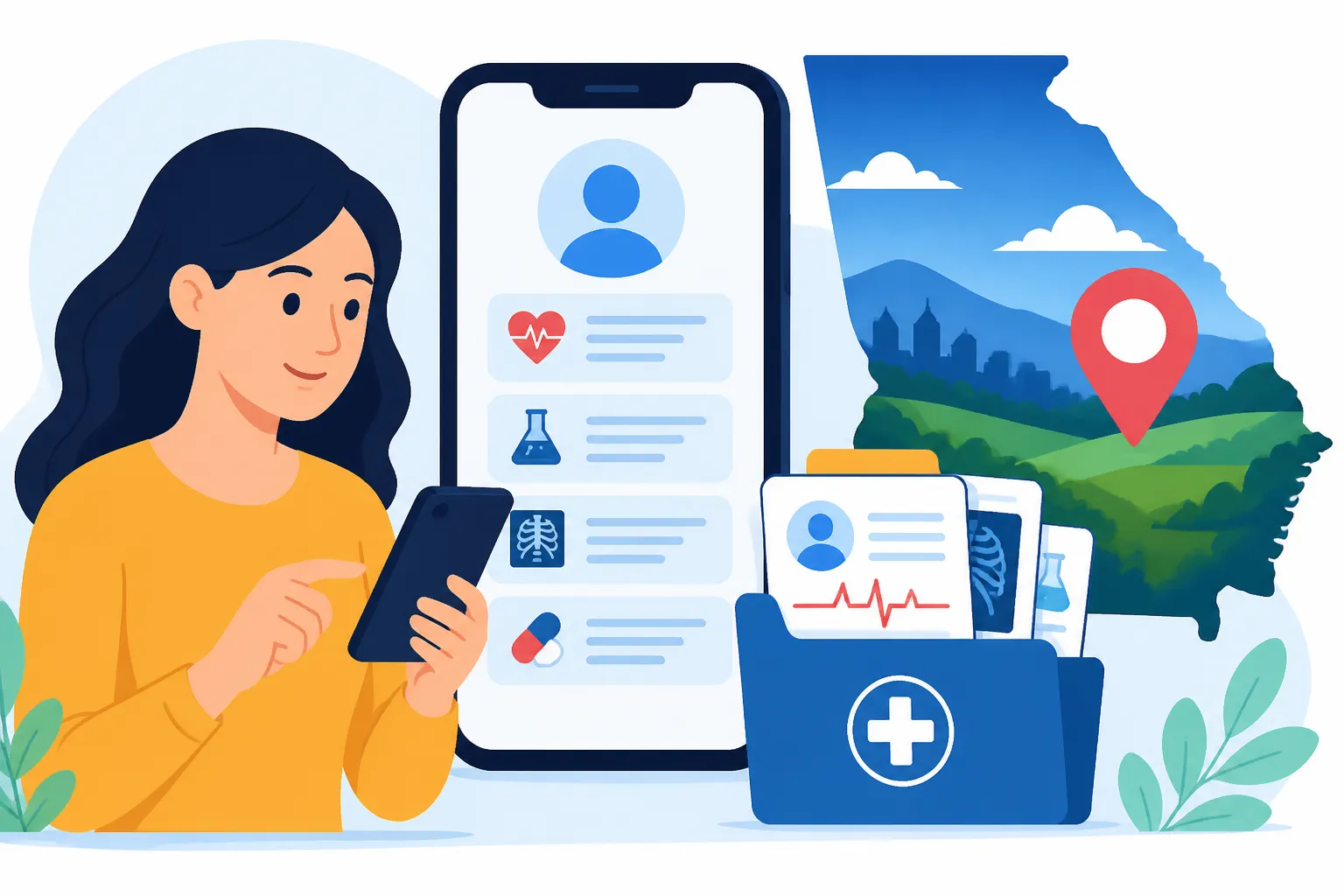
- Create Your Own Personal Health File: This is non-negotiable. Whether it's a physical folder at home, a dedicated cloud storage folder (like Google Drive or Dropbox), or both, keep copies of everything. Scan all paper documents, save digital reports, and even take photos of prescription labels. This becomes your central hub of information. This is particularly important if you frequently travel or plan to use international travel insurance like SafetyWing, which may require detailed medical history for claims or emergency treatment abroad.
- Request Copies Immediately: After every doctor's visit, lab test, or hospital stay, politely ask for copies of your reports, results, and notes. Don't leave the clinic without them if you can help it. It’s always easier to get them while you are physically there.
- Stick to One Primary Clinic (if possible): If you opt for private healthcare, try to find one reputable clinic or hospital group that you can use for most of your routine medical needs. This helps centralize your records at least within one institution, making future access much simpler. Many expats choose clinics like Evex Medical Corporation or Aversi Clinic for this reason. For advice on starting this process, see How to Find and Register with a Clinic or Doctor in Georgia.
- Translate Key Documents: If you have serious health conditions or anticipate needing care in another country, invest in professional translations of your most critical medical documents. Having these ready in English (or another required language) can save precious time in an emergency.
- Utilize International Health Insurance Features: Many international health insurance providers, including SafetyWing, offer resources or advice on managing medical records, especially when you're moving between healthcare systems. Familiarize yourself with their requirements for documentation.
Remember, your health is your responsibility, and in a system that might not always offer seamless digital integration, taking these proactive steps is the best way to ensure you always have access to your own medical history. For a comprehensive overview of managing your health here, our guide The Complete Guide to Healthcare in Georgia for Expats (2027) is an excellent resource.
Transferring Records and International Considerations
Life as an expat often means movement. You might move from one city to another within Georgia, or perhaps you're moving on to another country entirely. How do your medical records fit into these transitions?
Moving Within Georgia or Between Clinics
If you're simply changing doctors or clinics within Georgia, especially from a public institution to a private one, or vice-versa, the "transfer" process usually involves you physically carrying your records. There's rarely a direct, secure digital transfer of files between different, unrelated medical facilities in Georgia. This is where your personal health file, which you've diligently maintained, becomes invaluable. You become the conduit for your own medical history.
When you register with a new doctor, bring your collected records with you. They will be able to review your history, input relevant details into their own system (if digital), and get a comprehensive picture of your health without having to chase down old records themselves. This saves time and potential headaches for both you and your new healthcare provider. Consider exploring our guide on Navigating the Georgian Healthcare System: An Expat's Roadmap (2027) for more insights into managing transitions.
International Transfers and Travel Insurance Needs
The importance of easily accessible medical records becomes even more pronounced when you're moving to a new country or simply traveling internationally. Many countries, particularly for long-term visas or residency applications, require medical reports, vaccination histories, or proof of past treatments. Having a well-organized, and ideally translated, set of records can drastically simplify these administrative hurdles.
Furthermore, if you rely on international health insurance, whether it's a comprehensive plan or a travel insurance policy like SafetyWing, they will almost certainly require detailed medical records if you need to make a claim, especially for anything other than a minor, immediate emergency. For example, if you develop a new condition and your insurance needs to check if it's related to a pre-existing one, they'll ask for your past medical history. Or, if you need follow-up care for an illness that started in Georgia while you're in another country, having those initial Georgian records is paramount for continuity of care and successful claims. Without them, you might face delays, denials, or be left footing a substantial bill out-of-pocket.
It's also worth noting that some private health insurance plans in Georgia might have different requirements for documentation compared to international plans. For more specifics on various insurance options, refer to our guide on Health Insurance in Georgia: Private and International Options Explained. Whether you're using a local plan or an international one, always understand what documentation you'll need to provide in case of a medical event.
| Feature / Aspect | Public Clinics & Hospitals | Private Clinics & Hospitals |
|---|---|---|
| Primary Record Format | Often paper-based, physical files | Increasingly digital, but physical copies also common |
| Ease of Access | Can be slower, requires more persistence, potential language barrier | Generally faster, more organized, often English-speaking staff available |
| Request Method | Typically in-person, sometimes by phone, official request forms | Phone, in-person, some may offer online request forms |
| Likely Language | Predominantly Georgian | Often available in Georgian, sometimes English summaries/reports |
| Associated Fees | Usually free, but some administrative fees might apply | May charge a nominal fee for extensive printouts |
| Retention Policy | Varies; generally long-term but locating old files can be challenging | More consistent, often with digital backups |
In conclusion, while Georgia's system for medical records isn't as unified as some expats might be accustomed to, it's certainly navigable. The key is understanding the local context, being proactive in collecting and maintaining your own health information, and being prepared for a process that might require a little more direct involvement from your side. Your health is too important to leave to chance, so take the reins and keep that medical history organized!
Disclaimer
The information provided in this guide is intended for general informational purposes only and does not constitute medical, legal, or professional advice. While we strive to ensure accuracy, the healthcare landscape in Georgia can change, and individual situations vary. Always consult with qualified medical professionals or legal experts for advice tailored to your specific circumstances.