Where Is the Nearest Clinic to Me in Tbilisi?
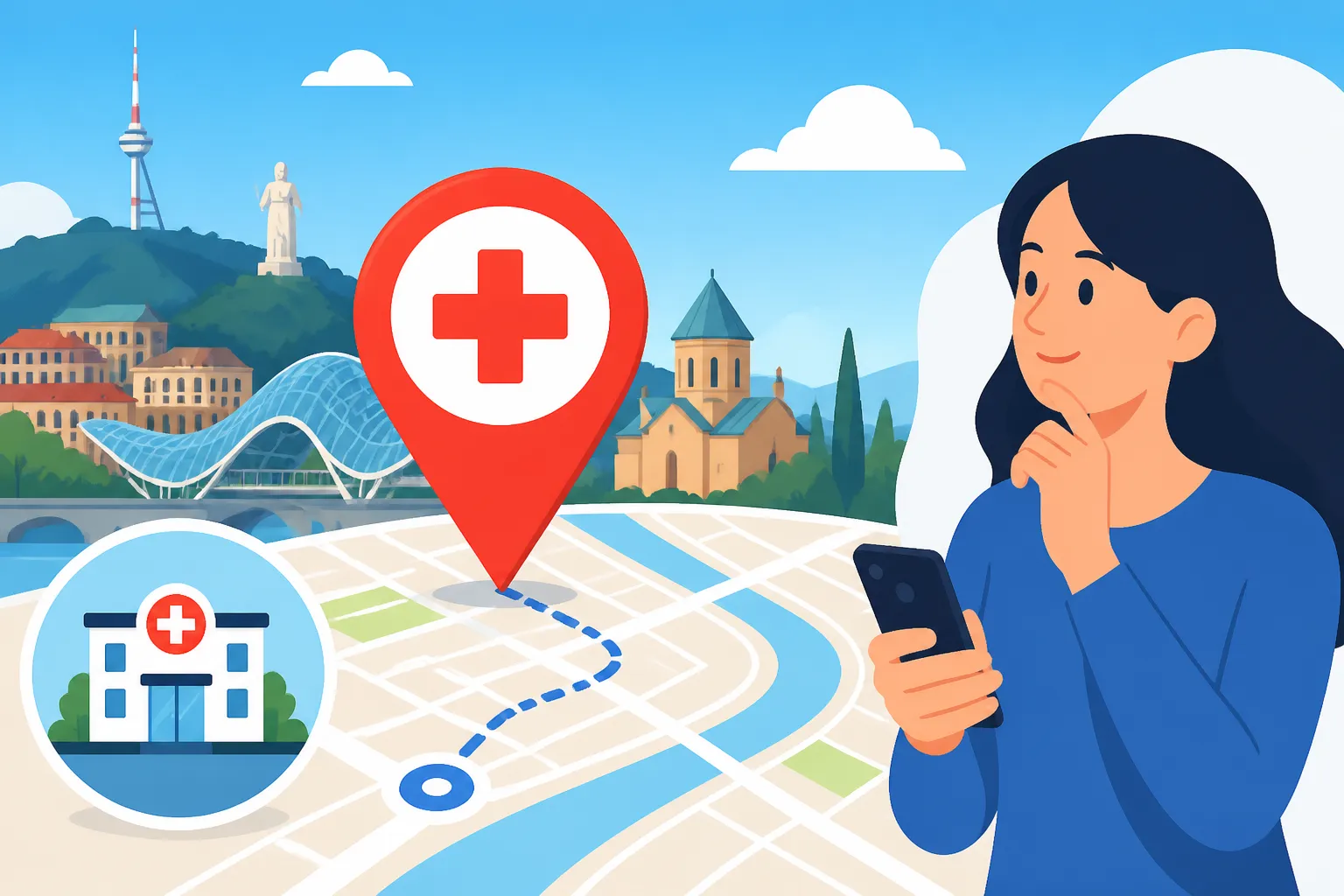
There’s nothing quite like that sinking feeling when you suddenly need medical help in a foreign city. You’re in Tbilisi, a vibrant, beautiful place, but when you feel under the weather or have a minor accident, that charm quickly gives way to a wave of panic: Where do I even go? Is there an English-speaking doctor? What’s the nearest clinic to me? Believe me, I’ve been there, staring blankly at Google Maps, wishing for a local to just point me in the right direction. This guide is here to cut through the confusion and give you actionable steps to find reliable medical care when you need it most.
The Challenge of Finding a Clinic in a New City
Living or travelling abroad in Georgia, especially in a bustling city like Tbilisi, brings countless joys and adventures. But it also throws curveballs. One of the biggest curveballs for many expats and tourists is navigating the healthcare system when a medical need arises, even if it's just a simple cold or a sprained ankle. The initial moments of illness or injury can feel incredibly isolating and overwhelming.
Initial Panic and Language Barriers
That moment when you realize you need a doctor isn't just about the physical discomfort; it's about the mental load. You're in a place where the signs are in a different alphabet, and not everyone speaks English fluently, especially outside the main tourist hubs or younger generations. Trying to search "nearest clinic" on your phone can bring up dozens of results, but how do you know which one is reputable? Which one will have someone who understands your symptoms beyond basic pleasantries? The fear of miscommunication, or worse, receiving incorrect care due to a language barrier, is a very real and valid concern. I've had friends end up at what looked like a clinic on Google Maps, only to find it was a dental office or a highly specialized facility with no general practitioners on staff. It’s frustrating, time-consuming, and utterly exhausting when you’re not feeling your best.
Understanding Tbilisi's Healthcare Landscape
Tbilisi has a dual healthcare system, primarily composed of state-funded public hospitals and a rapidly growing sector of private clinics and hospitals. While public hospitals are definitely an option, for most expats and tourists, the private sector is often the go-to. Why? Because private clinics are generally equipped with more modern facilities, shorter wait times, and, crucially, a higher likelihood of finding English-speaking staff. They often cater specifically to international patients, making the experience far smoother and less stressful. You'll find a range of private facilities scattered across the city. For general practice and common ailments, many small to medium-sized private clinics offer excellent walk-in or appointment-based services. Larger private hospitals, such as Evex Medical Corporation, which has several facilities across Tbilisi, or MediClub Georgia, are well-known for offering a wide range of specialist services and often have international patient departments. You can learn more about this distinction in our article on Public vs Private Healthcare in Georgia: What Expats Need to Know.
Practical Steps to Locate Your Nearest Clinic in Tbilisi
When you're feeling unwell, you don't have time for guesswork. You need a clear, reliable path to getting medical attention. Here are the practical steps we suggest for finding a clinic in Tbilisi, based on commonly reported approaches.
Leveraging Online Resources and Apps
Your phone is your first line of defense, but knowing how to use it effectively is key.
- Google Maps (and other map services): Start here. Type in "clinic near me" or "doctor near me" in English. You'll get a list of places. Crucially, don't just pick the closest one.
- Check the reviews: Look for reviews that specifically mention English-speaking staff or positive experiences from other foreigners. This is gold.
- Look at the clinic's website: If it's in English, that's a good sign they cater to international patients. See what services they offer – general practitioner, diagnostics, etc.
- Call ahead: Even if you need to use a translation app or ask a Georgian speaker to help, call to confirm they accept walk-ins (if you don't have an appointment) and if an English-speaking doctor is available.
- Search in Georgian (if possible): If you have a Georgian friend or can copy-paste, searching for "კლინიკა" (klinika – clinic) or "ექიმი" (ekimi – doctor) might yield more local results, though English-speaking ones might still be best found through English searches.
- Expat Facebook Groups: Seriously, these groups are lifesavers. Search for "Tbilisi Expats" or similar. Post your query. "Does anyone know a good, English-speaking clinic in [your neighborhood]?" or "I need a GP for a sore throat, any recommendations?" You'll often get immediate, helpful responses from people who have been in your exact shoes. They can recommend specific doctors by name, give you directions, and even tell you typical costs. This is often how I've found reliable services for everything from plumbers to doctors.
- Travel Insurance Provider Apps/Websites: If you have travel insurance, like SafetyWing, check their website or app. Many international insurance providers have a network of approved clinics and hospitals, or at least a hotline that can direct you to one. This can often save you time and hassle with direct billing or reimbursement later on. Understanding your options for Health Insurance in Georgia: Private and International Options Explained is a smart move before you even need care.
Asking for Recommendations
Sometimes, the best information comes from good old-fashioned human interaction.
- Your Accommodation Provider: Whether you're at a hotel, guesthouse, or Airbnb, your hosts are usually excellent resources. They know the local area and often have trusted contacts. Ask the reception desk or your Airbnb host directly. They might even call ahead for you to arrange an appointment.
- Local Friends or Colleagues: If you’ve been in Tbilisi for a while and have made Georgian friends or work with locals, don’t hesitate to ask them. Georgians are incredibly hospitable and will often go out of their way to help. Their personal recommendations are invaluable because they know the quality of care and can vouch for the doctors.
- Embassies and Consulates: Many foreign embassies in Tbilisi maintain a list of English-speaking doctors and medical facilities. This is particularly useful if you're a tourist and don't have local connections. Check your country's embassy website or call their consular services. They're there to help their citizens in emergencies.
- Pharmacies (Apteka): For minor ailments or if you're just not sure if you need a full doctor's visit, pop into a local pharmacy (Apteka). Pharmacists in Georgia are very knowledgeable and can often recommend over-the-counter medications, or, if they deem it necessary, point you to a nearby clinic that handles basic consultations. They are often a quick and accessible first point of contact, and you'll usually find someone with basic English at the larger chains like PSP or GPC. For more on this, check out Understanding the Pharmacy System and Buying Medicines in Georgia.
Here’s a quick comparison of options for finding clinics:
| Method | Pros | Cons | Best For |
|---|---|---|---|
| Google Maps | Widely available, quick initial search, directions | Info might be outdated, language barrier, reviews can be mixed | General location, quick look-up |
| Expat Groups (FB) | Personal recommendations, English speakers, real-time advice | Can be overwhelming, information might be anecdotal | Specific doctor recommendations, recent experiences |
| Travel Insurance App | Vetted providers, potential direct billing, reliable info | Limited to network, may require pre-authorization | Peace of mind, financial security |
| Local Contacts | Trusted recommendations, language assistance | Requires established network or local connection | Best quality care, local insights |
| Pharmacies | Quick assessment for minor issues, local directions | Limited to minor ailments, not a substitute for a doctor | First port of call for simple advice, local clinic suggestions |
| Embassy/Consulate | Official list of English-speaking providers, reliable | Primarily for citizens, list might not be exhaustive | Official recommendations, tourist support |
Preparing for Your Clinic Visit in Tbilisi
Finding a clinic is just the first step. Preparing for your visit will make the experience smoother and ensure you get the most effective care. Remember, you're advocating for your own health, so being organized helps immensely.
Essential Documents and Information
When you walk into a Georgian clinic, whether it's a small local practice or a larger private hospital like M. Iashvili Children's Central Hospital (known for pediatric care but offers wider services), having your essential documents ready will save you a lot of time and potential stress at the reception desk.
- Passport/ID and Residence Permit: Always carry your official identification. If you're an expat with a Georgian residence permit, bring that too. This helps with registration and proves your residency status if there are any specific local healthcare benefits you might be eligible for (though most expats rely on private insurance).
- Health Insurance Details: This is crucial. If you have private international health insurance, like from SafetyWing or a local Georgian provider, have your policy number, insurance card, and emergency contact information readily available. Some clinics might require upfront payment and then you'll claim reimbursement, while others, particularly larger private hospitals, might be able to direct bill your insurer if they have an agreement. Don't forget to check with your insurance provider before your visit if possible to understand their preferred clinics and claims process. You can dive deeper into How to Claim Reimbursement from Private Insurance in Georgia.
- Medical History and Current Medications: It’s a good habit to keep a brief summary of your medical history, any chronic conditions, allergies, and a list of all current medications (including dosages) on your phone or a small card. This is incredibly helpful for a doctor who doesn't know you. Even better, bring the actual medication boxes if you can.
- Translation App/Phrasebook: While many clinics catering to foreigners will have English-speaking staff, don't rely solely on it. A good translation app on your phone (like Google Translate or Yandex Translate with Georgian enabled) can be a lifesaver for explaining nuanced symptoms or understanding complex medical instructions. Write down your main symptoms in English beforehand, so you can clearly convey them.
Understanding Payment and Costs
One of the biggest anxieties for foreigners seeking healthcare is the unknown cost. The good news is that private healthcare in Georgia is generally quite affordable compared to Western standards, but it's still good to be prepared. For a complete breakdown, our guide on The Cost of Healthcare in Georgia: A Complete Breakdown for Foreigners (2026) is a must-read.
- Cash vs. Card: Most reputable private clinics in Tbilisi will accept credit and debit cards (Visa, Mastercard are standard). However, it’s always wise to have some Georgian Lari (GEL) in cash for smaller clinics or unexpected out-of-pocket expenses.
- Out-of-Pocket Costs: A standard consultation with a general practitioner in a private clinic can range from 50 GEL to 150 GEL, depending on the clinic's reputation and location. Specialist consultations might be a bit higher. Diagnostic tests like blood work, X-rays, or ultrasounds will add to the cost, but again, these are typically much less expensive than in many other countries. For instance, a basic blood test might be 20-50 GEL, and an X-ray 50-100 GEL. We delve into How Much Does a Doctor Visit Cost in Georgia? in more detail.
- Reimbursement Process: If your international health insurance doesn't direct bill, you'll pay upfront and then submit a claim. Make sure to get a detailed receipt (invoice) from the clinic, clearly stating the services rendered, the cost, and the doctor's stamp/signature. This documentation is vital for your insurance claim. SafetyWing, for example, is usually a reimbursement-based plan, so keeping good records is key.
When to Consider Emergency Services
It's vital to know the difference between needing a general clinic and a full-blown emergency. Misusing emergency services can lead to longer wait times for those truly in need and sometimes higher costs for you.
Differentiating Clinic from Emergency Room
A general clinic is your port of call for non-life-threatening conditions. Think common colds, flu symptoms, minor cuts and bruises, rashes, stomach upsets, routine check-ups, or getting a prescription refilled. These are issues that require medical attention but are not immediately life-threatening. You might need to make an appointment, or some clinics offer walk-in services. This is where you'd typically go to find an English-Speaking Doctor in Georgia for routine issues.
An emergency room (ER), or in Georgia, an emergency department of a major hospital, is for severe and critical conditions that could result in serious harm or death if not treated immediately. These include:
- Severe chest pain or symptoms of a heart attack or stroke.
- Major injuries, such as deep cuts, broken bones, severe burns, or head injuries.
- Difficulty breathing or severe allergic reactions.
- Sudden, severe abdominal pain.
- Unconsciousness or sudden confusion.
- Heavy, uncontrolled bleeding.
- Seizures.
If you believe you or someone with you is experiencing a medical emergency in Tbilisi, do not try to find a clinic. Call the emergency services immediately.
- Emergency Number: 112
- This is the universal emergency number in Georgia, connecting you to police, fire, and ambulance services.
- When you call 112, try to speak clearly and state your location (address or identifiable landmarks) and the nature of the emergency. While some operators may speak English, having a Georgian speaker on hand, if possible, can be very helpful.
- The ambulance service (often referred to as სასწრაფო დახმარება – sastsrapo dakhmareba) will assess the situation and transport the patient to the most appropriate emergency hospital.
- For a deeper understanding of what happens when you call this number, check out Understanding Emergency Numbers (112) and Ambulance Care in Georgia.
Major hospitals with emergency departments in Tbilisi include facilities like Gudushauri National Medical Center or Republican Hospital. These are equipped to handle critical cases. If you're interested in knowing more about these larger institutions, you can refer to How to Use Major Hospitals and Clinics in Tbilisi. It’s always good to be aware of where these are, just in case.
Remember, having a plan and knowing these steps can turn a potential panic into a manageable situation. Tbilisi's healthcare system is accessible, especially the private sector, and with a bit of preparation, you can navigate it with confidence.
Disclaimer
The information provided in this guide is for general informational purposes only and does not constitute medical advice. Healthcare systems and regulations in Georgia can change. Always consult with a qualified healthcare professional for any medical concerns and verify current procedures and costs with clinics and insurance providers directly.