Can I Refill a Prescription at Any Pharmacy in Georgia?
Arriving in Georgia, many of us expats quickly realize that while daily life has its charming quirks, navigating the healthcare system can feel like deciphering an ancient scroll. One of the most common anxieties, right up there with figuring out the marshrutka routes, is how on earth you're going to get your regular prescription medications refilled. It’s not always as straightforward as walking into any pharmacy with your home country’s script, and this guide is here to walk you through the nuances of getting your necessary meds in Georgia.
The Georgian Pharmacy Landscape and Your Prescription
Let’s be honest, for those of us coming from countries with highly regulated prescription systems, Georgia’s approach can feel like a breath of fresh air, or, depending on your needs, a sudden jolt of confusion. The core question for many is: can you just walk into any pharmacy and get what you need? The answer, like so many things here, is "it depends."
Understanding Georgian Prescription Requirements
Unlike some Western countries where almost everything beyond paracetamol requires a doctor's signature, Georgia has a more relaxed stance on many common medications. You might be pleasantly surprised to find that several medications you needed a prescription for back home are available over-the-counter here. This includes things like certain antibiotics, some strong painkillers, and even a range of medications for chronic conditions that are often tightly controlled elsewhere. It's a double-edged sword, really – great for minor ailments or forgotten basic meds, but potentially concerning if you're used to more stringent medical oversight.
However, for stronger medications, especially controlled substances, narcotics, or certain specialized treatments, a Georgian doctor's prescription is absolutely mandatory. These prescriptions are typically issued on a specific, government-mandated paper form or, increasingly, through an electronic system. The pharmacies are linked to this system for verification, so attempting to use a foreign prescription for these categories of drugs simply won't work. The system is designed to track these medications meticulously, and pharmacists won't risk their license by sidestepping the rules.
The "Any Pharmacy" Reality for Expats
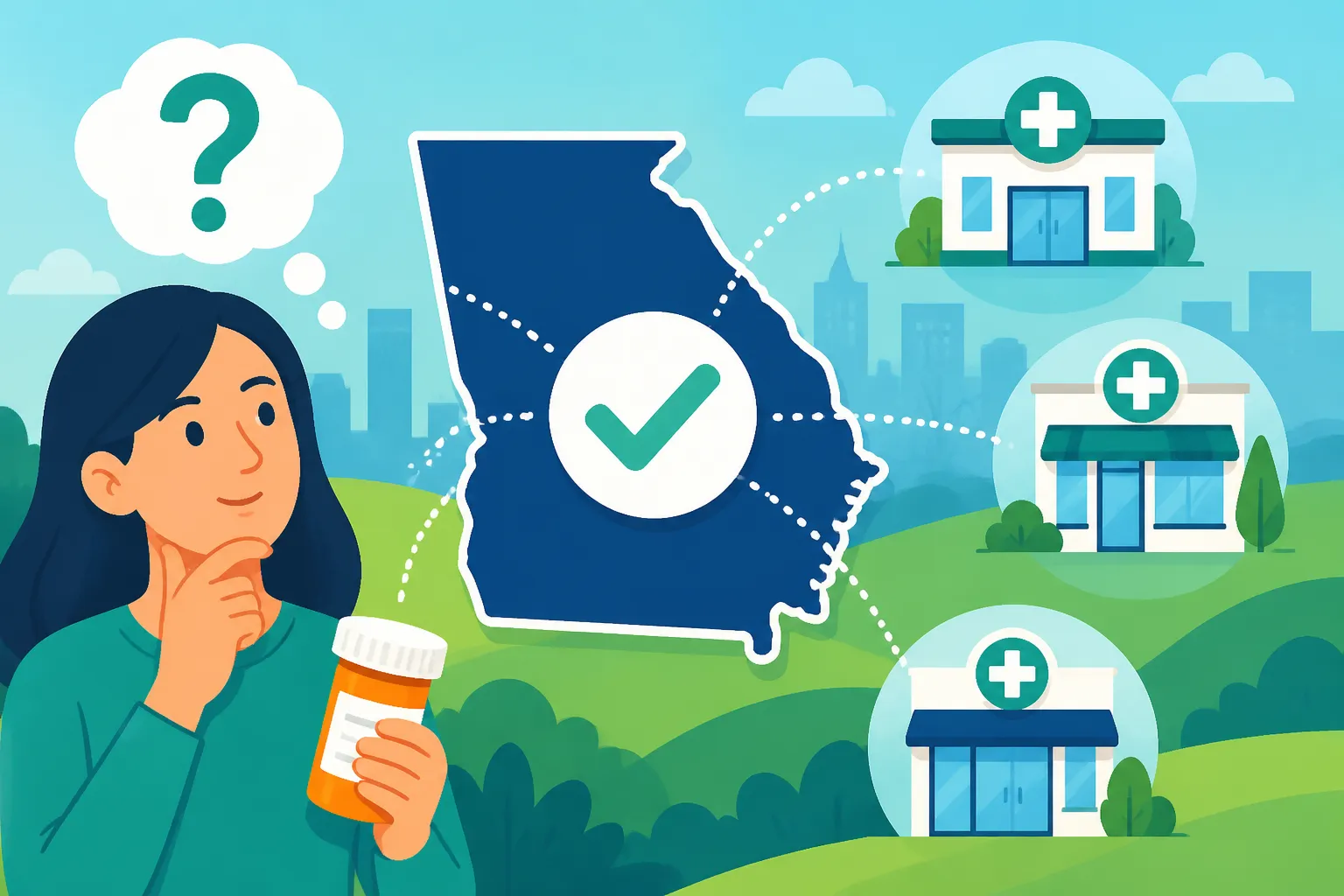
So, can you refill a prescription at any pharmacy? In theory, yes, if it's a standard medication that doesn't require a Georgian prescription. If you have a valid Georgian prescription from a local doctor, then absolutely, any licensed pharmacy should honor it. They will enter the details into their system, dispense the medication, and sometimes keep the original paper prescription if it's a controlled substance, or log it electronically.
The challenge arises when you're trying to refill a prescription from outside Georgia. Most Georgian pharmacies will not legally accept a foreign prescription. This isn't out of spite, but simply because they are not recognized under Georgian law. A pharmacist can't verify the legitimacy of a foreign doctor or their prescribing rights within Georgia's regulatory framework. This is a crucial point for new arrivals. Don't assume your prescription from back home, even if it’s a detailed printout from a renowned hospital, will carry weight here. You'll likely encounter polite but firm refusals.
Major pharmacy chains like PSP, GPC, and Aversi are ubiquitous in larger cities like Tbilisi and Batumi, and they generally operate with consistent policies. While some smaller, independent pharmacies might sometimes be a bit more flexible with certain over-the-counter items, relying on this flexibility for ongoing medication refills is a risky gamble. These larger chains are also typically more likely to have some English-speaking staff, which can be a huge relief when you’re trying to explain your needs.
Navigating the System for Refills as an Expat
The key to a smooth experience when it comes to prescription refills in Georgia is understanding when and how to engage with the local medical system. It’s all about preparation and knowing your options.
When a Georgian Doctor's Prescription is Best
For any ongoing medication, especially those that are vital for your health, the safest and most reliable path is to obtain a local prescription. This means seeing a Georgian doctor who can assess your condition, review your previous medical history (if you bring it), and issue a valid Georgian prescription. This is particularly critical for medications that are strictly controlled. Trying to import large quantities of such medicines without proper documentation or relying on a foreign script can lead to significant issues, including confiscation at the border or refusal at the pharmacy.
To get started, you might want to look into How to Find an English-Speaking Doctor in Georgia. Many clinics, particularly in Tbilisi, cater specifically to expat communities and have doctors who are well-versed in international medical standards and language. During your consultation, bring as much information as possible about your current medications: the generic names, dosages, and even the packaging from your home country. This will help the Georgian doctor understand your needs and prescribe the appropriate local equivalent. It's also a good idea to discuss the long-term plan for refills at this first appointment.
Once you have that official Georgian prescription, refilling becomes much simpler. It will be recognized across all pharmacies within the country. This initial investment of time and a doctor's visit will save you endless headaches down the line. Remember, preventative steps are always better than scrambling in an emergency. You can learn more about the overall process in The Complete Guide to Healthcare in Georgia for Expats (2027).
The Role of Chain Pharmacies vs. Independent Shops
Georgia boasts a robust network of pharmacies, dominated by large chains but also peppered with smaller, independent shops. Each has its own character and level of service, which can impact your refill experience.
- Major Chain Pharmacies (PSP, GPC, Aversi): These are your safest bet for consistency and generally wider stock. They are modern, often open 24/7 in central locations, and have standardized inventory and dispensing protocols. Because they are larger and more frequently deal with foreign customers, you have a higher chance of finding staff with some English proficiency. Their systems are interconnected, making it easier to track prescriptions if you’ve had one issued locally. If you're looking to understand the system better, Understanding the Pharmacy System and Buying Medicines in Georgia has more details.
- Independent Pharmacies: These smaller, often neighborhood-based pharmacies can sometimes feel more personal. They might have slightly different pricing or be willing to order specific items if they don't have them in stock. However, English-speaking staff are less common, and they are typically just as strict about needing a valid Georgian prescription for controlled medications as the big chains. While they might occasionally dispense a very common, low-risk medication without a doctor's note (even if technically required in some cases), it’s not something to rely on for regular refills of important meds.
It's wise to identify a few reliable chain pharmacies near your home or work that you can consistently use. Building a relationship with a particular pharmacy can sometimes make the process smoother over time, as they might become familiar with your needs.
Dealing with Foreign Prescriptions
Let's reiterate: generally, foreign prescriptions are not legally valid for dispensing in Georgia. This is a common point of frustration for many new expats. The best strategy is to prepare before you move.
- Bring a Supply: When moving to Georgia, always bring a sufficient supply of your prescription medications to last you for at least a few months. This gives you ample time to get settled, find a local doctor, and obtain new prescriptions without the pressure of an imminent refill.
- Consult a Local Doctor Promptly: As soon as you can, schedule an appointment with a Georgian doctor. Bring your original foreign prescription, any medical records, and if possible, a doctor's letter from your home country detailing your condition and required medications. This significantly streamlines the process of getting a local prescription.
- Generic Names are Key: Medications often have different brand names in different countries. Always know the generic (active ingredient) name of your medication. This is universally recognized and makes it much easier for Georgian doctors and pharmacists to find an equivalent product.
- Proof of Need for Controlled Substances: If you take controlled substances, ensure you have robust documentation. This means not just a prescription, but also a letter from your prescribing doctor detailing your condition, the medication, dosage, and why it's necessary. Even with this, you will almost certainly need a local doctor to issue a new Georgian prescription for continued supply. For critical situations, knowing about Emergency Medical Care in Georgia: What Every Expat Needs to Know can be vital.
In the table below, we've outlined some general characteristics of the main pharmacy chains in Georgia, which might help you choose where to start your search for refills.
| Pharmacy Chain | English-Speaking Staff Probability | Stock & Availability | Policy on Foreign Prescriptions | General Vibe |
|---|---|---|---|---|
| PSP | Moderate to High | Excellent, wide range | Generally not accepted (legal policy) | Modern, clean, well-organized |
| GPC | Moderate to High | Excellent, wide range | Generally not accepted (legal policy) | Bright, customer-focused |
| Aversi | Moderate | Very Good, diverse | Generally not accepted (legal policy) | Reliable, widely available |
| Pharmadepot | Low to Moderate | Good, often competitive pricing | Generally not accepted (legal policy) | Budget-friendly, sometimes smaller locations |
Note: The acceptance of foreign prescriptions is a general rule and may vary slightly based on the specific medication and individual pharmacist's discretion, but it is not something to rely on for regular, critical refills.
Practical Tips for a Smooth Refill Experience
Even with the complexities, getting your prescriptions refilled in Georgia doesn't have to be a nightmare. A little preparation and knowing what to expect can make all the difference.
Essential Information to Have on Hand
When you head to the pharmacy, especially for the first time or if you're trying a new place, having your ducks in a row will help immensely.
- Your Georgian Prescription: This is non-negotiable for anything requiring a doctor's note. Make sure it's current. Pharmacists will check the date and ensure it hasn't expired.
- Medication Name (Generic & Brand): Always know the generic (active ingredient) name. For example, Paracetamol is Acetaminophen. If you only know the brand name from your home country, write down the active ingredient on a piece of paper.
- Dosage Information: Be clear on the strength (e.g., 20mg, 500mg) and how frequently you take it.
- Original Packaging (if possible): If you still have some of your original medication from home, bring the box or bottle. The Georgian pharmacist might be able to visually identify the medication or find its local equivalent more easily.
- Your Passport/ID: While not always asked for, it’s good practice to have some form of identification.
- Basic Georgian Phrases: Learning a few phrases like "Gamardjoba" (Hello), "Mkali minda" (I need medicine), "recepti" (prescription), "aqvs?" (do you have?), "ra girs?" (how much?) can go a long way in independent pharmacies where English is less common.
Having all this information ready will streamline the process, reduce miscommunication, and help you get your medication quickly and correctly.
Cost and Payment
One of the pleasant surprises for many expats is often the cost of medication in Georgia. Compared to North America or Western Europe, many prescription medications are significantly more affordable here. This can be a huge relief, especially if you’re managing chronic conditions. You can delve into the broader financial aspects in The Cost of Healthcare in Georgia: A Complete Breakdown for Foreigners (2026).
- Cash or Card: Most major pharmacies readily accept both cash (Georgian Lari – GEL) and international credit/debit cards. Smaller pharmacies might prefer cash, so it’s always wise to have some GEL on hand.
- Health Insurance: If you have private health insurance, whether a local plan or an international one like SafetyWing, check your policy's outpatient prescription coverage. Some plans will reimburse you for prescription costs, especially if you’ve seen a local doctor and obtained a valid Georgian prescription. You may need to pay upfront and then submit a claim with your receipt and prescription details. It's really helpful to understand Understanding Private Health Insurance Plans in Georgia to know your coverage. Even if it's for unforeseen circumstances, having a robust travel and health insurance policy like SafetyWing can provide peace of mind, covering doctor visits and often prescription costs that might arise from unexpected illnesses.
Always ask for a receipt when you purchase medications, especially if you plan to claim reimbursement from your insurance provider. This documentation is crucial for any claims process.
What to Do If You Can't Get Your Medication
Despite all your best efforts, there might be times when you can't get your specific medication, perhaps it's not available in Georgia, or a direct equivalent isn't stocked. Don't panic!
- Consult Your Doctor Again: If a pharmacist tells you a medication isn't available, go back to your Georgian doctor. They might be able to prescribe an alternative treatment that is available locally.
- Special Order: Some pharmacies, especially the larger chains, might be able to special order certain medications, though this can take time and isn't guaranteed. It's usually reserved for very specific, less common drugs.
- Telehealth Options: In some cases, if you have a relationship with a doctor in your home country, a telehealth consultation might help in finding alternatives or providing additional documentation.
- International Travel Insurance Support: This is where a good international health insurance plan, like those offered by SafetyWing, can be invaluable. If you're in a bind and facing critical medical needs that can't be met locally, your insurance provider might be able to offer guidance on sourcing medication, arranging for specialist consultations, or even medical evacuation in extreme cases. You might also want to consult What Happens If I Get Sick Without Insurance in Georgia? for more information.
- Travel to a Neighboring Country: As a last resort, if your medication is absolutely critical and truly unavailable, you might need to consider traveling to a neighboring country (like Turkey or Armenia) where it might be accessible, keeping in mind their own prescription laws. This is rare but a possibility for extremely niche medications.
Remember, the Georgian healthcare system is evolving. While it has its unique challenges, especially for foreigners, with a bit of patience and proactive planning, you can navigate it effectively and ensure you get the medications you need. For a broader view of medical resources, check out Navigating the Georgian Healthcare System: An Expat's Roadmap (2027).
Disclaimer
The information provided in this guide is intended for general informational purposes only and does not constitute medical or legal advice. While we strive to provide accurate and up-to-date information, regulations and practices in Georgia's healthcare and pharmacy sectors can change. Always consult with a qualified local medical professional for personalized health advice and legal experts for specific immigration or regulatory questions. We cannot be held responsible for any outcomes resulting from the use of this information.