How Do I Cancel My Health Insurance When Leaving Georgia?
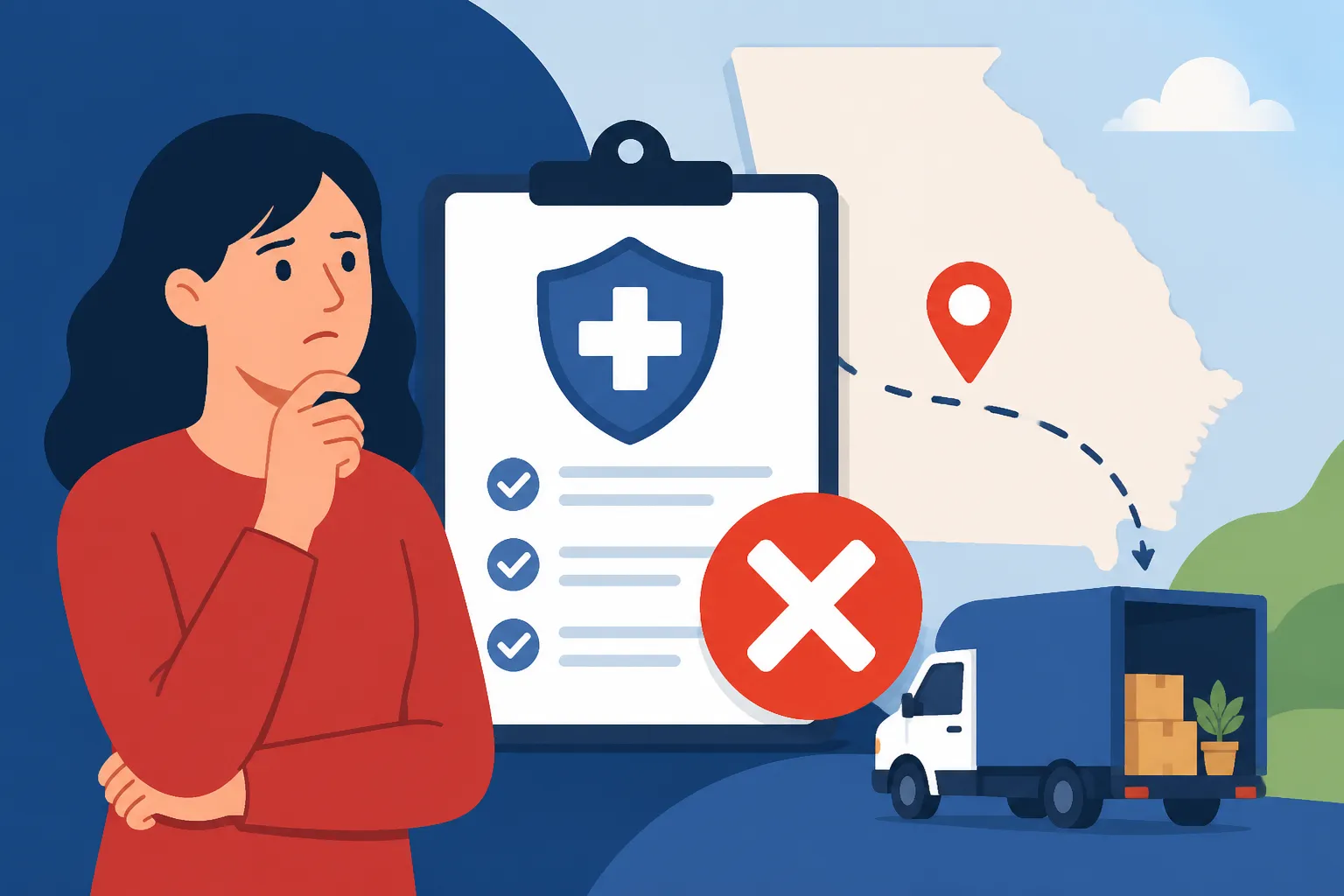
Leaving Georgia, even when you're excited about the next chapter, often comes with a whirlwind of administrative tasks that can frankly feel overwhelming. Among them, cancelling your health insurance might seem like a small detail, but neglecting it can lead to unnecessary charges, headaches, and a lot of back-and-forth communication you really don't need when you're trying to pack your life into suitcases. This guide is here to walk you through the nitty-gritty of cancelling your health insurance policy in Georgia, ensuring a smooth exit so you can focus on what's next, not what you're leaving behind.
Understanding Your Health Insurance Policy Before You Cancel
Before you even think about drafting that email or making that phone call, the absolute first step is to really understand the policy you’ve got. This might sound obvious, but I can't tell you how many expats I've seen get tripped up by assumptions, especially when dealing with different types of insurance providers here in Georgia. Not all policies are created equal, and their cancellation clauses can vary wildly.
Local Georgian Health Insurance Policies
If you’ve opted for a local Georgian health insurance provider, perhaps through your employer or directly with a company like GPI Holding or Imedi L, you'll find that their terms and conditions are often quite specific to Georgian legal frameworks. These policies typically run on a 12-month contract basis, and while they might seem affordable, breaking that contract can sometimes incur penalties or mean you forfeit any unused premiums. It's not uncommon for local insurers to require a formal, written notice delivered a certain number of days or even weeks before your desired cancellation date. Many local policies also have clauses about automatic renewal, so if you don't explicitly cancel, you could find yourself charged for another year, even if you’re long gone. You need to be proactive here; don’t wait until the last minute. This is especially important for understanding how to claim reimbursement from private insurance in Georgia, which might affect your final settlement if you have outstanding claims.
International Health Insurance Policies
On the flip side, if you've been covered by an international health insurance policy – something many digital nomads and freelancers choose for its global coverage – the cancellation process can often be a bit more flexible. Providers like SafetyWing, for instance, are designed with the transient expat lifestyle in mind, offering monthly payments and straightforward cancellation options. You often pay as you go, or on a monthly recurring basis, meaning you can usually cancel at any time without long notice periods or significant penalties, though you should always double-check your specific agreement. This flexibility is a huge draw for those of us who aren't quite sure where we'll be in six months, let alone a year. However, even with these policies, it's never a bad idea to give a heads-up and confirm the cancellation in writing to avoid any misunderstandings.
Checking Your Contract for the Nitty-Gritty
Seriously, find that original policy document. I know, it’s probably buried in a folder on your desktop or a dusty drawer, but it’s your roadmap. Look for sections titled "Cancellation," "Termination," "Refunds," or "Notice Period." These sections will explicitly lay out:
- Required Notice Period: Is it 30 days? 60 days? Immediately?
- Cancellation Method: Do you need to send a letter, an email, or can you do it over the phone? Formal written communication is almost always preferred and provides a paper trail.
- Fees and Penalties: Are there any? Will you get a pro-rata refund for unused premiums, or will you lose the entire amount?
- Automatic Renewal Clauses: How do you opt out of these?
- Required Documents: Do they need proof of your departure, like a flight ticket or visa cancellation?
Knowing these details upfront will save you so much grief. Trust me, trying to untangle an insurance mess from another country is a special kind of hell. It’s also wise to know what happens if I get sick without insurance in Georgia, so you don't accidentally leave yourself uncovered while you're still here.
The Step-by-Step Process for Cancelling Your Policy
Alright, you've read your contract. You know what you're up against. Now, let's get down to the actual business of cancelling that policy. This needs to be done meticulously, because Georgian bureaucracy, while charming in its own way, does not suffer fools gladly when it comes to paperwork.
Gathering Your Documentation
This is where you preemptively arm yourself. Even if your policy doesn't explicitly state it, having these documents ready will make the process smoother and faster, especially if you encounter a hesitant agent.
- Your Policy Number: This is non-negotiable. It's the unique identifier for your coverage.
- Your Passport/ID: A copy of the identification document you used to sign up for the policy.
- Proof of Departure: This can include a copy of your flight ticket out of Georgia, proof of your visa or residence permit cancellation, or even a termination letter from your employer stating your last day of work. While not always strictly required, it provides concrete evidence of your impending departure and can help justify early cancellation if needed.
- Bank Account Details: If you're expecting a refund, they'll need somewhere to send it. Make sure it's an account that will remain active and accessible after you leave Georgia. This might involve setting up an international transfer if you’ve already closed your Georgian bank account, which is a whole other adventure.
- A Formal Cancellation Letter/Email: Pre-drafted, this should clearly state your policy number, full name, desired cancellation date, and a polite but firm request for confirmation of cancellation.
Notifying Your Provider
This is the moment of truth. How you communicate can make all the difference.
- Written Notice is King: For any local Georgian insurer, sending a formal letter (ideally registered mail with a delivery confirmation) or a well-documented email to their official customer service address is paramount. Do not rely solely on a phone call. Phone calls are great for initial inquiries, but follow them up with written confirmation of what was discussed. In your written notice, be clear and concise. State your intent to cancel, your policy number, your desired cancellation date (adhering to the notice period), and request a written confirmation of the cancellation, including any refund details. Keep a copy of everything you send and a record of when you sent it.
- Contacting International Providers: For international policies like SafetyWing, their online portals or dedicated customer support email addresses are usually the go-to. The process is often streamlined through your online account – a few clicks, maybe a short form, and you're done. Still, always seek and save a confirmation email.
- Confirm, Confirm, Confirm: After you’ve sent your cancellation request, don't just assume it's done. Follow up. A few days later, call or email again to confirm receipt and processing. Ask for an estimated timeline for the cancellation and any potential refund. This persistence can prevent nasty surprises later.
Navigating Refunds and Pro-Rata Premiums
This is often the most contentious part of the cancellation process.
- Pro-Rata Refunds: Many policies, especially local ones, will calculate a refund based on the unused portion of your premium. For example, if you paid for a year upfront and cancel halfway through, you might get half your premium back, minus any administrative fees or claims already made.
- Administrative Fees: Be aware that some insurers will charge a cancellation or administrative fee. This should be stipulated in your contract.
- International Policy Refunds: With flexible international options like SafetyWing, if you've paid monthly, your coverage simply ends at the end of your current billing cycle, and no further charges are made. If you've paid for a longer period, you may receive a pro-rata refund for the unused portion, depending on their specific terms.
- What to Expect: Don't expect your refund to appear overnight. It can take several weeks, sometimes even months, for the administrative gears to turn. Keep all your correspondence and bank statements handy to track the refund. If it doesn't arrive within the stipulated timeframe, follow up politely but firmly.
Here's a quick comparison of what to expect:
| Feature | Local Georgian Health Insurance | International Health Insurance (e.g., SafetyWing) |
|---|---|---|
| Notice Period | Typically 30-60 days (or more) required, as per contract. | Often flexible, may be immediate or end of current billing cycle. |
| Cancellation Method | Formal written letter/email, registered mail recommended. | Often via online portal or email, less formality. |
| Contract Length | Usually annual, sometimes automatically renewing. | Often monthly, pay-as-you-go, or flexible short-term options. |
| Refunds | Potentially pro-rata for unused premiums, minus fees/claims. | Often pro-rata for unused periods if paid in advance; otherwise, no further charges. |
| Fees/Penalties | Possible contract break fees or administrative charges. | Generally fewer or no cancellation fees, depending on terms. |
| Required Documentation | Policy, ID, sometimes proof of departure. Formal request. | Policy, ID. Often simpler, within online account. |
| Key Risk | Automatic renewal, hidden fees, complex communication, long refund times. | Less risk of automatic renewal if monthly; ensure proper confirmation. |
Common Pitfalls and How to Avoid Them
Leaving Georgia is already enough stress without dealing with lingering financial obligations. Being prepared for the common headaches related to insurance cancellation can save you a lot of grief.
Automatic Renewals and Unwanted Charges
This is probably the biggest trap. Many local Georgian insurance policies have an "opt-out" clause for renewal rather than an "opt-in." This means if you don't explicitly tell them you're leaving and want to cancel by a certain date, your policy will automatically renew, and they'll try to charge your linked payment method. Even if that card is no longer active, you could find yourself with a debt collection notice later.
How to avoid it:
- Mark Your Calendar: As soon as you decide your departure date, check your policy's renewal date and set a reminder for at least 60-90 days before that date to initiate the cancellation process.
- Be Explicit: In all your communications, clearly state that you do not wish for the policy to renew and that you want it cancelled effective [date].
- Check Bank Statements: For a few months after your departure, keep an eagle eye on your bank statements for any unexpected charges from the insurer. If you see one, act immediately to dispute it.
The Language Barrier and Communication Challenges
Let’s be honest, even if your Georgian is improving, discussing the intricacies of insurance policy cancellation in a non-native language can be exhausting and error-prone. While many insurance companies in Tbilisi and Batumi might have English-speaking staff, don't count on it at every step or in every department.
How to overcome it:
- Bring a Georgian Speaker: If you have a trusted Georgian friend, colleague, or even a professional assistant, ask them to help you with calls or visits to the insurance office. Their presence can speed things up immensely.
- Use Written Communication (Translated if Necessary): As stressed before, written communication provides clarity. If you're struggling to articulate your request in Georgian, draft it in English and use a reliable translation service (or a friend) to translate it into formal Georgian. This shows respect and leaves less room for misunderstanding.
- Be Patient, but Persistent: Things might move slowly, and you might need to repeat yourself. Maintain a polite but firm demeanor, and don't give up until you have that written confirmation. This kind of tenacity is also helpful when trying to figure out How to Get Tax Clearance Before Leaving Georgia, another task that often requires navigating similar communication hurdles.
Dealing with Employer-Provided Insurance
If your health insurance in Georgia was part of your employment package, the cancellation process is usually managed through your employer's HR department. This can simplify things, but also means you’re not directly in control.
How to manage it:
- Inform HR Early: As soon as you give notice of your resignation, notify HR that you will be leaving the country and need your health insurance terminated on your last day of employment.
- Confirm Termination: Ask HR for written confirmation that your insurance coverage will end and that no further premiums will be paid on your behalf.
- Check for Continuation Options: Some employer plans might offer a short period of extended coverage or conversion options, though this is less common for expats leaving the country. It’s worth asking, especially if you foresee a gap in coverage between leaving Georgia and starting a new life elsewhere.
What to Do If You're Not Yet Sure About Leaving Permanently
Sometimes, you're just not ready to cut ties completely. Maybe you're taking a long break, exploring other options, or planning to return to Georgia in the future. In these cases, outright cancellation might feel too drastic.
Short-Term Breaks vs. Permanent Departure
If your departure is only temporary, say for a few months, consider if a full cancellation is truly necessary or beneficial.
- Suspending Your Policy: Some local insurers might offer the option to suspend your policy for a period, though this is rare and usually only for very specific circumstances like medical leave. It’s worth checking your contract or asking, but don’t hold your breath.
- Maintaining Coverage: If the cost is minimal and you might be back, keeping a low-cost international policy active, even while you’re gone, could be a simple way to maintain continuous coverage. This is where the flexibility of providers like SafetyWing really shines. If you know you'll be returning to Georgia, understanding how your residence status affects health coverage in Georgia will be crucial for when you come back.
Considering Travel Insurance for Your Final Journey
For that transitional period – from the moment your Georgian health insurance ends until you're settled in your new location with new coverage – travel insurance can be a lifesaver.
- Bridge the Gap: Even if you’re heading straight home, accidents and unexpected illnesses can happen during travel. A good travel insurance policy covers emergencies, lost luggage, and travel delays.
- Flexibility for Nomads: For those who aren’t heading to a fixed new home, but rather continuing to travel, a "nomad insurance" type policy (again, SafetyWing is a popular choice for this) can provide continuous medical and travel coverage no matter where you are in the world. This is especially useful if you find yourself unsure about how to choose between local and international health insurance in Georgia if you might be coming back or moving on to another country.
- Read the Fine Print (Again!): Just like with regular health insurance, understand what your travel policy covers, especially for pre-existing conditions and adventure activities.
Leaving a country, even one as wonderful and complex as Georgia, is a process. By meticulously planning your health insurance cancellation, you’re taking a significant administrative burden off your plate, allowing you to focus on the excitement and challenges of your next adventure.
Disclaimer
The information provided in this guide is for general informational purposes only and does not constitute professional legal, financial, or medical advice. While we strive to keep the information up-to-date and accurate, laws, regulations, and insurance policies in Georgia can change rapidly. Always consult with the relevant insurance provider, a legal professional, or a financial advisor for advice tailored to your specific situation before making any decisions related to your health insurance or departure from Georgia.