Can I Buy Antibiotics Over the Counter in Georgia?
Landing in a new country like Georgia, one of the first things that can send a shiver down your spine when you feel a tickle in your throat or a strange ache is the thought of needing medication. Specifically, antibiotics. In many parts of the world, you can just pop into a pharmacy and ask for what you need, but Georgia has its own set of rules, and they've evolved over time. This guide will meticulously break down exactly what to expect when you're looking for antibiotics here, helping you navigate the system safely and effectively.
The Evolving Landscape of Antibiotic Access in Georgia
Alright, let's get right to it because this is often a source of confusion and even frustration for us expats. The simple question, "Can I buy antibiotics over the counter in Georgia?" has a rather nuanced answer that has shifted quite a bit over the years. Officially, Georgia, like most responsible nations, is striving to combat antibiotic resistance, and a key part of that effort involves tightening regulations on prescription medications.
The Official Stance: Prescription Required
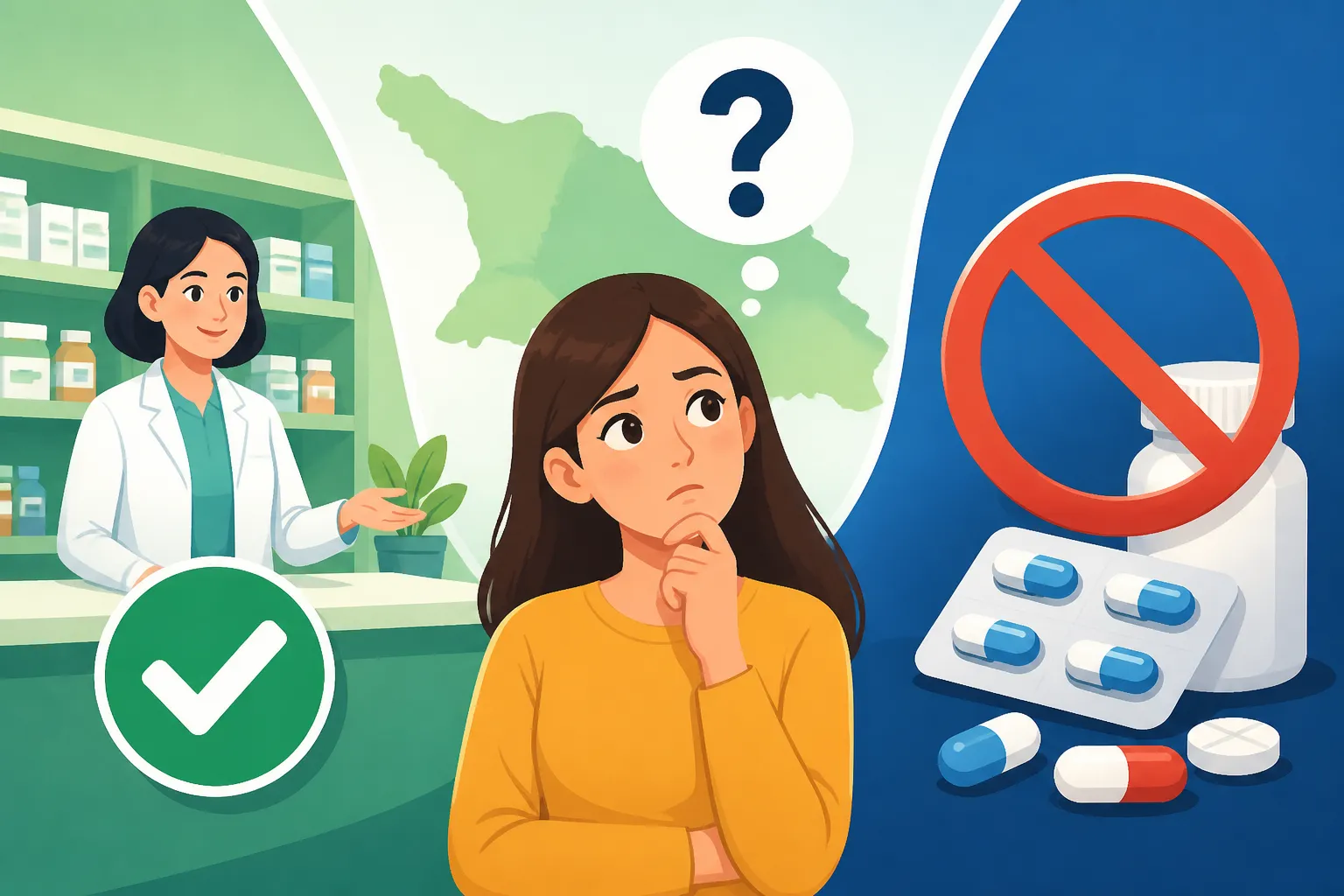
Officially, the Georgian Ministry of Health dictates that antibiotics are prescription-only medications. This means that to legally obtain them from any pharmacy in the country, you are expected to present a valid prescription issued by a licensed Georgian doctor. This move is genuinely for public health, aiming to ensure that antibiotics are used appropriately and only when truly necessary. The idea is to prevent people from self-diagnosing and inadvertently contributing to the global superbug problem by misusing these vital drugs.
This policy reflects a growing global trend, and while it might feel inconvenient when you're used to a different system, it's a crucial step. When you visit any of the major pharmacy chains, like PSP, Aversi, or GPC, they are generally quite strict about this. You walk in, ask for an antibiotic, and they'll politely, but firmly, ask for a doctor's note. If you don't have one, they’ll direct you to a clinic or doctor. It's a standard procedure, so don't take it personally – they're just following the rules.
The Practical Reality: A Glimpse into OTC Availability (Past & Present)
Now, here's where my "veteran expat" hat comes on, because the reality on the ground has historically been a bit… greyer. For many years, Georgia was known for its relatively relaxed approach to prescription medications, and it wasn't uncommon to walk into a smaller, independent pharmacy, explain your symptoms to the pharmacist (sometimes with the help of a translation app or a kind local), and walk out with antibiotics. This practice, however, is rapidly diminishing. The government has put considerable effort into enforcing stricter controls, and pharmacies face penalties for non-compliance.
What this means for you today is that while you might hear old stories or even stumble upon a very old-school pharmacy in a remote village that might still offer some common antibiotics without a prescription, you absolutely should not rely on this. It's becoming less common, less reliable, and frankly, less safe. Moreover, if you do manage to get them this way, you're bypassing a proper medical diagnosis, which can be dangerous. What you think is a bacterial infection might actually be viral, rendering the antibiotic useless and potentially harmful. My advice is always to seek proper medical consultation first.
The Risks of Self-Medication
I know, I know. When you're feeling miserable and just want a quick fix, popping into a pharmacy for an antibiotic seems like the easiest route. But trust me, self-medicating with antibiotics carries significant risks, not just for you but for everyone. Taking the wrong antibiotic for your condition, or taking the right one for too short a period, can lead to resistant bacteria thriving in your body. This makes future infections much harder to treat. Beyond resistance, antibiotics can have side effects, interact with other medications, or simply be ineffective if your illness is viral.
Imagine you've got a nasty cough and assume it's bronchitis, so you try to get an antibiotic. But what if it's really a bad flu? The antibiotic won't help, and you've exposed yourself to unnecessary medication. Or worse, what if it's something more serious that a doctor would identify but you've just masked the symptoms with the wrong drug? This is why getting a professional diagnosis is paramount. It’s better to go through the minor hassle of seeing a doctor than to gamble with your health.
How to Legally Obtain Antibiotics in Georgia
Okay, so the clear path forward is to get a prescription. This might sound daunting in a foreign country, but Georgia's healthcare system is actually quite accessible, especially in major cities. You've got options, and understanding them will make the process much smoother.
Visiting a Doctor or Clinic
This is your primary and most recommended route. Georgia has a robust private healthcare sector, particularly in Tbilisi and Batumi, with many modern clinics and hospitals. The good news is that finding an English-speaking doctor is often quite straightforward, especially in these urban centres. You can often find recommendations through expat social media groups, or by checking with larger clinics that cater to international patients. Facilities like Medalpha, Totali, and some departments within larger hospitals often have staff who are fluent in English.
To get a prescription, you’ll need to schedule an appointment. You can typically do this by calling the clinic directly or, in some cases, through their online booking systems. When you arrive, you’ll usually register at the reception, where they'll ask for your passport or residence permit. Be prepared for a consultation fee, which can range anywhere from 50 to 150 GEL for a general practitioner, depending on the clinic and their services. During the consultation, explain your symptoms thoroughly. The doctor will examine you, potentially order tests (if needed, though often not for straightforward infections), and then issue a paper prescription. This prescription will usually list the active ingredient, dosage, and duration of treatment. Remember, this visit and any subsequent medication costs can often be covered by your travel or international health insurance. Companies like SafetyWing are specifically designed for nomads and expats, and they can make these unexpected medical expenses a lot less stressful.
Here's a quick comparison of doctor visit costs in Georgia:
| Service Type | Estimated Cost (GEL) | Notes |
|---|---|---|
| General Practitioner Visit | 50 – 150 GEL | Varies by clinic; larger, more expat-focused clinics might be at the higher end. |
| Specialist Consultation | 80 – 250 GEL | For more specific issues (e.g., ENT, Dermatologist), often requires GP referral but sometimes direct access. |
| Basic Blood Tests | 30 – 100 GEL | Price depends on the specific tests ordered. |
| Course of Antibiotics | 20 – 70 GEL | Varies widely by type, dosage, and brand. |
For more detailed information on costs, you might want to read our guide on The Cost of Healthcare in Georgia: A Complete Breakdown for Foreigners (2026).
Telemedicine and Online Consultations
While Georgia is modernizing rapidly, telemedicine for initial antibiotic prescriptions isn't as widely adopted or straightforward for foreigners as it might be in some Western countries. Some private clinics might offer online consultations, particularly for follow-up appointments or for general advice, but getting an initial antibiotic prescription without a physical examination can be challenging. Most doctors prefer to see you in person to accurately diagnose and determine if an antibiotic is truly necessary.
That said, if you've already established a relationship with a particular doctor or clinic, and it's a recurring issue they're familiar with, they might be willing to issue a prescription via a virtual consultation. However, don't count on this as your primary method, especially if you're a new patient or if your symptoms are new and undiagnosed. Always check with your chosen clinic about their specific telemedicine policies for new prescriptions. For general health queries or advice on where to go, these services can be quite useful.
Navigating Pharmacies with a Prescription
Once you have that precious piece of paper from the doctor, heading to the pharmacy is the easy part. Georgia has numerous pharmacy chains, and they're usually well-stocked and quite efficient. The most common ones you'll encounter are PSP, Aversi, and GPC. These pharmacies are ubiquitous in cities, often open 24/7, and many have pharmacists who speak at least some English, especially in touristy areas or near major clinics.
Present your prescription to the pharmacist. They will then retrieve the medication, explain the dosage (often marked clearly on the packaging anyway), and any specific instructions. Don't hesitate to ask questions if you're unsure about anything. The pricing for antibiotics can vary, but generally, they are quite affordable compared to many Western countries. You can expect to pay anywhere from 20 GEL to 70 GEL for a standard course of common antibiotics. Keep your prescription handy, as sometimes the pharmacist will keep it, or at least a copy, for their records. For a deeper dive into the pharmacy system, check out Prescription Medications and Pharmacies in Georgia: The Complete Guide.
Understanding Common Antibiotics and Costs
Knowing what to expect regarding specific medications and their price can further ease your mind when navigating healthcare in Georgia.
Common Types and Their Availability
In Georgia, you’ll find a wide range of antibiotics available, similar to what you’d expect in Europe or North America. Common antibiotics like Amoxicillin, Azithromycin, Ciprofloxacin, Doxycycline, and various Cephalosporins are readily stocked. These are used to treat a variety of bacterial infections, from respiratory issues to urinary tract infections. It’s important to remember that all these are now firmly in the "prescription required" category. You won't find them freely available on the shelf.
The packaging will generally be in Georgian, but the active ingredient and dosage are usually clearly marked, often with an international chemical name that you can recognize. If you're ever in doubt, don't be afraid to use a translation app or ask the pharmacist for clarification. They are usually helpful and understand the difficulties foreigners can face with language barriers. Knowing that a trusted doctor has prescribed it and a licensed pharmacist is dispensing it should give you peace of mind.
Cost Breakdown: Doctor Visits and Medications
Let's talk money, because that's always a concern for expats. As mentioned earlier, a general practitioner visit typically runs from 50 to 150 GEL. Specialist consultations, if required, will be higher, usually between 80 and 250 GEL. These prices are generally quite reasonable compared to many other countries, making quality healthcare accessible even if you're paying out of pocket. For specific information about how expats access healthcare, our guide How Expats Access Healthcare in Georgia: The Complete Guide (2027) can be really helpful.
As for the antibiotics themselves, the cost is also quite manageable. A standard course of antibiotics can cost anywhere from 20 GEL to around 70 GEL, depending on the specific drug, the brand (generic versus patented), and the dosage. For example, a common course of Amoxicillin might be on the lower end, while a newer-generation antibiotic could be at the higher end. Even if you factor in the doctor's visit and the medication, the total outlay for treating a bacterial infection in Georgia remains relatively affordable.
The Role of Travel Insurance and International Health Plans
This is where planning ahead really pays off. If you’re an expat or a long-term visitor, having a good health insurance plan is non-negotiable. While Georgia’s healthcare costs are lower than many Western countries, unexpected medical emergencies or prolonged treatments can still add up. This is particularly true if you need specialist care or hospitalisation.
Many expats opt for international health insurance plans that provide coverage both in Georgia and when they travel. For example, SafetyWing is a popular choice among digital nomads and long-term travellers because it covers unexpected medical expenses, including doctor visits and prescription medications, which means your visit to the GP for that antibiotic prescription, and the cost of the antibiotics themselves, would likely be reimbursed. This dramatically reduces the financial stress if you fall ill. If you're a newcomer, learning How to Buy Private Health Insurance After Moving to Georgia is a crucial step to protect yourself. Having a plan like SafetyWing means you can focus on getting better, not worrying about the bill. Make sure your policy covers outpatient visits and prescriptions, as not all basic travel insurances do.
Proactive Health Management as an Expat
Living abroad means taking a more active role in managing your health. Being prepared can save you a lot of stress and discomfort when illness strikes.
Stocking Your Expat Medical Kit
One of the best pieces of advice I can give any expat is to create a well-stocked personal medical kit. While you might need a prescription for antibiotics here, you can certainly bring common over-the-counter medications from your home country. Think pain relievers (like ibuprofen or paracetamol), anti-diarrhea medication, antihistamines for allergies, antacids, band-aids, antiseptic wipes, and any specific non-prescription medications you use regularly.
Having these essentials means you don't have to scramble to a pharmacy for every little sniffle or headache, especially during odd hours or when you're still getting oriented. This small act of preparation can make a big difference in those initial, sometimes vulnerable, months in a new country. It empowers you to handle minor health issues independently and reserves your doctor visits for when they are truly necessary, like when you suspect a bacterial infection that requires an antibiotic.
Building Relationships with Local Healthcare Providers
Don't wait until you're already sick and desperate to find a doctor. It’s always a good idea to identify a reputable clinic or an English-speaking general practitioner before you need one. Ask other expats for recommendations. A quick search in local expat Facebook groups in Tbilisi or Batumi will usually yield plenty of suggestions for clinics and doctors known for their excellent service and English proficiency. This way, if you do get sick, you know exactly where to go, who to call, and what to expect.
Having a trusted healthcare provider makes a huge difference in your overall expat experience. It removes a significant layer of anxiety related to health issues. Regular check-ups, or even just an initial introductory visit, can help you understand the local system better and feel more secure. This proactive approach is a cornerstone of Navigating the Georgian Healthcare System: An Expat's Roadmap (2027).
Emergency Situations and When to Seek Immediate Care
It's crucial to distinguish between a common cold that might require symptomatic relief and a situation that warrants immediate medical attention, potentially indicating a severe bacterial infection or other serious condition. If you experience severe symptoms such as high fever that won't break, difficulty breathing, severe pain, sudden weakness, persistent vomiting or diarrhea leading to dehydration, or any signs of a serious allergic reaction, do not hesitate. Call Georgia's emergency number, 112, or head straight to the nearest emergency room.
While the primary goal of this guide is to clarify antibiotic access, knowing when to escalate your concerns is vital. Private hospitals in major cities like Tbilisi generally offer excellent emergency care, though costs can be higher without insurance. Always prioritize your safety and well-being. For emergencies, read up on Emergency Medical Care in Georgia: What Every Expat Needs to Know. Even with a robust travel insurance plan like SafetyWing, your first priority in an emergency is always getting immediate medical attention, and dealing with paperwork later.
Disclaimer
The information provided in this guide is for general informational purposes only and does not constitute medical advice. Healthcare regulations and practices can change, and individual medical situations vary. Always consult with a qualified healthcare professional for any health concerns or before making any decisions related to your health or treatment.