How Much Does Cancer Treatment Cost in Georgia?
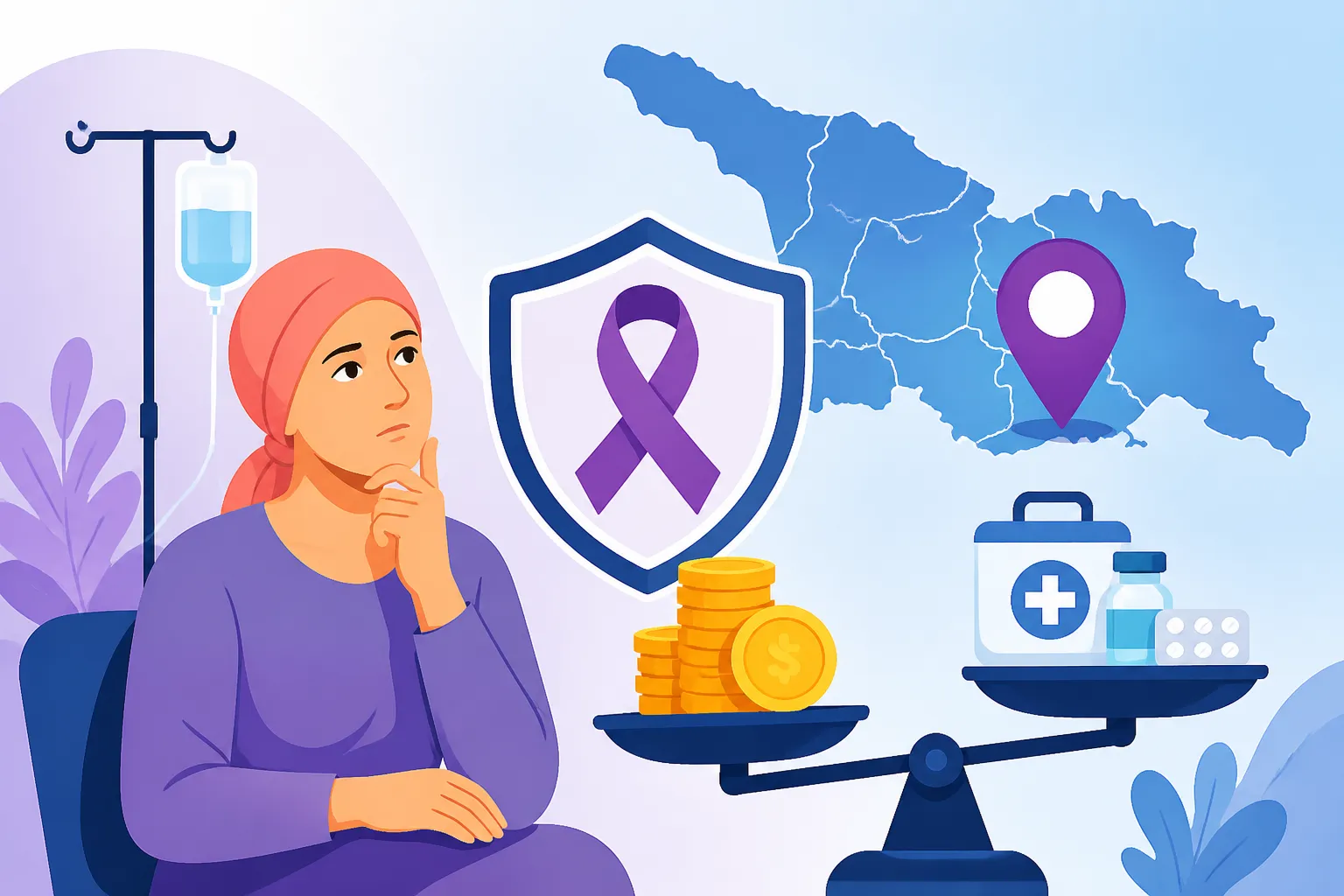
A cancer diagnosis, no matter where you are in the world, is an utterly terrifying experience. But when you’re living in a foreign country like Georgia, far from your usual support networks and familiar healthcare systems, that fear can multiply exponentially, especially when you start to grapple with the potentially astronomical costs. You’re not just facing a medical battle; you’re facing a bewildering administrative and financial maze. This guide is here to cut through the confusion, offering a realistic look at what you can expect in terms of cancer treatment costs in Georgia and how you might prepare for such an unthinkable scenario.
Understanding the Landscape of Cancer Care in Georgia
Navigating any healthcare system as an expat can feel like a labyrinth, and when it comes to something as serious as cancer treatment, the stakes are incredibly high. Georgia has a dual healthcare system, featuring both state-funded universal healthcare and a growing private sector. For expats, especially those facing a long-term, complex illness like cancer, understanding the nuances of these systems is absolutely critical.
Public vs. Private Healthcare for Oncology
On the surface, Georgia boasts a Universal Healthcare Program (UHC) that aims to cover a broad spectrum of medical services for its citizens and legal residents. However, for expats, the reality can be quite different. While the UHC can offer some level of support, especially for initial diagnostics or certain basic treatments, it often falls short when it comes to comprehensive, cutting-edge, or long-term oncology care. You might find that the public system involves longer wait times, less readily available specialist expertise, and potentially older equipment compared to the private sector. Furthermore, the level of English-speaking staff in public hospitals for complex medical discussions can be a significant barrier, adding immense stress during an already vulnerable time.
This often leads many expats to inevitably lean towards the private healthcare system for serious conditions. Private clinics and hospitals in Georgia, particularly in major cities like Tbilisi, offer a higher standard of care, more advanced technology, and a greater chance of finding English-speaking doctors and support staff. However, this superior access comes at a significant financial premium, and it’s where the true costs of cancer treatment can really begin to hit home. It’s a tough choice, balancing access and quality with financial strain, but for many, the peace of mind offered by the private sector is invaluable, despite the cost. To truly understand the basics, you might want to read our detailed guide on How Georgia's Health System Works: Universal Healthcare and Private Care Explained (2027).
Initial Diagnostic Costs
Before any treatment can even begin, you're looking at a series of diagnostic tests to confirm the diagnosis, determine the type and stage of cancer, and map out a treatment plan. These initial steps are crucial but can accumulate costs quickly. A general oncology consultation with a private specialist can range anywhere from 70 to 150 GEL, but this is just the tip of the iceberg.
You'll almost certainly need various imaging scans:
- Ultrasound: Around 50-100 GEL, depending on the area.
- CT Scans: A single CT scan can cost between 200-400 GEL, and often multiple areas need to be scanned.
- MRI Scans: More expensive, an MRI can easily cost 300-600 GEL per area. If you need an MRI for your brain, abdomen, and pelvis, you're looking at significant costs.
- PET Scans: These are highly specialized and often indispensable for cancer staging. A PET scan is considerably more expensive, typically ranging from 1,000-2,000 GEL in private facilities.
Then there are biopsies – taking tissue samples for pathological analysis. The procedure itself, plus the laboratory analysis, can cost between 300-800 GEL, depending on the complexity and location of the biopsy. Blood tests, genetic markers, and other specialized lab work, which are standard for oncology, will also add up, often costing hundreds of GEL per comprehensive panel. These are not one-off expenses; you might need repeated scans and blood tests throughout your journey.
Deconstructing the Costs of Cancer Treatment
Once a diagnosis is confirmed and a treatment plan is in place, the costs truly begin to escalate. Cancer treatment is rarely a single procedure; it's a multi-faceted approach that often spans months or even years, involving a combination of therapies tailored to the individual's specific cancer type and stage.
Surgical Interventions
For many types of solid tumors, surgery is a primary treatment. The cost of surgical intervention in Georgia varies dramatically based on the complexity of the operation, the duration of the hospital stay, the type of facility (public vs. private), and the surgeon's fees.
In a private hospital, a relatively straightforward tumor removal might cost anywhere from 5,000 to 15,000 GEL. For more complex surgeries, involving specialized teams, longer operating times, and extensive post-operative care, the price can easily jump to 20,000-50,000 GEL or even more. This figure usually includes the surgeon's fee, anesthetist's fee, operating room costs, and a few days of hospital stay. However, complications can extend your stay, requiring more medication, tests, and potentially additional procedures, all of which add to the final bill. These are the kinds of unexpected expenses that can completely derail your financial planning if you’re not adequately insured.
Chemotherapy and Radiation Therapy
Chemotherapy and radiation are staples in cancer treatment, either used alone or in combination with surgery. These treatments are often administered in cycles over several months, meaning recurring costs that can be incredibly challenging to manage.
- Chemotherapy: The cost of chemotherapy is heavily dependent on the specific drugs used. Newer, targeted chemotherapy agents or immunotherapy drugs can be astronomically expensive. A single cycle of chemotherapy in Georgia can range from 500 GEL for older, more generic drugs to several thousand GEL (2,000-10,000+ GEL) for more advanced formulations. Multiply that by 6, 8, or even 12 cycles, and you quickly realize the immense financial burden. These costs often include the drug itself, the administration fees (nurses, hospital stay for infusions), and any supportive medications needed to manage side effects.
- Radiation Therapy: A full course of radiation therapy, which typically involves daily sessions over several weeks, can cost between 5,000 and 20,000 GEL. This includes the planning (dosimetry), the radiation sessions, and follow-up consultations. The exact price again depends on the technology used (e.g., conventional vs. intensity-modulated radiation therapy, IMRT), the number of fields, and the total dose required.
These are not just the costs of the treatment itself, but also the costs of managing the side effects. Anti-nausea medication, pain relief, and other supportive drugs are essential, and while individually not exorbitant, they contribute to the overall expense.
Targeted Therapies and Immunotherapy
Modern oncology has seen incredible advancements with targeted therapies and immunotherapies, which are often more effective and have fewer side effects than traditional chemotherapy. However, these innovations come with a steep price tag. These drugs are often proprietary, and their costs can be exceptionally high.
A single dose or cycle of a targeted therapy or immunotherapy can range from 5,000 GEL to well over 20,000 GEL. Since these treatments are often administered for extended periods, sometimes for years, the cumulative cost can easily run into hundreds of thousands of GEL, if not more. This is where the importance of comprehensive private health insurance, especially plans that cover advanced oncology treatments, becomes absolutely paramount. Without it, these life-saving therapies might simply be out of reach for most individuals.
Post-Treatment Care and Rehabilitation
The journey doesn't end when active treatment concludes. Post-treatment care and rehabilitation are vital for recovery, monitoring, and maintaining quality of life. These costs, though seemingly smaller, add up over time.
- Follow-up Consultations: Regular check-ups with your oncologist, typically every few months, will incur consultation fees (70-150 GEL per visit).
- Surveillance Scans and Blood Tests: You'll need periodic imaging (CT, MRI) and blood tests to monitor for recurrence. These follow the same pricing as initial diagnostic tests and are repeated over several years.
- Supportive Medications: Long-term use of medications to manage ongoing side effects, hormone therapy, or other maintenance drugs can become a significant monthly expense.
- Rehabilitation: Physical therapy, nutritional counseling, and psychological support are crucial for many cancer survivors. A single session of physiotherapy might cost 50-100 GEL, and you might need many. Mental health support, while increasingly recognized as vital, also comes with its own costs, typically 80-150 GEL per session. You can learn more about How to Access Mental Health Services in Georgia as an Expat in another one of our articles.
The entire cancer journey is a marathon, not a sprint, and the financial implications extend far beyond the immediate treatment phase.
Navigating Financial Realities: Insurance and Support Options
Facing cancer costs in a foreign land can feel incredibly isolating. This is where understanding your financial options, particularly insurance, becomes your best defense.
The Critical Role of Private Health Insurance
Let’s be brutally honest: for a serious, long-term illness like cancer, relying solely on Georgia’s Universal Healthcare Program as an expat is a huge gamble. While it provides a safety net, it’s not designed for the extensive, often cutting-edge, and continuous care that modern oncology demands. This is why comprehensive private health insurance is not just recommended, it’s almost non-negotiable for expats who want peace of mind and access to the best available care. You can find more information on this in Health Insurance in Georgia: Private and International Options Explained.
When choosing private health insurance, you have a couple of main avenues: local Georgian plans or international health insurance providers.
- Local Georgian Plans: These can be more affordable but might have lower coverage limits for critical illnesses, potentially excluding or capping benefits for conditions like cancer. You need to scrutinize the policy details for exclusions, sub-limits for specific treatments (like chemotherapy drugs), and, crucially, waiting periods for serious conditions. Often, there’s a waiting period of 6-12 months for cancer diagnosis to be covered.
- International Health Insurance: Providers like Cigna Global, Allianz Care, or Aetna International offer far more comprehensive coverage, often with higher annual limits and access to a wider network of hospitals, both in Georgia and potentially in other countries if you need to travel for specialized treatment not available locally. These plans are more expensive, but for something like cancer, they offer a far greater degree of financial protection.
Regardless of the type, you must check the policy carefully for:
- Pre-existing Conditions: If you have any history of cancer, even if successfully treated, it's highly likely to be excluded from new policies or subject to significant loading/waiting periods. This is a critical point.
- Coverage Limits: What's the total annual or lifetime limit? How much is covered for chemotherapy, radiation, surgery, and expensive targeted drugs? These are the real cost drivers.
- Deductibles and Co-payments: How much do you have to pay out-of-pocket before insurance kicks in, and what percentage do you continue to pay?
For emergency situations or shorter stays, something like a travel insurance policy from SafetyWing might offer some coverage for unexpected medical emergencies. However, it's vital to understand that general travel insurance, even those that offer digital nomad health insurance, are typically designed for acute unexpected illnesses or injuries, not for chronic conditions or pre-existing diseases, and certainly not for comprehensive, long-term cancer treatment. If you’re a long-term resident, you truly need a dedicated, robust health insurance plan. If you’re just starting your expat journey, understanding How to Get Health Coverage as a Newcomer in Georgia is a good first step.
Public System Subsidies and Programs
While the private sector is usually the preferred choice for comprehensive cancer care, it’s important to acknowledge that the Georgian state does have programs aimed at supporting oncology patients, particularly for its citizens. For expats with residence permits, you might be eligible for some subsidies through the Universal Healthcare Program, especially if you are legally employed and paying into the system.
However, navigating these state subsidies can be an administrative nightmare. The specific treatments covered, the percentage of costs subsidized, and the eligibility criteria can change, and you’ll likely need significant Georgian language skills or local assistance to understand and access these benefits. There might be quotas for certain expensive treatments, leading to wait lists. Furthermore, the level of co-payment expected from the patient, even for subsidized treatments, can still be substantial. It's not uncommon to hear of patients having to fund a significant portion of their own treatment, even with state support, especially for innovative or experimental therapies.
Financial Planning and Assistance
Even with excellent insurance, a cancer diagnosis can bring significant financial strain. Beyond the direct medical costs, there are indirect expenses: time off work, travel to appointments, special dietary needs, and caregiver support.
- Financial Counselling: If you find yourself in this situation, seek professional financial advice. Some private clinics might have patient support services that can guide you through payment plans or help you understand your options.
- Payment Plans: Discuss payment plans directly with hospitals or clinics. They may be willing to structure payments over time, especially for high-cost treatments.
- Charitable Organizations: While less prevalent for expats, it's worth exploring if there are any local or international charitable organizations that offer support for cancer patients in Georgia. Be prepared for a lengthy application process and strict eligibility criteria.
- Community Support: Lean on your expat community. Often, fellow expats can offer invaluable advice, share experiences, or even organize crowdfunding efforts in dire situations.
The goal is to be proactive. Don't wait until a crisis hits. Understanding The Cost of Healthcare in Georgia: A Complete Breakdown for Foreigners (2026) will help you build a more robust financial plan from the outset of your life in Georgia.
Here’s a rough idea of what some private sector treatments might cost in Georgia, but remember, these are just estimates and can fluctuate wildly based on individual circumstances and facility:
| Treatment Component | Estimated Cost Range (GEL) | Notes |
|---|---|---|
| Oncologist Consultation | 70 – 150 | Per visit |
| Basic Blood Tests (Oncology Panel) | 150 – 400 | Per panel, may vary based on specific markers |
| Ultrasound Scan | 50 – 100 | Per area |
| CT Scan | 200 – 400 | Per area, often requires contrast, adding to cost |
| MRI Scan | 300 – 600 | Per area, higher cost for advanced sequences |
| PET Scan | 1,000 – 2,000 | Highly specialized, crucial for staging, typically done at specific centers |
| Biopsy (Procedure + Pathology) | 300 – 800 | Varies by complexity, location, and type of analysis |
| Minor Surgery (e.g., small tumor) | 5,000 – 15,000 | Includes surgeon's fee, anesthetist, OR, short hospital stay |
| Major Surgery (e.g., complex organ) | 20,000 – 50,000+ | Highly variable, depends on complexity, team, length of stay |
| Chemotherapy (per cycle) | 500 – 10,000+ | Varies immensely by drug type, dosage, and administration. Newer drugs are significantly more expensive. |
| Radiation Therapy (full course) | 5,000 – 20,000 | Depends on technology, number of sessions, and complexity of planning |
| Targeted/Immunotherapy (per cycle/dose) | 5,000 – 20,000+ | Can be exceedingly high for novel drugs, often long-term treatment |
| Post-Treatment Follow-up Scan | 200 – 600 | Recurring, similar to diagnostic scans |
| Physiotherapy (per session) | 50 – 100 | Often needed for recovery |
| Psychological Support (per session) | 80 – 150 | Essential for mental well-being |
This table highlights just how quickly costs can spiral. A combination of surgery, multiple cycles of chemotherapy, radiation, and post-treatment care could easily reach hundreds of thousands of GEL over the course of the treatment and recovery period. For this reason, selecting the right private insurance from the start is truly paramount, a point we covered in How to Buy Private Health Insurance After Moving to Georgia. Even for short-term visitors, while a basic policy like SafetyWing might be adequate for a twisted ankle or sudden fever, it’s not designed for critical, ongoing conditions. So, it really emphasizes the gap that long-term expats need to fill with robust local or international health insurance.
Final Thoughts: The Unseen Costs and Preparing for the Unpredictable
Beyond the direct financial implications, there are countless unseen costs when battling cancer in a foreign country. The emotional toll of being away from family, the language barriers, the challenges of navigating an unfamiliar system, and the sheer mental exhaustion are immense. Having a strong support system, even if it's an expat network, becomes incredibly important.
The truth is, while Georgia offers generally lower healthcare costs compared to Western Europe or North America, cancer treatment is universally expensive, particularly for advanced or experimental therapies. The key takeaway here is robust preparation. Do not assume the Universal Healthcare Program will cover you comprehensively. Research your insurance options thoroughly, asking specific questions about critical illness coverage, especially for oncology. If you're planning a move to Georgia, getting your health insurance sorted should be one of the very first things you do, alongside understanding The Complete Guide to Healthcare in Georgia for Expats (2027). Being proactive about your health coverage is the single most important step you can take to protect yourself and your loved ones from the devastating financial impact of a cancer diagnosis.
Disclaimer
The information provided in this guide is for general informational purposes only and does not constitute medical, financial, or legal advice. Healthcare costs and policies in Georgia can change, and individual situations vary greatly. Always consult with qualified medical professionals, insurance providers, and legal experts for advice tailored to your specific circumstances.