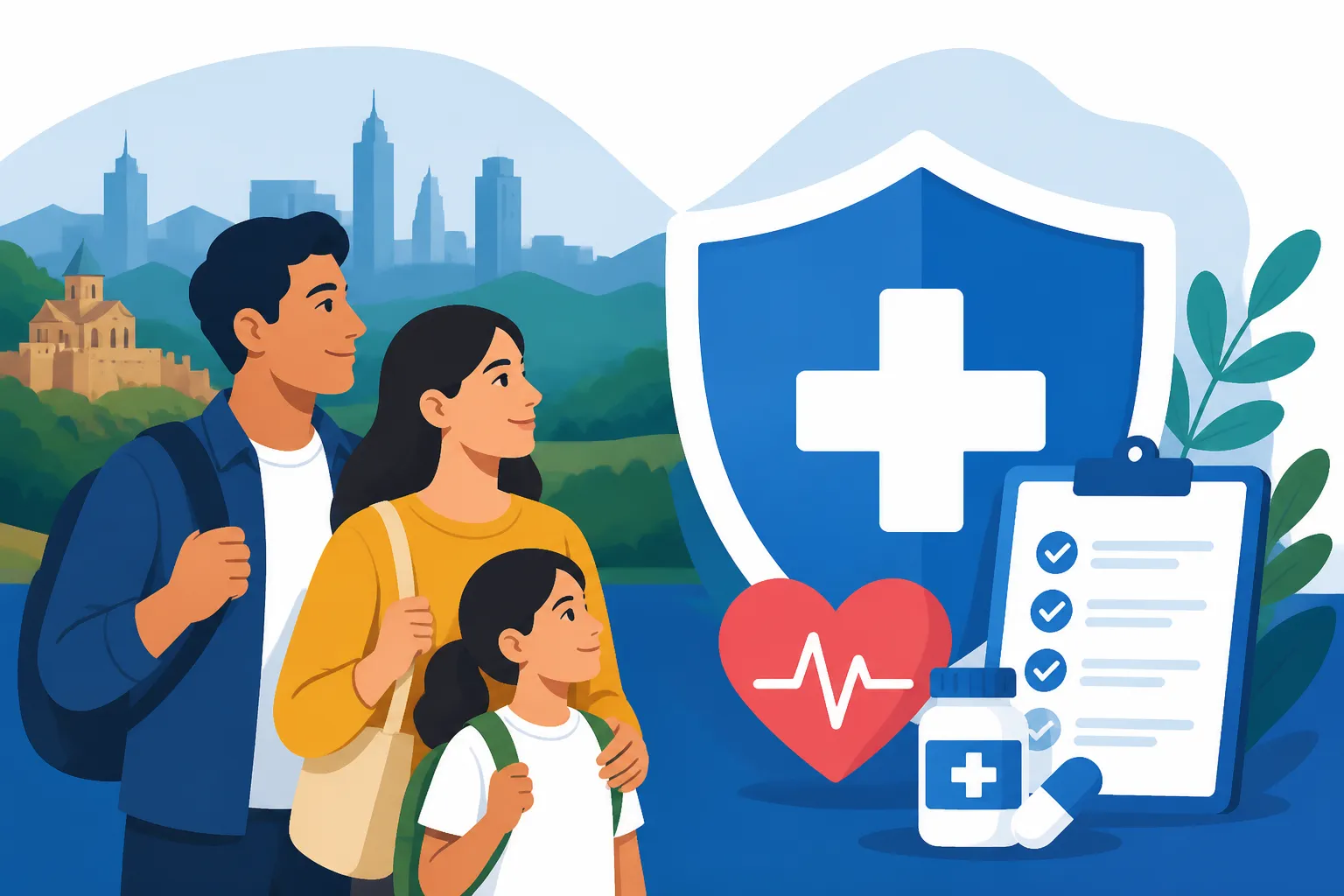
How to Get Health Coverage as a Newcomer in Georgia
Stepping off the plane into a new country like Georgia is exhilarating, but beneath the excitement often lies a gnawing worry: "What happens if I get sick?" Navigating a new healthcare system can feel like deciphering ancient scrolls, especially when you're still figuring out where to buy decent khachapuri. This guide is here to untangle the complexities of securing reliable health coverage as a newcomer, helping you move past the initial anxieties and truly settle into your Georgian adventure.
The Initial Reality Check: What You Need to Know Upon Arrival
When you first arrive in Georgia, especially if you’re coming from a country with a different healthcare model, the immediate question of "what if" looms large. It's not just about finding a doctor; it's about understanding how you'll pay for it, what your rights are, and what the local system expects from you. Many of us arrive thinking our existing travel insurance will cover everything, or that the local system will be easy to plug into, and quickly discover it's not quite that simple.
Visa-Free Travel and Health Insurance Requirements
For citizens of over 90 countries, Georgia offers a fantastic 365-day visa-free stay. This incredible freedom is one of Georgia's biggest draws for expats and digital nomads. However, it's crucial to understand that "visa-free" doesn't mean "worry-free" when it comes to health. While you typically won't be asked to show proof of health insurance at the border when entering Georgia on a visa-free stay, it is still a highly recommended safety net. The government itself advises all foreign visitors to have valid health insurance. Think of it as driving a car without a seatbelt – you might not get stopped by the police for it, but if something goes wrong, you're in a much more vulnerable position. Many expats initially rely on their existing travel insurance policies from their home countries, and while this is better than nothing, it's often designed for short-term tourism, not long-term living. These policies might have limitations on duration, geographical coverage (some exclude your country of residence, even if that's a new residence), or a higher deductible for routine care.
The Immediate Post-Arrival Coverage Gap
This is where many newcomers find themselves in a bit of a pickle. You've arrived, maybe you have a travel insurance policy that will expire in a month or two, or perhaps you're planning to apply for a residence permit soon. The period immediately after arrival, before you've fully integrated or secured a local long-term solution, is often referred to as the "coverage gap." During this time, you're most susceptible to unexpected medical costs. Imagine needing to visit a doctor for a sudden illness or, worse, an accident. Without adequate insurance, you'll be paying out of pocket, and while healthcare costs in Georgia can be surprisingly affordable compared to Western countries, they can still add up quickly. This is also the time when bureaucratic hurdles feel most frustrating. Getting a local phone, setting up a bank account, and understanding how to even find a doctor can be overwhelming. Many temporary travel insurance solutions like SafetyWing are designed with this nomadic lifestyle in mind, offering flexibility that can bridge these gaps until you figure out your longer-term plans.
Understanding Georgia's Healthcare Landscape for Foreigners
Georgia's healthcare system is a fascinating blend, not quite fully public, not entirely private, and with distinct implications for those of us who weren't born here. It’s important to distinguish between what’s available to citizens and what’s realistically accessible for foreigners, especially during those first crucial months or years.
Universal Healthcare Program UHC and Expat Eligibility
Georgia does have a Universal Healthcare Program (UHC), which is a fantastic initiative aimed at providing essential medical services to its citizens and certain resident categories. However, for most newcomers, especially those on a visa-free stay or even with a temporary residence permit, direct eligibility for the UHC program is limited or non-existent. It’s primarily designed for Georgian citizens, permanent residents, and specific vulnerable groups. This is a common misconception and a source of frustration for many expats who assume a "universal" system means universal access. So, if you're picturing yourself waltzing into a public clinic with your passport and getting free care, you might be in for a rude awakening. While emergency services (like calling 112 for an ambulance) are generally accessible to everyone regardless of insurance, for anything beyond life-threatening situations, you'll likely be directed towards private payment or private insurance. To learn more about how the system works, you might find our guide on How Georgia's Health System Works: Universal Healthcare and Private Care Explained (2027) very useful.
The Dominance of Private Healthcare Providers
The reality for most expats in Georgia is that the private healthcare sector is where you'll find your primary care. This isn't necessarily a bad thing. In fact, Georgia boasts a robust and modern private healthcare infrastructure, especially in cities like Tbilisi and Batumi. You'll find a plethora of private clinics, hospitals, and specialist centers that are often well-equipped, staffed by English-speaking doctors, and offer a high standard of care. This private system is largely pay-as-you-go for those without insurance, with costs that are significantly lower than in many Western countries. A standard doctor's visit, for example, might cost you anywhere from 50 to 100 GEL without insurance. But don't let the lower prices lull you into a false sense of security; complex procedures, hospital stays, or ongoing treatments can quickly accumulate into substantial bills. This is why having a good private health insurance policy is not just a convenience, but a genuine necessity for financial security. Understanding The Cost of Healthcare in Georgia: A Complete Breakdown for Foreigners (2026) can give you a better idea of potential expenses.
Why Private Insurance Becomes Essential
Given the limited access to UHC for most newcomers and the prevalence of private providers, private health insurance isn't just a "nice to have" – it's fundamental. It acts as your financial shield against unexpected medical expenses, from routine check-ups and prescription medications to emergency surgeries and hospital stays. Without it, a simple misstep resulting in a broken bone could lead to thousands of dollars in bills, turning your Georgian dream into a financial nightmare. Beyond the financial aspect, having private insurance often streamlines your access to care. Many private clinics and hospitals prefer to deal directly with insurance providers, making the administrative process smoother for you. It also gives you peace of mind, knowing that you have a dedicated pathway to quality medical attention, without having to constantly worry about the price tag. For anyone staying long-term, consider it an investment in your well-being and financial stability. If you're wondering if it's truly necessary, our article on Do I Need Private Health Insurance in Georgia? provides more insights.
Navigating Your Private Health Insurance Options in Georgia
Once you understand that private health insurance is the way to go, the next hurdle is figuring out which private insurance. This isn't a one-size-fits-all decision, and the options can feel overwhelming. You've got local providers, international behemoths, and various packages tailored to different needs and budgets.
Local Georgian Insurance Providers
Georgia has several reputable local insurance companies that offer health coverage. These plans are often designed specifically for the Georgian market, which can be an advantage in terms of local knowledge and direct billing arrangements with clinics and hospitals. Companies like GPI Holding, Imedi L, and Aldagi are well-known players in the market. Their plans typically cover a range of services from outpatient consultations, diagnostics, and specialist visits to hospitalizations and sometimes even dental or vision care, depending on the tier.
Pros of Local Providers:
- Local Expertise: They understand the Georgian healthcare system inside out and often have established direct billing agreements with local clinics, which can simplify the process of payment.
- Cost-Effective: Often, local plans can be more budget-friendly than comprehensive international plans, especially if you plan to stay mostly within Georgia.
- Simpler Communication: Dealing with a local company for claims and inquiries can sometimes be more straightforward if you’re comfortable with the local language or if they have dedicated English-speaking staff.
Cons of Local Providers:
- Limited International Coverage: If you travel frequently outside Georgia, your coverage might be limited or non-existent in other countries.
- Less Flexible for Digital Nomads: If your lifestyle means you might move to another country soon, porting a local Georgian policy might be difficult or impossible.
- Documentation: You often need a Georgian residence permit and a local bank account to secure a policy, which can be a hurdle for new arrivals or those on a visa-free stay.
For many, finding a provider and plan that suits their specific needs after moving to Georgia can be a process. Our guide on How to Buy Private Health Insurance After Moving to Georgia offers practical steps.
International Health Insurance Solutions
Then you have the international heavy hitters. Companies like SafetyWing, Cigna Global, Aetna International, and GeoBlue offer plans specifically designed for expatriates and digital nomads living abroad. These policies are generally more comprehensive in their geographical coverage and can be much more flexible, making them ideal for those who aren't sure how long they'll be in Georgia or who travel frequently.
Pros of International Providers:
- Global Coverage: The biggest advantage is coverage across multiple countries, which is perfect for frequent travelers or those who might relocate again. A plan like SafetyWing, for example, is built for people on the move, offering worldwide coverage excluding the USA (or including it, depending on the plan).
- Flexibility: Many international plans allow you to sign up from anywhere, often without requiring a local residence permit, and can be renewed month-to-month, which is excellent for digital nomads.
- English-Speaking Support: Customer service is almost always in English, and often multilingual, making claims and inquiries much easier.
- Reputation and Trust: These larger companies often have extensive networks of medical providers and a strong reputation for handling complex international claims.
Cons of International Providers:
- Higher Premiums: Typically, international plans can be more expensive than local ones, especially for comprehensive coverage.
- Direct Billing Limitations: While they have broad networks, sometimes direct billing arrangements with smaller local clinics in Georgia might not be as seamless as with a local provider. You might need to pay upfront and claim reimbursement.
- Waiting Periods for Certain Conditions: Like all insurance, there are often waiting periods for pre-existing conditions or specific treatments like maternity care.
Factors to Consider When Choosing a Plan
Choosing the right health insurance in Georgia involves a careful evaluation of your personal circumstances, budget, and health needs.
1. Coverage Scope:
- Inpatient vs. Outpatient: Does the plan cover only hospital stays (inpatient) or also doctor visits, prescriptions, and diagnostics (outpatient)? Most expats will want comprehensive outpatient coverage.
- Geographical Coverage: Do you need coverage only in Georgia, or worldwide? If you travel to other countries regularly, an international plan might be better. Some plans, like those offered by SafetyWing, include short trips back to your home country, which can be a huge bonus.
- Specific Treatments: If you have particular health needs, like mental health support, dental care, or vision, check if these are included or available as add-ons. You'll want to understand How to Access Mental Health Services in Georgia as an Expat if this is a concern.
2. Deductibles and Co-payments:
- Deductible: This is the amount you pay out of pocket before your insurance starts covering costs. A higher deductible usually means lower monthly premiums.
- Co-payment/Co-insurance: This is a percentage or fixed amount you pay for each service after the deductible is met. Make sure you understand these figures to avoid surprises.
3. Network and Direct Billing:
- Does the insurer have a network of preferred clinics and hospitals in Georgia?
- Do they offer direct billing, meaning the clinic bills the insurer directly, or will you have to pay upfront and claim reimbursement? Direct billing is usually preferred for convenience.
4. Customer Service and Claims Process:
- Is customer service available in English?
- How easy is it to submit a claim? What is the typical turnaround time for reimbursements?
- Having a smooth claims process is invaluable, as no one wants to deal with complicated paperwork when feeling unwell.
5. Price:
- While price shouldn't be the only factor, it's obviously important. Get multiple quotes and compare plans side-by-side. Remember that the cheapest plan might not offer sufficient coverage for your needs. If you’re a digital nomad or remote worker, looking at options like SafetyWing can provide affordable, flexible solutions.
6. Residence Permit Requirements:
- Some local insurers might require you to already have a Georgian residence permit to purchase a policy. International providers are generally more flexible on this front. This ties into the question of How Your Residence Status Affects Health Coverage in Georgia.
Here's a quick comparison table to help visualize the differences:
| Feature | Local Georgian Insurance (e.g., GPI Holding) | International Health Insurance (e.g., SafetyWing, Cigna) |
|---|---|---|
| Primary Target Group | Residents, those settled long-term | Expats, digital nomads, frequent travelers |
| Geographical Coverage | Primarily Georgia; limited international | Worldwide (often excluding home country/USA options) |
| Eligibility for Newcomers | Often requires residence permit | Flexible; can sign up without residence permit |
| Cost | Generally more affordable for basic plans | Can be higher, but offers more comprehensive benefits |
| Direct Billing in Georgia | Often strong local networks | Varies; may require upfront payment & reimbursement |
| Language Support | Predominantly Georgian; some English staff | Primarily English; multilingual support available |
| Flexibility (e.g., monthly) | Less common | Common for digital nomad plans (e.g., SafetyWing) |
| Portability | Low; difficult to use if you move | High; can maintain coverage if you move to a new country |
| Pre-existing Conditions | Standard waiting periods apply | Standard waiting periods apply |
The Application Process: Getting Your Coverage in Place
Alright, you've done your research, weighed your options, and decided on a plan. Now comes the exciting part: actually getting covered! While it's not as complex as, say, applying for a Georgian residence permit, there are still a few hoops to jump through.
Required Documents and Information
The specific documents you'll need can vary slightly depending on whether you're going with a local Georgian insurer or an international provider.
For Local Georgian Insurers:
- Passport: A copy of your valid passport, often including the entry stamp showing your legal presence in Georgia.
- Residence Permit: This is often a mandatory requirement. If you don't have one, you might be denied. This is where the long-term expat status really differs from a tourist or short-term visitor.
- Georgian Personal ID Number (PIN): This is usually linked to your residence permit.
- Georgian Bank Account: For premium payments and potential reimbursements, a local bank account is typically required.
- Address in Georgia: Proof of your local address.
- Health Questionnaire/Medical Declaration: You'll need to fill out a detailed form about your medical history and pre-existing conditions. Be honest!
- Employment Details (if applicable): If your employer is providing or subsidizing the insurance, they will handle much of this.
For International Health Insurers (like SafetyWing):
- Passport Information: Your passport number and details.
- Contact Information: Your current address (which can be outside Georgia initially) and contact details.
- Payment Method: Usually a credit or debit card for recurring payments.
- Travel Dates/Intended Stay: Information about when you plan to be in Georgia and for how long.
- Health Questionnaire/Medical Declaration: Again, essential for underwriting and determining coverage for pre-existing conditions.
The key takeaway here is to have everything ready and be transparent. Any discrepancies or omissions could lead to problems with future claims.
Common Challenges and How to Overcome Them
Even with all your ducks in a row, the application process can sometimes throw a curveball. Don't worry, you're not alone if you encounter these common challenges.
- Language Barrier: While many insurance providers, especially international ones, have English-speaking staff, some local providers might have limited English support. If you're struggling, consider asking a Georgian friend or a local assistant (like those found through expat community groups) to help translate or clarify. This is a common issue for many newcomers, so don’t be shy about seeking help.
- Lack of Residence Permit: As mentioned, this is a big one for local insurers. If you're on a visa-free stay and plan to be in Georgia for more than a few months, consider prioritizing a residence permit application if your long-term plan involves a local insurer. In the meantime, international options like SafetyWing are a lifesaver precisely because they don’t typically demand a residence permit.
- Pre-existing Conditions: If you have a pre-existing medical condition, obtaining coverage can be more complex. Insurers will likely impose waiting periods (e.g., 6-12 months before they cover treatment related to that condition), or even exclude the condition entirely. Always declare everything upfront. Not doing so can invalidate your policy later. If you're moving with existing health issues, it’s worth researching specifically What Private Insurance Covers Pre-Existing Conditions in Georgia?
- Payment Issues: Sometimes, foreign credit cards might have issues with local Georgian payment gateways for local insurers, or vice-versa. Having a Georgian bank account helps immensely for local policies. For international ones, ensure your card is set up for international transactions.
Patience and persistence are your best friends here. Don't be afraid to ask for clarification, reread policy documents, and follow up if things seem stalled.
Understanding Policy Activation and Waiting Periods
Once your application is approved and you've paid your first premium, your policy usually activates. However, it's vital to understand that "activated" doesn't always mean "fully covered" from day one.
- Policy Activation Date: This is the date your coverage officially begins. Make sure this aligns with when you need it.
- General Waiting Periods: Most insurance policies, both local and international, will have general waiting periods for certain types of claims. For example, there might be a 14-day waiting period for general illnesses, meaning you can't claim for an illness that arises within the first two weeks of your policy. This is to prevent people from buying insurance only when they are already sick.
- Specific Waiting Periods (e.g., Maternity, Pre-existing Conditions): These can be much longer. For maternity care, it's often 10-12 months from the policy start date. For pre-existing conditions, it could be 6-24 months, or even a permanent exclusion. If you're planning a family, Understanding Maternity and Prenatal Care in Georgia in relation to insurance is key.
- Accident Coverage: Typically, accident-related claims are covered immediately upon policy activation, as they are unforeseen.
Always read your policy documents carefully to understand these waiting periods. It's the fine print that often catches people out, leading to unexpected out-of-pocket expenses when they thought they were covered.
Ongoing Health Management and Utilizing Your Coverage
Getting your insurance set up is a big step, but it’s just the beginning. The real test comes when you actually need to use it. Knowing how to navigate the system, find the right medical professionals, and handle claims is crucial for making the most of your health coverage in Georgia.
Finding English-Speaking Doctors and Clinics
One of the biggest concerns for newcomers is the language barrier when seeking medical care. Thankfully, in major cities like Tbilisi and Batumi, finding English-speaking doctors and internationally accredited clinics is becoming increasingly easy.
- International Clinics: Places like Evex Medical Corporation, formerly known as MedClub Georgia, or various private clinics such as "American Medical Centers" or "MediClubGE" (which often have English-speaking staff) are excellent starting points. They cater specifically to the expat community and often have administrative staff who are well-versed in handling international insurance claims.
- Expat Networks and Online Forums: Ask for recommendations in expat Facebook groups or forums. Word-of-mouth from fellow expats who've had positive experiences is invaluable. People are always sharing names of good dentists, pediatricians, or general practitioners.
- Your Insurance Provider's Network: Many international and local insurance companies will have a list of approved or preferred providers in Georgia. Check their website or call their customer service for recommendations. They can also tell you which clinics offer direct billing.
- Finding a Dentist: Dental care is also a consideration. Fortunately, there are many modern dental clinics in Georgia, with excellent standards and often lower prices than in Western countries. Look for recommendations on How Do I Find an English-Speaking Dentist in Georgia?.
When you call to make an appointment, always explicitly ask if they have English-speaking doctors available. This simple question can save you a lot of stress.
Understanding Claims and Reimbursements
This is often the most dreaded part of using insurance, but it doesn't have to be a nightmare if you're prepared.
-
Direct Billing: The easiest scenario. If your clinic has a direct billing agreement with your insurance provider, they will send the bill directly to the insurer. You might just need to pay a co-payment or deductible. Always confirm this before receiving treatment. Many major private clinics in Tbilisi work with various international insurance providers, including those known for expat coverage like SafetyWing.
-
Pay and Claim: More common for smaller clinics, pharmacies, or if direct billing isn't available. You pay the full amount upfront and then submit a claim to your insurance company for reimbursement.
- Keep all Receipts: This is critical! Get itemized receipts for consultations, diagnostic tests, prescriptions, and any procedures. Make sure they clearly state the service received, the date, and the cost.
- Medical Reports: Request a brief medical report or diagnosis from the doctor. This adds weight to your claim.
- Claim Form: Fill out your insurer's claim form accurately and completely.
- Submission: Submit all documents according to your insurer's instructions (usually via an online portal or email).
- Follow-up: Keep a record of your submission and follow up if you don't hear back within the stated timeframe.
-
Understanding Out-of-Pocket Costs: Even with insurance, you'll still have some out-of-pocket expenses, such as deductibles, co-payments, or services not covered by your specific plan. Always refer to your policy details to know what to expect. This is important when trying to understand Understanding Out-of-Pocket Healthcare Costs in Georgia.
Keeping Your Policy Current and Adapting to Changes
Life in Georgia, like anywhere else, can change. Your health needs or residence status might evolve, and your insurance needs to keep pace.
- Renewals: Pay close attention to your policy renewal dates. Missing a payment or letting your policy lapse can leave you unprotected. Many international policies, like SafetyWing, offer automatic monthly renewals, which is incredibly convenient for digital nomads.
- Changes in Residence Status: If you transition from a visa-free stay to a residence permit, or a temporary to a permanent one, check if this impacts your current insurance policy or if it opens up new, potentially better, local options.
- Life Events: Marriage, having children, or a new job can all impact your health insurance needs. You may need to add dependents to your policy, or seek out maternity coverage. Understanding How to Add Dependents to Your Health Insurance in Georgia is important for families.
- Policy Updates: Insurers periodically update their plans, terms, and conditions. Always review any notifications from your provider to ensure you understand any changes.
Being proactive about your insurance coverage means regularly reviewing your policy and ensuring it still meets your needs. Don't wait until an emergency strikes to discover a gap in your coverage.
Special Considerations for Different Expat Groups
Georgia attracts a diverse range of expats, and what works for one person might not work for another. Your lifestyle, family situation, and work status will heavily influence the best health coverage approach.
Digital Nomads and Remote Workers
Georgia has become a magnet for digital nomads, largely thanks to its generous visa policies and low cost of living. For this group, flexibility is paramount.
- Transient Lifestyle: Digital nomads often move between countries, making traditional long-term local insurance less practical. International policies are generally far more suitable as they provide global coverage and can be maintained regardless of your physical location.
- Month-to-Month Plans: Many digital nomads appreciate the ability to pay for insurance on a month-to-month basis, allowing them to adjust their coverage as their travel plans evolve. Providers like SafetyWing are specifically tailored for this flexibility, offering travel medical insurance that can be purchased for short trips or longer stays, and which automatically renews.
- Remote Work Nuances: If you're working remotely for a company based outside Georgia, your employer might offer international health benefits. If not, it falls to you to secure your own coverage. Always check with your employer what, if anything, they provide in terms of health coverage for remote staff based abroad.
For those embracing the remote work lifestyle, solutions that understand this transient nature are key. You'll want coverage that doesn't tie you down to one country's system, but rather supports your movements.
Families with Children and Maternity Needs
Moving with a family or planning to start one in Georgia adds another layer of complexity to health coverage. Children are more susceptible to common illnesses, and maternity care requires specific planning.
- Pediatric Care: Ensure any chosen policy covers pediatric visits, vaccinations, and specialist care for children. Finding a good pediatrician who speaks English is a top priority for expat parents, and our guide on How Do I Find a Pediatrician in Tbilisi? can help.
- Maternity Coverage: If you're planning a pregnancy, check the maternity benefits of your insurance well in advance. As mentioned, there are typically long waiting periods (often 10-12 months) before maternity care is covered. If you get pregnant before this waiting period is up, you could face significant out-of-pocket costs.
- Family Plans: Many insurers offer family plans that cover all members under one policy, which can often be more cost-effective than individual policies.
- Emergency Care for Children: Children, being children, are prone to accidents. Ensure your policy has robust emergency coverage. Knowing Emergency Medical Care in Georgia: What Every Expat Needs to Know is especially relevant for parents.
Planning is absolutely critical for families. Don't assume anything, and read the fine print on family and maternity clauses very carefully.
Self-Employed Individuals and Small Business Owners
Georgia is an attractive place for entrepreneurs due to its low taxes and relatively easy business setup. However, this also means you're solely responsible for your health coverage.
- No Employer-Provided Benefits: Unlike employees, self-employed individuals and small business owners don't have an employer to lean on for health benefits. You are your own HR department when it comes to insurance.
- Business Expenses: Depending on your business structure (e.g., individual entrepreneur vs. LLC), you might be able to consider health insurance premiums as a business expense, though it's best to consult with a local accountant on this.
- Comprehensive Coverage: It's particularly important for self-employed individuals to have comprehensive coverage, as any extended illness or injury could impact your ability to work and earn income.
- Income Protection: Some insurance plans offer an option for income protection or critical illness cover, which can provide a lump sum or regular payments if you're unable to work due to a serious illness or injury. While not strictly health insurance, it's a related financial safety net worth considering.
- Combining with Travel Medical: If you're running an online business, a flexible solution like SafetyWing might suit your needs, covering both your health in Georgia and your travels for business or leisure. For a deeper dive, consider our article on Understanding Health Coverage for the Self-Employed in Georgia.
Ultimately, securing health coverage as a newcomer in Georgia doesn't have to be a daunting task. By understanding the local landscape, exploring both local and international options, preparing your documents, and staying proactive, you can ensure that your health, and your wallet, are well-protected throughout your expat journey.
Disclaimer
The information provided in this guide is for general informational purposes only and does not constitute medical, financial, or legal advice. Healthcare policies, regulations, and costs in Georgia can change. Always consult with a qualified insurance professional, legal advisor, or medical expert for advice tailored to your specific situation.