How Georgia’s Health System Works: Universal Healthcare and Private Care Explained (2027)
Moving to a new country like Georgia is an adventure, but let's be honest, one of the biggest anxieties for any expat is understanding how to stay healthy and what to do if you get sick. The Georgian healthcare system can feel like a labyrinth, far removed from what many of us are used to. This comprehensive guide is here to untangle the complexities, explaining the nuances of both the Universal Healthcare Program and the private medical options, so you can navigate your health needs with confidence and clarity.
Understanding the Landscape: Georgia's Healthcare System at a Glance
When you first land in Georgia, particularly in bustling Tbilisi or charming Batumi, you might be struck by the juxtaposition of modern developments and traditional ways. This blend extends to the healthcare system, which isn't a single, monolithic entity but rather a dynamic mix that has evolved significantly over the past decades. Gone are the days of a purely Soviet-style system; what you'll find today is a country striving for accessible care, yet one where private options often cater more directly to the unique needs of the international community.
The Dual System: Public & Private
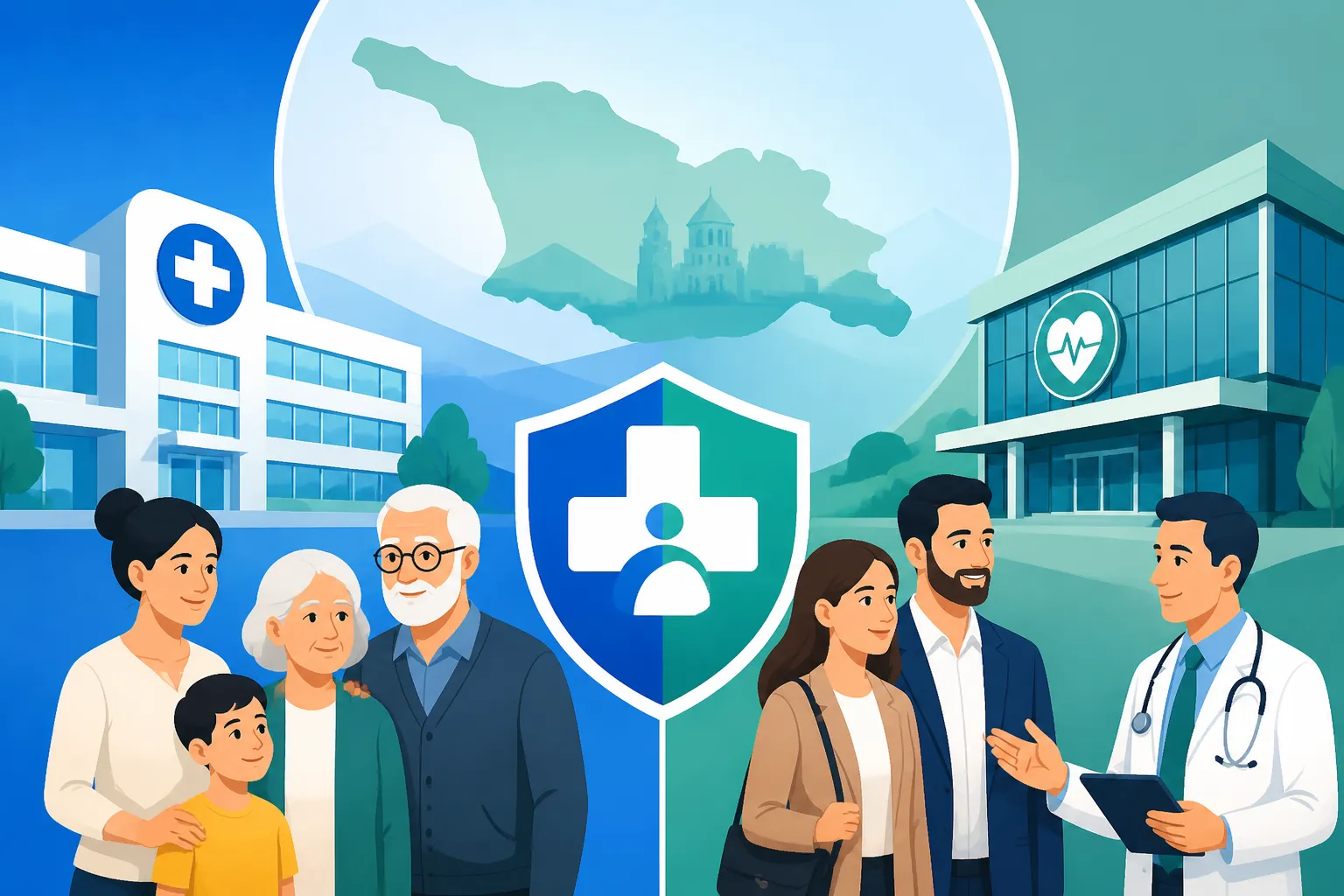
At its core, Georgia operates what can be described as a dual healthcare system, featuring both state-funded universal healthcare provisions and a burgeoning private sector. For long-term expats, understanding this duality is absolutely crucial because it will directly impact your choices, costs, and overall experience when seeking medical attention.
The public side, primarily managed under the state's Universal Healthcare Program (UHC), aims to provide a safety net for its citizens. It’s designed to ensure that basic medical services are available to a broad population, covering certain treatments, consultations, and emergency services. However, for foreigners, especially those who haven't secured long-term residency or specific employment statuses, the direct benefits of this public system can sometimes be limited or, at the very least, less straightforward to access compared to locals. You might find yourself scratching your head, wondering if you actually qualify for what you thought was "universal."
Then there's the private healthcare sector, which has grown exponentially, especially in urban centers. This is where many expats find their comfort zone. Private clinics and hospitals are typically equipped with more modern technology, offer a wider range of specialist services, and, importantly for many of us, often have English-speaking staff. They operate independently, charging fees for their services, which can then be covered by private health insurance. For many expats, the decision to rely heavily on private care isn't just about preference; it's often a pragmatic choice for convenience, quality, and linguistic accessibility.
Key Principles and Evolution of Georgian Healthcare
Georgia's journey in healthcare has been one of continuous reform since gaining independence. The shift away from a centrally planned system to one that incorporates market principles has been gradual, marked by efforts to decentralize services, introduce health insurance models, and improve infrastructure. The overarching principle, particularly for the UHC, is to ensure financial protection against catastrophic health expenditures for the population.
In recent years, the government has placed a strong emphasis on primary care development, aiming to make general practitioner services more robust and accessible. There's also been a push to modernize public hospitals, though progress varies across regions. For expats, this evolution means that while the public system is improving, it still has some way to go to match the consistent standards and convenience often found in Western healthcare systems. The private sector, however, fills many of these gaps, drawing on international standards and attracting medical professionals who are often trained abroad or have experience with foreign patients. This dynamic environment means that while the system might appear fragmented at first glance, there are usually good solutions available if you know where to look and have the right coverage.
Delving into Universal Healthcare UHC in Georgia
The Universal Healthcare Program (UHC) in Georgia sounds wonderful on paper, conjuring images of accessible, free-at-the-point-of-use services for everyone. And for Georgian citizens, it largely functions as intended, providing a foundational level of medical care. But here’s the rub for expats: universal doesn't always mean universal for everyone who happens to be in Georgia. Understanding the nuances of UHC is crucial to managing your healthcare expectations here.
Who is Covered by UHC? The Residency Conundrum
This is probably the biggest question mark for foreigners. While UHC aims for broad coverage, it primarily targets Georgian citizens. This includes those officially registered with the state, children under certain ages, pensioners, and certain vulnerable groups. So, if you're a tourist on a visa-free stay, or even a long-term expat living here on a residence permit but without specific employment status that integrates you into the state system, you generally won't be eligible for full UHC benefits.
The eligibility for foreigners can be a bit of a grey area, often depending on your residency status and employment. For instance, if you're employed by a Georgian company that contributes to social security, or if your residence permit explicitly links you to the state's social welfare programs, you might find yourself with some level of UHC coverage. However, even then, the extent of coverage can be limited compared to what a Georgian citizen receives, often focusing on basic, emergency, or specific preventive services. Many expats, even those with residence permits, still find themselves needing to rely on private options due to the lack of clear UHC eligibility or simply the complexities of navigating it without fluent Georgian. You really need to clarify your exact status. For a deeper dive, you might want to read Understanding the Universal Healthcare Program (UHC) in Georgia.
What Services UHC Typically Covers (and What it Doesn't)
For those who are covered by UHC, the program generally aims to subsidize or fully cover a range of services. This usually includes:
- Primary Care: Visits to a family doctor or general practitioner.
- Emergency Medical Services: Ambulance services and emergency room visits for life-threatening conditions.
- Selected Specialist Consultations: Depending on the package, consultations with certain specialists might be covered.
- Certain Diagnostic Tests: Basic blood tests, X-rays, etc., if deemed necessary by a UHC-affiliated doctor.
- Hospitalization: For covered conditions, a portion or all of the costs of inpatient care.
- Prescription Medications: A limited list of essential medicines might be subsidized.
However, it's equally important to understand what UHC doesn't always cover, or where coverage is minimal:
- Non-Urgent Specialist Care: Often, getting an appointment with a specialist for a non-emergency can involve long wait times or require additional out-of-pocket payments, even for those covered.
- Elective Procedures: Cosmetic surgery or other non-essential treatments are typically not included.
- Dental Care: Generally, dental services are not part of the basic UHC package, leaving individuals to cover these costs privately.
- Mental Health Services: While improving, comprehensive mental health support often falls outside the extensive coverage.
- High-Cost Medications: Many newer or more specialized prescription drugs may not be fully subsidized or covered.
- Private Clinic Services: UHC benefits are usually restricted to state-run or UHC-contracted facilities. If you opt for a private clinic, you'll be paying out of pocket.
The lesson here is that even if you qualify for some UHC benefits, it’s not the comprehensive blanket coverage many expats might be accustomed to from their home countries.
Navigating the UHC System: Practicalities for Foreigners
If you believe you might be eligible for UHC, the first step is to clarify your status. This often involves inquiring with your employer (if you're formally employed in Georgia) or contacting the Public Service Development Agency for precise information regarding your residence permit. Even then, you’ll typically need to register with a polyclinic (a state-run clinic) and be assigned a family doctor. This doctor acts as your gatekeeper for referrals to specialists within the UHC network.
The biggest challenge for many foreigners within the UHC system is the language barrier. While some medical professionals in larger cities might have some English proficiency, it's far from guaranteed. Medical forms, administrative staff, and even the doctors themselves might communicate exclusively in Georgian, which can be incredibly stressful when you're feeling unwell. This is one of the primary reasons why many expats, even those technically eligible for UHC, opt for private care where English-speaking services are more readily available. The bureaucratic processes can also be slow and require a level of persistence that can be daunting when you're new to the country.
The Rise of Private Healthcare: A Lifeline for Expats
For many of us who have made Georgia our home, especially in the bigger cities like Tbilisi and Batumi, the private healthcare sector quickly becomes our primary point of contact for medical needs. It's often where you'll find the most familiar standards of care, the latest equipment, and, crucially, English-speaking staff. This isn't just a luxury; for many, it's a necessity for clear communication and peace of mind.
Why Private Care is Often the Go-To for Foreigners
There are several compelling reasons why expats lean so heavily on private healthcare in Georgia. Firstly, as we just discussed, the Universal Healthcare Program's accessibility and coverage for non-citizens can be quite limited and confusing. Rather than navigating complex eligibility criteria and potential language barriers in the public system, many choose the straightforward approach of private clinics.
Secondly, private facilities, particularly in Tbilisi, tend to boast more modern infrastructure and a wider array of specialized services under one roof. They often adhere to international best practices, meaning you’ll find diagnostic equipment that’s up-to-date, and facilities that are clean, well-organized, and designed with patient comfort in mind. Waiting times are generally significantly shorter for appointments, and the overall patient experience is often more streamlined and customer-service oriented. This is a huge relief when you’re used to more efficient systems back home.
Finally, and perhaps most importantly, is the language factor. Private clinics understand that attracting international clients means providing multilingual staff. It's much easier to find an English-speaking doctor, nurse, or administrative assistant in a private setting, which removes a significant layer of stress and potential misunderstanding during critical medical situations. This assurance of clear communication is invaluable. When considering your options, you'll see why Public vs Private Healthcare in Georgia: What Expats Need to Know often boils down to these practical considerations.
Types of Private Facilities: Clinics, Hospitals, and Specialist Centers
Georgia’s private healthcare landscape offers a diverse range of facilities to meet various medical needs:
- Private Clinics (Polyclinics): These are often the first port of call for routine check-ups, general consultations, and minor ailments. Many private clinics, like Evex Medical Corporation or MediClub Georgia, function much like Western GP practices, offering family doctor services, basic diagnostics (blood tests, ultrasounds), and referrals to their own network of specialists. They are usually clean, efficient, and where you're most likely to find English-speaking general practitioners.
- Private Hospitals: For more serious conditions, surgeries, or inpatient care, private hospitals are available. These facilities are often equipped with advanced surgical theaters, intensive care units, and a full complement of medical specialists. Hospitals like the American Hospital Tbilisi or Curatio, for example, are known for their modern facilities and higher standards of care. They can handle everything from complex operations to childbirth, offering private rooms and a more personalized experience.
- Specialist Centers: Beyond general clinics and hospitals, you'll also find specialized private centers focusing on specific areas such as dentistry, ophthalmology, cardiology, or dermatology. These centers offer targeted expertise and advanced equipment for their particular field. For instance, dental clinics abound in Tbilisi, many catering specifically to international clients due to Georgia’s growing reputation for affordable dental tourism. These are generally the places to go for focused treatments, like a root canal or an eye exam.
The Cost Factor: Understanding Private Healthcare Expenses
While private healthcare in Georgia offers numerous advantages, it's essential to be realistic about the costs. Unlike the UHC, these services are not free or heavily subsidized. You will be expected to pay for every consultation, test, procedure, and medication out of pocket unless you have private health insurance.
A standard consultation with a general practitioner in a private clinic might range from 50 to 100 GEL, though this can vary. Specialist consultations can be higher, often starting from 70-150 GEL, depending on the specialist’s reputation and the clinic. Diagnostic tests, such as MRI scans or comprehensive blood work, can quickly add up to several hundred GEL. Hospital stays, surgeries, and long-term treatments can, of course, run into thousands, or even tens of thousands, of GEL.
This is precisely why private health insurance is not just recommended but almost essential for expats relying on the private system. Without it, a sudden illness or accident could lead to significant financial strain. While overall costs might still be lower than in Western Europe or North America, they are not negligible, especially for ongoing conditions or emergencies. For a comprehensive overview, you might want to look at The Cost of Healthcare in Georgia: A Complete Breakdown for Foreigners (2026).
Health Insurance: Your Shield in the Georgian System
Navigating a new country's healthcare system without adequate insurance is like walking a tightrope without a safety net. It's possible for a short while, but one misstep can have serious consequences. For expats in Georgia, health insurance isn't merely a suggestion; it's a cornerstone of financial and medical security. Whether you opt for a local plan or an international one, having coverage ensures you can access the quality care you need without the specter of astronomical bills.
Local Private Health Insurance: What to Look For
When you're settling in for the long haul in Georgia, local private health insurance can be a very practical option. Several Georgian insurance companies offer plans specifically designed for residents and expats, covering a range of services within the country. Companies like Irao, Aldagi, or GPI Holding are prominent players in the market.
When evaluating local plans, you'll want to pay close attention to several key factors:
- Coverage Limits: Understand the maximum amount the policy will pay out annually or per incident.
- Inpatient vs. Outpatient: Does it cover hospital stays (inpatient) as well as doctor visits, consultations, and tests outside of a hospital (outpatient)? Many basic plans might have stronger inpatient coverage but limit outpatient benefits.
- Network of Providers: Check which clinics and hospitals are covered by the plan. Do they include the reputable private facilities you'd prefer to use?
- Deductibles and Co-payments: How much do you have to pay out of pocket before the insurance kicks in (deductible), and what percentage of the cost do you pay for each service (co-payment)?
- Pre-existing Conditions: This is a crucial one. Many plans have limitations or exclusions for conditions you had before you purchased the policy. Be completely transparent when applying.
- English Language Support: Can you get assistance, claims processing, and policy documents in English? This makes a world of difference.
- Maternity and Dental Coverage: If these are important to you, check if they are included, as they are often add-ons or excluded from basic plans.
Local plans can often be more budget-friendly than international equivalents, making them attractive for those looking for solid coverage exclusively within Georgia. For more detailed guidance, consider How to Buy Private Health Insurance After Moving to Georgia.
International Health Insurance: A Popular Expat Choice
For many expats, particularly those who travel frequently or envision living in multiple countries, international health insurance offers a more comprehensive and often more flexible solution. Companies like SafetyWing, Cigna Global, or Allianz Care provide plans that cover you not just in Georgia but also across borders, often including your home country for short visits.
Here's why international plans are so popular and what to consider:
- Global Coverage: This is the primary advantage. If you travel extensively, your policy covers you wherever you go, ensuring continuity of care. SafetyWing, for instance, is a popular choice among digital nomads and remote workers precisely because it offers this kind of flexible, worldwide coverage that extends beyond just Georgia. It's an ideal solution for those whose lifestyle keeps them on the move, providing peace of mind whether you're in Tbilisi or a temporary stint elsewhere.
- Higher Limits: International plans often come with much higher annual coverage limits, sometimes in the millions, offering extensive protection against severe illness or accident.
- Broader Network: They typically have vast global networks of medical providers, allowing you to seek treatment in a wider array of facilities both in Georgia and internationally.
- Expat-Focused Services: Many international insurers are designed with expats in mind, offering multilingual customer service, direct billing options with many providers, and streamlined claims processes that can be handled remotely.
- Repatriation and Evacuation: Crucially, many international plans include medical evacuation (if you need to be transported to a better-equipped facility) and repatriation (if you need to be sent back to your home country for treatment). This is a critical safety net often missing from basic local plans.
While international plans can be more expensive, the peace of mind, extensive coverage, and flexibility they offer often justify the investment for many expats. When considering options, remember that How to Choose Between Local and International Health Insurance in Georgia is a decision that truly depends on your lifestyle and priorities.
The Importance of Coverage: Avoiding Financial Surprises
Regardless of whether you choose a local or international plan, having some form of robust health insurance is paramount. Medical emergencies can happen to anyone, anywhere, and in a system where you're largely relying on private care, the costs can escalate rapidly.
Imagine a scenario: you suddenly develop appendicitis and require emergency surgery. Without insurance, you're looking at thousands of GEL out of pocket for the surgery, hospital stay, and post-operative care. This kind of unexpected expense can devastate your finances and force you into difficult decisions about your health. With a good insurance policy, however, you can focus on your recovery, knowing that the financial burden is managed. Even for routine check-ups or unexpected colds, having insurance means you won't hesitate to see a doctor because of the cost, encouraging proactive health management.
Always read the fine print, understand your policy's exclusions, and know how to make a claim before you need to. Your health, and your wallet, will thank you for it.
Accessing Care: Doctors, Specialists, and Emergencies
Once you've wrapped your head around the system and ideally secured some health insurance, the next practical step is knowing how to actually get medical attention when you need it. This includes everything from finding a trusted GP to navigating specialist referrals and understanding what to do in a genuine emergency.
Finding a Doctor: English-Speaking & Expat-Friendly Options
This is often the first and most critical hurdle for new arrivals. The thought of explaining your symptoms in a foreign language is enough to make anyone dread a doctor's visit. Thankfully, in major cities, especially Tbilisi, finding an English-speaking doctor is becoming increasingly easier, largely thanks to the growing expat community and medical tourism.
Your best bet for finding an English-speaking general practitioner (GP) will be within the private clinic networks. Larger, more modern private clinics such as Evex Medical Corporation, MediClub Georgia, or American Medical Centers often employ doctors who have studied abroad or have extensive experience with international patients. Many expats rely on word-of-mouth recommendations within their communities or use online expat groups to find trusted practitioners.
When you first arrive, it’s a good idea to schedule a general check-up with a GP at one of these clinics. This allows you to establish a relationship with a doctor, get familiar with the clinic's procedures, and ensure you have a medical point of contact before you actually fall ill. They can also advise you on local health concerns, routine vaccinations, and generally guide you through the system. Knowing How to Find an English-Speaking Doctor in Georgia is truly a game-changer for many.
Referrals and Specialist Care: The Pathway
In Georgia, whether within the UHC system or often in private care, the typical pathway to seeing a specialist is through a referral from a general practitioner. Your GP will assess your condition, and if they determine you need specialized care (e.g., seeing a dermatologist for a skin issue or an orthopedist for a joint problem), they will provide a referral.
In the private system, this referral process is usually quite swift. Your GP might refer you to a specialist within the same clinic network, or suggest a reputable specialist at another private facility. You then simply book an appointment, often with minimal waiting times, especially compared to public systems in other countries. It’s a fairly straightforward process, emphasizing efficiency and patient choice.
It's important to remember that most private insurance plans require a GP referral for specialist visits to be covered, so don't try to bypass your GP unless it's a direct referral for follow-up from a previous specialist visit. Always check with your insurance provider about their specific requirements for specialist consultations to ensure your costs are covered. This detailed approach is highlighted in How Specialist and Hospital Referrals Work in Georgia.
Emergency Medical Services: What to Expect
No one wants to think about a medical emergency, but knowing what to do in Georgia can genuinely save lives. The universal emergency number in Georgia is 112. This single number connects you to all emergency services: police, fire, and ambulance.
When you call 112 for an ambulance, be prepared to clearly state your location (a precise address is crucial, along with any landmarks), the nature of the emergency, and ideally, that you are a foreigner and need an English speaker if possible. While 112 operators usually have some English proficiency, having a Georgian speaker with you, if available, can be incredibly helpful in ensuring your message is understood quickly and accurately.
Public ambulances (often marked with "EMS" or a red cross) will take you to the nearest state or affiliated hospital equipped to handle your emergency. For severe, life-threatening conditions, the quality of immediate emergency care in these public hospitals can be surprisingly good, as they are geared for trauma and critical interventions. However, post-stabilization care might be better managed in a private hospital if your insurance allows for transfer and you can arrange it.
For non-life-threatening emergencies, or if you prefer a private facility from the outset and can arrange transport yourself, you can go directly to the emergency department of a private hospital like American Hospital Tbilisi. Some private clinics also have urgent care departments for less severe issues that can't wait for a regular appointment.
Crucially, emergency care in Georgia is provided regardless of your insurance status, but you will be responsible for the costs if you don't have coverage. This is where having private or international health insurance like SafetyWing truly matters, as it will cover the substantial costs associated with emergency transport, diagnostics, and treatment. Familiarizing yourself with Emergency Medical Care in Georgia: What Every Expat Needs to Know is a must.
Pharmacies and Medications: A Practical Guide
Getting your prescriptions filled or simply buying over-the-counter remedies is another part of the healthcare experience that can feel different in Georgia. The pharmacy system is generally efficient and well-stocked, but there are a few things expats should be aware of to avoid confusion.
Over-the-Counter vs. Prescription Medications
One noticeable difference for many expats is the availability of certain medications that might require a prescription in their home countries. In Georgia, some drugs that are usually prescription-only elsewhere, such as certain antibiotics, painkillers, or even mild sedatives, can often be purchased over the counter at a pharmacy. This can be a double-edged sword: convenient for minor ailments, but potentially risky if not used responsibly.
For truly potent medications or controlled substances, a valid prescription from a Georgian doctor is definitely required. It’s also important to note that a prescription from a foreign doctor may not be accepted. It’s always best to see a local GP to get a Georgian prescription if you need ongoing medication. This is a common practice, and a Georgian doctor can also ensure the medication is appropriate and available locally.
Finding a Pharmacy and Understanding Drug Availability
Pharmacies are incredibly common in Georgia, especially in urban areas. You'll find them on almost every street corner, often with bright green crosses or prominent signs. Major pharmacy chains include PSP, Aversi, GPC, and Pharmadepot. Many operate 24/7, particularly in larger cities, which is a fantastic convenience for unexpected late-night needs.
Most pharmacies are well-stocked with a wide range of medications, both local and imported. The staff, known as pharmacists (farmacevti), are generally knowledgeable and can offer advice on common ailments. While not all pharmacists will speak fluent English, in larger city pharmacies, you'll often find someone who can assist you in English, or at least understand the universal names of medicines. It's always a good idea to know the generic name of your medication, not just the brand name, as brand names can vary significantly between countries.
When it comes to drug availability, while most common medications are readily accessible, very specific or niche drugs might sometimes be harder to find or might need to be ordered. If you rely on a particular medication, it’s wise to bring a sufficient supply with you when you first move, and then discuss long-term availability with a local doctor. Prices for medications are generally reasonable compared to many Western countries, though imported drugs will naturally cost more. For a comprehensive overview, checking Prescription Medications and Pharmacies in Georgia: The Complete Guide will be very helpful.
Comparing Your Options: Public vs. Private for Expats
Deciding between public and private healthcare in Georgia as an expat can feel like a dilemma. On one hand, the state-funded system offers a safety net; on the other, the private sector often aligns more with expat expectations. The reality is that for most foreigners, a purely public approach is often not feasible or desirable due to eligibility, language, and service quality variations. Instead, many find themselves either fully immersed in private care or employing a hybrid strategy.
Weighing the Pros and Cons
Let's break down the main points for each system from an expat perspective:
| Feature | Public (UHC) System for Expats | Private Healthcare System for Expats |
|---|---|---|
| Eligibility/Access | Limited for non-citizens; often tied to specific residency/employment. | Open to everyone; payment (or insurance) is the main requirement. |
| Cost | Low or no direct cost if eligible and within covered services. | Full cost of services; covered by private/international insurance. |
| Language Barrier | Significant, most staff speak Georgian; English-speaking doctors are rare. | Generally good, especially in major city clinics; English-speaking staff common. |
| Facility Quality | Varies widely; some modern but many still undergoing upgrades. | Generally modern, clean, and well-equipped, especially in major cities. |
| Waiting Times | Can be long for non-urgent appointments and specialist referrals. | Shorter wait times for appointments and diagnostics. |
| Range of Services | Basic and emergency care are core; some specialist access. | Comprehensive range, including advanced diagnostics and specialist care. |
| Patient Experience | Can be bureaucratic, less personalized; focus on medical need. | More customer-service oriented, personalized, and efficient. |
| Insurance Necessity | Not strictly required if eligible, but supplementary private insurance is wise. | Highly recommended/essential to cover costs and avoid financial risk. |
As you can see, for the typical expat without a local employer covering comprehensive state insurance, the private system clearly offers more in terms of convenience, language, and modern amenities. However, the cost implications are substantial without robust insurance.
Hybrid Approaches: Leveraging Both Systems
For some expats, a hybrid approach might emerge, even if unintentionally. For example, if you find yourself in a genuine, life-threatening emergency, you might be transported by a public ambulance to a state hospital. They will stabilize you, as emergency care is universally provided. However, once stabilized, you or your insurance provider might then arrange for a transfer to a private hospital for ongoing treatment, better facilities, or English-speaking care, especially if you have international health insurance like SafetyWing that makes such transitions smooth.
Another hybrid scenario might involve using the public system for very basic, quick needs if you happen to be in an area with a conveniently located clinic, and then relying on your private insurance for more complex issues, specialist visits, or preferred doctors. However, for most, a dedicated relationship with a private clinic and a solid private health insurance plan remains the most stress-free and reliable route. It truly comes down to your individual situation, including your residency status, employment, financial capacity, and personal preferences for medical care.
Future Trends and Considerations for Expats
Georgia's healthcare system is not static; it's a living, breathing entity that continues to evolve. For expats living here, understanding these ongoing changes and personal considerations is key to long-term health planning. The journey of adapting to a new country's medical landscape is continuous, but with foresight, it doesn't have to be overwhelming.
Ongoing Reforms and System Improvements
The Georgian government, in collaboration with international partners, has been committed to improving its healthcare system. Efforts are continually made to:
- Modernize Infrastructure: New hospitals are being built and existing ones renovated, particularly in regional centers, aiming to provide better facilities and equipment across the country.
- Strengthen Primary Care: There's a push to empower family doctors and polyclinics to become the first point of contact for healthcare, promoting preventive medicine and early diagnosis.
- Enhance Digitalization: Initiatives are underway to introduce electronic health records and streamline administrative processes, which could eventually simplify access for both citizens and, potentially, long-term residents.
- Expand UHC Coverage: While this primarily benefits Georgian citizens, improvements in the overall UHC program can have a ripple effect, potentially leading to better general standards of care and a more stable healthcare workforce.
For expats, these reforms mean that the system you're navigating today might be even better a few years down the line. However, immediate and direct impacts on foreign residents' specific eligibility for UHC benefits might be slower to materialize. The private sector is also constantly innovating, with new clinics and services opening up, often driven by market demand from the growing international community.
Personal Responsibility and Proactive Health Management
Ultimately, regardless of the system in place, living as an expat in Georgia places a significant emphasis on personal responsibility when it comes to your health. Don't wait until you're gravely ill to figure out how things work.
Here are a few proactive steps to ensure you're well-prepared:
- Secure Insurance Early: This cannot be stressed enough. Whether it's a local private plan or a comprehensive international one like SafetyWing, get your health insurance sorted as soon as you arrive, if not before. Understanding Health Insurance in Georgia: Private and International Options Explained is a critical first step.
- Find a Go-To GP: Establish a relationship with an English-speaking general practitioner at a private clinic you trust. Have a first consultation to get to know them and their clinic's procedures.
- Understand Your Medical History: Keep a digital and physical copy of your medical records, including any chronic conditions, allergies, and current medications. This is invaluable information for any new doctor.
- Learn Key Georgian Phrases: While many private clinics have English speakers, knowing basic medical terms in Georgian can be incredibly helpful, especially in emergency situations or when dealing with pharmacies.
- Know Emergency Procedures: Memorize 112, know your address, and have a plan for how you'd get to a preferred hospital in an emergency.
- Stay Informed: Keep abreast of changes in healthcare policy or new medical facilities. Expat groups on social media are often great sources of real-time information and recommendations.
Navigating healthcare in a foreign country can be daunting, but with a clear understanding of Georgia’s dual system, the right insurance, and a proactive approach, you can ensure your health remains a priority while enjoying your life as an expat in this incredible country. From routine check-ups to understanding How Expats Access Healthcare in Georgia: The Complete Guide (2027), you'll be well-equipped.
Disclaimer
The information provided in this guide is for general informational purposes only and does not constitute medical, legal, or financial advice. Healthcare systems and regulations in Georgia can change, and individual circumstances vary. While we strive to keep the information up-to-date and accurate, we recommend consulting with qualified professionals (e.g., medical doctors, insurance providers, legal counsel) for advice tailored to your specific situation. We are not responsible for any actions taken based on the information presented herein.