How to Buy Private Health Insurance After Moving to Georgia
So, you’ve made the leap and moved to Georgia. The boxes are mostly unpacked, you’ve probably navigated the thrilling chaos of a Georgian supermarket, and perhaps even mastered ordering a taxi with Bolt or Wolt. But now, that little voice in the back of your head is starting to chirp about something far less glamorous, yet absolutely essential: health insurance. Let's be honest, dealing with healthcare systems in a new country can feel like trying to solve a Rubik's Cube blindfolded, especially when you're still getting settled. This guide is here to untangle the complexities and walk you through exactly how to buy private health insurance after you’ve already landed and started building your life here in Georgia.
Why Private Health Insurance is a Must-Have in Georgia for Expats
When you first arrive, it’s easy to think, "Oh, I'm healthy, I don't need it," or to simply assume the local system will catch you if you fall. While Georgia does have a Universal Healthcare Program (UHC), and the cost of many medical services can seem incredibly affordable compared to Western countries, relying solely on this or out-of-pocket payments as an expat can be a gamble you really don't want to take.
The Gaps in Georgia's Universal Healthcare Program for Foreigners
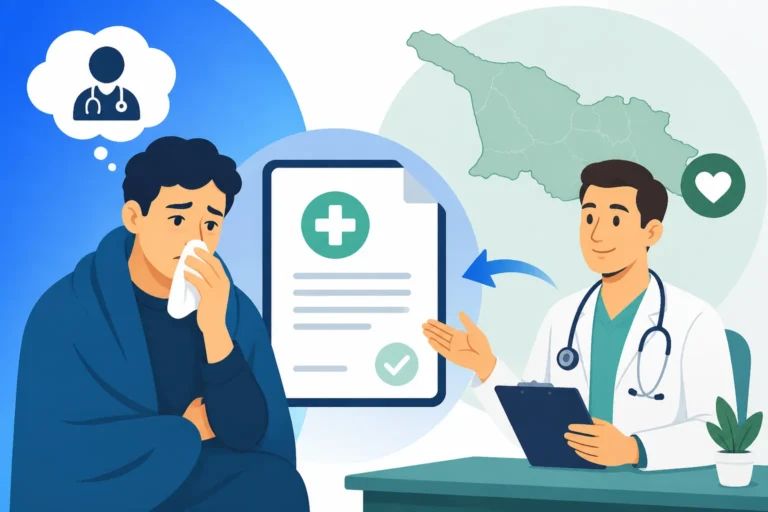
Let's cut right to the chase: Georgia's Universal Healthcare Program, while a fantastic initiative for its citizens, often leaves expats in a rather precarious position. You might hear whispers or read snippets online suggesting that it could cover you, but the reality is frequently far more nuanced and, frankly, frustrating. Eligibility for the UHC program for foreigners typically hinges on holding certain types of long-term residence permits and meeting specific criteria related to employment or social security contributions. Even then, the coverage scope can be basic, often only kicking in for emergencies or specific treatments, rather than offering comprehensive coverage for routine check-ups, specialist visits, or medications.
The ambiguity around who is truly eligible and for what can be a significant source of anxiety. Imagine needing to see a doctor for a persistent cough, only to find that your visit isn't covered, or you’re relegated to a public clinic where English-speaking staff are rare, and the facilities might not meet your expectations. This isn't to disparage the Georgian healthcare system; it's simply a different model with different priorities, and it doesn't always align with the immediate needs and expectations of foreigners, especially those who are new to the country. Without private insurance, you might find yourself navigating a system where clarity is scarce, and every medical encounter becomes a stressful negotiation. For a deeper dive, consider reading about Understanding the Universal Healthcare Program (UHC) in Georgia.
Peace of Mind and Access to Quality Care
This is where private health insurance truly shines and becomes less of a luxury and more of a necessity. Having a robust private policy isn't just about covering costs; it's about investing in your peace of mind and ensuring access to a higher standard of care that many expats are accustomed to. With private insurance, you unlock a world of options that are often unavailable or difficult to access through the public system. This includes a wider selection of modern clinics and hospitals, particularly in major cities like Tbilisi and Batumi, which often boast state-of-the-art equipment and a more patient-centric approach.
Crucially, private providers frequently employ English-speaking doctors and support staff, eliminating one of the biggest hurdles expats face in any foreign country. No more miming your symptoms or relying on Google Translate in a moment of distress! Shorter wait times for appointments, the ability to choose your own specialist, and a more comfortable, familiar environment are all significant advantages. It means that when you're feeling unwell, your focus can remain on your health and recovery, rather than on the logistics and potential communication nightmares. It’s about being able to confidently say, "I know where to go, and I know I'll be understood and well-cared for," and that feeling is invaluable when you're far from home. If you're wondering how to find such care, we have a guide on How to Find an English-Speaking Doctor in Georgia.
Understanding Your Options: Local vs. International Providers
Once you've decided that private health insurance is the way to go – and believe me, it is – the next big question is where to get it. You essentially have two main avenues: diving into the local Georgian market or opting for an international health insurance provider. Each has its own set of pros and cons, and what's right for you will largely depend on your individual circumstances, budget, and future plans.
Local Georgian Insurance Providers
When you look into local options, you’ll find several established Georgian insurance companies. Names like Aldagi, GPI Holding, and Irao are prominent players in the market, and they offer a range of health insurance products tailored to residents. The immediate appeal of a local provider is often the cost; these plans can appear significantly cheaper than their international counterparts. This is usually because they are designed with the local market and local cost structures in mind, meaning they have a more granular understanding of the Georgian healthcare landscape and can often negotiate better rates with local clinics and hospitals.
However, there are some important considerations. While the price might be attractive, the documentation and customer service for these plans can sometimes be predominantly in Georgian. While many companies are improving their English support, you might still encounter situations where translating policy documents or understanding complex terms becomes a challenge. The coverage itself might also be geared more towards typical local needs, which might not always align with expat expectations for comprehensive care. For example, some plans might have lower limits on specialist visits, exclude certain Western medications not commonly used here, or have less robust emergency evacuation clauses. You’ll also find that their network of direct-billing clinics might be extensive within Georgia but, naturally, won't extend beyond its borders, making them less ideal if you frequently travel outside the country. When choosing, you might want to consider Understanding Private Health Insurance Plans in Georgia.
International Health Insurance Providers
On the flip side, international health insurance providers cater specifically to expats, digital nomads, and global citizens. These companies are designed for people who live and work across borders, and their policies reflect that global perspective. The biggest advantages here are comprehensive coverage that often aligns with Western standards, global portability, and usually, excellent English-speaking customer service and documentation. With an international plan, you’re not just covered in Georgia; you’re often covered for emergencies and sometimes even routine care worldwide, which is a massive plus if you're a frequent traveler or planning to live in multiple countries over time.
Providers like SafetyWing, for instance, are very popular among digital nomads and remote workers precisely because they understand this lifestyle. Their Nomad Insurance product offers medical coverage that travels with you, including unexpected illness and injury, travel interruptions, and even some limited dental and vision benefits. This kind of flexibility and global reach is something local Georgian plans simply can't offer. While international plans typically come with a higher price tag than local options, the breadth of coverage, the ease of communication, and the global peace of mind often justify the extra investment for many expats. You'll find that many international providers also have robust direct billing networks, not just in Georgia but in many countries, simplifying the claims process significantly. If you're comparing your options, our guide on How to Choose Between Local and International Health Insurance in Georgia could be very helpful.
The Application Process: What You'll Need and How It Works
So, you’ve weighed your options, perhaps even got a few quotes, and you're ready to take the plunge. Excellent! The application process for private health insurance in Georgia, whether local or international, generally follows a similar pattern, but it's crucial to be prepared with the right documentation and understand what comes next. Believe me, having everything in order from the get-go can save you a world of headaches later on.
Essential Documents and Information
When you start filling out that application, you’ll quickly realize that these companies need to know a fair bit about you. The most fundamental requirement will always be your passport, so make sure it's valid and you have a clear copy ready. If you’ve already secured your residence permit in Georgia – perhaps a work permit, an investment permit, or a short-term permit based on property ownership – then having a copy of that is usually essential, especially for local providers who need to confirm your legal status in the country. Even international providers, while not strictly requiring it for basic policy issuance, might ask for proof of your current residence address in Georgia to ensure you meet their eligibility criteria for local coverage.
Beyond identification and residency, expect to provide proof of your current address, such as a utility bill in your name or a rental contract. Some insurers might also ask for details about your employment or source of income, primarily to gauge your ability to pay premiums, but also sometimes to understand your general risk profile. It's not uncommon for them to request a health declaration, which is where you disclose any pre-existing medical conditions. This part is absolutely critical, and we’ll get into it more in the next section. For any documents not in English (or the language of the international insurer), you might need certified translations. Don't underestimate this step; a poorly translated document can cause significant delays. You might also want to consult What Documents Do I Need to See a Doctor in Georgia? for related information.
Navigating the Health Declaration and Underwriting
Ah, the health declaration. This is often the part that makes expats a little nervous, and rightly so. A health declaration is essentially a questionnaire about your medical history. It asks you to disclose any past or present medical conditions, surgeries, chronic illnesses, or ongoing treatments. Be brutally honest here. While it might be tempting to downplay a condition or "forget" about a minor ailment from years ago, failing to disclose accurate information can lead to your policy being voided when you most need it, or a claim being denied. Trust me, that’s a nightmare you want to avoid at all costs. Insurers have ways of finding out, especially if a future claim relates to an undeclared condition.
Once you submit your health declaration, the insurer goes through a process called underwriting. This is where they assess your risk profile based on your age, lifestyle, and disclosed medical history. Based on this assessment, they'll decide whether to offer you coverage, at what premium, and with what, if any, exclusions. For example, if you have a pre-existing condition, they might offer coverage but exclude that specific condition from your policy. Alternatively, they might impose a waiting period before that condition is covered, or they might even apply a loading (an extra charge) to your premium to cover the increased risk. It’s a bit like a negotiation, and understanding these terms is vital. Don’t be afraid to ask for clarification on anything you don’t understand during this process. It’s far better to ask now than to find out you're not covered later when you’re in a hospital gown!
Key Considerations When Choosing a Policy
Choosing the right private health insurance policy isn't just about picking the cheapest option; it's about finding a plan that genuinely meets your needs and provides adequate protection without breaking the bank. There are several crucial aspects to scrutinize before you commit, and understanding these will empower you to make an informed decision rather than simply signing on the dotted line.
Coverage Levels and What to Look For
This is where the devil is truly in the details. You need to understand what your policy actually covers. A basic plan might only cover inpatient care, meaning hospital stays and major surgeries. While this is critical, it leaves out a huge chunk of common medical needs. Most expats will want a policy that also includes robust outpatient coverage, which takes care of doctor visits, specialist consultations, diagnostic tests (like blood work or X-rays), and prescription medications without requiring a hospital admission. The distinction between How Specialist and Hospital Referrals Work in Georgia can often depend on your chosen coverage.
Beyond these fundamentals, think about your lifestyle and personal needs. Do you plan on starting a family? Then maternity coverage becomes a non-negotiable. What about your teeth and eyes? Many basic plans exclude dental and vision care, so if these are important to you, you’ll need to seek out policies with these add-ons or separate riders. Mental health support is another increasingly vital component that often requires specific inclusion. Furthermore, for expats, emergency evacuation and repatriation benefits are absolutely crucial. Imagine a severe medical emergency that necessitates being flown to a country with more advanced medical facilities, or even back to your home country. Without this coverage, the costs could be astronomical, easily running into six figures. Always check the geographical scope of your policy – does it cover you only in Georgia, or does it offer worldwide coverage, which is invaluable for travelers and digital nomads? For example, international providers like SafetyWing are well-regarded for their flexible, global coverage options, making them a popular choice for those who frequently move or travel.
Deductibles, Co-pays, and Out-of-Pocket Maximums
Understanding the financial mechanics of your policy is paramount. These terms directly impact how much you pay out of your own pocket. A deductible is the amount you have to pay for covered medical services before your insurance plan starts to pay. Think of it as an initial threshold. If your deductible is, say, 500 GEL, you'll pay the first 500 GEL of covered medical expenses each policy year before your insurance kicks in. Plans with higher deductibles usually have lower monthly premiums, but you'll pay more upfront if you need care.
A co-pay (or co-payment) is a fixed amount you pay for a covered service after you've met your deductible. For example, you might have a 20 GEL co-pay for a doctor's visit, meaning you pay that fixed amount at the time of service, and your insurer covers the rest of the approved amount. This is common for routine outpatient services.
An out-of-pocket maximum is the most you'll have to pay for covered services in a policy year. Once you hit this limit, your insurance company pays 100% of the costs for covered benefits for the rest of the year. This is your financial safety net, protecting you from catastrophic medical bills. Always look for this figure, as it defines your worst-case scenario financially. Understanding these terms with a Georgian context is key to budgeting your healthcare costs. Remember, even with insurance, you'll likely still have some financial responsibility, so choose limits that you're comfortable with. If you're trying to calculate The Cost of Healthcare in Georgia: A Complete Breakdown for Foreigners (2026), these terms are crucial.
Direct Billing vs. Reimbursement
This might seem like a small detail, but it can make a colossal difference when you're actually using your insurance. Direct billing means that when you receive medical care from a clinic or hospital within your insurer's network, the provider bills your insurance company directly. You simply present your insurance card, pay any co-pay or deductible portion, and walk away. It's incredibly convenient, removes the immediate financial burden, and saves you from dealing with stacks of paperwork. Many private clinics in major Georgian cities like Tbilisi and Batumi have direct billing agreements with prominent local and international insurers.
Reimbursement, on the other hand, means you pay for your medical services upfront, out of your own pocket, and then you submit a claim to your insurance company with all the necessary receipts and medical reports. Your insurer then processes the claim and reimburses you for the covered amount. While it works, it means you need to have the funds available to cover the cost initially, and you'll be responsible for meticulously collecting all documentation. The reimbursement process can sometimes be slow, and chasing up claims can be frustrating, especially if there are language barriers or missing information. Always ask potential insurers about their direct billing network in Georgia – the wider, the better – and specifically for the cities you frequent. If you ever need to claim, our guide on How to Claim Reimbursement from Private Insurance in Georgia can walk you through it.
Common Challenges and Tips for Expats
Even with a great policy, navigating healthcare in a new country as an expat can throw up some unexpected hurdles. It's not always smooth sailing, and acknowledging these potential challenges beforehand can help you prepare and mitigate any stress. From language nuances to the notorious fine print, being forewarned is definitely forearmed.
Language Barriers and Communication
This is arguably one of the biggest challenges for expats in any non-English-speaking country, and Georgia is no exception. While many private clinics, especially in Tbilisi, pride themselves on having English-speaking staff and doctors, you can't always guarantee it, particularly if you find yourself outside the main expat hubs or in a more specialized facility. Imagine trying to explain complex symptoms or understand medical terminology when there's a significant language gap – it's a recipe for miscommunication and anxiety.
My advice? Always try to confirm if a doctor or clinic has English-speaking staff when booking an appointment. Most will clarify this upfront. Beyond that, make sure you understand your policy's key terms and conditions. If your policy documents are not in English (which can happen with local providers), invest in professional translation of the most critical sections. For important appointments, if you’re not confident in your Georgian, consider bringing a trusted Georgian friend or hiring a professional translator. Apps like Google Translate can help in a pinch, but they're no substitute for direct, clear communication with a medical professional. Don't be shy about asking questions and seeking clarification – your health is too important to leave to chance.
Understanding Policy Exclusions and Fine Print
Ah, the dreaded fine print. I know, I know, nobody likes reading through pages of dense legal jargon, but with health insurance, it's absolutely non-negotiable. Policy exclusions are clauses that specify what your insurance will not cover. Missing these details can lead to severe financial shocks later on. Common exclusions often include pre-existing conditions that weren't declared or were specifically excluded during underwriting, cosmetic surgery, self-inflicted injuries, or injuries sustained from dangerous sports or activities (like paragliding or extreme hiking, which can be popular here).
Always, always get a copy of the full policy document and read through the exclusions carefully. If anything is unclear, contact your insurer directly for clarification before you sign up or before you receive treatment. For example, some policies might have specific waiting periods for certain treatments (e.g., a 12-month waiting period for maternity care or elective surgeries) even if they are eventually covered. Others might have limits on specific treatments or a maximum number of consultations per year. It's all there in the fine print, and it's your responsibility to understand it. Don't assume anything; verify everything. This diligence will save you untold stress and potential financial disappointment.
Renewals and Portability
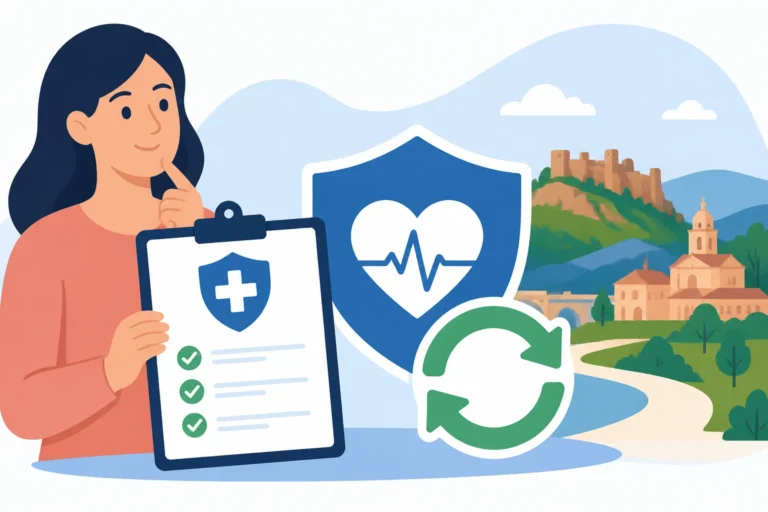
Once you’ve got your policy, you might think you’re all set, but it’s a living document that typically renews annually. Most private health insurance policies, both local and international, operate on a yearly cycle. As your renewal date approaches, your insurer will typically send you a renewal notice, often with updated premiums. These premiums can change based on your age, claims history (for some policies), and the overall claims experience of the insurer. It's a good idea to review your policy at renewal time to ensure it still meets your needs and to compare it with other options on the market. Don't just auto-renew without checking!
For international expats, especially those with a dynamic lifestyle, portability is a huge benefit offered by international health insurance plans. Let’s say you’ve been living in Georgia for a few years, enjoying your life, but then an exciting job opportunity pops up in Portugal, or you decide to spend a year travelling through Southeast Asia. If you have a local Georgian policy, it’s unlikely to cover you in those new locations. An international plan, like those offered by SafetyWing, is designed to be geographically flexible. This means your coverage can often follow you, making the transition to a new country much smoother without having to research and apply for a brand new policy all over again. This kind of flexibility is a major selling point for many expats and digital nomads who appreciate the freedom to move without losing their essential health safety net. So, when picking your policy, consider not just your current situation, but also where life might take you in the future.
| Feature | Local Georgian Providers (e.g., Aldagi, GPI Holding, Irao) | International Providers (e.g., SafetyWing, Cigna Global) |
|---|---|---|
| Cost | Generally more affordable, designed for local market. | Typically more expensive, reflecting broader coverage and global support. |
| Coverage Scope | Often focused on local Georgian healthcare system; basic to moderate coverage levels. May have specific local exclusions. | Comprehensive, often aligns with Western standards; wide range of benefits (inpatient, outpatient, evacuation, etc.). May have global coverage. |
| Geographical Reach | Primarily covers medical services within Georgia. Limited or no coverage outside Georgia. | Often offers worldwide coverage, sometimes with options to exclude certain high-cost regions (e.g., USA) to reduce premiums. Ideal for frequent travelers/digital nomads. |
| Language Support | Primarily Georgian documentation and customer service, though many have improving English support. | Predominantly English documentation and multi-lingual customer service. Easier to understand policy terms and communicate. |
| Direct Billing | Extensive network of direct billing clinics and hospitals within Georgia. | Good network of international direct billing providers, often including major expat clinics in Tbilisi, but may be more limited than local networks for smaller Georgian facilities. |
| Portability | Low portability; designed for residents remaining in Georgia. | High portability; coverage typically travels with you if you move to a new country, subject to policy terms. |
| Pre-existing Conditions | Assessment varies; some may be more stringent or apply higher loadings/exclusions. | Assessment varies; often a more standardized approach to underwriting pre-existing conditions, with clear guidelines on exclusions or waiting periods. |
| Expat-Specific Needs | May require more effort to align with expat expectations; less emphasis on global emergencies or repatriation in basic plans. | Specifically designed for expats, digital nomads, and global travelers; strong emphasis on emergency evacuation, repatriation, and international standards of care. |
| Regulatory Framework | Regulated under Georgian insurance laws. | Regulated under international insurance laws, which can offer a different layer of consumer protection depending on the insurer's domicile. |
Disclaimer
The information provided in this guide is for general informational purposes only and does not constitute financial, legal, or medical advice. While every effort has been made to ensure accuracy and relevance to Georgia, insurance policies and regulations can change. It is essential to conduct your own thorough research, read policy documents carefully, and consult with a qualified insurance broker or financial advisor to determine the best health insurance solution for your individual needs and circumstances. We do not endorse any specific insurance provider, though examples are given for illustrative purposes.