What Health Risks Should Expats Be Aware of in Georgia?
Moving to a new country like Georgia is an adventure, full of exciting discoveries and new experiences. But let's be honest, it also comes with its fair share of worries, especially when it comes to staying healthy. You're trying to figure out a new language, a new culture, and the last thing you need is to be caught off guard by an unfamiliar illness or a health concern you didn't even know existed here. This guide is here to shed light on the common health risks expats should be aware of in Georgia, so you can navigate your new home with confidence and keep yourself well.
Common Infectious Diseases and Environmental Concerns for Expats
When you first arrive in Georgia, you might not immediately think about health risks beyond "will I get a cold?" But living here, you quickly realize there are a few things that can sneak up on you. From seasonal bugs that hit differently to environmental factors, being informed is your best defense. It's not about fear-mongering, but about understanding the local landscape, literally and figuratively, so you can take proactive steps.
Seasonal Illnesses and Respiratory Infections
Just like anywhere else, Georgia experiences its fair share of seasonal sniffles and more serious respiratory infections, especially during the colder months. You'll find that common colds and flu viruses circulate widely, often making the rounds through offices, schools, and public transport like the metro. What might be different for you, coming from another climate, is how your body reacts to the local strains or the general dampness that can sometimes settle in Tbilisi and other cities during winter.
It's common for expats to experience a "welcome cold" in their first few months as their immune system adjusts to the new environment. These aren't usually severe, but they can be a real nuisance, making it hard to enjoy your new surroundings. Beyond the common cold, influenza can hit pretty hard, and in recent years, Georgia, like the rest of the world, has had to contend with COVID-19. While vaccination efforts are ongoing and widely available, it’s still something to be mindful of. Clinics like MediClub Georgia or the various polyclinics around major cities are usually well-equipped to handle these, but prevention is always better. Consider getting your annual flu shot here; it’s readily available in most pharmacies and clinics. You might find more detailed information on common illnesses and how to treat them in The Complete Guide to Healthcare in Georgia for Expats (2027).
Vector-Borne Diseases
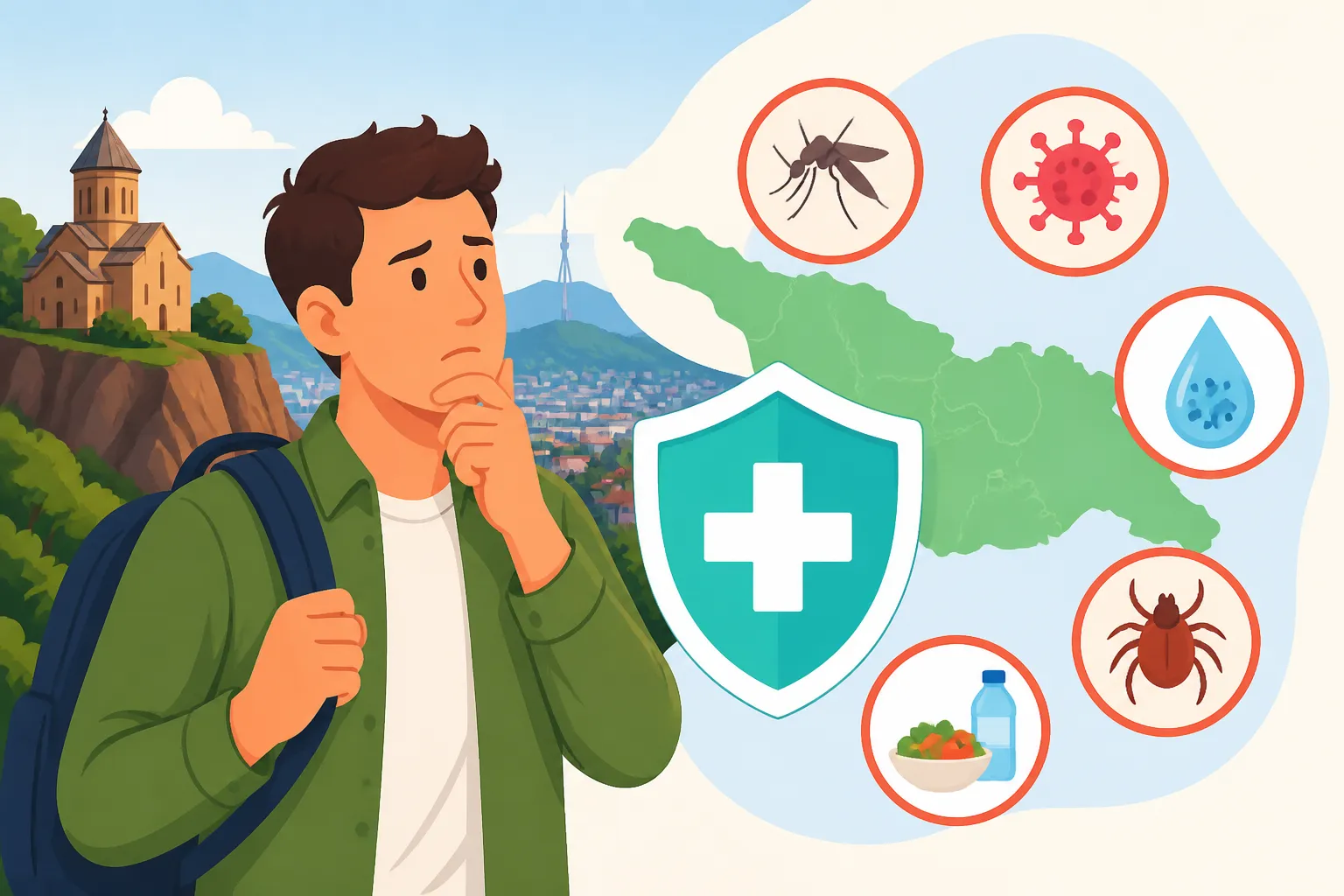
Now, this is one that might catch some people off guard, but depending on where you are in Georgia and the time of year, vector-borne diseases can be a consideration. The most common culprit here are ticks. During spring and summer, especially if you love hiking in the stunning Georgian countryside or spending time in green areas, ticks can be quite prevalent. These little critters can carry diseases like Lyme disease or Tick-borne encephalitis, although serious cases are relatively rare.
It's crucial to take precautions when venturing into nature. Wear long sleeves and pants, use insect repellent, and always do a thorough tick check after spending time outdoors. If you find a tick, remove it carefully with tweezers, grabbing it as close to the skin as possible. If you develop a rash or flu-like symptoms after a tick bite, don't hesitate to seek medical attention. Mosquitoes are also present, especially in more humid regions like Batumi, but they are generally more of a nuisance than a serious health threat in terms of disease transmission. Nonetheless, always be vigilant, especially if travelling through rural areas. For those wondering about travel insurance for these kinds of incidents, options like SafetyWing can provide coverage for unexpected medical needs while you're exploring.
Pollution and Allergens
One of the more subtle, yet persistent, health concerns in Georgia, particularly in its capital Tbilisi, is air pollution. You'll notice it, especially on still days, a haze that hangs over the city. This is largely due to vehicle emissions, older heating systems, and sometimes industrial activity. For those with pre-existing respiratory conditions like asthma or chronic bronchitis, this can be a real challenge and exacerbate symptoms. Even for healthy individuals, prolonged exposure can contribute to respiratory issues and general discomfort.
Beyond particulate matter, seasonal allergies can also be quite intense here. The lush greenery and diverse flora mean that pollen counts can be high during spring and summer. If you’re usually prone to hay fever or other seasonal allergies, prepare yourself. Stock up on your usual antihistamines, or be ready to visit a local pharmacy for readily available options. Sometimes, you might even consider investing in an air purifier for your home, especially if you live in a busy urban area. Understanding how the local environment might affect your health is a key step in How Expats Access Healthcare in Georgia: The Complete Guide (2027).
Food and Water Safety: Navigating Local Cuisine
One of the greatest joys of living in Georgia is undoubtedly the food! The khachapuri, the khinkali, the fresh produce – it’s a culinary paradise. But like any new place, it comes with its own set of considerations when it comes to food and water safety. Don't let this deter you from enjoying the incredible local gastronomy, but it pays to be a little bit savvy.
Tap Water Quality and Bottled Alternatives
This is often one of the first questions expats ask: "Is the tap water safe to drink in Georgia?" The official word is that tap water in major cities like Tbilisi and Batumi is generally safe for consumption, as it's treated. However, many expats, and indeed many Georgians, opt to drink bottled water. The taste can be a bit different, and the quality of pipes in older buildings might not always be ideal, which can affect the water by the time it reaches your glass.
If you have a sensitive stomach or are particularly cautious, sticking to bottled water for drinking and cooking is a safe bet, especially when you first arrive and your system is still adjusting. You'll find an abundance of affordable bottled water brands in any supermarket or corner store. For things like brushing your teeth or washing produce, tap water is usually fine. If you decide to drink tap water, letting it run for a moment first can sometimes help, especially in older buildings.
Street Food and Restaurant Hygiene
Georgian street food might not be as prevalent as in some other countries, but you'll certainly find vendors selling delicious items like nazuki (spiced bread) or roasted chestnuts. When it comes to restaurants, Georgia has a thriving culinary scene, from upscale eateries to charming local sakhakhure (local restaurants). Generally, most established restaurants adhere to good hygiene practices, particularly in tourist-heavy areas and larger cities.
However, just like anywhere, you need to exercise common sense. Look for places that seem clean, have a good turnover of customers, and where food is prepared fresh. If something looks unappealing or smells off, trust your gut and move on. When trying khinkali or other boiled/steamed dishes, ensure they are piping hot. For fresh salads or uncooked items, it's a good idea to ensure the establishment seems reputable. Don't be afraid to try local spots, as some of the best food is found in unassuming places, but do so with a discerning eye. Remember, even with the best precautions, sometimes traveler's tummy can strike, and having something like a travel medical insurance from SafetyWing can be a comfort for unexpected doctor's visits.
Produce Safety and Preparation
Georgia is rich in fresh fruits and vegetables, and you absolutely should take advantage of the local markets and bountiful harvests. However, proper cleaning and preparation are key. Produce, especially if bought from open-air markets, might have soil, pesticides, or other contaminants on it. A good rinse under running water is a start, but for items that will be eaten raw, a more thorough wash, perhaps even with a diluted vinegar solution or a produce wash, is advisable.
Peeling fruits and vegetables when possible also adds an extra layer of protection. This is particularly relevant for items like tomatoes, cucumbers, or peaches, which are often consumed with their skin. Don't hesitate to enjoy the vibrant tastes of Georgia's seasonal produce, but make sure you’re preparing it safely to avoid any unnecessary upset stomachs.
Non-Communicable Health Risks and Lifestyle Adjustments
Beyond the immediate concerns of infections and food, living in a new country brings a whole host of lifestyle adjustments that can impact your long-term health. Georgia is generally a safe and welcoming place, but it's important to be aware of how your daily habits and environment might shift, and how that can affect your well-being.
Dietary Changes and Chronic Conditions
Moving to Georgia, your diet is likely to change. You'll be introduced to delicious new dishes, many of which are rich in cheese, bread, and meat. While incredibly tasty, this can sometimes lead to a higher intake of calories, fats, and carbohydrates than you might be used to. For expats who need to manage chronic conditions like diabetes, high cholesterol, or hypertension, this dietary shift requires careful attention.
It's not to say you can't enjoy Georgian cuisine; it's about balance. Many Georgian dishes also heavily feature fresh herbs, walnuts, and vegetables, so there's plenty of healthy eating to be done. Be mindful of portion sizes, choose lighter options when available (like phali or various vegetable salads), and try to cook at home using local, fresh ingredients as much as possible. Accessing regular check-ups is also crucial, and you can find guidance on how to find and register with a clinic or doctor in Georgia, ensuring you maintain your health routines.
Road Safety and Accident Prevention
Driving in Georgia can be an… experience. Traffic laws exist, of course, but their interpretation and enforcement can sometimes feel a bit fluid, especially in cities like Tbilisi. Drivers often take risks, speed is common, and pedestrian crossings aren't always respected. As an expat, whether you're driving, taking taxis, or simply walking, road safety needs to be a top priority.
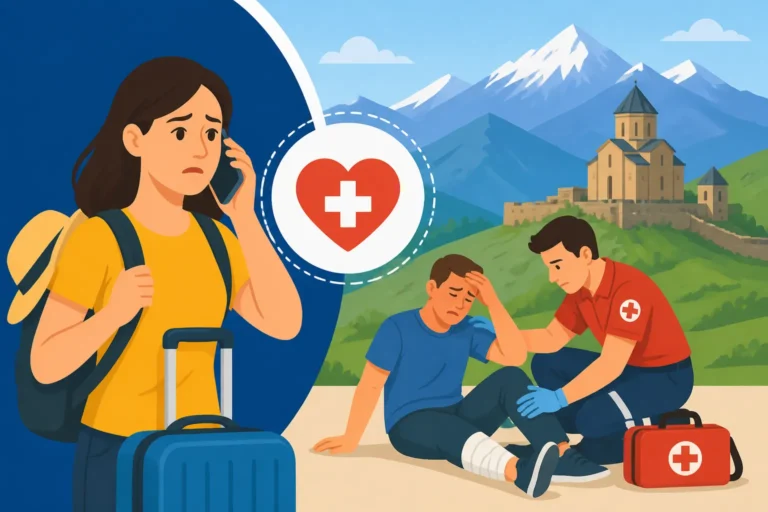
If you're driving, be extremely vigilant, expect the unexpected, and drive defensively. If you're using taxis or ride-sharing apps, choose reputable services. As a pedestrian, never assume a driver will stop for you, even at a marked crosswalk. Always make eye contact, wait for vehicles to come to a complete stop, and remain aware of your surroundings. Accidents, unfortunately, do happen, and knowing about Emergency Medical Care in Georgia: What Every Expat Needs to Know can be incredibly important. Being cautious on the roads isn't about fear; it's about self-preservation in a driving culture that's perhaps more assertive than what you're used to.
Access to Routine Healthcare and Screenings
One of the biggest non-communicable health risks for expats often isn't a specific disease, but rather the lapse in routine care. In the excitement of moving and settling in, regular doctor's visits, screenings, and preventative care can fall by the wayside. This is a common trap, but it’s vital to re-establish your healthcare routine as soon as possible.
Georgia has a mix of public and private healthcare facilities. While the public system exists, many expats opt for private clinics due to better facilities, shorter wait times, and a higher chance of finding English-speaking staff. Make sure to schedule annual check-ups, get your blood work done, and stay on top of any specialist appointments you need. This might involve looking into different insurance options like private and international health insurance. Knowing your options for Health Insurance in Georgia: Private and International Options Explained is key to maintaining continuous care. Don't wait until something is wrong; preventative care is your best friend.
Mental Health and Accessing Support in Georgia
The emotional and psychological toll of moving abroad is often underestimated. While Georgia is generally a delightful place to live, the cumulative stress of navigating a new language, culture, bureaucracy, and being away from your established support networks can take a significant toll on your mental well-being. This is a very real health risk that many expats face, and it's important to acknowledge it.
Culture Shock and Isolation
Initially, everything is new and exciting, but after a few months, the novelty can wear off, and the challenges of culture shock can set in. You might feel frustrated by misunderstandings, isolated by language barriers, or simply overwhelmed by the differences. This can lead to feelings of loneliness, anxiety, or even depression. It’s a completely normal part of the expat journey, but if left unaddressed, these feelings can significantly impact your overall health and enjoyment of life in Georgia.
Building a new social circle, maintaining connections with loved ones back home, and finding hobbies or activities that bring you joy are crucial coping mechanisms. Seek out expat communities – online and offline – as they can provide invaluable support and understanding. Sharing experiences with others who "get it" can make a world of difference. Don't be afraid to admit you're struggling; it's a sign of strength, not weakness.
Availability of Mental Health Professionals
The good news is that mental health awareness and services are growing in Georgia, particularly in Tbilisi. You can find psychologists, therapists, and counselors, some of whom offer services in English. However, finding the right fit can still take some effort. The approach to mental health might also differ from what you're used to in your home country.
It's worth doing your research, asking for recommendations within expat groups, and being prepared to try a few different professionals to find someone you connect with. Telehealth options, connecting you with therapists online from your home country or elsewhere, are also a viable choice for many expats, especially if local options are limited or don't feel quite right. Understanding How to Access Mental Health Services in Georgia as an Expat is a critical step for your well-being.
Coping Strategies for Expats
Beyond professional support, developing robust personal coping strategies is essential for maintaining good mental health in Georgia. Regular exercise, eating well, getting enough sleep, and engaging in mindfulness or meditation practices can significantly boost your resilience. Explore Georgia – its beautiful nature, its rich history, its vibrant arts scene. Find what nourishes your soul here.
Establish routines, as these can provide a sense of stability when everything else feels new. Learning some basic Georgian phrases, even just a few, can also dramatically reduce daily frustrations and help you feel more connected. Remember, it's okay to have bad days, but it's important not to let those feelings fester. Reaching out, whether to a friend, a family member, or a professional, is always an option. Your mental well-being is just as important as your physical health, and deserving of the same attention and care.
Here’s a quick overview of some key health considerations for expats in Georgia:
| Health Risk Category | Specific Concerns | Prevention/Mitigation Strategies |
|---|---|---|
| Infectious Diseases | Seasonal flu, colds, tick-borne illnesses | Vaccinations, insect repellent, proper outdoor attire, tick checks, hand hygiene |
| Environmental Concerns | Air pollution (especially Tbilisi), seasonal allergies | Air purifiers, masks on high pollution days, allergy medication, avoiding peak pollen times |
| Food & Water Safety | Tap water quality, food hygiene, raw produce | Drink bottled water, choose reputable eateries, wash/peel produce thoroughly |
| Non-Communicable Risks | Dietary changes, road accidents, lack of routine care | Balanced diet, defensive driving/walking, regular check-ups, health insurance |
| Mental Health | Culture shock, isolation, stress | Build social networks, hobbies, seek expat support, access therapy, self-care practices |
Moving to Georgia can be an incredible journey, and being prepared for potential health risks is just another way to ensure it’s a positive one. By understanding these nuances, you can proactively protect your health and truly thrive in your new home.
Disclaimer
The information provided in this guide is intended for general informational purposes only and does not constitute medical advice. While we strive to provide accurate and up-to-date information, individual health situations vary. Always consult with a qualified healthcare professional for any health concerns or before making any decisions related to your health or treatment.