How Do I Access Emergency Dental Care in Georgia?
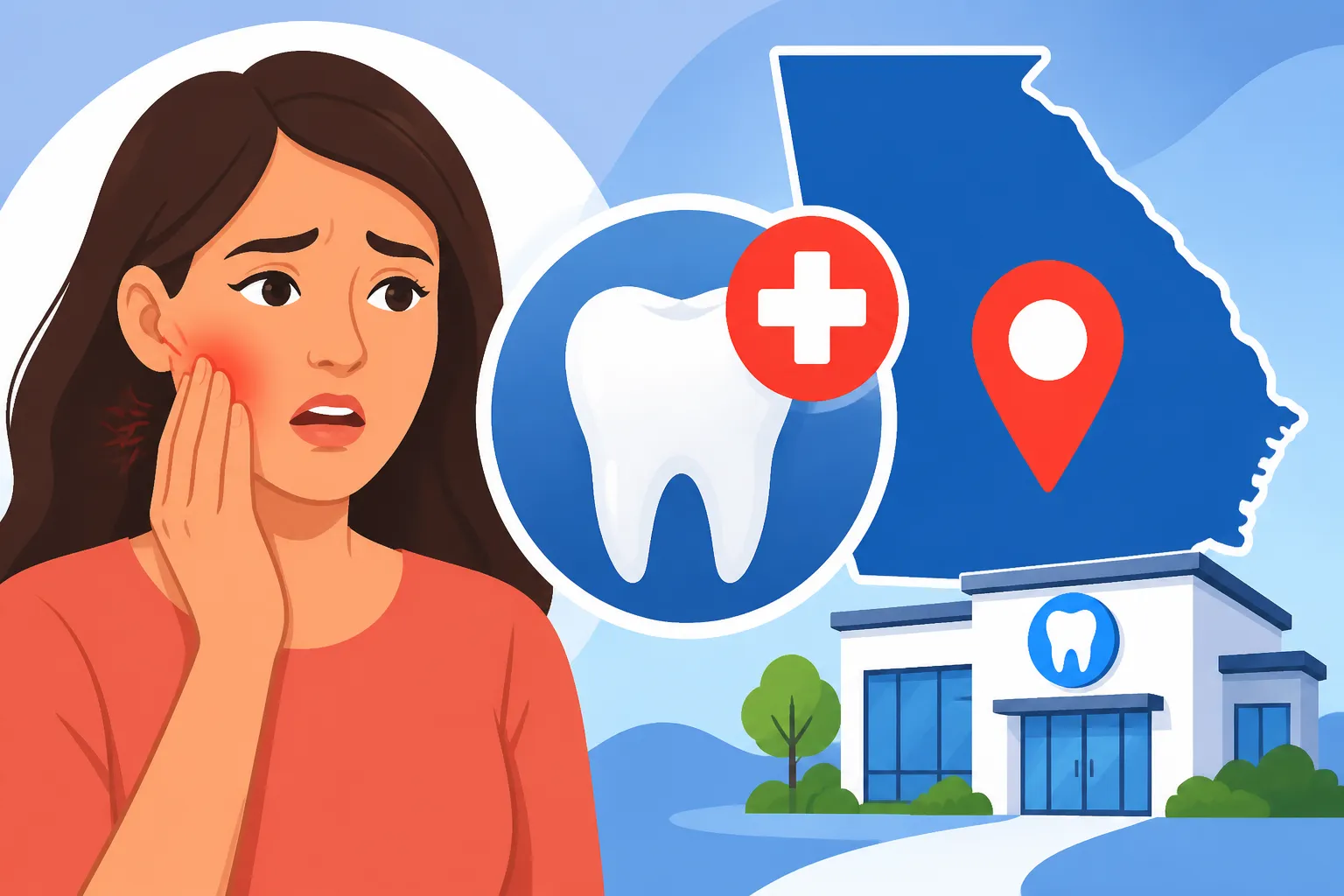
That sudden, throbbing pain in your tooth, or the shock of a chipped tooth after an unexpected fall, can be absolutely terrifying when you’re living in a foreign country. Navigating a dental emergency in Georgia, especially when you’re not fluent in Georgian and unfamiliar with the local healthcare system, can feel like a monumental task. This comprehensive guide is here to walk you through everything you need to know about accessing urgent and emergency dental care, so you’re prepared if a dental disaster strikes.
Understanding Emergency Dental Care in Georgia
Let's be honest, few things are as universally distressing as a dental emergency, and it's compounded when you're far from home. In Georgia, like anywhere else, knowing the difference between an urgent issue and a true emergency can save you a lot of stress and potentially, money. The first step is always to assess the situation calmly, as much as possible, to understand what kind of care you truly need.
What Constitutes a Dental Emergency?
It's tempting to think every ache is an emergency, but that's not always the case. A true dental emergency is a situation that requires immediate attention to save a tooth, stop ongoing tissue bleeding, or alleviate severe pain. If left untreated, these conditions can lead to serious complications or even be life-threatening.
For instance, if you've had a tooth knocked out completely, that's a definite emergency. Time is absolutely critical for successful re-implantation. You're talking about minutes, not hours. Another classic example is a severe abscess, where infection has spread to the point of causing swelling in your face or jaw, potentially affecting your breathing or swallowing. This isn't just about pain; it's about managing a spreading infection that could have systemic consequences. Then there’s uncontrollable bleeding after an injury or extraction, which needs immediate attention to prevent excessive blood loss.
Conversely, a chipped tooth without severe pain or exposed nerves, a lost filling, or mild sensitivity might be urgent but not an emergency. These definitely need attention, but you typically have a bit more leeway, perhaps a day or two, to get an appointment rather than rushing to an emergency room or a 24-hour clinic. Understanding this distinction can help you avoid unnecessary stress and ensure you get the right care at the right time.
Initial Steps When a Dental Emergency Strikes
When you're faced with a sudden dental crisis, your first reaction might be panic, especially if you're alone or your Georgian language skills are limited. But taking a few calm, practical steps can make a big difference in the outcome and your comfort.
First things first, try to manage the immediate pain and prevent further damage. If you have a knocked-out tooth, handle it by the crown, not the root, and try to reinsert it if possible. If not, store it in milk or a special tooth-preserving solution (if you happen to have one) and get to a dentist immediately. For a chipped or broken tooth, rinse your mouth with warm water to clean the area and apply a cold compress to your face if there's swelling. Over-the-counter pain relievers, like Ibuprofen, can help manage the discomfort while you seek professional help.
Next, you'll need to locate an appropriate clinic. This is where language can be a real barrier. Your best bet is to start with recommendations from fellow expats or online expat groups in Georgia. Many larger private dental clinics in cities like Tbilisi or Batumi will have English-speaking staff, but their availability for immediate emergencies might vary. It’s also worth noting down the national emergency number, 112, though this is primarily for life-threatening medical emergencies, not usually dental ones unless it involves severe trauma. However, if you are bleeding profusely or have difficulty breathing, calling 112 is absolutely the right thing to do.
Keeping a small emergency dental kit at home can also be a lifesaver. Think about a small container for a knocked-out tooth, some dental wax for broken braces, and over-the-counter pain relief. It’s these little proactive steps that can make a world of difference when you’re caught off guard.
Finding Emergency Dental Clinics and Dentists in Georgia
Navigating the local medical landscape in Georgia can feel like a maze, and finding reliable emergency dental care is no exception. It’s not always as straightforward as walking into any clinic, especially when you need immediate attention and a clear line of communication.
Major Cities: Tbilisi, Batumi, Kutaisi
In Georgia's larger cities, particularly Tbilisi, you'll generally find more options for emergency dental care compared to rural areas. The capital city is where most modern, well-equipped private dental clinics are concentrated. Many of these clinics operate extended hours, and some even offer 24/7 emergency services, though you might need to call ahead. It's not uncommon for clinics to have a rotating on-call dentist.
For example, in Tbilisi, areas like Vake, Saburtalo, and the city center have a higher density of private dental practices. Look for clinics that explicitly state "emergency dental services" or have after-hours contact numbers. You can also ask at larger private hospitals, which sometimes have dental departments, but dedicated emergency dental clinics are usually your best bet.
Batumi, being a popular tourist destination and a growing expat hub, also has a decent selection of private dental clinics. While 24/7 emergency services might be less common than in Tbilisi, many clinics will try to accommodate urgent cases during their operational hours. Kutaisi, while smaller, also has a number of private dental practices that can handle urgent issues, but true emergency services might be more limited to specific hours.
The key here is usually to call first. Even if you're in excruciating pain, showing up unannounced might mean a long wait or being redirected if the clinic isn't equipped for your specific emergency or doesn't have a dentist immediately available.
English-Speaking Dentists and International Clinics
One of the biggest anxieties for expats in a dental emergency is the language barrier. Trying to explain a complex dental issue while in pain, with hand gestures and a translation app, is far from ideal. Thankfully, in Georgia, especially in Tbilisi and Batumi, you'll find a growing number of English-speaking dentists.
Many private dental clinics, particularly those that cater to international clients or tourists, make an effort to have staff who can communicate in English. Some clinics even advertise their multilingual capabilities on their websites or social media. When searching online, use terms like "English-speaking dentist Tbilisi" or "international dental clinic Georgia." Word-of-mouth recommendations from other expats in groups like "Expats in Tbilisi" on Facebook are invaluable for finding reliable, English-speaking professionals. You might find some excellent suggestions for clinics in the article on How to Find an English-Speaking Doctor in Georgia.
These international-friendly clinics often have higher standards of care, more modern equipment, and a better understanding of the needs and expectations of foreign patients. However, this often comes with a higher price tag. Always confirm that there will be an English-speaking dentist or assistant available when you call for an emergency appointment. There’s nothing worse than arriving in agony only to find yourself struggling to communicate.
What to Do if You're in a Rural Area
If you find yourself in a dental emergency while exploring Georgia's beautiful but often remote regions, options become significantly more limited. Many smaller towns and villages will have local polyclinics or small dental offices, but these are unlikely to offer emergency services outside of standard business hours, and English-speaking staff will be rare, if not non-existent.
In such a scenario, your best course of action is often to head to the nearest major city. This might mean arranging private transport, as public transport can be slow and infrequent in rural areas. If the pain is manageable with over-the-counter medication, focusing on getting to Tbilisi or Batumi might be more effective than trying to find adequate care locally.
If the situation is severe and potentially life-threatening (e.g., uncontrolled bleeding, severe swelling affecting breathing), you should call 112. While they primarily handle general medical emergencies, they can dispatch an ambulance to transport you to the nearest hospital that might have some dental or maxillofacial capabilities, or at least stabilize you for transfer to a larger city. Always remember to prioritize your overall health and safety. It's a tough situation, but having a clear plan can prevent it from escalating.
Navigating Costs and Insurance for Emergency Dental Care
The unexpected expense of a dental emergency can hit hard, especially when you're already stressed and in pain. Understanding how much you might pay and how your insurance, if you have any, will work is crucial in Georgia.
Expected Costs for Common Emergency Procedures
One of the first questions on any expat's mind when facing a medical or dental emergency is "How much is this going to cost me?" While it's impossible to give exact figures without a diagnosis, we can provide some general ranges for common emergency dental procedures in Georgia. Keep in mind that prices can vary significantly between clinics, especially between a small local practice and a high-end international clinic in Tbilisi.
| Procedure Type | Estimated Cost Range (GEL) | Notes |
|---|---|---|
| Emergency Consultation | 50 – 150 | This usually covers the initial exam, diagnosis, and perhaps a basic X-ray. It does not include any treatment. |
| Simple Extraction | 100 – 300 | For a relatively straightforward tooth removal. More complex extractions (e.g., impacted wisdom teeth) will be significantly higher. |
| Root Canal (initial) | 200 – 600 | This would be for the initial emergency phase, to alleviate pain and clean the infection. The full root canal treatment (multiple visits, crown) would be much more. |
| Abscess Drainage | 150 – 400 | To relieve pressure and drain infection. Often combined with antibiotics prescription. |
| Filling (emergency) | 80 – 250 | For temporary relief or a quick fix to cover an exposed nerve, though a full, permanent filling would cost more. |
| Re-implantation | 300 – 800+ | For a knocked-out tooth, if it's possible. This is a complex procedure and requires immediate attention. Costs can vary widely based on the complexity and subsequent follow-up care needed. |
| Antibiotics | 10 – 50 | Prescription costs. Pharmacies are widely available, and you can get Prescription Medications and Pharmacies in Georgia: The Complete Guide easily. |
(Please note: These are approximate costs in Georgian Lari (GEL) as of 2024 and are subject to change. Always confirm prices directly with the clinic before proceeding with treatment.)
These prices are generally quite affordable compared to Western European or North American countries. However, they can still add up quickly, especially if you need extensive treatment or follow-up care. Remember that emergency treatment might just be the first step, and you'll likely need subsequent appointments for definitive solutions.
For a broader understanding of overall dental expenses, you might want to read our detailed article on Understanding Dental Care Costs in Georgia.
Using Private Health Insurance
If you have private health insurance, whether it's a local Georgian plan or an international one, it's crucial to understand your dental coverage before an emergency strikes. Many general health insurance policies in Georgia have limited, if any, dental coverage, especially for routine care. However, emergency dental treatment might be covered under specific circumstances, particularly if it's due to an accident.
For example, if you're a digital nomad or an expat on an international plan like SafetyWing, you need to meticulously check your policy. SafetyWing, for instance, is primarily travel medical insurance, and while it covers unexpected illness and injury, standard dental treatment is often not included, or it's limited to emergency pain relief from acute bacterial infection, or dental work necessary due to an accident. They often offer a specific dental add-on or a certain allowance for emergency dental treatment. You should verify these details with SafetyWing directly or through your policy documents. It's a common point of confusion, and you don't want to be surprised by a hefty bill after the fact.
Before heading to the clinic, if you can, try to call your insurance provider to understand what's covered, what documentation they require, and if they have preferred clinics in Georgia. This proactive step can streamline the claims process. Keep all receipts, diagnostic reports, and dentist's notes, as your insurer will definitely ask for them.
What If You Don't Have Insurance?
If you find yourself in need of emergency dental care without any health insurance in Georgia, don't panic. While you will be responsible for the full cost out-of-pocket, the good news is that dental care in Georgia is generally quite affordable compared to many other countries. As seen in the table above, even significant emergency procedures are often manageable for many expats.
Most private clinics will require payment upfront, or at least a significant portion, before or immediately after treatment. They usually accept cash (GEL) and card payments. Some larger clinics might offer payment plans for more extensive treatments, but this is less common for single emergency visits. Don't be afraid to ask about payment options or if they can provide a breakdown of costs before they start major work. You have a right to understand what you’re paying for.
If you are particularly concerned about healthcare costs in general, it's a good idea to research options like How to Buy Private Health Insurance After Moving to Georgia for future peace of mind. Even a basic plan might offer some limited emergency dental coverage, or at least cover the medical complications that can arise from severe dental infections.
What to Expect During Your Emergency Dental Visit
Walking into an unknown dental clinic, especially when you're in pain, can be daunting. Knowing what the process usually looks like in Georgia can help alleviate some of that anxiety.
The Triage and Consultation Process
When you arrive at a Georgian dental clinic for an emergency, the first step will typically be a registration process. You'll need to provide your personal details, including your passport, and explain the nature of your emergency. If you've called ahead and confirmed an English speaker, they'll usually be available to help you through this. Don't be surprised if the reception staff asks a few basic questions about your symptoms to determine the urgency.
After registration, you'll be seen by a dentist for an initial consultation. This is essentially a triage process to assess your condition. The dentist will examine your mouth, ask detailed questions about your pain (when it started, what makes it worse or better, its intensity), and your medical history. They will likely take X-rays to get a clearer picture of the issue, especially for infections, fractures, or impacted teeth. It's really important to articulate your symptoms as clearly as possible here, so prepare a few key phrases if needed, or bring a translation app.
Once the diagnosis is made, the dentist will explain the problem and propose an immediate course of action. For a true emergency, the goal is pain relief and stabilizing the situation. This might involve draining an abscess, prescribing antibiotics, performing an emergency extraction, or providing temporary restorations. They should outline the costs and get your consent before proceeding with any significant treatment.
Treatment Options and Follow-up Care
The immediate treatment you receive will depend entirely on your specific emergency. As mentioned, for an abscess, it might be drainage and antibiotics. For a severe cavity causing excruciating pain, a temporary filling or even initiating a root canal might be necessary to get you out of pain. If a tooth is beyond saving, an emergency extraction could be recommended. The dentist's priority is to resolve the acute problem and alleviate your discomfort.
It's important to understand that emergency dental treatment is often not the definitive solution. For instance, if you have an infection, you might get antibiotics and pain relief, but you’ll still need to address the underlying cause, whether that’s a deep cavity, a fractured tooth, or a dying nerve. The emergency visit gets you out of immediate danger and discomfort, but follow-up care is almost always required.
The dentist will typically schedule a follow-up appointment or advise you on next steps. Make sure you understand these instructions clearly, especially regarding medication (dosage, duration), post-procedure care (what to eat, how to clean the area), and when to return. Don't hesitate to ask for written instructions or to have them explained again if anything is unclear. This continuity of care is vital for a full recovery and to prevent recurrence. Think of the emergency visit as putting out the fire, and follow-up care as rebuilding.
Prevention is Better Than Cure: Proactive Dental Health for Expats
As the old saying goes, an ounce of prevention is worth a pound of cure, and nowhere is this truer than with dental health. Especially when living abroad, being proactive can save you a world of pain, stress, and unexpected bills.
Regular Check-ups and Dental Hygiene
The simplest and most effective way to avoid dental emergencies is through consistent, good oral hygiene and regular professional check-ups. Brushing twice a day, flossing daily, and using mouthwash are your first line of defense against cavities, gum disease, and infections that can quickly escalate into emergencies.
Beyond your daily routine, make it a point to schedule regular dental check-ups and cleanings, typically once or twice a year. This allows dentists to catch minor issues like small cavities or early signs of gum disease before they become painful, urgent problems. Many expats often neglect this, thinking they’ll get it done "when they go home," but a year or two is a long time for a small issue to turn into a massive headache. Georgian dentists are generally well-trained and many clinics offer excellent routine care at very reasonable prices. Don't wait for pain to be your alarm bell.
If you’re wondering how to get started, our guide on How Expats Access Healthcare in Georgia: The Complete Guide (2027) provides a broader overview of navigating the system, which can be applied to finding a regular dentist too.
Considering Dental Insurance Options
While not every dental emergency is preventable, having a solid plan for how to cover unexpected costs can certainly ease the burden. This is where dental insurance or comprehensive health insurance with good dental riders comes into play.
As previously mentioned, standard health insurance in Georgia might not cover much beyond accidental dental injury. If you anticipate needing more than just emergency care, or if you simply want peace of mind, it’s worth exploring dedicated dental insurance plans. Some international health insurance providers offer robust dental add-ons that cover a percentage of routine check-ups, cleanings, and more extensive procedures like root canals or crowns.
Even if you’re traveling or on a temporary stay, consider options like SafetyWing, but always make sure you understand their specific dental provisions. For many, SafetyWing is great for broad travel medical incidents, but dental is a niche. If you're staying long-term, investigate local private health insurance plans that might offer better dental coverage. While it's an extra expense, knowing that a significant portion of a costly root canal or extraction will be covered can make a huge difference, especially if you have a history of dental issues. It’s an investment in your peace of mind and overall health. For more detailed information, check out Health Insurance in Georgia: Private and International Options Explained.
Disclaimer
The information provided in this guide is intended for general informational purposes only and does not constitute medical or legal advice. While we strive to keep the information accurate and up-to-date, healthcare regulations, prices, and available services in Georgia can change. Always consult with a qualified healthcare professional for medical advice and treatment. For official information regarding immigration or legal matters, please consult with the relevant Georgian authorities or a legal professional.