How Do I Find a Trusted Pharmacy Near Me in Tbilisi?
When you first land in Tbilisi, the sheer number of pharmacies might actually overwhelm you more than reassure you. Every other corner seems to boast a brightly lit sign, often in Georgian script, and the thought of needing something urgently and not knowing where to go, or worse, not being able to communicate, can be genuinely stressful. This guide is here to cut through that confusion, helping you confidently find a trusted pharmacy near you in Tbilisi, ensuring you can get what you need without unnecessary hassle.
The Lay of the Land: Understanding Georgia's Pharmacy System
Georgia has a rather robust and accessible pharmacy system, which is a huge relief for many expats. Unlike some countries where pharmacies are scarce, Tbilisi's streets are dotted with them, often operating long hours, some even 24/7. However, knowing which ones are reliable, especially when you're feeling under the weather, makes all the difference.
Major Pharmacy Chains You'll Encounter
The good news is that much of Georgia's pharmacy landscape is dominated by a few large, reputable chains. These tend to have consistent branding, good stock levels, and often more modern facilities than smaller, independent shops. You’ll quickly recognise their logos once you start looking.
The big players you'll see everywhere are PSP, Aversi, and GPC. There's also Pharmadepot, which is another significant chain. Think of them like the major supermarket chains in your home country – they're everywhere, and you generally know what to expect. Each of these chains has dozens, if not hundreds, of branches across Tbilisi. PSP and Aversi, in particular, often feel like they're on every block in the central districts. These larger chains usually have better inventory management, meaning you're more likely to find specific medications in stock. They also frequently offer loyalty programs or discount cards, which can be useful if you're a long-term resident. Just ask at the counter if they have any such programs – a quick "discount card?" or "loyalty card?" in English, often accompanied by hand gestures, usually gets the point across.
The Ubiquitous Nature of Pharmacies in Tbilisi
It's not an exaggeration to say that you're rarely more than a five-minute walk from a pharmacy in most populated areas of Tbilisi. Major streets like Rustaveli Avenue, Pekini Street, Chavchavadze Avenue, and Agmashenebeli Avenue are particularly dense with pharmacies. Areas around metro stations, large hospitals, and shopping centres are also prime locations. This density is fantastic when you're in a pinch, but it also highlights the need to know how to pick a trusted one from the crowd.
In the more residential neighbourhoods, you'll still find plenty, often integrated into ground-floor shops of apartment buildings or as standalone kiosks. This accessibility means that if you suddenly need something simple like paracetamol, bandages, or even just some cough drops, you won't have to embark on a city-wide quest. It’s a level of convenience that really helps ease the transition for newcomers who might be used to driving miles for their nearest chemist.
What to Expect: Products and Services
Georgian pharmacies are generally well-stocked with a wide range of medications, from basic over-the-counter remedies to prescription drugs. You'll find a surprising amount of variety, often including European and Turkish brands, alongside locally produced pharmaceuticals. Don't be surprised if some common over-the-counter medications you're used to are behind the counter, requiring you to ask for them. Similarly, some medications that would require a prescription back home might be available without one here. It’s always best to ask the pharmacist. For a deeper dive, check out our guide on Understanding the Pharmacy System and Buying Medicines in Georgia.
Beyond medications, most pharmacies also carry a selection of health and beauty products, basic first aid supplies, baby care items, and even some dietary supplements. Some larger branches might have a small selection of organic products or more specialised medical devices. You'll also often find basic hygiene products like toothpaste, soap, and shampoo. Essentially, they're a one-stop shop for many minor health and personal care needs. The staff, usually pharmacists or pharmacy assistants, are generally knowledgeable about the products they sell, though language can sometimes be a barrier when seeking detailed advice.
Here's a quick overview of the major chains:
| Pharmacy Chain | Typical Presence | English-Speaking Staff Likelihood | General Price Level | Notes |
|---|---|---|---|---|
| PSP | Very High | Moderate to High | Mid-Range | Widespread, modern stores. Often have a doctor on-site for basic consultations. |
| Aversi | Very High | Moderate to High | Mid-Range | Also very common, good selection of both local and imported medications. |
| GPC | High | Moderate | Mid-Range | Reliable, solid stock. |
| Pharmadepot | Moderate | Low to Moderate | Budget-Friendly | Fewer locations than PSP/Aversi, but good for cost-saving on basics. |
Your Quest for a Trusted Pharmacy in Tbilisi: Practical Strategies
Finding a trusted pharmacy in Tbilisi isn't just about spotting the closest one; it's about finding one where you feel comfortable, understood, and confident in the advice and products you receive. This is particularly important when you're feeling unwell, and your usual filters are down.
Using Online Tools and Apps
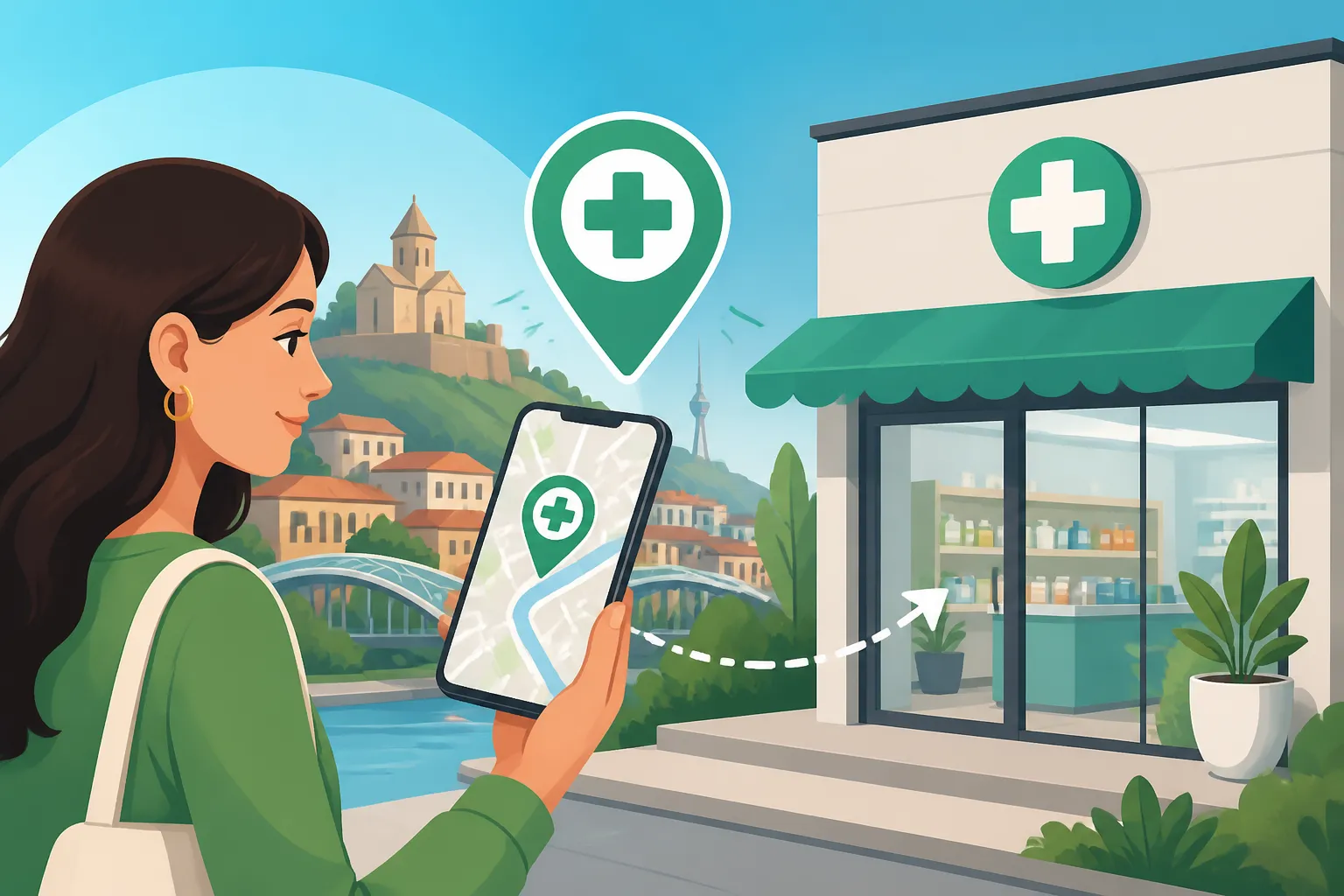
In this day and age, technology is your best friend when navigating a new city. Google Maps is incredibly reliable for finding pharmacies. Simply type "pharmacy" into the search bar, and it will show you all the nearby options, along with their names (often transliterated), opening hours, and sometimes even reviews. This is usually my first port of call when I need to locate one quickly.
Some larger pharmacy chains, like PSP and Aversi, also have their own websites and even mobile apps. While these might primarily be in Georgian, you can sometimes use Google Translate or the built-in translation features of your browser to navigate them. These platforms can be useful for checking specific medication availability before you make the trip, though stock levels can fluctuate. More importantly, they often list branch locations and their operating hours, including which ones are 24-hour. If you're planning on staying in Georgia long-term, getting a local SIM card and having internet access will be crucial for using these tools effectively. For more general advice on healthcare access, see our guide on How Expats Access Healthcare in Georgia: The Complete Guide (2027).
Seeking Local Recommendations
Never underestimate the power of word-of-mouth. The expat community in Tbilisi is vibrant and incredibly supportive. Join local expat Facebook groups or online forums, and don't hesitate to ask for recommendations for a "trusted pharmacy with English-speaking staff near [your neighbourhood]." Chances are, someone has been in your exact shoes and can point you towards a pharmacy that has consistently delivered good service.
Even local Georgians, if you've made friends, can be a fantastic resource. While language might be a barrier with direct conversations, they can often call ahead for you or even accompany you to ensure you get what you need. This personal touch can really alleviate anxiety, especially if you're dealing with a more complex prescription. Plus, it's a great way to deepen your local connections! It’s all part of building your network, much like knowing How to Find an English-Speaking Doctor in Georgia is.
Prioritising English-Speaking Staff
This is a big one. While many younger Georgians, especially in Tbilisi, have some grasp of English, it's not guaranteed that every pharmacy will have staff fluent enough to discuss medical conditions or intricate medication instructions. When you're unwell, struggling with a language barrier is the last thing you need.
My personal strategy has always been to seek out pharmacies in areas with a higher concentration of expats or tourists, such as Vake, Saburtalo, or around Rustaveli Avenue. Pharmacies in these districts are more likely to employ staff who are comfortable communicating in English. Furthermore, larger branches of PSP and Aversi, particularly those open 24/7 or located near major clinics, often have at least one English-speaking pharmacist on duty. If you walk in and they don't speak English, a polite "Do you speak English?" (or "Inglisuri its'it?" if you're feeling adventurous) can help. If not, don't be afraid to try another one nearby; there’s bound to be one that can help. Having a quick note written down or a picture of the medication you need can also bridge the communication gap.
Navigating Prescriptions, Payments, and Unexpected Needs
Once you've found a pharmacy, the next steps involve ensuring you get the correct medication and handle the payment smoothly. This is where understanding Georgian specificities comes into play.
Deciphering Prescriptions and Over-the-Counter Rules
As mentioned, Georgia's rules for what requires a prescription can differ from what you're used to. Generally, many common antibiotics and stronger pain relievers do require a prescription. However, some medications that would be prescription-only in, say, Western Europe or North America, might be available over-the-counter here. It’s always best to bring any existing prescriptions from your home country, especially if they’re in English. While a Georgian pharmacist might not fill a foreign prescription directly, it gives them a clear understanding of what you need and they can often provide the Georgian equivalent or a similar drug.
For prescription medications, a doctor's visit will be necessary. Fortunately, seeing a doctor in Georgia is generally quite accessible and affordable. You can learn more about this in our article How Much Does a Doctor Visit Cost in Georgia?. When you do get a prescription from a Georgian doctor, it will likely be a paper slip, possibly with a stamp or a small handwritten note. The pharmacists are well-versed in these. Don't be shy about asking the pharmacist about the dosage, frequency, and any potential side effects, even if you have to use a translation app to facilitate the conversation. For basic issues, you might even find Can I Buy Antibiotics Over the Counter in Georgia? helpful.
Payment Methods and Insurance Considerations
Paying for your medication in Georgia is usually straightforward. Most pharmacies accept both cash (Georgian Lari, GEL) and international credit/debit cards (Visa, Mastercard are widely accepted). It's always a good idea to have some small denominations of GEL on hand, especially for smaller purchases, as sometimes card machines can be temperamental or the transaction might be very small.
When it comes to insurance, the situation for expats can vary. If you have private international health insurance, you'll typically pay for your medications upfront and then file a claim for reimbursement with your insurance provider. Keep all your receipts! This is crucial, as you'll need them to prove your purchase. Some local private health insurance plans might have direct billing agreements with certain pharmacies or offer a reimbursement process. Make sure you understand the specifics of your policy. For travelers, having a robust travel insurance policy like SafetyWing can offer peace of mind, as it often covers unexpected medical expenses, including urgent prescription medications, subject to your policy terms. While Georgia's healthcare costs are generally quite affordable, having that safety net for significant out-of-pocket expenses is always a smart move. For more on this, check out Health Insurance in Georgia: Private and International Options Explained and How to Claim Reimbursement from Private Insurance in Georgia.
Emergency Pharmacy Access
The availability of 24-hour pharmacies in Tbilisi is a true blessing for expats and locals alike. You'll find at least one 24/7 branch for each of the major chains (PSP, Aversi, GPC) in central locations like Rustaveli, Vake, and Saburtalo. These are invaluable for late-night emergencies or sudden onset illnesses. A quick search on Google Maps for "24 hour pharmacy Tbilisi" will usually bring up the closest options.
It's a good idea to identify the nearest 24-hour pharmacy to your home, just in case. Knowing where it is can save you a lot of stress during an unexpected medical emergency. While these pharmacies are for minor emergencies, for anything truly critical, you should always call 112 for an ambulance or head to the nearest emergency room. You can learn more about dealing with serious situations in Emergency Medical Care in Georgia: What Every Expat Needs to Know.
Building Your Pharmacy Comfort Zone: Tips for Long-Term Expats
As you settle into life in Georgia, you'll want to move beyond just finding a pharmacy to trusting a pharmacy and its staff. This takes a little effort and familiarity, but it's well worth it for your peace of mind.
Developing Relationships with Pharmacists
Just like with doctors, finding a pharmacist you can consistently go to and who recognizes you can make a huge difference. If you frequent the same pharmacy, especially one where staff speak English, you can start to build a rapport. They might remember your usual medications or be more proactive in recommending appropriate alternatives if your preferred brand isn't available. This personal connection can be incredibly comforting, especially when dealing with chronic conditions or recurring needs.
Think of it as having your "local chemist" in your home country – a familiar face who understands your needs. It reduces the stress of having to explain everything from scratch every time you need something. This kind of relationship is invaluable when you're trying to figure out Are Generic Medicines Available in Georgian Pharmacies? or if a particular brand is trustworthy.
Understanding Medication Alternatives
Sometimes, the exact medication you take back home might not be available in Georgia, or it might be sold under a different brand name. This is where a knowledgeable and trusted pharmacist becomes crucial. They can help you identify local equivalents or suitable alternatives. It helps to know the active ingredient of your medication, rather than just the brand name. Writing down the generic name (e.g., "ibuprofen" instead of "Advil") will be much more helpful for the pharmacist.
It's also worth noting that Georgia often has access to a wide range of medications from various international markets, meaning you might discover new brands or even formulations you prefer. Don't be afraid to ask about options, especially if cost is a factor. While overall medical costs are lower here, as explored in Why Georgia Has Affordable Private Healthcare: The Expat Guide (2027), prices for specific drugs can still vary. Your travel insurance, like SafetyWing, would typically cover eligible costs for medication prescribed for an eligible medical condition, should you need it, which can also influence your choices.
Keeping Essential Information Handy
This is a general tip for expat life but particularly relevant for pharmacies. Always keep a list of your essential medications (both brand and generic names), dosages, and any known allergies written down, or better yet, stored digitally on your phone. Even if you don't speak Georgian, showing this list can effectively communicate your needs to a pharmacist.
Having a simple translation app on your phone can also be a lifesaver for those moments when you need to explain a symptom or ask a specific question about a medication. Google Translate's conversation mode or camera translation feature (pointing it at a medication box) can work wonders. Finally, remember to pack a basic home medical kit when you travel or when you first move, with simple remedies for common ailments, just to give yourself a buffer while you get oriented. Our guide on What Should I Pack in a Home Medical Kit for Georgia? has some excellent suggestions. This way, the pressure to find a pharmacy immediately for a minor issue is significantly reduced.
Disclaimer
The information provided in this guide is intended for general informational purposes only and does not constitute medical advice. While we strive to provide accurate and up-to-date information, local regulations, prices, and services can change. Always consult with a qualified healthcare professional or pharmacist for any medical concerns or before making any decisions related to your health or treatment.