How Do I Find a Skin Doctor in Batumi?
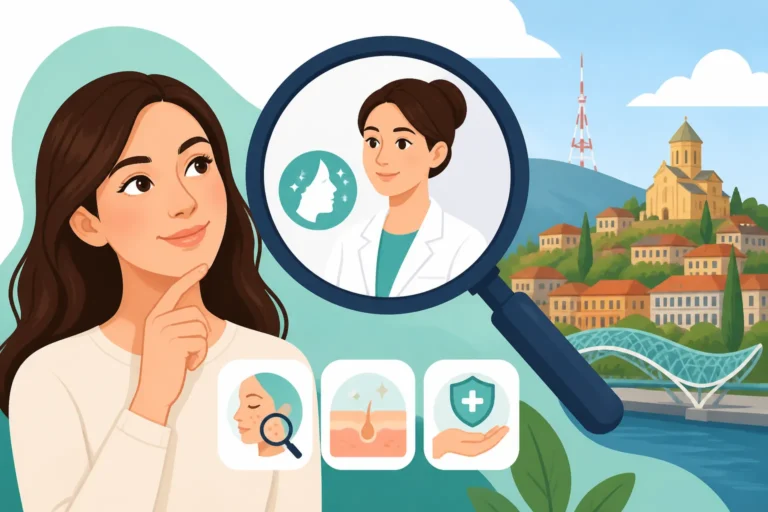
Dealing with skin issues, whether it's a persistent rash, a suspicious mole, or an unexpected allergic reaction, is never fun, but it can be especially stressful when you're an expat in a new city like Batumi. The thought of navigating an unfamiliar healthcare system, potentially with a language barrier, just to find a specialist like a dermatologist, can feel overwhelming. This guide is here to cut through that confusion, offering a step-by-step roadmap to help you find a qualified skin doctor in Batumi and access the care you need.
Understanding the Landscape of Dermatology in Batumi
Let's be real, finding specialized medical care in any foreign country can be a bit of a maze, and Georgia is no exception. While Tbilisi, the capital, offers a wider array of specialized clinics and English-speaking professionals, Batumi, as Georgia's vibrant coastal gem, still has excellent medical facilities, but you might need to be a bit more proactive in your search. It’s crucial to understand the basic structure of the Georgian healthcare system, particularly how it applies to expats seeking specialist care.
Public vs. Private Healthcare Options for Skin Conditions
Georgia operates with a mixed healthcare system. You have public hospitals, which are generally well-equipped for emergencies and basic care, and then you have a growing number of private clinics and hospitals. For something as specific as dermatology, you'll generally find more specialized services, often with newer equipment and shorter wait times, within the private sector.
In Batumi, the Batumi Republican Clinical Hospital is a significant public institution. While it offers a range of services, including some dermatological care, the experience for an expat might be challenging due to potential language barriers and a more traditional, sometimes slower, administrative process. Many expats, including myself, often gravitate towards private options for non-emergency specialist visits simply for the ease of communication and streamlined service.
For instance, Medina Hospital is a prominent private hospital in Batumi that houses various specialists, including dermatologists. You'll likely find more modern facilities, a greater chance of English-speaking staff (or at least staff who can arrange a translator), and a more patient-centric approach. The cost, of course, will be higher in private facilities, which is where your health insurance comes into play. If you're pondering the differences, our guide on Public vs Private Healthcare in Georgia: What Expats Need to Know offers a deeper dive.
The Importance of Initial Consultation and Referrals
Unlike some countries where you can simply walk into a dermatologist's office, Georgia's healthcare system often operates with a referral model, particularly for public institutions or if you're utilizing certain insurance plans. This means your first step might not be directly to a dermatologist, but to a general practitioner (GP) or family doctor.
Think of it like this: your GP acts as a gatekeeper. They'll assess your skin condition, determine if a specialist is truly necessary, and then provide a referral. Even in private clinics, it's often a good idea to start with a GP. They can provide initial diagnosis, rule out common issues, and if needed, guide you to the most appropriate dermatologist, saving you time and potentially money. They can also help with paperwork and explaining your symptoms in Georgian if you're struggling with the language.
For example, if you have a persistent rash, a GP might first suggest a course of over-the-counter cream or a simple blood test. If that doesn't work, or if your condition is more complex (like a suspected skin infection or a concerning mole), they'll write you a referral. This process helps ensure you see the right specialist from the outset. You can learn more about How Specialist and Hospital Referrals Work in Georgia in our comprehensive guide.
Practical Steps to Locating a Skin Doctor in Batumi
Okay, so you understand the lay of the land. Now, let's get down to the nitty-gritty: how do you actually find a dermatologist in Batumi? It might feel like a treasure hunt at first, but with the right strategies, you'll be able to pinpoint a suitable specialist.
Leveraging Online Resources and Expat Networks
In this digital age, your best friends for finding local services are often online. Start with simple Google searches. Typing "dermatologist Batumi," "skin clinic Batumi," or even "кожный врач Батуми" (skin doctor Batumi in Russian, which is widely spoken here) will yield results. Pay close attention to Google Maps – it often provides clinic names, addresses, phone numbers, and crucially, patient reviews. Reviews can be a goldmine, giving you insights into doctor competence, waiting times, and the overall patient experience.
However, a word of caution: don't rely solely on Google. The information might not always be perfectly up-to-date, or clinic websites might only be in Georgian. This is where expat networks truly shine. Facebook groups for expats in Batumi (search for "Expats in Batumi" or "Batumi Digital Nomads") are incredibly active. Post your query there! You'll often find a trove of personal recommendations, shared experiences, and even direct contact details for English-speaking doctors. Fellow expats have been in your shoes and are usually eager to help. It's truly a lifeline when you're figuring out how to get things done here.
Another valuable online resource is the website of major private clinics in Batumi. Medina Hospital, for example, usually lists its departments and specialists. While their websites might not always be fully translated into English, you can often find a list of doctors and sometimes their specializations.
Seeking Recommendations and Local Advice
Beyond online expat groups, don't underestimate the power of word-of-mouth. If you've already met a few locals or longer-term expats, ask them. Even if they haven't seen a dermatologist themselves, they might have a friend or family member who has and can offer a recommendation. Georgians are generally very helpful and proud of their country, and many will go out of their way to assist a foreigner in need.
If you've registered with a general practitioner for routine check-ups or other health concerns, they are an excellent source of referrals. As mentioned, they know the local medical community well and can point you towards reputable dermatologists. This is often the most reliable way to get to a good specialist, as a local GP’s recommendation usually comes with an understanding of local standards and practices. Knowing How to Find and Register with a Clinic or Doctor in Georgia can make this initial step much smoother.
Finding English-Speaking Dermatologists
This is often the biggest hurdle for expats seeking medical care in Georgia. While many younger doctors, especially in private clinics, have a decent grasp of English, it's not universally guaranteed. When you call to book an appointment, always ask if the dermatologist or any support staff speak English. Don't be shy about it – it's crucial for clear communication about your symptoms and treatment plan.
If direct English communication isn't an option, you have a couple of alternatives:
- Bring a Translator: Many expats either have Georgian friends who are willing to translate, or they hire professional medical translators for important appointments. This ensures nothing gets lost in translation, especially when discussing sensitive health information.
- Use Translation Apps: While not ideal for nuanced medical discussions, a good translation app on your phone can help with basic communication and understanding written instructions. Just be prepared for potential misunderstandings.
Remember, clear communication is paramount, especially when discussing something as important as your skin health. Prioritize finding someone who can understand your concerns fully. Our guide on How to Find an English-Speaking Doctor in Georgia provides even more tips for this specific challenge.
Preparing for Your Dermatology Appointment
Once you've scheduled your appointment, it's wise to do a little preparation. This isn't just about being organized; it’s about making sure you get the most out of your visit and that the doctor has all the information they need to provide an accurate diagnosis and effective treatment plan.
Essential Documents and Information to Bring
Getting your documents in order before you go will save you a lot of hassle and potential delays. Here’s a checklist of what you should typically bring to your dermatology appointment in Batumi:
| Document/Information | Purpose |
|---|---|
| Passport or Georgian ID Card | For identification and registration purposes, especially at private clinics. |
| Residence Permit (if applicable) | Your Georgian Residence Permit helps clarify your status and sometimes streamlines registration. |
| Health Insurance Card/Policy Details | Essential for billing and to confirm your coverage. If using an international policy like SafetyWing, have your policy number and contact details ready. |
| Referral Letter (if you have one) | If your GP provided a referral, bring it. It often contains a summary of your condition and the reason for the specialist visit. |
| List of Current Medications | Include all prescription drugs, over-the-counter medicines, supplements, and herbal remedies you are currently taking. |
| List of Allergies | Crucial for the doctor to know, especially for medications, food, or environmental triggers. |
| Summary of Medical History | Briefly outline any relevant past medical conditions, surgeries, or significant illnesses. This helps the dermatologist understand your overall health. |
| Specific Symptoms & History of Skin Issue | Detailed notes on when the issue started, how it has progressed, what makes it better/worse, and any treatments you've tried. |
| Photos of Skin Condition (if applicable) | If your condition changes or flares up, photos can be incredibly helpful for the doctor to see its progression. |
| Pen and Notebook | To jot down notes, instructions, and questions during your consultation. |
Having these items readily available will make the check-in process smoother and allow the doctor to focus on your medical concerns without delays.
Communicating Your Symptoms Effectively
Even if you find an English-speaking dermatologist, articulating your symptoms clearly is paramount. It’s easy to get flustered when you’re worried, so having a clear idea of what you want to convey can make all the difference.
Before your appointment, take some time to write down:
- When did the problem start? Be as specific as possible (e.g., "three weeks ago," "after using a new cream").
- What does it look/feel like? Describe the appearance (red, bumpy, scaly, blistering) and sensation (itchy, burning, painful, numb).
- Where exactly is it on your body? Point to or describe the precise locations.
- Has it spread or changed? Note any evolution in size, shape, color, or location.
- What makes it better or worse? Does scratching, heat, cold, certain foods, or stress affect it?
- What treatments have you tried? Include any creams, medications, or home remedies, and whether they helped or worsened the condition.
- Any associated symptoms? Are you experiencing fever, fatigue, joint pain, or anything else unusual that started around the same time?
Being prepared to answer these questions comprehensively will enable the dermatologist to form a much clearer picture of your condition and reach an accurate diagnosis more quickly. If you are concerned about understanding the doctor's instructions or explanations, especially regarding complex diagnoses or prescription medications, consider bringing a Georgian-speaking friend or using a translation service. It’s always better to over-prepare than to leave feeling confused.
Navigating Costs and Insurance for Dermatological Care
The financial side of healthcare in a foreign country is often a major source of anxiety for expats. Understanding what you might pay out-of-pocket and how your insurance works can alleviate a significant portion of that stress, allowing you to focus on your health.
Understanding Out-of-Pocket Expenses
Even with insurance, you'll likely encounter some out-of-pocket expenses for dermatological care in Batumi. For a consultation with a private dermatologist, you can expect costs to range anywhere from 50 to 150 GEL, depending on the clinic, the doctor's experience, and whether any immediate minor procedures (like a quick biopsy or cryotherapy for a small lesion) are performed during the visit. This is generally much more affordable than in many Western countries, which is one of the reasons Why Georgia Has Affordable Private Healthcare: The Expat Guide (2027) exists.
Diagnostic tests, such as blood tests, skin biopsies, or allergy tests, will be additional costs. Follow-up appointments also incur a fee, though sometimes it might be slightly less than the initial consultation. Prescription medications are another separate expense, which you'll purchase at a local pharmacy. Luckily, pharmacy costs are also quite reasonable in Georgia, but it's still good to factor into your budget. For a broader perspective on expenses, check out The Cost of Healthcare in Georgia: A Complete Breakdown for Foreigners (2026).
It's always a good practice to ask about the expected costs for the consultation and any recommended procedures before they are performed. Most private clinics will be transparent about their pricing if you ask. Don't be afraid to inquire about the total price.
Utilizing Private and International Health Insurance
For many expats, private health insurance is their lifeline when it comes to healthcare in Georgia. While Georgia does have a Universal Healthcare Program (UHC), it primarily benefits Georgian citizens and legal residents with certain income brackets. Most expats will rely on private insurance for comprehensive coverage. If you don't yet have private insurance, our article Do I Need Private Health Insurance in Georgia? can help you decide.
When seeking dermatological care in Batumi, if you have private health insurance – whether it's a local Georgian policy or an international one like SafetyWing – make sure you understand your policy's specifics.
Here’s what you need to know:
- Direct Billing vs. Reimbursement: Some clinics, especially larger private hospitals like Medina Hospital, might have direct billing agreements with certain insurance providers. This means the clinic bills your insurance company directly, and you only pay any co-pay or deductible. However, for many policies, especially international ones, you might need to pay upfront and then submit a claim for reimbursement.
- What's Covered: Check if your policy covers specialist consultations, diagnostic tests (like biopsies), prescription medications, and any minor procedures. Cosmetic dermatology (e.g., Botox, certain laser treatments) is almost never covered by medical insurance, so be clear about the medical necessity of your visit.
- Pre-authorization: For more expensive tests or procedures, your insurance company might require pre-authorization. Always check with your insurer before undergoing any significant treatment to avoid nasty surprises.
- Documentation: Keep all receipts, medical reports, and referral letters. You'll need these to submit your claim. Many international insurers, like SafetyWing, have online portals for easy claims submission, but you’ll need thorough documentation.
Having good private health insurance can turn a potentially expensive and stressful situation into a manageable one. It’s peace of mind, really, knowing that if you suddenly develop a concerning skin condition, you won't be left footing a huge bill. Exploring options like Health Insurance in Georgia: Private and International Options Explained is a smart move before any medical need arises. Always carry your insurance details with you, and don't hesitate to call your insurance provider if you're unsure about coverage before an appointment.
Disclaimer
This article is for general informational purposes only and does not constitute professional advice. Laws, prices and regulations vary by location and change over time. Consult a qualified professional for guidance on your specific situation.