Understanding the Difference Between Public and Private Hospitals in Georgia
One of the trickiest parts about settling into a new country like Georgia is figuring out the healthcare system, and nowhere is this more apparent than when you're trying to understand the difference between public and private hospitals. It’s easy to feel overwhelmed, wondering where to go for what, what’s covered, and if you’ll even be understood. This comprehensive guide is here to untangle that confusion, offering a clear picture of both public and private hospital options so you can navigate your medical needs with confidence.
Understanding Georgia's Dual Healthcare System
When you first arrive in Georgia, the healthcare landscape can seem a bit opaque. Unlike some countries where a single system dominates, Georgia operates with a dual approach, offering both public and private healthcare services. This means you have choices, but it also means you need to understand the nuances of each to make the best decision for your health and your wallet. It's not always black and white, and what might be suitable for a minor ailment could be vastly different for a serious emergency. For a more comprehensive look at the entire system, check out our guide on How Georgia's Health System Works: Universal Healthcare and Private Care Explained (2027).
The Landscape of Public Healthcare in Georgia
Georgia’s public healthcare system is largely anchored by the Universal Healthcare Program (UHC), a government initiative designed to provide essential medical services to its citizens. This program aims to ensure that everyone has access to a basic level of care, irrespective of their socio-economic status. For expats, the coverage under UHC can be a bit of a grey area, often depending on your residency status and employment. Typically, if you are a legal resident and paying taxes in Georgia, you may be eligible for certain benefits. However, it's crucial not to assume full coverage, as the scope can be limited, and sometimes, the services or facilities might not meet international expectations.
Public hospitals are the backbone of this system. They are state-owned and operated, and their primary mandate is to serve the general population. While they provide a wide range of services, from emergency care to specialized treatments, they often do so within the constraints of government funding. This can sometimes translate into older facilities, less advanced equipment, and longer waiting times compared to their private counterparts. It’s the kind of place where you might experience a bit more of the "local" way of doing things, which can be a cultural immersion in itself, but perhaps not what you want when you're feeling unwell.
The Rise and Role of Private Healthcare in Georgia
In contrast, the private healthcare sector in Georgia has seen significant growth and modernization over the past couple of decades. Driven by both local investment and international standards, private hospitals and clinics offer an alternative that often appeals to expats seeking a more familiar experience. These institutions operate on a for-profit model, meaning they rely on patient fees and private insurance plans. This financial structure allows them to invest heavily in modern infrastructure, cutting-edge medical technology, and attract highly qualified medical professionals, many of whom have international training.
The role of private healthcare extends beyond just offering better amenities; it often fills gaps where public services might fall short, particularly in terms of specialist availability, elective procedures, and personalized care. For many expats, the peace of mind that comes with knowing you can access English-speaking staff and state-of-the-art facilities is invaluable. If you're pondering whether to invest in private insurance, our article on How to Buy Private Health Insurance After Moving to Georgia provides excellent insights.
Public Hospitals: What to Expect
Venturing into a public hospital in Georgia can be an eye-opening experience for many expats. It's a different world from what many might be used to, and setting your expectations appropriately is key to avoiding frustration. While the staff genuinely tries to help, the system itself can present challenges, especially if you're not familiar with the local language or customs.
Accessibility and Scope of Services
Public hospitals are generally more numerous and geographically spread out, particularly in smaller towns and rural areas where private options might be scarce or non-existent. This means they are often the most accessible option for immediate, walk-in care, especially in emergencies. Their scope of services is broad, encompassing everything from general practitioner visits and basic diagnostics to more complex surgeries and emergency interventions. They handle a high volume of patients, which means they are well-versed in a wide array of conditions and treatments.
However, "accessible" doesn't always mean "easy." While they are open to everyone, navigating the administrative processes can be confusing without local assistance or language skills. Getting through triage, understanding where to go for what tests, and coordinating follow-up appointments can be a maze. It’s not uncommon to find yourself waiting for a long time, particularly during peak hours, and the system might feel less streamlined than what you're accustomed to. For tourists, this can be particularly daunting, as you might not have the local support system of a resident. For emergencies, however, public hospitals are often your first port of call, and they are equipped to handle critical situations. If you find yourself needing urgent care, understanding Emergency Medical Care in Georgia: What Every Expat Needs to Know is vital.
Quality of Care and Infrastructure Realities
The quality of care in public hospitals can vary significantly. You'll find highly skilled and dedicated doctors and nurses who are committed to their patients. Many of them are incredibly experienced, having dealt with a vast spectrum of medical conditions over their careers. However, the infrastructure can sometimes lag behind. Older buildings, dated equipment, and sometimes less-than-ideal sanitary conditions are a reality in some public facilities, particularly outside of the main city centres like Tbilisi.
These institutions operate with limited budgets, which means they might not always have the latest medical technology or the most comfortable patient rooms. This isn't to say the medical treatment itself is poor, but the overall patient experience might feel less polished and more basic. For routine check-ups or less serious conditions, this might be perfectly acceptable, but for complex procedures or long-term stays, the environment can definitely impact your comfort and recovery. It’s a bit of a lottery, sometimes you get lucky and find a well-maintained department, other times you might feel like you've stepped back in time.
The Financial Side: Universal Healthcare Program UHC and Out-of-Pocket Costs
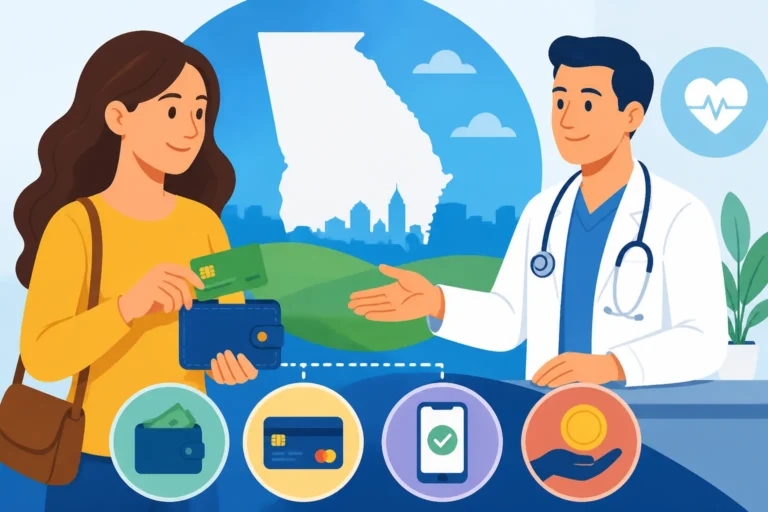
For Georgian citizens, the Universal Healthcare Program (UHC) covers a significant portion of medical costs in public hospitals. For expats, the situation is more complex. While some long-term residents with proper work permits and tax contributions might be integrated into a limited version of the UHC, it rarely offers the comprehensive coverage many foreigners expect. This means that even in public hospitals, you're likely to face out-of-pocket costs for consultations, diagnostics, medications, and treatments. It's not "free" healthcare in the way some European systems operate.
You'll need to pay upfront for many services, and the billing process might not always be transparent, especially if there's a language barrier. It's always a good idea to clarify costs beforehand, if possible, but in an emergency, this might not be feasible. Having some local currency on hand is essential. Even if you have private insurance, it's worth understanding what the UHC might cover for you, if anything, as your private plan might then pick up the remaining balance. But realistically, for most expats, relying solely on the UHC for public hospital care could lead to unexpected expenses. We delve deeper into this topic in our article, Understanding the Universal Healthcare Program (UHC) in Georgia.
Private Hospitals: The Alternative Experience
Many expats gravitate towards private hospitals in Georgia due to the familiar standards and services they offer. It’s often a smoother, more comfortable experience, though it comes with a different set of considerations, primarily financial.
Range of Services and Modern Facilities
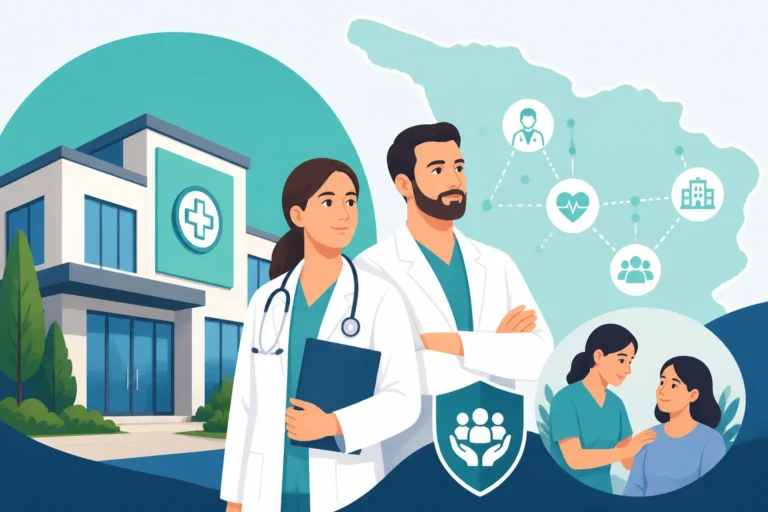
Private hospitals in Georgia are known for their modern facilities, often boasting state-of-the-art equipment, comfortable patient rooms, and a generally higher standard of cleanliness and ambiance. These institutions strive to provide a comprehensive range of medical services, from routine check-ups and preventative care to highly specialized surgeries and advanced diagnostic imaging. You'll often find dedicated departments for various specialties, all under one roof, which can be incredibly convenient.
They often prioritize patient comfort and efficiency, meaning shorter waiting times for appointments and procedures. Many private clinics and hospitals in Tbilisi, like Evex Hospitals (a major network across Georgia), provide a level of service and technology that rivals international standards. This can include advanced MRI and CT scanners, modern operating theatres, and well-equipped laboratories. For those seeking specialized treatment or peace of mind, the investment in a private facility often feels justified. Our guide on Understanding the Role of Private Clinics in Georgia's Health System provides more context on these types of facilities.
Cost and Insurance Considerations
The most significant difference when considering private hospitals is the cost. Services here are not subsidized by the government; you or your insurance provider will bear the full expense. A simple doctor's consultation can range anywhere from 50 to 150 GEL, while more complex procedures, diagnostics, and overnight stays can quickly add up to hundreds or even thousands of GEL. This is where private health insurance becomes not just an option, but often a necessity for expats.
Having a robust private health insurance plan, whether it's a local Georgian policy or an international one like SafetyWing, is crucial. These plans are designed to cover the costs associated with private hospital care, including consultations, diagnostics, surgeries, and sometimes even prescription medications. It's absolutely vital to understand your policy's coverage, deductibles, and direct billing agreements before seeking treatment. Many private hospitals have departments that deal directly with international insurance providers, streamlining the billing process and reducing your upfront out-of-pocket expenses. We highly recommend looking into Health Insurance in Georgia: Private and International Options Explained to help you make an informed choice. Without insurance, getting sick or injured in a private hospital could easily become a significant financial burden.
Language Barrier and International Standards
One of the biggest advantages for expats in private hospitals is the significantly reduced language barrier. Many private facilities, especially in Tbilisi and Batumi, employ English-speaking doctors, nurses, and administrative staff. Some even have dedicated international patient departments or coordinators to assist foreign patients. This makes a world of difference when you're trying to explain symptoms, understand diagnoses, or discuss treatment plans. You won't feel like you're playing charades with your health at stake.
Furthermore, many private hospitals adhere to international medical standards and protocols, which can be reassuring for expats accustomed to Western healthcare practices. Doctors are often trained abroad, bringing a global perspective to their practice. The focus on patient-centred care, transparent communication, and modern medical practices contributes to a more familiar and comforting experience for foreigners. This often translates into better communication, more detailed explanations, and a feeling of being genuinely heard and understood.
Key Differences and Decision-Making Factors
Choosing between a public and private hospital in Georgia isn't just about cost; it's about evaluating several critical factors that impact your overall healthcare experience.
Facilities, Equipment, and Technology
This is often where the most stark differences lie. Private hospitals generally boast newer, more sophisticated facilities. Think modern waiting areas, private patient rooms, advanced diagnostic imaging machines (MRI, CT scans, ultrasounds) from reputable international brands, and state-of-the-art surgical equipment. They invest heavily in infrastructure to attract patients who demand these higher standards. It’s like comparing a budget hotel to a five-star resort; both offer a bed, but the experience is vastly different.
Public hospitals, on the other hand, often operate with older infrastructure and equipment. While functional, it might not always be the latest generation, and the overall aesthetic can feel dated. Cleanliness standards are maintained, but not always to the sparkling degree you might find in private institutions. For highly specialized or complex conditions requiring cutting-edge technology, private hospitals often have the advantage. This is especially true for diagnostics where precision and speed can be critical.
Patient Experience and Staff Training
The patient experience in a private hospital is typically more personalized and patient-centric. Staff-to-patient ratios might be better, leading to more attentive care. Many doctors in private settings have pursued international training and speak multiple languages, including English, which significantly eases communication for expats. They are often under pressure to deliver high-quality service, as patient satisfaction directly impacts their business. This translates to more detailed explanations, shorter waiting times for appointments, and a generally more comfortable and respectful interaction.
In public hospitals, the experience can be more functional and less personal. Doctors and nurses are often overworked, dealing with a high volume of patients. While medically competent, the communication might be more direct and less empathetic, especially if there's a language barrier. You might find yourself having to advocate more for your needs or bring a translator. Waiting times can be considerable, and the overall atmosphere might feel more chaotic. It’s a system designed for mass care, which can sometimes mean individual patients feel like just another number.
Emergency Services: Public vs. Private Initial Response
When it comes to emergencies, the default often tends to be public hospitals, primarily because they are legally obligated to provide care to anyone, regardless of their ability to pay or insurance status. The 112 emergency service will typically transport you to the nearest public facility equipped to handle your situation. They have dedicated emergency departments (ERs) that are open 24/7 and are staffed to manage acute medical crises.
Private hospitals also offer emergency services, often with shorter wait times and better facilities upon arrival. However, they may require proof of insurance or upfront payment for non-life-threatening conditions once the immediate emergency is stabilized. Some private hospitals might also have limitations on the types of severe trauma or complex emergencies they can handle compared to large public university hospitals. It's a good idea to know which private hospitals in your area have robust emergency departments if you plan to rely on private care for emergencies, and to verify with your insurance provider like SafetyWing if emergency care at private facilities is covered. For situations that are truly life-threatening, the priority is always the closest, most capable facility, which is often a public hospital.
Here's a quick comparison table:
| Feature | Public Hospitals (General Expectation) | Private Hospitals (General Expectation) |
|---|---|---|
| Cost | Lower out-of-pocket for citizens with UHC, significant for expats | Higher, often covered by private health insurance |
| Facilities | Older infrastructure, basic amenities, varying cleanliness | Modern, high-standard infrastructure, comfortable patient rooms, high cleanliness |
| Equipment | Functional, but may be older generation | State-of-the-art, latest medical technology |
| Waiting Times | Can be long for appointments and diagnostics, shorter for critical emergencies | Generally shorter for appointments and diagnostics, efficient emergency flow |
| Language | Primarily Georgian, English can be a significant barrier | Often English-speaking staff, dedicated international patient services |
| Scope of Services | Broad, from general to specialized, mandatory emergency care | Comprehensive, often highly specialized, elective procedures, advanced diagnostics |
| Patient Experience | Functional, less personalized, can feel rushed, high patient volume | Personalized, patient-centric, attentive care, emphasis on comfort |
| Location | More widespread, including smaller towns and rural areas | Concentrated in major cities like Tbilisi and Batumi |
Navigating Your Choices: When to Opt for Which
Deciding between a public and private hospital isn't a one-size-fits-all answer. It depends heavily on your specific needs, the urgency of your situation, your financial preparedness, and your comfort level with the local system.
Scenarios Best Suited for Public Hospitals
There are certain situations where a public hospital might be your best or only option. Firstly, in dire, life-threatening emergencies, especially outside of major urban centers, public hospitals are often the closest and most equipped to handle severe trauma, major accidents, or sudden critical illnesses. They are mandated to provide care regardless of your ability to pay upfront, and the 112 emergency services will typically take you there. You really don't want to be debating private vs. public when every second counts.
Secondly, if you are on a very tight budget and do not have private health insurance, a public hospital, despite its potential drawbacks, will be significantly more affordable for most basic treatments, even if you pay out-of-pocket as an expat. You might not get the same amenities or ease of communication, but the primary goal of treatment will be met at a lower cost. However, it’s important to remember that even public hospitals aren't completely free for expats. For more on this, our article What Happens If I Get Sick Without Insurance in Georgia? offers some stark realities. Lastly, for very rare or highly specialized conditions that might only be concentrated in one or two national centres (often public university hospitals), these might be the only places with the specific expertise required.
Scenarios Where Private Hospitals Shine
Private hospitals are typically the preferred choice for expats in a multitude of scenarios. For planned procedures, non-urgent specialist consultations, advanced diagnostics (like a specific MRI or complex blood work), or elective surgeries, private facilities offer superior comfort, efficiency, and often, more advanced technology. If you value shorter waiting times, clear communication in English, a modern environment, and personalized care, private is the way to go.
They are also excellent for regular check-ups, preventative care, and managing chronic conditions where continuity of care and a good relationship with your doctor are important. If you have comprehensive private health insurance, like a plan from SafetyWing, then leveraging these private facilities means you can access a higher standard of care without the worry of crippling medical bills. For families with children, the calmer environment and often more child-friendly approach in private clinics can be a huge relief. When it comes to Understanding How to Choose a Hospital in Georgia, many expats prioritize private for these reasons.
Health Insurance: Your Bridge to Private Care
It cannot be stressed enough: private health insurance is not just a nice-to-have; for most foreigners in Georgia, it's a non-negotiable lifeline if you plan on accessing the private healthcare system. Without it, the costs incurred at private hospitals can be prohibitive, turning a minor issue into a major financial headache. Your insurance acts as a bridge, allowing you to bypass the direct payment model and access the premium services and facilities that private institutions offer.
When choosing a policy, whether it's local or international, ensure it covers outpatient visits, inpatient hospital stays, emergency care, diagnostics, and ideally, prescription medications. Familiarize yourself with how to Claim Reimbursement from Private Insurance in Georgia or, even better, if the hospital offers direct billing with your provider. Companies like SafetyWing offer plans specifically designed for digital nomads and expats, which can be invaluable for initial periods or if you frequently travel in and out of Georgia. Always carry your insurance card and know your policy details.
A Word on Specialist Referrals and Follow-up
Regardless of whether you choose public or private, understanding the flow of care, especially concerning specialist referrals and follow-up, is important. Georgia's system, while evolving, often still operates on a referral basis for specialist care, even in the private sector.
General Practitioner as Your First Point of Contact
In Georgia, similar to many healthcare systems, a general practitioner (GP) or family doctor often serves as your first point of contact for non-emergency health concerns. This is true for both public polyclinics and private clinics. Your GP can assess your symptoms, provide initial treatment, and crucially, refer you to a specialist if needed. Establishing a relationship with a trusted GP, ideally an English-speaking one, can significantly streamline your healthcare journey. They can guide you through the system, recommend specific specialists or hospitals, and help with administrative hurdles.
For expats, finding an English-speaking GP in a private clinic is usually straightforward. These clinics often have a roster of general practitioners who are comfortable communicating in English. They can help you navigate local pharmacies, understand prescription medications, and even assist with routine health checks. This foundational relationship can be invaluable for continuity of care. You can find more practical advice on this in our guide, How to Find an English-Speaking Doctor in Georgia.
Post-Hospital Care and Rehabilitation
After a hospital stay, whether public or private, the journey to recovery often involves post-hospital care and potentially rehabilitation. This can include follow-up consultations, wound care, physiotherapy, or specialized therapy. Private hospitals often have better-integrated post-discharge planning and can connect you with private rehabilitation centres or home care services. They might even offer their own in-house physiotherapy departments with modern equipment.
In the public system, post-hospital care might require more self-advocacy and navigation. You might be discharged with instructions to find a local polyclinic for follow-up or referred to a public rehabilitation facility, which may have limited resources or longer waiting lists. If your condition requires ongoing physical therapy or specialized rehabilitation, it's worth discussing options with your doctor beforehand and checking if your private insurance covers these extended services. Knowing how How to Get Physiotherapy and Rehabilitation in Georgia works can save you a lot of hassle. The key is to be proactive and ensure you understand all follow-up instructions before leaving the hospital.
Disclaimer
The information provided in this article is for general informational purposes only and does not constitute medical, legal, or professional advice. While we strive to provide accurate and up-to-date information, healthcare systems, regulations, and costs in Georgia can change. Always consult with qualified medical professionals, insurance providers, or legal experts for advice tailored to your specific situation. Reliance on any information in this article is solely at your own risk.