How to Get Physiotherapy and Rehabilitation in Georgia
When you're living abroad, an unexpected injury or the flare-up of a chronic condition can really throw a wrench in things. Suddenly, you're not just dealing with pain, but also the daunting task of figuring out how to get proper care in a new country. Finding reliable physiotherapy and rehabilitation services in Georgia might seem like navigating a labyrinth, especially if you're not fluent in Georgian, but trust me, it’s completely doable. This comprehensive guide is here to walk you through everything you need to know about accessing quality physiotherapy and rehabilitation services, helping you get back on your feet and enjoying all that Georgia has to offer.
Understanding the Landscape of Physiotherapy in Georgia
Navigating the healthcare system in Georgia, particularly for a specific service like physiotherapy, can feel a bit opaque at first. It’s not always as straightforward as it might be in your home country, with clear public and private distinctions. Here, you'll find a mix, and knowing what to expect is half the battle.
Public vs. Private Rehabilitation Centers
Georgia’s healthcare system, while offering universal healthcare to citizens, operates with a strong private sector presence, and this extends to physiotherapy and rehabilitation. You might find some basic rehabilitation services within larger public hospitals, often focused on post-operative recovery or more severe, acute conditions. These services, however, can sometimes be stretched thin, with older equipment or a more limited range of therapies. Language barriers might also be more prevalent in public facilities, which can be incredibly frustrating when you're trying to explain nuanced pain points or understand complex instructions for your recovery.
On the other hand, the private sector is where most expats will likely find the comprehensive and English-speaking physiotherapy services they seek. Private clinics and dedicated rehabilitation centers are becoming increasingly common, especially in major cities like Tbilisi and Batumi. These facilities generally boast newer equipment, a wider array of specialized treatments, and a higher chance of finding therapists who speak English or other international languages. The environment in private clinics tends to be more patient-centric, with shorter wait times and more personalized attention, which can make a huge difference when you're in pain and feeling vulnerable. While the costs are higher, the quality of care and convenience often justify the investment for many foreigners.
Common Conditions Treated by Physiotherapy Here
Just like anywhere else in the world, people in Georgia seek physiotherapy for a diverse range of conditions. For expats, some issues tend to pop up more frequently. We often find ourselves dealing with those annoying aches and pains that come from prolonged periods of travel, perhaps lifting heavy luggage, or even from adapting to new ergonomic setups if you're working remotely from a temporary apartment. Back and neck pain from less-than-ideal chairs or sudden movements while exploring a new city are incredibly common complaints.
Beyond the daily grind, sports injuries are another big one. Whether you're hitting the slopes in Gudauri, hiking in the Caucasus mountains, or just trying to stay fit in a local gym, accidents happen. Sprains, strains, tendonitis, and post-fracture rehabilitation are all regularly treated by Georgian physiotherapists. Furthermore, many expats arrive in Georgia having undergone surgery elsewhere, and need ongoing post-operative rehabilitation for joint replacements, ligament repairs, or other procedures. Neurological conditions, chronic pain management, and even pre- and postnatal physiotherapy are also widely available. The good news is that Georgian physiotherapists are generally well-versed in addressing a broad spectrum of musculoskeletal and neurological issues, so you can usually find help for whatever ails you.
Finding a Qualified Physiotherapist and Clinic
Once you've decided that physiotherapy is the right path for your recovery, the next step is locating a professional and a clinic that you feel comfortable with. This can feel like a bit of a treasure hunt, but with the right approach, you can find excellent care.
Locating English-Speaking Specialists in Major Cities
Finding an English-speaking physiotherapist is often at the top of an expat’s priority list, and thankfully, it's becoming much easier in Georgia’s larger urban centers. In Tbilisi, for instance, you'll find a growing number of clinics catering specifically to the international community. A great starting point is to ask around in expat Facebook groups – word-of-mouth recommendations are golden here. Fellow expats have already done the legwork and can share personal experiences, which can save you a lot of trial and error. You might even find some tips on how to Find an English-Speaking Doctor in Georgia through these networks.
Beyond informal recommendations, several larger private medical centers in Tbilisi, such as Evex Hospitals or the American Hospital Tbilisi, have dedicated physiotherapy departments with staff who are proficient in English. Similarly, in Batumi, as the expat community grows, more clinics are beginning to offer English-speaking services. Online directories, while not always perfectly up-to-date, can also provide contact information. Don't hesitate to call clinics directly and ask about their English-speaking staff; most receptionists will be able to tell you. Sometimes, even if the main therapist doesn't speak perfect English, they might have a colleague or assistant who can translate during your sessions.
What to Look For in a Physiotherapy Clinic
Choosing the right physiotherapy clinic goes beyond just finding someone who speaks your language. You want to ensure you're getting quality care in a professional environment. First and foremost, look for cleanliness and a well-maintained facility. This might seem basic, but it speaks volumes about the clinic’s overall standards. Next, consider the equipment they use. Modern physiotherapy often incorporates a range of tools, from electrotherapy machines to specialized exercise equipment. A clinic with up-to-date resources indicates a commitment to effective treatment methods.
Certifications and qualifications are crucial. While Georgia might have different regulatory bodies than your home country, a reputable physiotherapist should be able to show their credentials. Don’t be afraid to ask about their experience, especially with conditions similar to yours. Online reviews, while needing to be taken with a grain of salt, can offer insights into other patients' experiences regarding the therapist’s approach, effectiveness, and professionalism. Finally, think about logistics: is the clinic conveniently located? Are appointment times flexible enough to fit your schedule? And, importantly, do they seem to have good patient flow, meaning you won’t be waiting forever or feel rushed during your session? These practical considerations contribute significantly to your overall rehabilitation experience.
The Initial Consultation Process
Your first visit to a physiotherapy clinic in Georgia will typically involve an initial consultation. This is a critical step where the physiotherapist assesses your condition, understands your medical history, and discusses your goals for recovery. Don't expect to jump straight into intense exercises; the first session is usually diagnostic. You'll likely be asked a series of detailed questions about your pain – when it started, what makes it better or worse, its intensity, and how it impacts your daily activities. Be as specific as possible; clear communication is key here.
The physiotherapist will then perform a physical examination. This might involve assessing your posture, range of motion, muscle strength, and palpating the affected area to pinpoint the source of discomfort. They may also ask you to perform certain movements or simple exercises to observe your functional limitations. If you have any relevant medical documents, such as X-ray reports, MRI scans, or doctor's referrals from Georgia or your home country, bring them along. While a doctor's referral isn't always strictly necessary to see a physiotherapist in Georgia (you can often self-refer), having one can provide valuable context and sometimes help with insurance claims. Based on their assessment, the physiotherapist will then explain their findings, propose a diagnosis, and outline a tailored treatment plan, including the types of therapies they recommend and an estimated number of sessions.
The Cost of Physiotherapy and Rehabilitation in Georgia
Let's be frank, healthcare costs are always a concern, especially when you're figuring things out in a new country. Physiotherapy and rehabilitation in Georgia can be surprisingly affordable compared to many Western countries, but it's important to understand the pricing structure and how your insurance might factor in.
Typical Session Costs Without Insurance
Generally speaking, you'll find that physiotherapy in Georgia, especially in the private sector, offers good value for money. The cost of an initial consultation, which is usually more comprehensive and therefore a bit pricier, can range anywhere from 70 to 150 GEL. Follow-up sessions, which are typically shorter and more focused on treatment, tend to fall in the range of 50 to 100 GEL per session. These are rough estimates, of course, and prices can vary depending on the clinic's reputation, its location (Tbilisi clinics might be slightly more expensive than those in Kutaisi, for example), the specific expertise of the therapist, and the complexity of the treatment required.
It’s worth noting that these prices are significantly lower than what you might pay out-of-pocket in North America or Western Europe, making quality care more accessible even without extensive insurance coverage. However, rehabilitation is rarely a one-off visit; it's a process. You'll likely need multiple sessions, and those costs can add up over time. Always ask for a clear breakdown of costs and an estimate for the full course of treatment during your initial consultation. Transparency is important, and a good clinic will be upfront about their pricing.
Navigating Insurance Coverage: Private & International
When it comes to paying for physiotherapy, your health insurance can be your best friend. If you have private health insurance in Georgia, whether it's a local plan or an international one like SafetyWing, you'll need to understand what your policy actually covers. Many private plans do include physiotherapy and rehabilitation as part of their benefits, especially when prescribed by a doctor. However, there might be limits on the number of sessions, a deductible you need to meet, or a co-payment requirement. It’s crucial to contact your insurance provider before starting treatment to clarify your coverage. Ask them about specific clinics they approve, the documentation you'll need for reimbursement, and any pre-authorization requirements.
For those with international health insurance, the process is often similar. Companies like SafetyWing are generally designed for expats and digital nomads, and often include provisions for emergency medical treatment and sometimes routine care like physiotherapy. You’ll typically pay upfront at the clinic and then submit a claim for reimbursement. Make sure to keep all your receipts, medical reports, and any referral letters. The golden rule with any insurance is to read your policy carefully and communicate with your provider. Don't assume anything; confirm it. Understanding Health Insurance in Georgia: Private and International Options Explained can help clarify your options even further.
Packages and Long-Term Treatment Costs
Recognizing that rehabilitation often requires a series of sessions, many physiotherapy clinics in Georgia offer discounted packages. Instead of paying per session, you might be able to purchase a block of 5, 10, or even 15 sessions at a reduced rate. This can lead to substantial savings over the course of your treatment, especially if your condition requires ongoing care. Always inquire about these package deals during your initial visit, as they might not always be overtly advertised.
For long-term rehabilitation, which can sometimes extend over several months, a structured payment plan or a tailored package might be essential. Some clinics might even offer a slight discount for long-term commitment, particularly if you've developed a good rapport and they see your dedication to recovery. Always discuss the estimated duration of your treatment plan with your physiotherapist and ask about the total projected cost. This allows you to budget accordingly and avoids any unwelcome financial surprises down the line. Remember, investing in your health now can prevent more serious and expensive problems in the future.
The Rehabilitation Journey: What to Expect
Embarking on a physiotherapy journey can feel a bit intimidating, especially if it's your first time or you're doing it in a foreign country. However, understanding the typical process can ease some anxieties and help you prepare for what's ahead.
Types of Treatments Offered
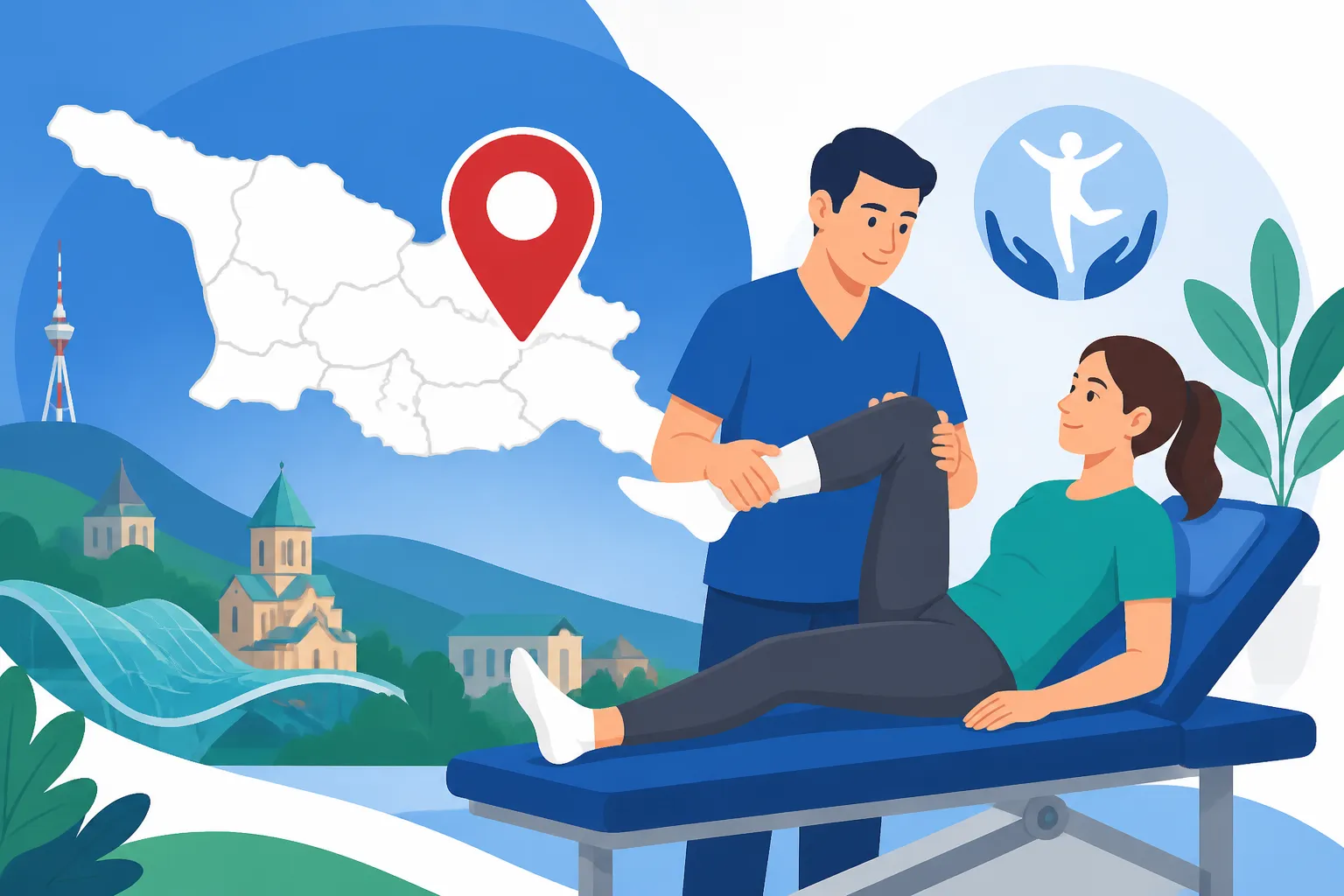
Georgian physiotherapy clinics offer a wide range of treatment modalities, much like those you’d find in other developed nations. Manual therapy is a cornerstone, involving hands-on techniques such as massage, mobilization, and manipulation to reduce pain, improve joint movement, and relax tight muscles. This often feels really good after a tough week! Alongside this, exercise therapy is crucial. Your physiotherapist will guide you through specific stretches, strengthening exercises, and functional movements designed to restore mobility, build strength, and improve coordination. These exercises are often demonstrated in the clinic and then given to you as a home exercise program.
Beyond these core methods, you might encounter various electrotherapy modalities, including ultrasound, TENS (Transcutaneous Electrical Nerve Stimulation), and interferential therapy (IFT), which use electrical currents or sound waves to reduce pain and inflammation. Some clinics might also offer specialized treatments like dry needling (similar to acupuncture but focused on muscle trigger points), shockwave therapy for chronic tendon issues, or even hydrotherapy, though dedicated hydrotherapy pools are less common in general physiotherapy clinics and more often found in larger rehabilitation centers. The specific combination of treatments will always be tailored to your individual diagnosis and needs.
Duration and Frequency of Sessions
The duration and frequency of your physiotherapy sessions will depend entirely on your condition, its severity, and your individual response to treatment. There’s no one-size-fits-all answer, which can be a bit frustrating if you're looking for a clear timeline. For acute injuries or post-operative rehabilitation, you might start with more frequent sessions, perhaps 2-3 times a week, to kickstart the healing process and manage immediate pain. As you progress and your condition improves, the frequency will likely decrease to once a week, then perhaps every two weeks, and eventually tapering off as you become more independent with your home exercises.
Each individual session typically lasts between 30 to 60 minutes. The physiotherapist will continuously assess your progress and adjust the treatment plan accordingly. It's a dynamic process, not a fixed one. Be patient with yourself and trust the process; rushing recovery can often lead to setbacks. Openly communicate with your therapist about how you're feeling and any concerns you might have about the pace or intensity of your treatment.
Follow-Up and At-Home Exercises
A crucial, yet often underestimated, part of the rehabilitation journey happens outside the clinic. Your physiotherapist will almost certainly prescribe a series of exercises for you to do at home between sessions. These at-home exercises are not optional extras; they are integral to your recovery and reinforce the work done during your clinical sessions. They help maintain gains in flexibility and strength, improve endurance, and prevent regression. Consistency with your home program is key to a successful recovery.
During your follow-up appointments, your therapist will review your progress, check your technique for the home exercises, and make any necessary adjustments to your program. This feedback loop is vital. Don't be shy about admitting if you've struggled with certain exercises or forgotten to do them; your therapist is there to help, not judge. They might introduce new exercises as you get stronger or challenge you further. The ultimate goal of physiotherapy is to empower you to manage your condition independently and return to your desired activities without pain or limitation. So, view those home exercises as your personal toolkit for long-term health.
Overcoming Common Challenges for Expats
As an expat, you’re already used to adapting, but medical situations can present unique hurdles. Being prepared for these common challenges when seeking physiotherapy in Georgia can make your experience smoother.
Language Barriers in Communication
Ah, the eternal expat challenge: language. While many private clinics in major cities do have English-speaking staff, you might still encounter situations where the primary language spoken is Georgian. This can be particularly stressful when you're trying to describe complex pain symptoms, which are often subtle and require precise articulation. Imagine trying to explain if your pain is 'stabbing,' 'throbbing,' or 'a dull ache' without the right vocabulary!
If you find yourself in a clinic where English isn’t widely spoken, don't panic. One practical solution is to bring a Georgian-speaking friend or colleague with you to act as a translator for your initial consultation. Many expats rely on their local contacts for such situations. Alternatively, translation apps can be helpful for basic communication, but they might struggle with nuanced medical terms. When booking an appointment, always explicitly ask if an English-speaking physiotherapist is available. Many clinics will make an effort to accommodate you if they know in advance. Remember, clear communication is paramount for effective treatment, so advocate for yourself to ensure you are fully understood.
Understanding Georgian Medical Culture
Medical culture can vary significantly from one country to another, and Georgia is no exception. While Georgian healthcare professionals are generally highly skilled and caring, their approach might differ from what you’re accustomed to. For instance, the communication style might be more direct, and while they might not always offer as much detailed explanation as you're used to, it doesn't mean they are less competent. Sometimes, the emphasis might be more on physical manipulation or passive treatments rather than extensive patient education on self-management, though this is evolving, especially in newer private clinics.
You might also find that the concept of "patient advocacy" is a bit different. In some Western cultures, patients are encouraged to actively question and research their treatments, whereas in Georgia, there might be a more traditional respect for the doctor's authority. This isn't necessarily a bad thing, but it's something to be aware of. If you have questions, don't hesitate to ask, but do so respectfully. Be prepared for a potentially different approach to scheduling, punctuality, and even the general clinic atmosphere. Understanding these subtle cultural nuances can help manage your expectations and prevent misunderstandings, making your Navigating the Georgian Healthcare System: An Expat's Roadmap (2027) a smoother ride.
Access to Specialized Equipment or Therapies
While Georgia's physiotherapy sector is developing rapidly, particularly in the private realm, access to highly specialized or cutting-edge equipment and therapies might still be more limited compared to very advanced healthcare markets. For most common musculoskeletal issues, you'll find excellent care and standard equipment. However, if your condition requires very niche diagnostic tools, highly advanced robotic rehabilitation, or specific types of therapeutic machinery that are rare globally, you might find fewer options or need to seek care at one of the larger, more comprehensive university hospitals or private medical centers in Tbilisi.
For example, while general electrotherapy is common, a specific type of laser therapy might be harder to find. It's always a good idea to research and inquire if your particular needs fall into a highly specialized category. Don't hesitate to ask clinics what specific equipment they have and if they offer the exact therapy you're looking for. Sometimes, if a particular treatment isn't widely available, your physiotherapist might suggest an alternative approach that achieves similar therapeutic goals. For the vast majority of physiotherapy needs, though, you will find competent professionals and adequate resources right here in Georgia.
Alternative and Complementary Therapies
Physiotherapy is often just one piece of the puzzle when it comes to holistic health and recovery. Many expats also explore alternative and complementary therapies to support their rehabilitation journey or simply to maintain their well-being.
Exploring Chiropractic, Osteopathy, and Massage Therapy
Beyond conventional physiotherapy, Georgia has a growing number of practitioners offering complementary therapies. Chiropractic and osteopathy, which focus on musculoskeletal alignment and the body's self-healing capabilities, are available, particularly in Tbilisi. While not as widespread as physiotherapy, you can find qualified chiropractors and osteopaths, often with international training. These practices can be beneficial for certain types of back pain, neck issues, and joint stiffness, and some expats prefer their specific approach to manual adjustment. It's important to research practitioners carefully, check their qualifications, and ensure they are reputable.
Massage therapy is much more widely accessible and often integrated into rehabilitation plans. You'll find numerous massage therapists in Georgia, ranging from general wellness massage to more specialized therapeutic or deep tissue work. Many physiotherapy clinics themselves employ massage therapists or offer massage as a complementary service. A good therapeutic massage can significantly help reduce muscle tension, improve circulation, alleviate pain, and aid in recovery, making it a valuable adjunct to your physiotherapy program. Just ensure you communicate your medical condition and any sensitive areas to your massage therapist to ensure a safe and effective session.
Wellness and Prevention Approaches
Beyond addressing existing injuries, many expats actively engage in wellness and prevention to maintain their health and reduce the risk of future issues. Georgia offers a variety of options for this. Joining a local gym is a popular choice, and you'll find well-equipped fitness centers in Tbilisi and Batumi that offer everything from weight training facilities to group classes. Many gyms also have personal trainers who can guide you on safe exercise routines tailored to your needs, especially if you're recovering from an injury.
Yoga and Pilates studios are also quite prevalent, especially in expat-friendly neighborhoods. These practices are excellent for improving flexibility, core strength, balance, and body awareness – all crucial for preventing injuries and enhancing overall physical well-being. Many studios offer classes in English, making them accessible to the international community. Engaging in regular physical activity, whether it's exploring Georgia's beautiful hiking trails, swimming, or joining a dance class, not only supports your physical rehabilitation but also contributes significantly to your mental and emotional well-being as an expat. A balanced approach that combines professional physiotherapy with proactive wellness strategies will set you up for long-term health and enjoyment of your Georgian life.
Average Cost of Physiotherapy in Georgia (Estimates)
| Service Type | Average Cost Range (GEL) | Notes |
|---|---|---|
| Initial Consultation | 70 – 150 | More in-depth assessment, diagnosis, and treatment plan formulation. |
| Follow-up Session | 50 – 100 | Shorter, focused on treatment techniques and exercise progression. |
| Package (5 sessions) | 200 – 400 | Discounted rate for commitment to multiple sessions. |
| Package (10 sessions) | 400 – 800 | Further savings for more extensive rehabilitation programs. |
| Therapeutic Massage (60 min) | 60 – 120 | Can be offered as a standalone or complementary service; prices vary by therapist. |
| Dry Needling (per session) | 80 – 130 | Specialized treatment, often requires a qualified practitioner. |
Note: Prices are estimates and can vary significantly based on clinic location, therapist experience, and specific treatments offered.
Disclaimer
The information provided in this article is for general informational purposes only and does not constitute medical advice. While we strive to offer accurate and up-to-date guidance, healthcare practices, regulations, and costs in Georgia can change. Always consult with a qualified healthcare professional or your insurance provider for personalized medical advice and specific information related to your condition and coverage.