How Do I Pay for a Doctor Visit in Georgia?
Navigating healthcare in a new country can feel like trying to solve a Rubik's Cube blindfolded, especially when it comes to understanding how to actually pay for a doctor's visit in Georgia. It's not always straightforward, and the system often operates differently from what many of us are used to, bringing with it a unique set of stresses. This guide will cut through the confusion, explaining all the practical ways you can settle your medical bills here, whether you have insurance or not, and what to realistically expect when the bill comes.
Understanding the Standard Payment Methods in Georgian Clinics
When you step into a doctor's office or a clinic in Georgia, particularly in bigger cities like Tbilisi or Batumi, you'll generally find that the payment methods are quite familiar. However, there are nuances that can catch you off guard if you're not prepared.
Cash vs. Card: What to Expect
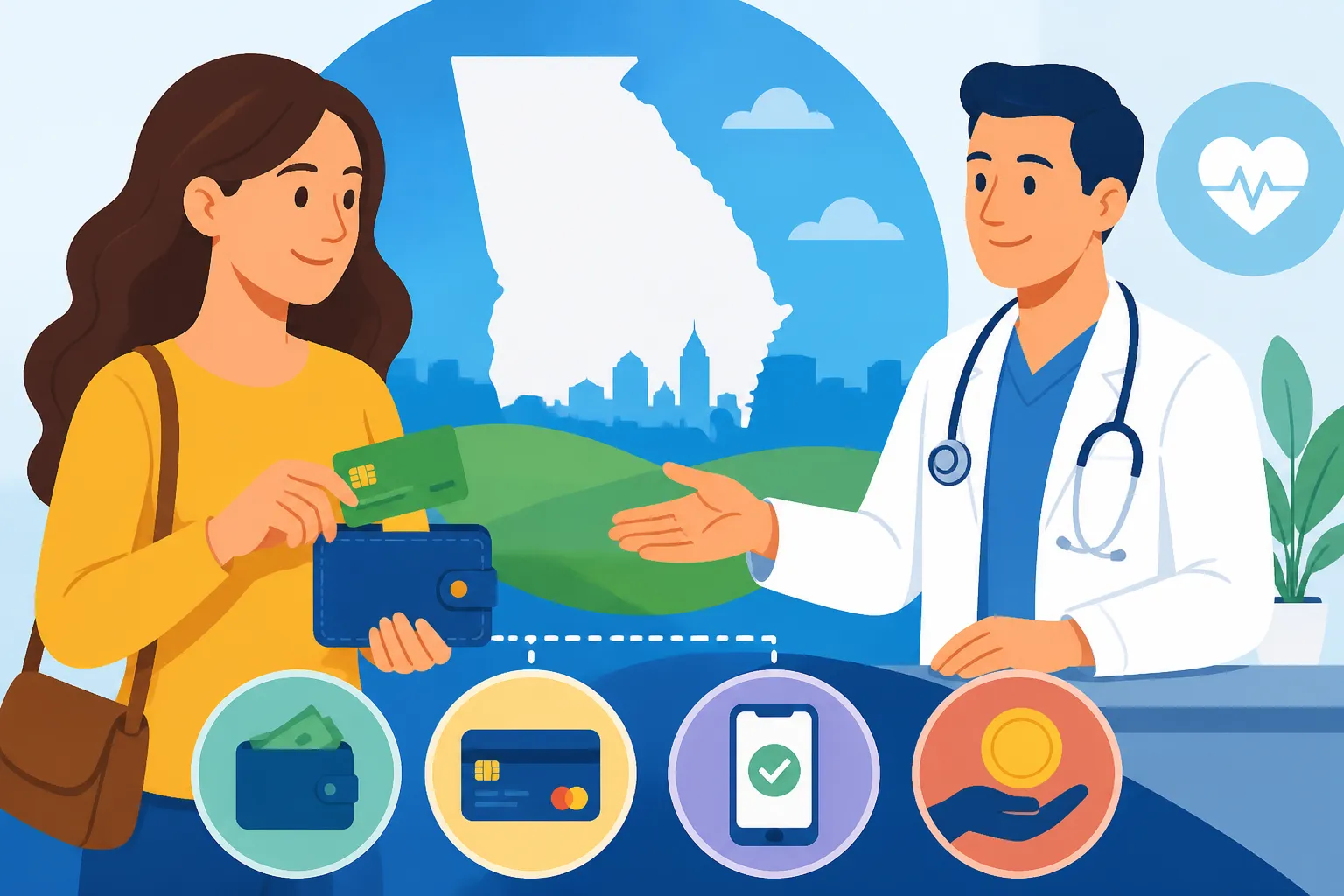
Most modern private clinics and hospitals in Georgia are fully equipped to accept card payments. You'll find POS terminals for Visa and Mastercard readily available, which is a huge relief for many of us who prefer cashless transactions. This means for your routine check-ups, specialist consultations, or even minor procedures, whipping out your debit or credit card is usually the most convenient option. Many international cards work without a hitch, though it's always wise to let your bank know you're travelling to avoid any unexpected freezes.
However, it's a completely different ball game sometimes. While the larger, more established healthcare facilities generally embrace card payments, you might encounter a few situations where cash is king. Smaller, independent clinics, older practitioners, or even some pharmacies, especially outside the main city centres, might prefer or even exclusively accept cash. A small pharmacy late at night, for instance, may only take cash when you need a quick over-the-counter medicine, and an ATM may not be close by. Therefore, it's a golden rule to always carry some Georgian Lari (GEL) with you, even if it's just enough for a taxi and a small unexpected medical expense. You never want to be caught in a bind, struggling to find an ATM when you’re not feeling well.
Transparent Pricing and Upfront Costs
One refreshing aspect of many private clinics in Georgia is their fairly transparent pricing. Often, you'll find price lists displayed at reception, or they'll be readily provided upon request. This allows you to understand the cost of a consultation or basic procedure before you even see the doctor, which can alleviate a lot of anxiety. Don't be shy about asking for an estimate for any tests or treatments suggested.
For example, a standard general practitioner visit might range from 50 to 100 GEL, while a specialist consultation could be anywhere from 70 to 150 GEL, depending on the clinic and the doctor's reputation. Lab tests and imaging also have set prices. This isn't like some countries where you get a bill weeks later, shrouded in mystery. Here, you pay upfront or immediately after the service. This clarity is a real blessing, especially when you're trying to budget your expenses as an expat. You can read more about what to expect regarding How Much Does a Doctor Visit Cost in Georgia?.
Paying with Private Health Insurance
For many expats, private health insurance is the primary way they manage healthcare costs in Georgia. It offers peace of mind and, depending on your policy, can significantly reduce your out-of-pocket expenses. But understanding how to use it effectively is crucial.
Direct Billing vs. Reimbursement
This is arguably the most important distinction when it comes to using private health insurance in Georgia.
- Direct Billing: This is the dream scenario. With direct billing, your insurance company pays the clinic or hospital directly for the services you receive. You usually just present your insurance card, sign a form, and walk out without touching your wallet. Many larger private hospitals and clinics, especially those catering to international patients, have direct billing agreements with major international insurance providers. However, it's absolutely vital to confirm this before your appointment. Don't assume. Call your insurance provider or the clinic beforehand to check if direct billing is an option for your specific policy and the services you need. For instance, if you're considering an international plan from providers like SafetyWing, always check their network of direct billing partners in Georgia.
- Reimbursement: This is far more common, especially for routine doctor visits and smaller clinics. With a reimbursement model, you pay for the service upfront out of your own pocket. After your appointment, you'll need to submit a claim to your insurance company. This usually involves filling out a form, attaching the original invoice from the clinic (make sure it has a proper breakdown of services and the clinic's details), and sometimes a medical report from the doctor. The insurance company then reviews your claim and, if approved, reimburses you for the covered amount. This process can sometimes feel like jumping through hoops, especially when you're new to it, but it's a standard practice. Ensure you get a detailed invoice, often called a "receipt" or "invoice for insurance," from the clinic. This document is your golden ticket for reimbursement.
Many expats choose to buy private health insurance after moving to Georgia to cover these costs. If you're looking into options, you might find useful information on How to Buy Private Health Insurance After Moving to Georgia.
Understanding Your Policy: Deductibles, Co-pays, and Coverage Limits
Before you even step foot in a clinic, it's paramount to thoroughly understand your private health insurance policy. Ignoring the fine print can lead to nasty surprises when the bill arrives.
- Deductibles: This is the amount you have to pay out of your own pocket before your insurance coverage kicks in. For example, if you have a 200 GEL deductible, you'll pay the first 200 GEL of your medical expenses each year (or per incident, depending on the policy) before your insurance starts contributing.
- Co-pays (or Co-insurance): This is a fixed amount or a percentage of the cost you pay for a covered service after you've met your deductible. For instance, your policy might state a 20% co-pay for specialist visits. If a specialist visit costs 100 GEL and your deductible is met, you'd pay 20 GEL, and your insurance would cover the remaining 80 GEL.
- Coverage Limits: Policies have limits on how much they'll pay for certain services within a year or over the lifetime of the policy. Be aware of these, especially for things like dental work, physiotherapy, or mental health services, which often have separate, lower limits.
Always keep your insurance card handy and have your policy number readily accessible. When you're making an appointment, it's a good idea to mention you have private insurance and ask if they have specific procedures for insured patients. Some international insurance providers, such as SafetyWing, cater specifically to digital nomads and expats, offering flexible plans. However, even with such providers, understanding your specific plan's details is paramount. Do you know Do I Need Private Health Insurance in Georgia?? The answer often depends on your individual circumstances and risk tolerance.
Navigating Uninsured Payments and Emergency Costs
What if you don't have private health insurance? Or what if your insurance doesn't cover a specific treatment? It's a common scenario, and thankfully, Georgia's healthcare system is generally quite affordable, even for those paying out-of-pocket.
Paying Without Insurance
If you're paying without insurance, the process is straightforward: you pay the clinic directly for the services rendered. As mentioned earlier, most private clinics have transparent pricing, so you should be able to get an estimate upfront. Payment is usually expected at the time of service, either by card or cash.
For many minor ailments, general practitioner visits, or even basic specialist consultations, paying out-of-pocket in Georgia can be surprisingly manageable compared to Western countries. This is one of the reasons why Georgia has become an attractive destination for expats and digital nomads. You can usually find a good English-speaking doctor in Tbilisi who will provide quality care at a reasonable price. However, for more complex procedures, chronic conditions, or long-term care, the costs can quickly add up, making private insurance a very sensible investment.
Emergency Medical Care and Billing
In Georgia, emergency medical care is provided to anyone who needs it, regardless of their ability to pay upfront. If you experience a sudden illness or accident and need an ambulance or emergency room visit, you will receive care first and worry about the bill later. The emergency number in Georgia is 112.
After stabilization, you will be billed for the services received. If you have insurance, this is where your policy will come into play, potentially covering a significant portion of the costs, minus any deductibles or co-pays. If you are uninsured, you will be responsible for the full cost. Emergency room visits and hospital stays can be considerably more expensive than a routine doctor’s appointment, so while initial care is guaranteed, the financial implications can be substantial without insurance.
For serious emergencies, many expats choose to go to reputable private hospitals in Tbilisi known for their international standards, like Evex Hospitals or MediClub Georgia. They offer excellent care but their prices are higher. It’s a good idea to understand Emergency Medical Care in Georgia: What Every Expat Needs to Know before you find yourself in a crisis.
Tips for Managing Healthcare Expenses and What to Expect
Staying on top of your healthcare costs in a foreign country requires a bit of foresight and organization. Here are some actionable tips to help you manage your medical bills in Georgia.
Always Ask for a Detailed Invoice
No matter how you're paying, always, always ask for a detailed invoice or receipt. This isn't just for insurance reimbursement; it's also for your records. The invoice should clearly state:
- The name and address of the clinic/hospital
- The date of service
- A clear breakdown of the services provided (e.g., "GP Consultation," "Blood Test – Complete Blood Count," "X-ray Chest")
- The cost of each service
- The total amount paid
- The clinic's official stamp or signature (this is very important for insurance claims)
Without this, you might struggle to get reimbursed by your insurance, or even to understand what you paid for if questions arise later.
Budgeting for Unexpected Medical Costs
Even with insurance, you might face out-of-pocket expenses due to deductibles, co-pays, or services not fully covered. If you're travelling or living long-term, consider a flexible insurance plan like SafetyWing, but also set aside a small emergency fund specifically for medical needs. This could cover a minor injury, an unexpected prescription, or even transport to a better-equipped hospital if needed.
Georgia's overall cost of living is often cited as affordable, and this extends to many aspects of its healthcare. However, major surgeries, long-term treatments, or chronic illness management can still incur significant costs. Therefore, a proactive approach to budgeting and understanding potential financial liabilities is key.
| Payment Method | Typical Scenario | Pros | Cons |
|---|---|---|---|
| Cash (GEL) | Small clinics, pharmacies, older practitioners | Widely accepted, quick | Requires carrying local currency, no digital record |
| Bank Card (Visa/MC) | Most private clinics, hospitals, modern pharmacies | Convenient, digital record, secure | Some smaller places may not accept, potential foreign transaction fees |
| Private Insurance (Direct Billing) | Larger private hospitals with agreements | No upfront payment, less hassle | Limited to specific providers/clinics, requires pre-authorization |
| Private Insurance (Reimbursement) | Most private clinics, specialist visits | Broad coverage options | Requires upfront payment, paperwork for claims, waiting for reimbursement |
| Out-of-Pocket | Uninsured individuals, non-covered services | Clear pricing, affordable for minor issues | Can be costly for major illnesses/emergencies, no safety net |
Public vs. Private Healthcare: A Cost Perspective
It's also worth noting the difference in payment approaches between public and private healthcare facilities. While Georgia has a Universal Healthcare Program (UHC), it primarily benefits Georgian citizens and permanent residents, with coverage for foreigners often being limited or non-existent without specific registration. For most expats, private clinics and hospitals are the default.
Public hospitals, while less expensive, might have longer wait times, language barriers, and facilities that don't always meet international expectations. Private clinics, on the other hand, offer quicker appointments, English-speaking staff, and modern equipment, but at a higher price point. Choosing where to go will depend on the urgency of your condition, your budget, and whether you have private insurance to mitigate costs. Understanding the distinction is vital for Public vs Private Healthcare in Georgia: What Expats Need to Know.
Ultimately, paying for a doctor's visit in Georgia can be a smooth process if you’re informed. Always ask questions, keep your documents organized, and understand the specifics of your insurance policy, if you have one. Being prepared will make a world of difference when it comes to your health and your wallet in this wonderful country.
Disclaimer
The information provided in this guide is for general informational purposes only and does not constitute medical, financial, or legal advice. Healthcare policies, prices, and regulations in Georgia can change. Always consult with a qualified professional or the relevant authorities for the most current and accurate information pertaining to your specific situation.