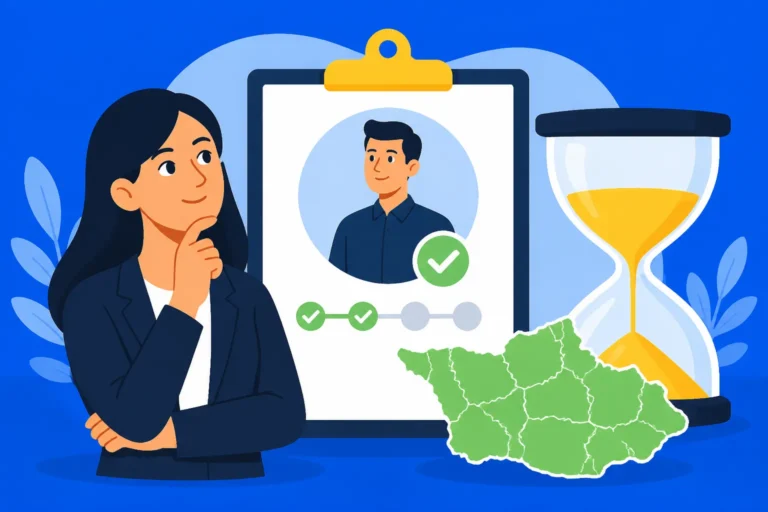
Can I Start a Job Once My Residence Permit Is Approved in Georgia?
Oh, the age-old question that keeps so many of us expats tossing and turning! You've gone through the gauntlet, gathered the documents, waited anxiously, and finally, that glorious notification arrives: your Georgian residence permit is approved. You're probably bursting with relief, but then a new wave of questions hits you – can I actually start work now? Or is there another hoop to jump through? This guide is here to untangle that very specific knot, walking you through the critical window between permit approval and your official first day on the job here in Georgia.
The Green Light: Understanding Your Georgian Residence Permit and Work Rights
Let's cut right to the chase: yes, you can absolutely start a job once your residence permit is officially approved in Georgia, provided that permit allows you to work. This is a crucial distinction. Your residence permit isn't just a fancy ID card; it's your legal permission to reside in the country for a specific purpose, and for many of us, that purpose is employment or running a business.
Think of it this way: until that permit is approved, you're either a tourist on a visa-free stay or in a state of administrative limbo. While you might have a job offer, legally you cannot commence employment (and your employer cannot legally pay you a salary) until your right to reside and work is confirmed by the Georgian state. Once that approval comes through from the Public Service Development Agency, it's the official green light. This is why many job offers in Georgia are made "conditional on obtaining a valid residence permit."
However, "approved" often means you've received the SMS or email notification. The real green light for practical purposes comes when you have the physical permit card in your hand. This card is your proof of legal residency and, importantly, your right to engage in economic activity.
Different types of residence permits grant different rights. If you’ve applied for a "work residence permit" (often called an employment permit), then the clue is in the name – this specifically grants you the right to work for a Georgian entity. Similarly, if you've registered as an How to Register as an Individual Entrepreneur in Georgia (IE) and obtained a short-term residence permit based on your business activities, that permit implicitly allows you to conduct your freelance or small business work. Even an investment residence permit, while primarily for investors, generally comes with the right to conduct business activities within Georgia. The key takeaway is that once your specific permit, which is tied to your work or business, gets the thumbs up, you are legally clear to earn an income here.
Getting Started: Practical Steps After Your Permit Approval
So, you've got the approval notification. Fantastic! But before you high-five your new boss and dive headfirst into your new role, there are a few practical steps you absolutely need to take. Skipping these can lead to headaches down the line, both for you and your employer.
Collecting Your Physical Residence Permit Card
The approval notification is just the first step. You still need to collect your actual plastic residence permit card. This usually happens at the nearest Public Service Hall, and often, it's the same branch where you submitted your initial application. My advice? Don't dawdle. Book an appointment online if possible, or prepare for a wait. The Public Service Hall can be bustling, especially in major cities like Tbilisi or Batumi. This card is your official proof, and it's what your employer will need for their records, and what you’ll need for everything else, from opening bank accounts to registering for utilities. Treat it like gold; losing it is another administrative hurdle you definitely don't want to face.
Informing Your Employer and Finalizing Paperwork
Once that card is in your hand, immediately inform your employer. They've likely been waiting for this news too. Provide them with a copy of your new residence permit. This is their cue to finalize your employment contract, if they haven't already, and officially register you with the necessary state bodies. Expect to sign a formal labour contract that details your position, salary, working hours, and Understanding Annual Leave and Public Holiday Entitlements in Georgia. Make sure you understand every clause – don't be shy about asking for clarification or a Georgian-English version if available. This contract is your legal safeguard in Georgia's employment landscape.
Registering with the Revenue Service and Obtaining a TIN
If you haven't already, registering with the Revenue Service of Georgia and obtaining a Taxpayer Identification Number (TIN) is paramount. For many, this might have been part of the residence permit application process, but if not, do it now. Your TIN is essential for all financial transactions in Georgia, including receiving your salary and, of course, paying taxes.
This is where things can get a bit complex for some expats, especially if you're navigating the nuances of Georgia's territorial tax system. While your employer will handle most of your payroll tax deductions (Georgia has a flat 20% personal income tax, as detailed in Understanding Income Tax and the Flat 20% Rate in Georgia (2026)), it’s still your responsibility to ensure you’re correctly registered. For those with international income streams or who are new to Georgia's tax rules, a service like Taxes for Expats can be incredibly helpful in making sure you're compliant and understand your obligations, especially regarding what income is taxable in Georgia versus what isn't. Get your TIN sorted, either through the Public Service Hall or directly with the Revenue Service; it's fundamental.
Opening a Local Bank Account
If you haven't managed to open a bank account yet (and sometimes it's tough without proof of residency), your shiny new residence permit makes this process significantly smoother. You'll need a local bank account to receive your salary, pay bills, and generally conduct your financial life in Georgia. Major banks like TBC Bank and Bank of Georgia are popular choices for expats. Check out The Expat Guide to Opening a Bank Account in Georgia for more detailed guidance on this. Having a local account streamlines so much, from getting paid to paying for your groceries and utilities.
Navigating the Nuances: What to Watch Out For
While the process sounds linear, Georgia's administrative landscape can sometimes throw a curveball or two. Being prepared for these nuances can save you a lot of stress.
The Employer's Perspective: Conditional Offers and Start Dates
As mentioned, most legitimate employers in Georgia will offer you a position conditional on you obtaining the necessary legal status to work. This means they cannot legally onboard you or pay you until your residence permit is approved and, ideally, you have the physical card. So, if you’re still waiting for approval, don’t press your employer to start early – it puts them in a tricky legal position. Once you have your permit, the ball is in their court to proceed with your official start date. Some employers might want you to start immediately, while others might have a standard onboarding process that takes a few more days or a week. Clear communication with your HR department is always the best policy.
The Dreaded Delays: Impact on Your Plans
We've all been there: eagerly awaiting a document, only for it to take longer than expected. Residence permit processing times in Georgia can sometimes stretch due beyond the official timelines, depending on the season, the volume of applications, and sometimes, seemingly, the alignment of the stars. While this is frustrating, it's crucial not to start working before you have that permit. Doing so could jeopardize your application, your employer's legal standing, and even your future immigration status. If delays occur, keep your employer informed. Most Georgian employers who frequently hire foreigners are understanding of these bureaucratic realities.
Freelancers and Individual Entrepreneurs: Your Own "Start Date"
For those who are self-employed or freelancers, your "start date" is less about reporting to a physical office and more about when you can legally commence billing clients from Georgia. Your residence permit, especially one based on your Individual Entrepreneur status, is your clearance to operate your business legally. Before this, you might be setting up, networking, or planning, but once the permit is in hand, you can officially register your business activities with the Revenue Service, issue invoices, and receive payments through your Georgian bank account. This distinction is critical for understanding your tax obligations as well.
Overcoming the Language Barrier
Living and working in Georgia, especially outside of central Tbilisi, often means encountering Georgian as the primary language. While many in the business sector, particularly in international companies or the tech industry, speak English, navigating daily life, local bureaucracy, or even some workplace interactions can be challenging without a basic grasp of Georgian. This is a common point of frustration for many expats. Investing a little time in learning the local language can significantly smooth your integration into both your workplace and broader Georgian society. Platforms like iTalki can connect you with Georgian tutors online, making it super convenient to pick up some crucial phrases and immerse yourself a little before or after work. Even a few words go a long way in showing respect and making connections.
Beyond the Permit: Settling Into Your Georgian Professional Life
Getting your residence permit approved and starting your job is a huge milestone, but it's just the beginning of your professional journey in Georgia. There’s a whole new world of workplace culture, legalities, and integration waiting for you.
Understanding Georgian Labour Law
It's absolutely vital to familiarize yourself with Understanding Georgian Labour Law and Worker Rights (2027). This will cover everything from your working hours and overtime rules to sick leave entitlements and termination procedures. Don't assume Georgian labour laws are the same as in your home country. For example, Understanding the Probationary Period for New Jobs in Georgia might differ, and knowing your rights from the outset is empowering. Your employer should provide you with a comprehensive contract, but educating yourself independently is always a good idea.
Healthcare Access and Integration
Don't forget about your health! Once you're a legal resident and working, you’ll want to sort out your healthcare. While Georgia has a Universal Healthcare Program, many expats opt for private health insurance for broader coverage and access to English-speaking doctors. Your employer might even offer a health insurance plan as part of your benefits package. For comprehensive information, take a look at How Expats Access Healthcare in Georgia: The Complete Guide (2027). Knowing you have medical support is a huge weight off your mind.
Professional and Social Networking
Once you're settled into your job, start thinking about how to build your professional network. Georgia's business community, especially in Tbilisi, is quite dynamic. Attend industry events, join expat professional groups, and use platforms like LinkedIn. Networking isn't just about finding your next job; it's about building connections, understanding the local market, and finding mentors or collaborators. This will also help you adapt to How to Adapt Your CV for the Georgian Job Market should you ever consider a change.
Long-Term Planning: Permit Renewals
Remember, most initial residence permits are granted for a specific period, often one year. Don't wait until the last minute to think about renewal! Keep track of your permit's expiration date and familiarize yourself with How to Renew Your Residence Permit in Georgia. The renewal process often requires similar documentation to your initial application, so keeping your affairs in order throughout the year will make it much smoother. Staying on top of renewals ensures your continuous legal right to live and work in Georgia.
Here’s a quick overview of the essential steps post-approval:
| Step | Description | Key Document/Action | Estimated Timeline (post-approval) |
|---|---|---|---|
| 1. Collect Permit Card | Obtain the physical plastic residence permit card from Public Service Hall. | Physical Residence Permit Card | 1-10 business days |
| 2. Inform Employer | Provide your employer with a copy of your new permit. | Copy of Residence Permit Card | Immediately |
| 3. Finalize Employment Contract | Sign the official labour contract with your employer. | Signed Labour Contract | Varies by employer |
| 4. Tax Registration (TIN) | Ensure you are registered with the Revenue Service & have a TIN. | Taxpayer Identification Number (TIN) | Already done/1-2 business days |
| 5. Open Bank Account | Set up a local bank account to receive salary. | Residence Permit Card, Passport, (sometimes) employment contract | 1-3 business days |
| 6. Understand Labour Law | Familiarize yourself with Georgian employment rights and obligations. | Review Georgian Labour Code (often provided by HR) | Ongoing |
| 7. Consider Health Insurance | Arrange for private health insurance if not covered by employer. | Research and apply for private insurance | Varies |
Getting your residence permit approved in Georgia is a moment of triumph, signaling that your life here is truly taking root. While the immediate answer to "Can I start a job?" is a resounding "Yes!" (assuming it's a work-eligible permit), remember that administrative clarity paves the way for a smooth professional journey. Take these practical steps, stay informed, and you'll be well on your way to a fulfilling career as an expat in Georgia.
Disclaimer
The information provided in this article is for general guidance and informational purposes only, and does not constitute legal, financial, or immigration advice. While we strive to keep the information up-to-date and correct, laws and procedures in Georgia can change rapidly. Always consult with qualified legal professionals, tax advisors, or the official Public Service Development Agency or Revenue Service of Georgia for advice tailored to your specific situation. Reliance on any information in this article is solely at your own risk.