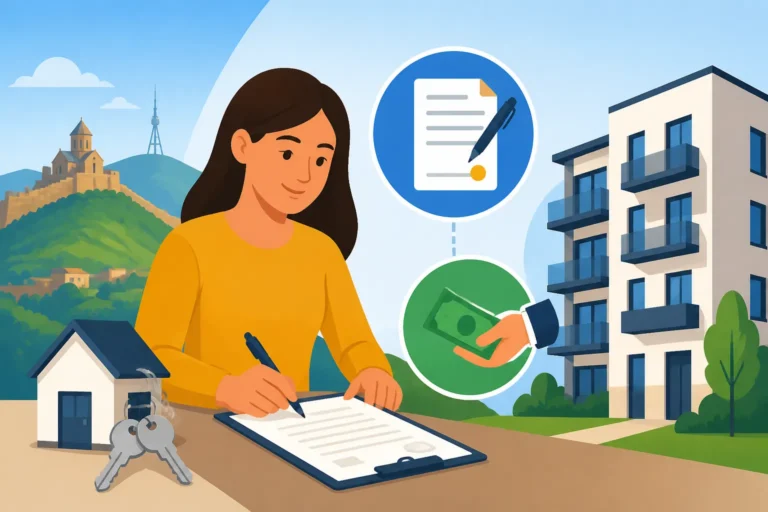
Can I Negotiate Rent with a Landlord in Georgia?
Moving to Georgia, especially into a new apartment, can feel like navigating a maze blindfolded. One of the most common questions I get from fellow expats is, "Can I actually negotiate rent with a landlord in Georgia?" It’s a perfectly valid question, especially if you're coming from a culture where rent prices are often set in stone, or from a market where haggling is the norm. The truth is, while it's not always a dramatic back-and-forth, there are indeed opportunities to negotiate your rent here, and understanding the local nuances can save you a significant amount of money and stress. This guide will walk you through the reality of rent negotiation in Georgia, offering practical advice and setting realistic expectations.
The Reality of Rent Negotiation in Georgia
Let's be honest, the idea of walking into an apartment viewing and immediately trying to knock down the price can feel a bit daunting, especially when you're already grappling with a new language and a different way of doing things. But don't despair! While it's not quite like bargaining for a souvenir at a local market, there's definitely a grey area when it comes to rental prices in Georgia.
Is Negotiation Expected?
In Georgia, particularly in bigger cities like Tbilisi and Batumi, negotiation on rental prices isn't necessarily expected in the same way it might be in some other cultures, but it’s certainly not frowned upon. Think of it more as a possibility, an open door that some landlords will walk through and others might not. Landlords are often open to discussion, especially if they perceive you as a reliable, long-term tenant. The rental market can be quite fluid, and owners want to fill their properties with good tenants quickly and efficiently. If a property has been sitting vacant for a while, or if you're looking during a slower season, you'll find much more wiggle room. They’re running a business, after all, and an occupied apartment with a slightly lower rent is better than an empty one. So, while you shouldn’t go in demanding a lower price, a polite inquiry or a well-reasoned offer can often yield positive results.
When to Negotiate and When Not To
Knowing when to try to negotiate is almost as important as how. The Georgian rental market has its ebb and flow, just like anywhere else. During peak seasons, typically late summer and early autumn when students arrive and new expats are moving, demand is higher. This means landlords feel less pressure to drop prices. Properties move fast, and if you're not willing to pay the asking price, someone else likely will be right behind you. Conversely, if you're hunting for a place during the colder, quieter months, say, late winter or early spring, you might find landlords more amenable to negotiation. Fewer people are looking, so they might be eager to secure a tenant.
Consider the property type too. Brand-new, highly sought-after apartments in prime locations, especially those listed by professional agencies or with luxury amenities, will have less flexibility. The owners know they’ll get their price. On the other hand, older apartments, properties that need a little TLC, or those in less central but still desirable neighborhoods, often have more room for a price adjustment. If you’re willing to compromise a bit on location or modern finishes, your negotiation power increases significantly. Also, if you're looking for an unfurnished place, which can be harder to find, landlords might be more flexible on the price if it means securing a tenant for a longer term, especially if you've brought some of your own belongings with a reliable moving service like Sirelo.
Key Factors Influencing Negotiation Success
So, you've decided to give negotiation a shot. Fantastic! But before you dive in, let's talk about what actually gives you leverage here in Georgia. It’s not just about asking; it’s about presenting a compelling case for why you, as a tenant, deserve a better deal.
Understanding the Market
This is your secret weapon. Before you even step foot into a potential apartment, do your homework. What are similar apartments in the same area going for? Look at different platforms – not just the English-language ones, but also local Georgian sites (even if you need a translation app). This will give you a realistic baseline. If the apartment you're eyeing is significantly above market rate for its size, condition, and location, you have a strong argument. Conversely, if it's already priced competitively, your wiggle room will be smaller.
Also, consider the location itself. Rent in central Tbilisi neighborhoods like Vake, Saburtalo, or Vera is naturally higher than in districts further out. The same applies to Batumi's bustling beachfront areas versus quieter residential spots. Knowing the typical rental costs, such as how much it costs to rent an apartment in Tbilisi in 2026, will empower you. Pay attention to how long a specific listing has been up. If it’s been advertised for weeks or even months, the landlord is likely getting desperate and will be more open to lowering the price.
Property Condition and Features
Take a really close look at the apartment. Is it sparkling new with all the latest appliances, or does it show signs of wear and tear? Are there minor repairs needed, like a leaky faucet or a flickering light? These small imperfections, if not deal-breakers for you, can become talking points in a negotiation. You could suggest a slightly lower rent in exchange for you taking on minor repairs or living with a few cosmetic issues.
Consider the amenities. Does it have central heating, air conditioning, a balcony, or a dedicated parking spot? Are utilities included or separate? If some desirable features are missing, or if existing ones are older, you might be able to argue for a reduction. For example, if the apartment has an older heating system that you know will be costly to run in winter, that's a point to bring up. If you're looking at furnished vs unfurnished rentals in Georgia, remember that unfurnished often comes with a lower base rent, but you then have the upfront cost of furnishing it yourself.
Your Profile as a Tenant
Landlords, anywhere in the world, value reliable tenants. In Georgia, this is no different. You might not have a long local rental history, but you can still present yourself as an ideal tenant. Highlight these aspects:
- Stability: Are you planning to stay for a longer period, perhaps a year or more? A longer lease means less hassle for the landlord, reducing their vacancy risk and the costs associated with finding new tenants. This is a huge selling point.
- Financial Reliability: Can you show proof of stable income? Are you willing to pay a few months' rent upfront? While not always necessary, offering a larger upfront payment (beyond the standard first month and deposit) can be a strong incentive for a landlord to accept a slightly lower monthly rate.
- Responsibility: Emphasize that you’re tidy, respectful of property, and considerate of neighbours. While these are hard to prove upfront, your demeanour and communication style during viewings can convey this.
- Quick Decision-Making: If you love the place and are ready to commit quickly, mention that. Landlords appreciate efficiency and not having to drag out the process.
The more you can demonstrate that you are a low-risk, high-value tenant, the more leverage you'll have in securing a better deal.
Practical Strategies for Rent Negotiation
Alright, you've done your homework and assessed your position. Now, let’s get down to the nitty-gritty of how to actually approach the negotiation in Georgia. It's less about a bare-knuckle fight and more about a polite, well-informed discussion.
Doing Your Homework
I can't stress this enough: knowledge is power. Beyond just knowing how much does it cost to rent an apartment in Tbilisi in 2026, delve into specific neighbourhoods. Are there empty apartments nearby that have been listed for a while? What features do those have compared to yours? Use online listings, ask in expat groups, or even chat with local real estate agents. A reliable real estate agent in Georgia can be an invaluable asset in this process, as they have a finger on the pulse of the market and can advise you on realistic negotiation margins.
If you find comparable properties that are cheaper or offer more for the same price, discreetly mention this to the landlord or agent. For example, you could say, "I really love your apartment, but I've noticed a similar place down the street for [X amount] with [Y feature]. Would there be any flexibility on the price for a long-term tenant?" This isn't confrontational; it's simply presenting market data.
Crafting Your Offer
Don't just throw out a lowball number. Instead, present a reasonable, well-thought-out offer that shows you've considered the landlord's position too.
Here are a few ways you can frame your offer:
- The Direct Price Drop: "I'm very interested in the apartment. Would you be open to accepting [X amount, usually 5-10% below asking] if I sign a 12-month lease and pay promptly?"
- Longer Lease Term: If they're asking for 6 months, offer to sign for 12 or even 18 months in exchange for a slight discount. A landlord almost always prefers a longer, stable tenancy.
- Upfront Payment: Offer to pay two or three months' rent in advance (in addition to the deposit). This significantly reduces their risk and can make them more willing to concede on the monthly rate. This can be especially compelling for landlords who might be wary of new foreign tenants.
- Combined Offers: Perhaps a slightly lower rent and an extra month's deposit, or a longer lease and upfront payment.
Always make sure your offer is clear and specific. If they agree to anything, ensure it's recorded when you sign a rental contract in Georgia.
The Art of Communication
This is where your empathy and cross-cultural understanding come into play. In Georgia, personal relationships and respectful communication are highly valued.
- Be Polite and Respectful: Always maintain a friendly and appreciative tone. Start by complimenting the apartment. "This is a lovely apartment, and I can see myself living here."
- Be Patient: Don't rush the landlord or expect an immediate answer. They might need to think about it or discuss it with a family member.
- Speak Clearly (or Use a Translator): If there’s a language barrier, use a reliable translation app or, even better, bring a Georgian-speaking friend or agent with you. Misunderstandings can easily derail negotiations.
- Explain Your Rationale (Briefly): Instead of just saying "I want it cheaper," you could say, "Given the lack of a washing machine, or the fact that it's a bit further from the metro than I'd hoped, would there be any flexibility on the monthly rent?" This provides a gentle justification.
- Be Prepared for "No": It’s entirely possible they'll say no, or offer a smaller discount than you hoped. Don’t take it personally. Politely thank them for their time and move on.
Knowing Your Walk-Away Point
One of the most powerful tools in any negotiation is being willing to walk away. Before you even start, decide on your absolute maximum budget. What is the highest rent you’re willing to pay for that specific apartment? If the landlord isn't willing to meet your reasonable offer, and you've hit your limit, then it's time to politely decline and continue your search. There are many apartments in Georgia, and something else will come along. Don't let desperation lead you to overpay. Remember, understanding how much the average rent for a one-bedroom in Batumi in 2026 compares to your budget is crucial for this.
Common Pitfalls and How to Avoid Them
Even with the best intentions, navigating a new culture’s negotiation practices can have its stumbling blocks. Avoiding these common mistakes can make your rent-hunting experience much smoother in Georgia.
Misunderstanding Local Customs
One of the biggest traps expats fall into is assuming that negotiation works the same way everywhere. In Georgia, while flexibility exists, overt or aggressive haggling can be perceived negatively. It's not like buying a carpet in a bazaar where intense back-and-forth is the norm. Instead, aim for a polite inquiry, a subtle nudge, or a well-justified counter-offer.
For example, simply stating "I'll give you X GEL" without any preamble or justification might come across as rude or disrespectful of the landlord’s property and time. A better approach is to frame it as a question or a gentle proposal, acknowledging their initial price. "I'm keen on the apartment; would there be a possibility to adjust the price to X GEL given I'm looking for a long-term lease?" is far more effective. Also, be mindful of directness. While Georgians can be very direct, in business and rental situations, politeness and a slightly more indirect approach to sensitive topics like money can often be more successful.
Over-Aggressive Bargaining
This ties into misunderstanding customs. Pushing too hard, making repeated low offers, or showing annoyance if your first offer is rejected will only alienate the landlord. They might just decide you're too much trouble and choose another tenant, even if that tenant is paying the same amount you initially offered. Remember, landlords want a peaceful relationship with their tenants. Starting off on a confrontational foot is a red flag. Aim for a collaborative tone, as if you’re trying to find a solution that works for both of you.
You might also consider using a local intermediary or a reputable real estate agent who is familiar with Georgian negotiation styles. They can smooth over any potential cultural missteps and communicate your interest and offer effectively.
Not Getting It in Writing
This is critical, regardless of where you are renting. Any agreement you make, especially concerning rent price, length of lease, included utilities, or specific repairs, must be included in your rental contract. I cannot stress this enough. A verbal agreement in Georgia, while often made in good faith, can lead to misunderstandings down the line, especially if memories differ or if you’re dealing with different agents or family members of the landlord.
Before you sign anything, meticulously read the entire document. If it's in Georgian, get a certified translation. If your negotiated price isn't explicitly written in the contract, it doesn't exist. Ensure all terms are clear, including how to set up internet in your Georgia home, and details about the deposit and how it will be returned. This also protects you if you ever need to resolve a dispute with your landlord in Georgia.
Alternatives to Direct Price Negotiation
Sometimes, a direct rent reduction just isn't on the cards. The landlord might be firm on their price, or the market might be too hot. But that doesn't mean you can't still get a better deal. Think creatively!
Seeking Concessions
If the monthly rent is non-negotiable, shift your focus to other valuable aspects. What else could the landlord offer to make the deal sweeter?
- Free Utilities for a Month: Could they cover the electricity, water, or gas bill for the first month? This can save you a significant chunk of money upfront, especially as you’re getting settled and learning how to pay your utility bills in Georgia.
- Minor Repairs or Upgrades: Is there a small repair that's been nagging you, like a cracked tile or a broken light fixture? Could they agree to fix it before you move in, or replace an old appliance?
- Additional Furniture or Appliances: If the apartment is partially furnished, could they provide a missing item, like a microwave, a new desk, or even better quality curtains? Understanding furnished vs unfurnished rentals in Georgia and what you need is key here.
- Earlier Move-in Date at No Extra Cost: If the apartment is vacant, perhaps they could let you move in a few days or a week early without charging extra rent. This can be a huge help, especially if you're coordinating with moving services like Sirelo or dealing with temporary accommodation.
- Installation of Internet/TV: Could they cover the cost of the initial installation or activation fees for your internet connection? This might seem small, but those setup fees can add up.
These small concessions can add up to real savings and improve your living experience, often costing the landlord less than a permanent reduction in monthly rent.
Longer Lease Agreements
As mentioned earlier, landlords love stability. A tenant who commits to a longer lease term (e.g., 12 months instead of 6, or 18 months instead of 12) is inherently more attractive. It reduces their turnover costs, the hassle of finding new tenants, and the risk of vacancy.
You can leverage this by explicitly offering a longer lease term in exchange for a slight monthly discount. For instance, "I am willing to sign a 12-month lease if you can offer the apartment for X GEL per month." This is a win-win: you get a better price, and they get peace of mind. Just ensure you’re truly comfortable with the longer commitment. Check out articles like How Do I Sign a Rental Contract in Georgia? to ensure you know all the legal aspects.
Offering Upfront Payments
This is another powerful tool, especially if you have the cash flow. Beyond the standard first month's rent and security deposit, offering to pay two, three, or even six months' rent in advance can make a landlord very amenable to negotiation. It demonstrates your financial stability and commitment, and gives them immediate access to a lump sum.
However, proceed with caution here. Only do this if you are absolutely confident in the landlord's trustworthiness and the stability of your rental agreement. This is also why having everything clearly stated in a written contract is paramount. Make sure the contract specifies exactly what the upfront payment covers (e.g., "X GEL covers the first 3 months' rent from [Date] to [Date]"). While a general how much deposit do I need to rent in Georgia? is usually one month, offering more can be a game-changer.
Summary of Negotiation Tactics
Here's a quick look at the tactics you can employ, and when they might be most effective:
| Negotiation Tactic | When to Use It | Potential Benefits | Considerations |
|---|---|---|---|
| Direct Price Reduction | Slow market, long-vacant property, minor flaws | Lower recurring monthly expense | Landlord may refuse; requires strong justification |
| Longer Lease Term | Always a good option, especially in competitive market | Landlord gets stability, you get lower rent | You are committing for longer; ensure you like the place |
| Upfront Payment | Landlord hesitant about foreign tenants, competitive market | Strong incentive for landlord, may secure a better price | Requires significant cash; only with trusted landlords/contracts |
| Seeking Concessions | When rent price is firm | Improved living conditions, immediate savings | Concessions may be minor, not recurring |
| Highlight Tenant Profile | Always, regardless of market conditions | Builds trust, increases overall attractiveness | Requires preparation to present yourself well |
Remember, the goal isn't to trick anyone, but to find a mutually beneficial agreement. With a bit of research, a polite approach, and a clear understanding of what you want, you absolutely can negotiate rent with a landlord in Georgia. And when you're all settled in, don't forget to grab a local SIM or e-SIM from a service like Airalo to stay connected and share your own expat tales!
Disclaimer
The information provided in this guide is for general informational purposes only and does not constitute legal or financial advice. While we strive to offer accurate and up-to-date information, local laws, market conditions, and individual circumstances can vary. Always consult with a qualified professional or legal expert for advice tailored to your specific situation when dealing with rental contracts or financial matters in Georgia.