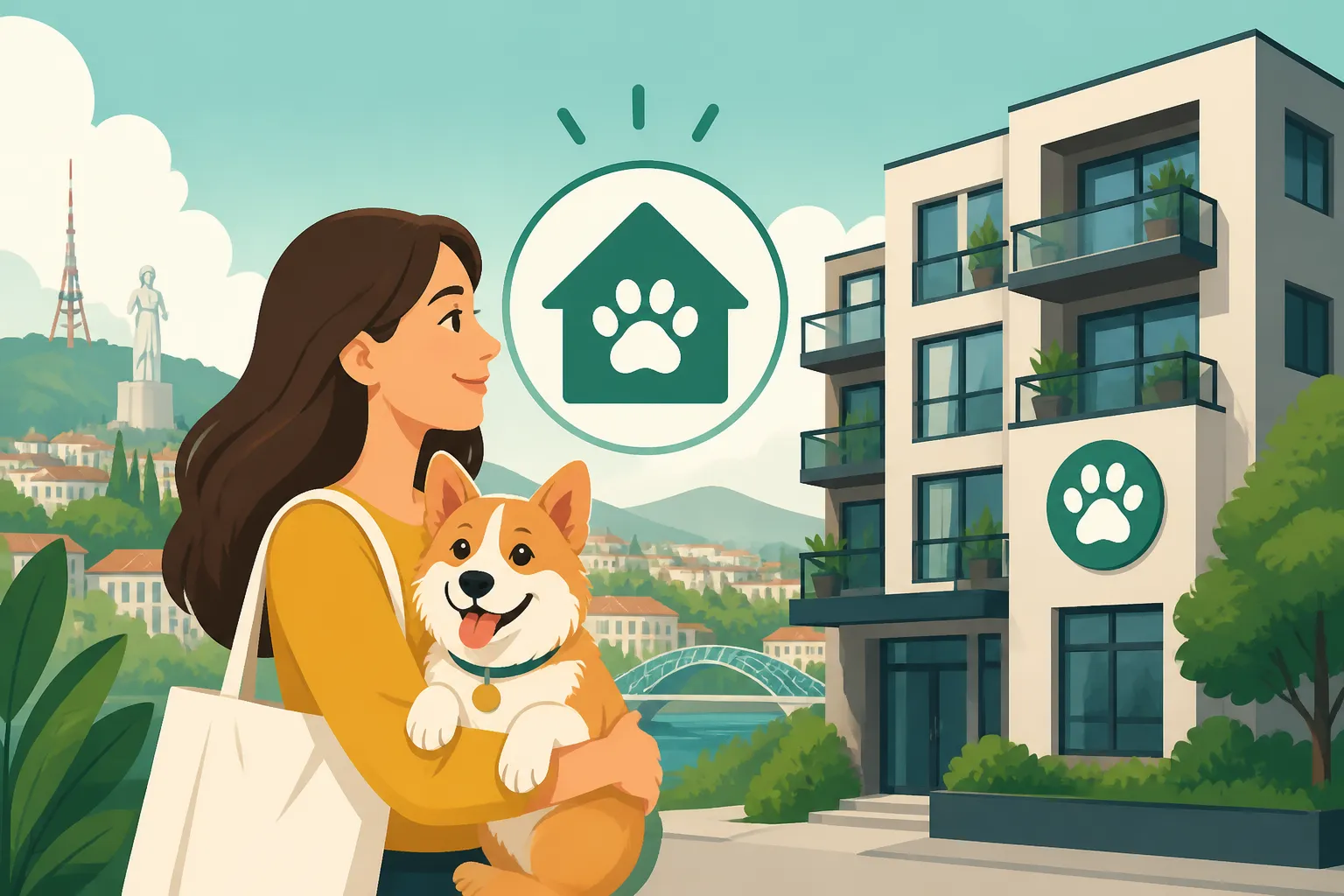
How Do I Find a Pet-Friendly Apartment in Tbilisi?
Ah, the quest for a pet-friendly apartment in Tbilisi! It’s a journey many of us expats have embarked on, often starting with high hopes and quickly dissolving into a frustrating cycle of "no pets allowed" or vague landlord responses. If you’ve arrived in Georgia with your beloved furry companion, or you're planning to, and are already feeling the pinch of limited options, you're not alone. This comprehensive guide will arm you with realistic strategies, help you navigate the unique challenges of the Georgian rental market for pet owners, and hopefully, lead you to a comfortable home for you and your cherished animal.
The Harsh Reality of Pet Ownership and Rentals in Tbilisi
Let's be blunt: finding a genuinely pet-friendly apartment in Tbilisi isn't always easy. It's not like in some Western countries where a "pets welcome" filter on a rental website actually yields a bounty of options. Here, you'll often encounter a much more cautious, if not outright resistant, attitude from landlords. This isn't necessarily due to malice, but rather a mix of cultural norms, practical concerns, and a general lack of standardized pet policies in rental agreements.
Why Pet-Friendly Listings Are So Scarce
One of the biggest hurdles is the cultural perspective. While Georgians generally adore animals, the concept of a larger dog or even a cat living inside an apartment, especially in older buildings, isn't as universally accepted as it might be elsewhere. Many families historically kept pets in yards or had a different understanding of indoor living spaces. This means that a landlord might simply assume you want to keep your pet outside, or that they haven't even considered the possibility of a tenant having an indoor pet.
Then there are the practical aspects. Many buildings in Tbilisi, particularly the older Soviet-era constructions, have thin walls, which can exacerbate noise complaints. Landlords worry about scratched floors, stained carpets (if any!), and general wear and tear that might come from an animal. They see an extra layer of potential complications, and frankly, when there are plenty of human-only tenants eager to rent, why would they choose a scenario that could lead to more headaches? There’s also no robust legal framework specifically protecting tenants with pets, leaving landlords with significant discretion.
This lack of dedicated pet legislation for rentals means that landlords hold a lot of power in deciding who gets to bring their pets into their property. Without clear guidelines, many simply default to a blanket "no pets" policy to avoid any perceived risk or hassle, making your search feel like you're trying to find a needle in a haystack.
Common Landlord Concerns and How to Address Them
When you do find a potential landlord who is willing to even consider a pet, they will likely have a few standard concerns running through their mind. Understanding these concerns is your first step to effectively addressing them and making your case.
The primary worries for landlords revolve around:
- Damage: Scratched floors, chewed furniture, urine stains, or general destruction are high on their list. They've often heard horror stories, or perhaps even experienced them.
- Noise: A barking dog or a constantly meowing cat can disturb neighbours, leading to complaints that the landlord will have to deal with.
- Odour: The smell of pets, especially if not well-maintained, can linger and be difficult to remove, impacting future rentals.
- Cleanliness: Shedding fur, muddy paws, and general mess are also legitimate concerns, particularly in apartments that have been recently renovated or are kept pristine.
Your job is to proactively ease these fears. You need to present yourself as a responsible pet owner, and your pet as a well-behaved, well-groomed, and calm companion. Don't just tell them your pet is "good"; show them. This might involve compiling a "pet resume" (more on that later), offering references from previous landlords, or even bringing your pet for a supervised "meet and greet" if the landlord is open to it. If you're coming from abroad, consider a service like Sirelo to help you relocate your belongings – and your pet – smoothly, ensuring less stress for you and your furry friend upon arrival, which can reflect positively on your ability to manage things. Making your pet’s journey as stress-free as possible shows you're a serious, organized owner.
Be ready to discuss your pet's routine, training, and temperament in detail. If your dog is crate-trained and spends alone time in their crate, explain that. If your cat uses a specific type of litter that minimizes odour, mention it. The more transparent and prepared you are, the more likely you are to build trust and assuage their anxieties.
Your Battle Plan: Strategies for Finding Pet-Friendly Apartments
Finding a pet-friendly apartment in Tbilisi requires a proactive and strategic approach. You can't just passively browse listings and expect suitable options to magically appear. You need to be prepared to put in the legwork, communicate effectively, and sometimes, get a little creative.
The Power of Direct Communication and Negotiation
This is perhaps the single most crucial piece of advice: never hide your pet. It might seem tempting to try and sneak your small dog or quiet cat in, but this will almost certainly backfire. If discovered, you could face immediate eviction, loss of your deposit, and a damaged reputation, making future rentals even harder. Honesty is always the best policy, even if it feels like it narrows your options initially.
When you contact a landlord or agent, make your pet situation clear from the outset. Don't wait until you've fallen in love with a place. Ask directly, "Is this apartment suitable for a tenant with a well-behaved cat/small dog?" This saves everyone time and avoids disappointment.
If a landlord seems hesitant but not an outright "no," this is your cue to negotiate. Consider offering some tangible solutions to their concerns:
- A Higher Security Deposit: This is very common in Georgia and often the most persuasive argument. Offering an extra month's rent as a "pet deposit" on top of the regular security deposit can often sway a hesitant landlord. This shows you're serious about covering any potential damages. Remember to clarify the terms of this deposit in your rental contract.
- Professional Cleaning Clause: Offer to pay for professional deep cleaning of the apartment (carpets, upholstery, etc.) when you move out. This addresses the odour and cleanliness concerns head-on.
- Pet Insurance: While not common in Georgia, if you have international pet insurance that covers third-party liability for property damage, this can be a powerful reassurance.
- References: Provide contact details for previous landlords who can vouch for you and your pet’s good behaviour.
Remember, landlords in Georgia are often open to negotiation, particularly when it comes to rent and deposits. For valuable insights into this process, you might find our guide on how to sign a rental contract and pay a deposit in Georgia helpful, as it covers broader negotiation tactics. Be polite, persistent, and articulate in presenting your case.
Leveraging Online Platforms and Local Networks
While direct communication is key, you still need to find those initial listings.
Online Platforms:
- Myhome.ge: This is the dominant real estate portal in Georgia. Unfortunately, the "pet-friendly" filter is often unreliable or non-existent. Your best bet here is to browse listings that look promising and then call the agent/landlord directly to inquire about their pet policy. Be prepared for many rejections, but keep at it.
- Facebook Groups: Expat groups in Tbilisi are goldmines for information and direct connections. Groups like "Expats in Tbilisi" or "Tbilisi Apartments/Rentals" often have members posting pet-friendly listings, or you can post your own "apartment wanted" ad specifying your needs. People are often willing to help each other out in the expat community.
- Telegram Channels: Similar to Facebook groups, various Telegram channels dedicated to Tbilisi rentals (some even specific to expats) can be useful. Search for "Tbilisi rent" or "apartments Tbilisi" to find them.
Real Estate Agents:
Honestly, this is where many expats find success. While it means paying an agent's fee (typically one month's rent, paid by the tenant), a good, reputable agent can be invaluable.
- Local Knowledge: They know which landlords are generally more lenient about pets, which buildings might have fewer restrictions, and how to navigate the local rental dynamics.
- Direct Access: Agents often have direct relationships with landlords and can advocate for you, presenting your "pet resume" and explaining your responsible ownership.
- Language Barrier: If your Georgian isn't up to par, an English-speaking agent is essential for clear communication with landlords. For finding someone trustworthy, refer to our guide on How to Find a Reliable Real Estate Agent in Georgia.
When relying on online platforms and communicating with agents, having reliable internet access is absolutely crucial. You'll be constantly checking new listings, sending messages, and making calls. Consider an eSIM from a provider like Airalo to ensure you have seamless mobile data coverage from the moment you land, so you don't miss out on any opportunities. It's one less thing to worry about when you're already juggling apartment viewings and pet care.
Preparing Your Pet and Your Pitch
This goes back to addressing landlord concerns head-on. You need to create a compelling "pitch" that highlights why you and your pet would be excellent tenants.
Your "Pet Resume": This might sound excessive, but it can make a real difference. Compile a small dossier including:
- Photos: Cute, well-behaved photos of your pet (e.g., sleeping, playing calmly).
- Veterinary Records: Proof of vaccinations, spaying/neutering, and regular check-ups shows you're a responsible owner who cares for your pet's health.
- Training Certificates: If your dog has completed obedience training, include certificates. Even a cat that’s litter-trained and doesn’t scratch furniture can be vouched for.
- Brief Description: A charming paragraph describing your pet's personality, daily routine, and how long they are typically alone (if at all). Emphasize quiet, calm, and clean habits.
- References: As mentioned, contact details for previous landlords or even your vet.
The Meet-and-Greet: If a landlord is on the fence, offer to bring your pet for a brief meeting. This allows them to see firsthand that your animal isn't a rampaging beast. Ensure your pet is well-groomed, calm, and on its best behaviour for this encounter. A dog that pulls on the leash or jumps all over the landlord won't do you any favours.
Showcase Responsibility: Be prepared to explain how you manage your pet's needs. For a dog, this might include daily walks, doggy daycare, or regular grooming. For a cat, it might be about specific litter box routines and scratch post training. The more you demonstrate foresight and care, the more confident a landlord will feel. This preparation significantly boosts your chances, especially in a competitive market where landlords have many options.
Understanding Rental Agreements and Your Rights
Once you've found a promising lead and perhaps even charmed a landlord, the rental agreement becomes your most important document. It's crucial to understand what you're signing and what your rights are, or aren't, when it comes to having a pet in Georgia.
What to Look for in a Pet Clause
In many Georgian rental agreements, a specific "pet clause" might be brief or even non-existent. This isn't necessarily a bad thing, but it means you need to be extra diligent.
Explicit Permission is Paramount: If the agreement states "no pets," then, unfortunately, that's generally binding. However, if the contract is silent on pets, or if the landlord has verbally agreed, you must get explicit, written permission. This can be a separate addendum or a specific line inserted into the main contract. It should ideally specify:
- Type and Number of Pets: E.g., "One small dog, non-aggressive breed."
- Any Conditions: E.g., "Pet must be house-trained and not left unattended for extended periods."
- Any Extra Deposits: Clearly state the amount and conditions for its return.
Without written permission, a verbal agreement, while good-faith, can easily be disputed later. This could lead to a situation where the landlord decides to evict you or demand you remove your pet, and you'd have little legal recourse. Our article on understanding tenant and landlord rights in Georgia provides a broader overview of rental laws that might indirectly apply.
Avoid Ambiguity: If the landlord simply says "it's fine," politely but firmly ask for it to be reflected in the contract. A simple handwritten addition, signed and dated by both parties, can suffice if a full amendment isn't practical. This protects both you and the landlord by setting clear expectations.
Dealing with Deposits and Potential Damages
It's almost a given that you will be asked for a higher security deposit if you have a pet. This is the landlord's primary financial protection against damage.
Expect a Higher Deposit: Often, landlords will ask for an additional half-month or full-month's rent specifically as a "pet deposit," on top of the standard one or two months' security deposit. This is common practice and generally reasonable.
Document Everything: Before you move in, conduct a thorough inspection of the apartment. Take photos and videos of every single room, noting any existing damage, no matter how minor. This includes floors, walls, doors, skirting boards, and any furniture provided. This documentation is your best friend when it comes to getting your deposit back. If your pet causes a small scratch on the floor, but you have a photo showing a similar scratch was already there, you're in a much stronger position. Our article on How Do I Get My Rental Deposit Back in Georgia? provides essential tips for a smooth exit.
Clearly Define Return Conditions: Ensure the contract clearly outlines the conditions under which your deposit (both regular and pet-specific) will be returned. It should specify that the deposit is returned, minus any actual damages caused by the pet beyond normal wear and tear, and often, after the professional cleaning you agreed to. This prevents arbitrary deductions.
| Method of Finding Pet-Friendly Apartments | Pros | Cons |
|---|---|---|
| Online Platforms (e.g., Myhome.ge) | Wide range of listings, easy initial browsing | "Pet-friendly" filter often unreliable, requires direct calls, many rejections, language barrier issues. |
| Facebook/Telegram Expat Groups | Direct connections, community support, shared listings, tips from others | Less formal, can be scams, fewer "professional" listings, might be short-term focused. |
| Real Estate Agents | Local expertise, direct landlord access, negotiation support, language assistance | Agent fees (typically one month's rent), quality varies, need to find a good, expat-friendly agent. |
| Word of Mouth/Personal Network | Highly trusted, often finds hidden gems, landlords more flexible | Limited reach, slow, relies on existing connections. |
| "Apartment Wanted" Ads | Proactive, allows you to state your pet needs upfront | Can attract spam, requires filtering responses, less direct viewing opportunities. |
Beyond the Apartment: Pet Life in Tbilisi
Once you've successfully navigated the rental hurdles and settled into your new home, you'll want to ensure your pet (and you!) can enjoy life in Tbilisi to the fullest. Integrating into the local pet scene, understanding public space etiquette, and knowing where to access services are all part of making Georgia a comfortable home for your furry family member.
Navigating Public Spaces with Pets
Tbilisi is becoming more pet-friendly, but it's a gradual process. You'll see many people walking their dogs, especially in parks and around residential areas.
Leash Laws and Scooping: Generally, dogs should be on a leash in public spaces, and responsible owners always carry bags to scoop their pet's waste. While enforcement isn't always strict, it's good etiquette and helps maintain positive perceptions of pet owners.
Parks and Green Spaces: Tbilisi boasts several lovely parks where dogs are generally welcome, provided they are well-behaved and leashed. Vake Park, Hippodrome Park, and Lisi Lake are popular spots for dog walks. However, designated off-leash areas are still rare, so always be mindful of other park-goers and children.
Cafe Culture and Transport: Many cafes, especially those with outdoor seating in areas like Vera, Sololaki, and Saburtalo, are increasingly welcoming to well-behaved dogs. It never hurts to ask, "Shemtchida dzaghli?" (Can I bring my dog in?) before entering. Public transport (metro, buses, marshrutkas) typically has restrictions on pets, usually only allowing small animals in carriers. For private taxis, it's always best to call ahead or inform the driver when booking via apps like Bolt or Yandex that you have a pet, to avoid issues. Remember that navigating the city, whether by public transport or personal car, is a lot easier if you've already registered your vehicle in Georgia and ensured it's insured.
Vet Care and Pet Services in Tbilisi
Rest assured, Tbilisi has a growing number of veterinary clinics and pet services. Finding good care for your pet is generally straightforward.
Finding English-Speaking Vets: Several modern veterinary clinics in Tbilisi cater to the expat community and have English-speaking staff. A quick search on Google Maps for "veterinary clinic Tbilisi" will bring up options, and you can usually check their reviews for mentions of English proficiency. Prices for vet services are often more affordable than in many Western countries, but quality remains high. From routine check-ups and vaccinations to more complex surgeries, you can find competent care.
Grooming and Pet Shops: You'll find a good selection of pet shops across Tbilisi, particularly in larger shopping centers like East Point or Galleria Tbilisi, as well as smaller neighbourhood stores. These shops stock a range of pet food (local and imported brands), toys, and accessories. Grooming salons are also becoming more prevalent, offering services from basic washes to full styling. Many clinics also offer basic grooming services.
For those who have recently moved to Georgia with their pets, ensuring they have everything they need for a smooth transition is key. If you've used a service like Sirelo to bring your pet over, you'll know the importance of planning ahead. Having local vet contacts and knowing where to buy their favourite food helps maintain their routine and makes them feel at home much faster.
Tbilisi offers a unique experience for expats and their pets. While finding that ideal pet-friendly apartment might take a bit more effort and negotiation, the vibrant city, beautiful nature, and increasingly available services make it a rewarding place to share with your animal companion.
Disclaimer
The information provided in this guide is intended for general informational purposes only and does not constitute legal or professional advice. While we strive to provide accurate and up-to-date information, local laws, regulations, and market conditions in Georgia can change. It is always recommended to consult with local real estate professionals, legal advisors, or relevant authorities for specific advice regarding your individual circumstances when renting property or dealing with pet ownership in Georgia. We assume no responsibility for any loss or damage incurred as a result of relying on this information.