How Do I Open a Bank Account as a Foreigner in Georgia?
Moving to a new country like Georgia brings a whole new list of administrative hurdles, and one of the first, and often most baffling, is figuring out how to set up a local bank account. It's not just about having a place to stash your cash; it’s about getting paid, paying bills, and generally integrating into daily life. This guide will walk you through the ins and outs of opening a bank account as a foreigner in Georgia, dispelling some myths and giving you realistic expectations based on years of expat experience.
Why a Georgian Bank Account is Absolutely Essential
When you first arrive, you might think your international cards or existing online accounts will be enough, and for a short tourist stay, they often are. But for anyone planning to live, work, or even freelance in Georgia for more than a few weeks, a local bank account isn't just convenient, it's pretty much non-negotiable. It truly simplifies your life here in ways you can't fully appreciate until you've tried to live without one.
Navigating Daily Finances with Ease
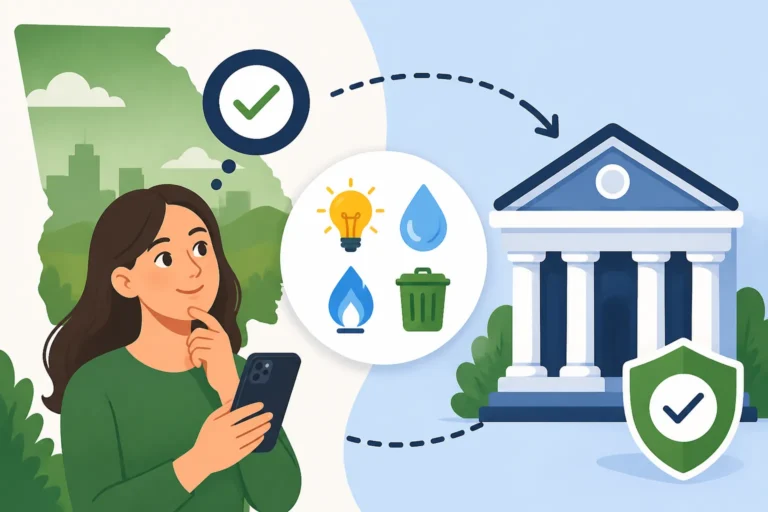
Imagine trying to pay your utility bills without a local bank account. You'd be trekking to a payment machine (often called a 'pay box' or 'eMoney' terminal) every month, fumbling with cash, or relying on someone else to help you out. With a Georgian bank account, all your bills – electricity, water, gas, internet, mobile phone – can be managed with a few taps on a mobile app, often with auto-pay options. This isn't just about convenience; it's about reducing mental load and avoiding those little frustrations that add up.
Beyond bills, daily transactions become smoother. From buying groceries at your local Carrefour or Fresco to paying for a taxi or a coffee, having a Georgian debit card means you're always ready. While many places accept international cards, having a local one means avoiding potential foreign transaction fees from your home bank and ensures you're never caught out by a card machine that's being particular. It's also often necessary for things like apartment deposits or receiving payments from local employers or clients.
Receiving Income and Making Local Payments
If you’re working for a Georgian company or operating as a freelancer here, having a local bank account is usually a prerequisite for receiving your salary or income. Direct deposits are the norm, and trying to funnel that money into an international account can be a bureaucratic nightmare, not to mention costly with exchange rates and transfer fees. For those who have registered as an Individual Entrepreneur to take advantage of the 1% small business tax status, a Georgian bank account is a fundamental requirement for operating your business legally and receiving payments from clients, whether local or international.
Moreover, if you ever need to send money to local friends, family, or service providers, inter-bank transfers within Georgia are usually instantaneous and free. This is especially helpful if you’re sharing rent with roommates or contributing to group activities. It also allows you to seamlessly engage with local services that might require bank transfers, like some driving schools or long-term rental agreements.
Choosing Your Georgian Bank: The Big Players and What to Expect
Georgia has a few key players in the banking sector, but for most expats, the choice often boils down to two main institutions: Bank of Georgia and TBC Bank. Both are modern, offer excellent online and mobile banking, and have branches across the country. However, their expat-friendliness and specific requirements can sometimes vary.
Bank of Georgia vs. TBC Bank: An Expat Perspective
Historically, Bank of Georgia has often been seen as the more conservative of the two when it comes to opening accounts for non-residents, especially if your financial background seems complex or your source of funds isn't immediately clear. They are very particular about understanding where your money comes from, which can feel intrusive. However, they are also one of the largest and most established banks, with a wide network of ATMs and branches. Their mobile app and online banking platforms are robust and user-friendly, and they offer a range of products including multi-currency accounts, which can be very appealing for expats.
TBC Bank, on the other hand, has generally been perceived as slightly more welcoming and flexible for foreigners. They have actively worked to cater to the expat community, with many branches in Tbilisi and Batumi having English-speaking staff. Their mobile app is often praised for its sleek interface and functionality. Like Bank of Georgia, they offer multi-currency accounts and a strong online presence. However, their policies can also shift, and like any bank, they are bound by international anti-money laundering regulations. What one person experiences might not be exactly what another does, even within the same bank.
There are also other banks like Liberty Bank or Credo Bank, which some expats use. Liberty Bank is known for its extensive network, especially outside major cities, but its digital services might not be as polished as TBC or Bank of Georgia. Credo Bank often focuses on microfinance, but also offers services to individuals. For most newcomers, starting with TBC or Bank of Georgia is the most common and often most straightforward path due to their extensive infrastructure and expat-oriented services.
Understanding the "Source of Funds" Question
This is perhaps the biggest sticking point for many foreigners attempting to open a bank account in Georgia. Due to international anti-money laundering (AML) regulations and Georgia's commitment to financial transparency, banks here are legally obliged to verify the source of your funds. They will ask you about your income, your job, where your savings come from, and how you intend to use the account.
For some, this line of questioning can feel incredibly personal and even suspicious, especially if you come from a country where such inquiries are less common for basic account opening. It’s crucial to understand that this isn’t a personal attack; it’s a regulatory requirement. Being prepared with clear, concise answers and supporting documents can significantly smooth this process. Expect questions like: "What is your profession?" "Where do you work?" "How much do you expect to deposit monthly?" "Where did you get the money for your initial deposit?" "Do you plan to send money internationally?" Your answers should be consistent and plausible, backed by documents if possible.
Step-by-Step Guide to Opening Your Bank Account
The process of opening a bank account in Georgia as a foreigner involves a few key steps. While it might seem daunting, breaking it down makes it much more manageable. Patience, and a good attitude, really go a long way here.
Essential Documents You'll Need
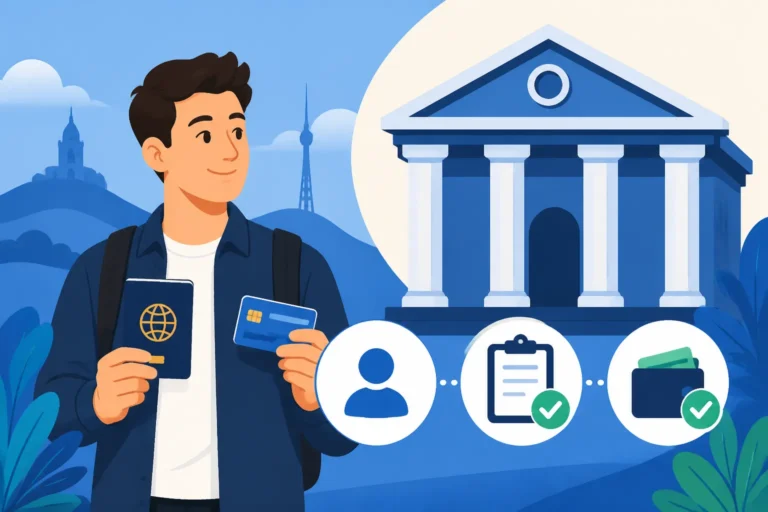
Getting your documents in order before you even step foot in a bank branch will save you a huge amount of time and potential frustration. The list isn't exhaustive, and banks might ask for additional items depending on your situation, but these are the core necessities:
- Valid Passport: This is your primary form of identification. Make sure it's current and has at least six months of validity remaining. The bank will often make copies.
- Proof of Legal Stay: If you are visiting on a visa-free stay, your passport showing your entry stamp will usually suffice. If you have a Georgian residence permit (work, student, investment, etc.), bring the physical card. This shows the bank you have a legitimate reason to be in the country for an extended period. For those looking to understand the different types of permits, our guide on The Expat Guide to Getting a Residence Permit in Georgia (2027) could be very helpful.
- Georgian Phone Number: A local SIM card is essential. The bank will need a local number to contact you and for SMS verification during online banking setup. You can pick one up easily from providers like Magti, Geocell, or Silknet.
- Proof of Address (sometimes): While not always a strict requirement for basic accounts, some banks, or even specific branches, might ask for a rental contract or a utility bill in your name. This can be tricky for newcomers who might not have this immediately, but often a short-term rental agreement can suffice if it shows your name and a Georgian address.
- Proof of Income/Source of Funds: This is where many hit a snag. Be prepared to show:
- Employment Contract: If you're working for a Georgian company.
- Freelance Contracts/Invoices: If you're self-employed or freelancing.
- Bank Statements from Home Country: Showing consistent income or significant savings.
- Company Registration Documents: If you've registered a business in Georgia, like an Individual Entrepreneur. Check out our detailed guide on How to Register as an Individual Entrepreneur in Georgia for more on this.
- Any other verifiable income source: Pensions, rental income from abroad, etc.
- Initial Deposit: You'll typically need to make a small initial deposit to activate the account. This can be as little as 1 GEL (Georgian Lari).
| Document Type | Purpose | Key Considerations |
|---|---|---|
| Passport | Primary ID | Must be valid and current. |
| Residence Permit | Proof of Legal Stay (if applicable) | Physical card, if you have one. Shows long-term commitment. |
| Georgian Phone # | Contact & Verification | Essential for mobile banking and bank communication. |
| Proof of Address | Verification of Residency | Not always required, but a rental contract is best if asked. |
| Source of Funds | Anti-Money Laundering (AML) Compliance | Employment contract, bank statements, freelance invoices, business documents. Be prepared for detailed questions. |
| Initial Deposit | Account Activation | Usually a small amount, 1 GEL is often enough. |
The Application Process at the Branch
Once you have your documents, you'll need to visit a bank branch. While some banks advertise online application processes, for foreigners, an in-person visit is almost always required for the initial setup.
- Choose Your Branch: In major cities like Tbilisi or Batumi, look for larger branches, especially those in central areas. These are more likely to have English-speaking staff and be accustomed to dealing with foreign applicants. TBC Bank's branches in Saburtalo or near Rustaveli, or Bank of Georgia's head offices, are often good starting points.
- Take a Number and Wait: Like most administrative processes in Georgia, you’ll take a number and wait for your turn. Peak hours can mean long waits, so try going mid-morning on a weekday if possible.
- The Interview: When your number is called, you’ll sit with a bank representative. This is where the "source of funds" discussion will happen. Be polite, clear, and patient. Answer all their questions honestly. They might ask you to fill out an application form, and they’ll scan your passport and other documents. This is a crucial step, and sometimes it can feel like an interrogation, but remember, it’s just part of their process.
- Account Approval (or Denial): In some cases, if everything is straightforward, your account might be approved on the spot, and you'll get a temporary card immediately. More often, especially for non-residents or if there are any ambiguities, the application might be sent for internal review by their compliance department. This can take anywhere from a few hours to several business days. They will usually tell you to expect an SMS notification about the status. It's not uncommon for expats to get their application denied if the source of funds isn't clear enough or if the bank's internal risk assessment flags something. Don't take it personally; just try another bank or gather more proof.
- Receiving Your Card: Once approved, you can typically pick up your permanent debit card within a few days from the same branch. Some banks might even offer to mail it, but in-person pickup is more common.
What Happens If Your Application Is Denied?
It's a frustrating but not uncommon experience for foreigners to have a bank account application denied in Georgia. If this happens, try not to get disheartened. The reasons can be varied:
- Insufficient Proof of Funds: This is the most frequent culprit. The bank might not be satisfied with the documentation or explanation you provided about where your money comes from.
- Nationality or Residence Status: While less common now, some banks used to be more cautious with certain nationalities or those on a short tourist stay without a clear reason for an account.
- Incomplete Information: Perhaps you missed a document or didn't fully understand a question.
- Bank Policy Changes: Banks regularly update their internal policies based on international regulations or their own risk assessment. What was easy last year might be harder today.
If denied, calmly ask for the reason, if they are willing to provide it. Often, they will simply state "internal policy" without much detail. Your best bet is to review your documents, think about how you presented your financial situation, and then try another bank. It's not unusual for expats to be rejected by one bank only to be accepted by another without any issues. Sometimes, it just depends on the specific bank's current policies or even the individual bank employee you deal with.
Beyond the Basics: Online Banking, Transfers, and Cards
Once you've successfully opened your account, the real convenience begins. Georgian banks offer highly advanced digital services that rival many Western countries, making your financial life here incredibly streamlined.
Mastering Mobile and Online Banking
Both TBC and Bank of Georgia have excellent mobile apps and online banking platforms. These are usually available in Georgian and English and allow you to manage almost every aspect of your account from your phone or computer. You can:
- Check Balances and Transaction History: Instantly see where your money is going.
- Pay Bills: As mentioned, this is a lifesaver. You can save your utility provider numbers and pay them directly, often within seconds.
- Transfer Money: Send funds between your own accounts (e.g., from GEL to USD savings) or to other Georgian bank accounts.
- Manage Cards: Block/unblock cards, set spending limits, and order new ones if yours is lost or stolen.
- Access Loans or Deposits: Apply for small loans or open term deposit accounts directly through the app.
Getting familiar with these apps is vital for managing your finances efficiently. For those curious about the broader banking landscape, our guide The Expat Guide to Opening a Bank Account in Georgia offers more general insights.
International Money Transfers: Sending and Receiving
For incoming international transfers, your Georgian bank account details (IBAN, SWIFT code, bank name, your full name) will be all you need. Be aware that while Georgia has a territorial tax system meaning your foreign-sourced income is generally not taxed if it's not generated from Georgian sources, your bank will see these incoming transfers. It's always good practice to keep records if these are significant amounts, especially if you want to avoid future questions from the bank or the tax authorities. For a deep dive into tax matters, refer to Understanding Why Foreign-Sourced Income Is Tax-Exempt in Georgia.
For sending money out of Georgia, traditional bank wires are available but can be slow and expensive, especially for smaller amounts. This is where services like Wise (formerly TransferWise) really shine. Wise often offers better exchange rates and lower fees for international transfers compared to traditional banks, making it a popular choice among expats. You can link your Georgian bank account to Wise and transfer funds to or from accounts in other countries much more efficiently. It's a game-changer for anyone dealing with international finances.
Getting and Using Your Debit Card
When you open your account, you'll almost certainly be issued a Visa or Mastercard debit card. These cards are widely accepted across Georgia, at ATMs, POS terminals in shops, and for online purchases.
- ATM Usage: ATMs are ubiquitous, even in smaller towns. You can withdraw GEL cash, and most will also allow you to check your balance. Be mindful of potential fees if you use an ATM from a different bank.
- Contactless Payments: Most modern terminals in Georgia support contactless payments, making quick transactions even faster.
- Online Purchases: Your card will work for most online purchases, both within Georgia and internationally. You might receive SMS verification codes for added security.
It's a good idea to always carry a small amount of cash, especially when traveling outside of Tbilisi or Batumi, as some smaller establishments or street vendors might only accept cash. However, for most day-to-day needs, your Georgian debit card will be your best friend.
Common Hurdles and Tips for Expats
Navigating the Georgian banking system as a newcomer can throw up a few unexpected challenges. Having a realistic outlook and some practical tips can make all the difference.
Language Barriers and Cultural Nuances
While many bank employees in larger branches, especially in Tbilisi and Batumi, speak English, don't assume everyone will. If you're struggling to communicate, politely ask if there's an English-speaking colleague available. Sometimes, even with English-speaking staff, nuances in communication or understanding financial jargon can be tricky. It helps to be patient, speak clearly, and ask for clarification if something isn't clear.
Culturally, the directness of questioning about your finances can be surprising. As mentioned earlier, the "source of funds" inquiry is standard, but the way it’s conducted might feel less private than you’re used to. Maintain a polite and cooperative demeanor, and remember it's a procedural necessity, not an accusation.
Keep Records and Monitor Your Account
It’s always a good habit to keep digital or physical copies of any documents related to your bank account application, especially those proving your source of funds. In the unlikely event of a dispute or a future inquiry, having these records can be invaluable. Regularly check your bank statements through the mobile app or online portal. Report any suspicious transactions immediately to your bank. While Georgia is generally very safe, financial vigilance is always wise.
Also, be aware that bank policies, especially regarding foreigners, can evolve. What worked for a friend a year ago might not be the exact process today. It's best to always check the most current requirements directly with the bank or through reliable expat forums before you go.
Final Thoughts on Your Georgian Bank Account Journey
Opening a bank account in Georgia as a foreigner might present a few hoops to jump through, especially with the detailed questions about your financial history. But trust me, once you’ve got it sorted, it truly unlocks a much smoother and integrated life here. It allows you to operate independently, manage your finances like a local, and take full advantage of Georgia's modern banking infrastructure.
Don't be afraid to try more than one bank if your first attempt doesn't go smoothly. Gather your documents meticulously, prepare to explain your financial background, and approach the process with patience and a smile. Before you know it, you'll be paying your bills with ease, receiving your income, and fully enjoying your expat journey in Georgia without those lingering financial worries.
Disclaimer
The information provided in this guide is for general informational purposes only and does not constitute financial, legal, or tax advice. Banking regulations and requirements in Georgia can change, and individual circumstances vary. It is strongly recommended to consult directly with banks in Georgia or seek professional advice for your specific situation.