How Much Does It Cost to Run a Car in Georgia per Month?
If you've just moved to Georgia, or you're thinking about bringing your car over, you've probably already started feeling that unique blend of excitement and sheer administrative bewilderment that comes with expat life here. One big question mark for many is "How much does it actually cost to keep a car running every month?" It's not just about the petrol; there are so many other little expenses that can sneak up on you. This guide is here to unravel those costs, helping you budget realistically and navigate the world of car ownership in Georgia without any nasty surprises.
The Initial Sticker Shock: Beyond the Purchase Price
When you're first considering car ownership in Georgia, your mind probably jumps straight to the purchase price. Maybe you're eyeing a reliable second-hand sedan in Tbilisi, or perhaps you're even contemplating importing your beloved vehicle from back home. But let me tell you, as a seasoned expat, the purchase price is just the tip of the iceberg. The true financial commitment begins the moment you become a car owner, and there are several upfront costs that can make your wallet feel a bit lighter before you even hit the road.
Understanding Car Purchase Costs
Firstly, let's acknowledge that buying a car in Georgia can range widely in cost. You can find older, more basic models for a few thousand GEL, or invest in newer, imported vehicles that can run into tens of thousands. However, irrespective of whether you're buying new from a dealership, used from a local seller, or bringing one in, the initial outlay extends beyond the sticker price. This often involves transfer fees, potential broker commissions, and a whole host of other little fees that aren't always transparently listed until you're deep in the process. It’s always wise to factor in an extra 5-10% of the car's value for these initial administrative hurdles.
The Hidden Upfront Fees
Once you've settled on a vehicle, the real fun begins with the administrative side. If you're importing a car, you'll be dealing with import duties and VAT, which can vary significantly based on the car's age, engine size, and value. These fees are not insignificant and can dramatically increase your initial expenditure. Then there's the registration process. You'll need to register your car with the Public Service Hall, a generally efficient but sometimes confusing process. This involves a one-time registration fee, new license plates, and an initial technical inspection, which is mandatory for all vehicles. Expect these fees to add a few hundred GEL to your initial costs. It’s also crucial to remember that How to Register and License a Car in Georgia is a whole topic in itself, so prepare for a bit of back and forth, and possibly a lot of patience.
Breaking Down Your Monthly Car Running Costs in Georgia
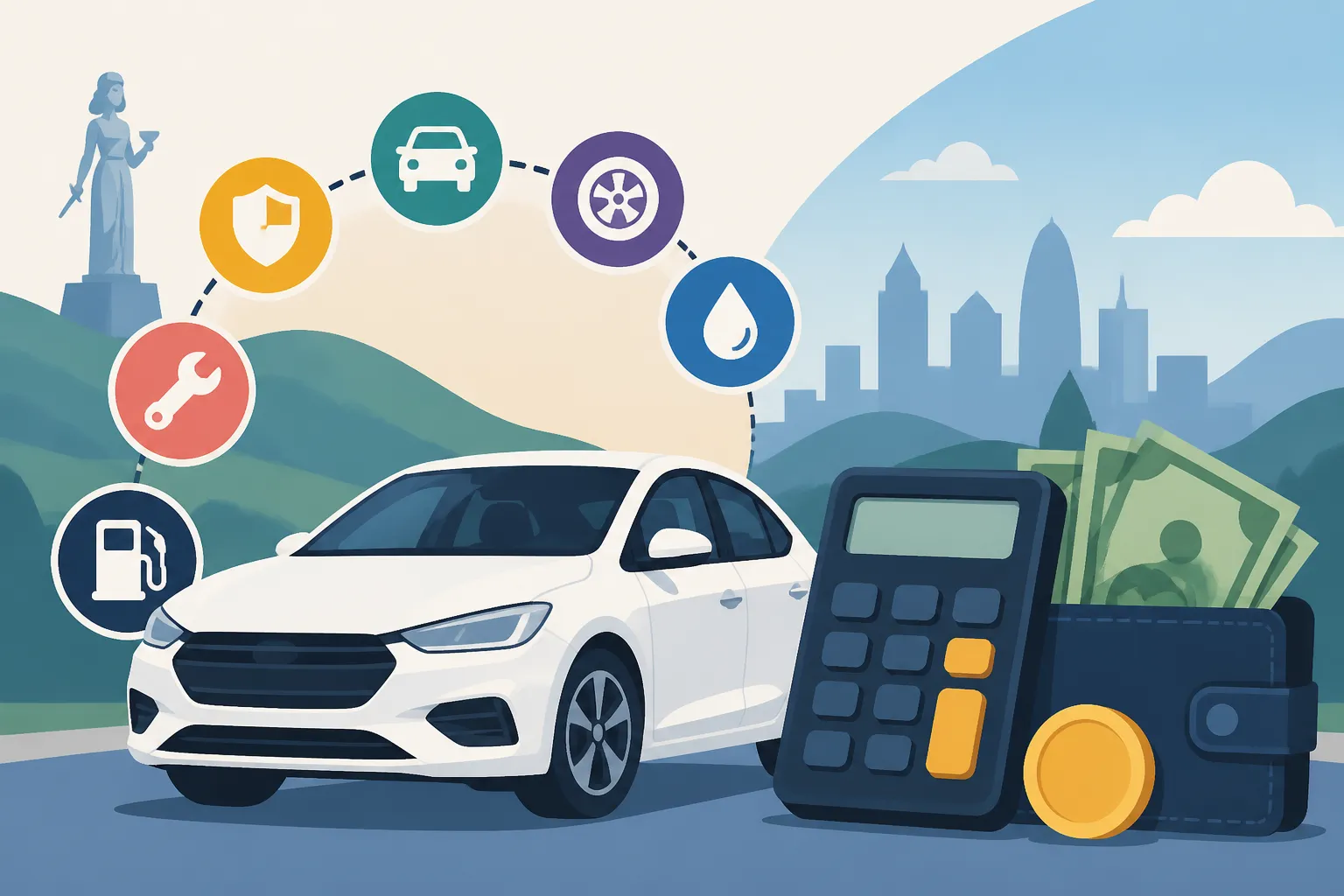
Now, let's talk about the recurring expenses – the ones that hit your bank account every month or so, making up the bulk of your car's operational cost. These are the elements that truly determine How Much Does It Cost to Run a Car in Georgia per Month?. It’s not just about what you put in the tank; it's a tapestry of fuel, insurance, maintenance, and other necessary evils.
Fuel – The Most Obvious Expenditure
Ah, petrol. This is arguably the biggest and most fluctuating monthly cost for any car owner, no matter where you are in the world. In Georgia, fuel prices can swing, but generally, they're relatively stable compared to some European countries. As of late 2023 and early 2024, petrol (gasoline) prices typically hover around 2.80 – 3.20 GEL per litre for regular unleaded (e.g., Euro Regular, RON 92-95) and slightly higher for premium options (e.g., Super, RON 98). Diesel is often in a similar range.
Your actual fuel expenditure, of course, depends entirely on your driving habits. Are you commuting daily across Tbilisi, stuck in notorious rush hour traffic from Saburtalo to Vake? Or are you a weekend explorer, venturing out to the Kakheti wine region or up to Kazbegi? A city commuter driving 500-700 km a month might easily spend 150-250 GEL on fuel. If you have a larger vehicle, or a heavy foot, that number can easily climb. It’s worth noting that Georgia has a pretty decent network of petrol stations, including major international brands like Gulf, Rompetrol, and Lukoil, so you usually won't be left stranded. Many expats find using a fuel loyalty card, if available, can save a tiny bit over time.
Insurance – A Non-Negotiable Necessity
Unlike some countries where third-party liability insurance is automatically included with vehicle registration, in Georgia, it's a separate, mandatory requirement for all vehicles. This is called "Third Party Liability Insurance" (TPL) and covers damages you might cause to other vehicles or property in an accident. The good news is, it's generally quite affordable compared to Western European or North American standards.
For a standard sedan, you might be looking at around 60-120 GEL per year for basic TPL. Yes, per year, not per month! However, many expats opt for more comprehensive "CASCO" insurance, which covers damage to your own vehicle, theft, fire, and sometimes even roadside assistance. This is where the costs go up significantly, but it offers invaluable peace of mind, especially if your car is new or expensive. CASCO insurance can range from 800 GEL to 2,000+ GEL per year, depending on your car's value, your driving record, and the insurer. Companies like GPI Holding and Aldagi are popular choices. It's smart to shop around and compare quotes, because How Much Is Car Insurance in Georgia? can vary wildly between providers.
Maintenance and Repairs – Expect the Unexpected
Cars, bless their metallic hearts, need looking after. And in Georgia, where road conditions can sometimes be less than perfect, especially outside the main cities, and where even city driving can involve navigating potholes or tight streets, maintenance is paramount. Regular servicing is a given: oil changes, filter replacements, tire rotations. For a basic service, you might pay anywhere from 80 to 200 GEL, depending on the garage and the parts needed.
What about unexpected repairs? This is where it gets tricky. If you have an older car, anticipate more frequent issues. Common problems can include suspension wear and tear due to bumpy roads, brake pad replacements, or electrical quirks. Labour costs at independent garages are generally quite reasonable (think 30-70 GEL per hour), but parts can sometimes be harder to source or more expensive for certain imported models. Finding a trustworthy mechanic, especially one who speaks a bit of English, is gold. Ask around in expat groups or forums; word-of-mouth recommendations are invaluable here. Being prepared for these costs is essential, as ignoring them can lead to more significant, and more expensive, problems down the line.
Parking and Road Taxes – Small but Consistent
Don't forget the smaller, yet still recurring, costs. Parking in Georgia, particularly in bustling areas of Tbilisi, is not always free. You'll often find paid parking zones, managed through a system where you pay via SMS or through payment terminals (like PayBox or ExpressPay). A monthly parking pass in central Tbilisi can cost around 50-100 GEL, though individual hourly rates are much lower. Outside the capital, parking is generally less of an issue, with many free options available.
Regarding road tax, Georgia doesn't have an annual road tax in the same way many European countries do. Instead, various fees are often bundled into the vehicle registration process or other administrative costs. However, you'll still have a mandatory periodic technical inspection. For private vehicles, this usually needs to be done every two years once the vehicle is four years old, and annually for older vehicles. The cost for this inspection is around 60-80 GEL. So, while not a "monthly road tax," it's a regular expense you need to factor in.
Cleaning and Miscellaneous – Keeping Your Ride Tidy
Finally, there are the little extras that add up. Car washes are relatively cheap in Georgia. A basic exterior wash might cost 10-20 GEL, while a more thorough internal and external clean could be 30-50 GEL. If you're particular about keeping your car sparkling, this could add 20-100 GEL to your monthly budget, depending on how often you get it cleaned.
Then there are all the other bits and bobs: new wiper blades, topping up fluids, an air freshener, maybe even a new set of floor mats. While individually small, these can cumulatively contribute to your overall monthly running costs. It’s also wise to consider that even basic roadside assistance or breakdown cover might be a separate add-on to your insurance or a service you'd pay for as needed, though many simply rely on local contacts or a good mechanic. Having a local mobile data plan, perhaps with an Airalo eSIM for easy connectivity, can be a lifesaver for navigation or calling for help when on the road.
Factors Influencing Your Monthly Bill
The figures we've discussed are, of course, averages. The reality is that your actual monthly car running costs in Georgia can fluctuate quite a bit based on a few key factors. It's not a one-size-fits-all situation, and understanding these influences will help you better predict your personal expenses.
Your Vehicle Type and Age
This is perhaps the biggest determinant. Driving a brand-new, fuel-efficient Japanese hatchback is a vastly different financial proposition from owning a 15-year-old German SUV. Newer cars generally demand lower maintenance, at least for the first few years, but their insurance premiums can be higher due to their higher value. They're also likely to be more fuel-efficient. On the flip side, older cars are cheaper to insure, but they are notorious for needing more frequent (and sometimes unexpected) repairs. Parts can also be harder to find or might require importing, adding to both the cost and the waiting time.
Then there's the engine size. A vehicle with a larger engine capacity will naturally consume more fuel, and potentially incur higher initial import duties if you're bringing it into the country. Before you even buy, consider the long-term running costs associated with the specific make and model you're eyeing.
Driving Habits and Location
Are you a daily commuter covering significant distances, or do you primarily use your car for short trips and weekend excursions? Your mileage directly impacts your fuel consumption, obviously, but also the wear and tear on your vehicle. High mileage means more frequent servicing, tire replacements, and a faster accumulation of mechanical issues.
Your driving environment also plays a role. Navigating the perpetually busy streets of Tbilisi, with its stop-and-go traffic and sometimes aggressive driving, can be tougher on a car than cruising along quieter rural roads. City driving can lead to higher fuel consumption, more brake wear, and a higher chance of minor scrapes and bumps that might need cosmetic repairs. If you live outside the capital, perhaps in Batumi or Kutaisi, your fuel costs might be similar, but parking will certainly be less of an issue.
Personal Preferences
Believe it or not, your personal choices also feed into the monthly costs. How often do you get your car washed? Do you insist on using premium fuel, even if your car doesn't strictly require it? Are you meticulous about sticking to the manufacturer's recommended service schedule, or do you stretch it out? Do you proactively replace parts that show minor wear, or do you wait until they break?
Even seemingly small decisions, like whether you opt for genuine manufacturer parts or more affordable aftermarket alternatives during a repair, can affect your bill. While trying to save money is natural, sometimes cutting corners can lead to more expensive problems down the road. It's about finding that balance between cost-effectiveness and ensuring your vehicle remains safe and reliable on the Georgian roads.
Practical Tips for Expats to Save Money on Car Costs
Navigating the nuances of car ownership in a new country can feel like a labyrinth. However, with a bit of savvy and some insider knowledge, you can certainly keep your monthly car running costs in Georgia manageable. Here are some tried-and-true tips from one expat to another.
Smart Fuel Choices and Driving Habits
The most immediate impact you can have on your monthly budget is how you handle fuel. First, always make sure you're using the correct octane level for your vehicle. Most cars don't require the most expensive "Super" grade, so sticking to "Euro Regular" or "Premium" can save you a few Tetri per litre, which adds up. Secondly, adopt fuel-efficient driving habits. Avoid aggressive acceleration and braking, keep your tires properly inflated, and remove unnecessary weight from your car. Idling your engine less, especially in city traffic, can also make a difference. Planning your routes to avoid heavy congestion, if possible, will not only save fuel but also reduce wear and tear. Having a good navigation app, powered by a reliable connection (perhaps using an Airalo eSIM for seamless data), can help you find optimal routes and avoid traffic jams.
Navigating Insurance Options
As mentioned, basic Third Party Liability (TPL) insurance is mandatory and relatively inexpensive. However, if you opt for comprehensive CASCO insurance, which is highly recommended for peace of mind, you'll want to shop around. Don't just go with the first quote. Reach out to multiple insurance providers like GPI Holding, Aldagi, and Irao. Compare their coverage options, deductibles, and annual premiums. Sometimes, combining policies (e.g., home and car) with the same insurer might yield a discount. Also, consider the specific terms of your policy. Does it offer roadside assistance? What is the claim process like for expats? Understanding these details beforehand can save you headaches and money if you ever need to file a claim. You can dive deeper into Understanding Car Insurance and Registration in Georgia for more details.
DIY Maintenance vs. Professional Service
For basic maintenance tasks, there's a certain satisfaction (and cost saving) in doing it yourself. Checking oil levels, topping up washer fluid, or even changing a flat tire are all things many car owners can do. However, for anything more complex, it's always best to rely on professionals. The key is finding a trusted mechanic. As an expat, this can be tricky, as language barriers and unfamiliarity with local businesses can make you wary. Seek recommendations from other expats in local online groups or communities. A good mechanic, even if slightly more expensive, will save you money in the long run by doing the job right the first time and not overcharging for unnecessary repairs. Always get a quote upfront and ask for an explanation of the work to be done.
Public Transport Alternatives
Sometimes, the cheapest way to run a car is not to run it at all! Tbilisi boasts a surprisingly efficient and incredibly affordable public transport system. The metro, buses, and marshrutkas (minibuses) can get you almost anywhere in the city for a fraction of the cost of driving. A single ride on the metro or bus is just 1 GEL (using a MetroMoney card), and a monthly pass is very inexpensive. For longer journeys or when moving house, while not related to monthly running costs, a service like Sirelo might be useful for planning the logistics of relocating your belongings, even if you keep your car.
Consider using public transport for your daily commute, leaving your car for weekend trips or when you absolutely need it. This not only saves on fuel and parking costs but also reduces wear and tear on your vehicle, extending its lifespan and delaying costly repairs. Plus, it's often a much more relaxing way to experience the city without the stress of Georgian traffic. To truly understand your options, check out The Expat Guide to Public Transport in Georgia.
Here's a quick summary of typical monthly costs:
| Category | Estimated Monthly Cost (GEL) | Notes |
|---|---|---|
| Fuel (Petrol/Diesel) | 150 – 350+ | Highly dependent on mileage, car's fuel efficiency, and fuel type. |
| Insurance (CASCO) | 70 – 170+ | Average if divided annually; TPL is much lower. |
| Maintenance & Repairs | 50 – 150+ | Varies wildly; average for regular servicing, higher for unexpected. |
| Parking | 0 – 100 | Varies by location and frequency of paid parking usage. |
| Technical Inspection | ~6-7 | Annual cost (60-80 GEL) divided by 12. |
| Car Wash/Cleaning | 20 – 50 | If you wash regularly; can be less if you do it yourself. |
| Miscellaneous | 10 – 30 | Small items like wiper fluid, air fresheners, minor accessories. |
| TOTAL ESTIMATED | 306 – 807+ | This is a broad range, heavily influenced by car type and driving. |
Please remember, these are just estimates and your actual costs may differ based on your specific circumstances, the type and age of your vehicle, and your personal usage. Living here, you learn to expect the unexpected, but by budgeting carefully and implementing these tips, you'll be well on your way to enjoying the freedom of the open road in Georgia without breaking the bank.
Disclaimer
The information provided in this article is intended for general guidance and informational purposes only, and does not constitute professional financial, legal, or automotive advice. While we strive to keep the information up-to-date and accurate, costs, regulations, and market conditions in Georgia can change rapidly. Expats are strongly advised to conduct their own thorough research, consult with local experts, and verify all details with official sources (such as the Georgian Ministry of Internal Affairs, insurance providers, or qualified financial advisors) before making any decisions related to car ownership or financial planning in Georgia. The author and publisher bear no responsibility for any loss or inconvenience sustained by any person using this information.