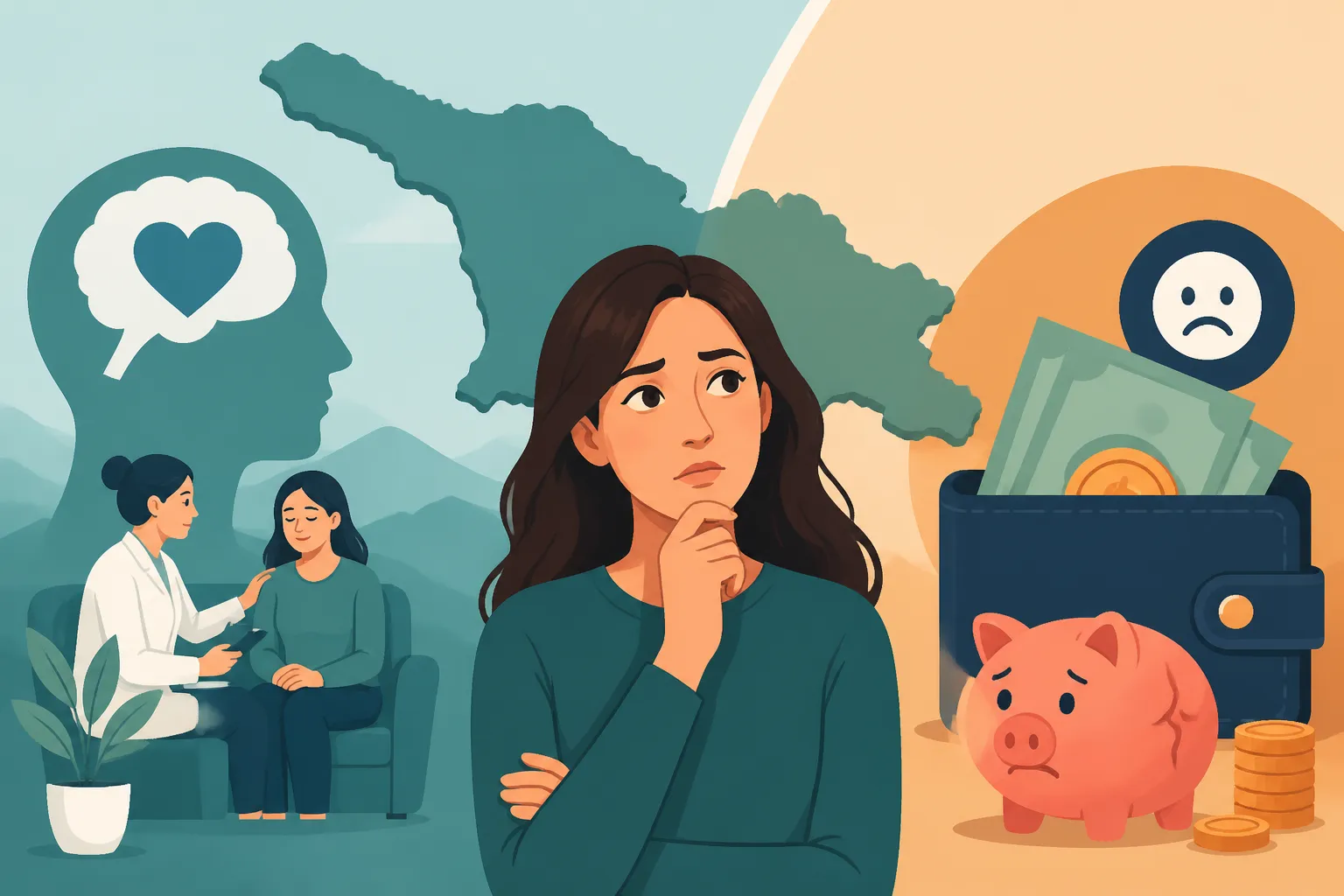
Is Mental Healthcare Affordable in Georgia?
Moving to a new country like Georgia is an adventure, but let’s be real, it’s also incredibly stressful. The culture shock, language barriers, navigating new systems – it all takes a toll. Many of us find ourselves needing a little extra support, but then the big question hits: is mental healthcare affordable here in Georgia? It's a valid concern that often goes unaddressed, and this guide is here to shed some light on the costs and accessibility of mental health services for expats and long-term visitors.
Understanding the Landscape of Mental Healthcare in Georgia
When you’re grappling with your mental well-being in a foreign land, the last thing you want is more confusion. Georgia’s mental healthcare landscape can feel a bit like a maze, especially if you’re used to more established systems in your home country. It’s not always straightforward, and understanding the general lay of the land is the first step to finding the support you need.
Public vs. Private Mental Health Services
This is where things get tricky for expats. While Georgia does have a public healthcare system, including some mental health facilities, these are generally geared towards the local population and are often deeply embedded in the Georgian language and cultural context. For most expats, navigating these public services can be a significant hurdle. Imagine trying to explain complex emotional issues or past trauma with a language barrier, or through a translator who might not fully grasp the nuances. It can be incredibly isolating and ultimately ineffective.
Because of these challenges, most foreigners living in Georgia, especially in cities like Tbilisi or Batumi, typically turn to private mental health services. These private clinics and independent practitioners are more likely to offer services in English, provide a more familiar therapeutic environment, and often cater specifically to international clients. However, this shift to private care naturally brings with it higher costs, which we’ll delve into shortly. It’s a trade-off many of us have to make for accessible, understandable care.
The Stigma and Cultural Context
It’s important to acknowledge that mental health discussions, while improving globally, still carry a certain stigma in many societies, and Georgia is no exception. Historically, mental health issues have often been misunderstood or even marginalized. While younger generations and professionals are increasingly adopting modern approaches, older societal views can still influence how mental healthcare is perceived and delivered.
This cultural context can manifest in a few ways that impact expats. Firstly, the number of English-speaking mental health professionals might be more limited than you’d hope, particularly outside of Tbilisi. Secondly, the therapeutic approaches might sometimes differ from what you’re accustomed to, with a stronger emphasis on medical or pharmacological interventions in some settings, or less focus on talk therapy in others, depending on the individual practitioner. This isn't to say quality care isn't available, but it means you might need to do a bit more digging to find a therapist whose approach aligns with your needs and cultural background. Understanding this can help manage expectations and guide your search.
Types of Mental Health Professionals and Services Available
When you're looking for help, it's good to know who does what. In Georgia, much like in many Western countries, you'll find a range of mental health professionals, each with their own specializations:
- Psychologists: These professionals typically hold a master's or doctoral degree in psychology. They focus on psychological assessment, diagnosis, and various forms of psychotherapy (talk therapy) for a wide range of mental health conditions, from anxiety and depression to relationship issues and trauma. They cannot prescribe medication.
- Psychotherapists/Counsellors: This term can sometimes be used interchangeably with psychologists, especially for those who primarily offer talk therapy. They often specialize in specific therapeutic modalities like cognitive-behavioral therapy (CBT), psychoanalysis, or humanistic therapy. Qualifications can vary, so it's always wise to inquire about their training and accreditation.
- Psychiatrists: These are medical doctors who have specialized in psychiatry. They can diagnose mental health conditions, provide psychotherapy, and crucially, they are licensed to prescribe and manage psychiatric medications. If you suspect you might need medication for a condition like severe depression, bipolar disorder, or schizophrenia, a psychiatrist is the professional to see.
- Counseling Centers: In larger cities, you might find private counseling centers or practices that house multiple professionals offering a variety of services under one roof. These can sometimes be a good starting point as they might have intake coordinators who can guide you to the right specialist.
Teletherapy, or online therapy, has also become a hugely popular and accessible option for expats, especially since the pandemic. Many international therapists offer sessions remotely, which can be a game-changer if you’re struggling to find suitable English-speaking local options or simply prefer the comfort and convenience of your own home.
The Cost of Mental Health Services in Georgia
Now, let's get down to brass tacks: what's this all going to cost you? The affordability of mental healthcare in Georgia is, frankly, a mixed bag. Compared to many Western countries, prices can seem incredibly reasonable, but for those relying solely on their own pockets, the costs can still add up. It’s essential to have a realistic idea of what to expect.
Typical Consultation Fees
For most expats, the journey into mental healthcare in Georgia will begin with a private consultation, likely with a psychologist or psychotherapist.
- Psychologist/Psychotherapist Sessions: In Tbilisi, a single 50-60 minute session with an English-speaking psychologist or psychotherapist typically ranges from 80 GEL to 200 GEL (approximately $30 – $75 USD). This is a broad range, and it depends heavily on the practitioner's experience, their specific therapeutic approach, and whether they are internationally certified. More experienced or highly specialized therapists might charge closer to the higher end, sometimes even slightly exceeding it.
- Psychiatric Consultations: If you need to see a psychiatrist for diagnosis or medication management, an initial consultation might be slightly higher, perhaps in the range of 100 GEL to 250 GEL ($38 – $95 USD). Follow-up appointments for medication review are often a bit cheaper.
It’s crucial to remember that therapy is rarely a one-off session. For effective treatment, you’ll typically need weekly or bi-weekly sessions over several months, or even longer. This means even at the lower end of the scale, costs can accumulate. For instance, weekly sessions at 100 GEL each will cost 400 GEL per month, which, while manageable for some, is a significant ongoing expense.
Factors Influencing Cost
The price tag on your mental health journey isn't arbitrary; several factors come into play:
- Language: This is perhaps the biggest differentiator for expats. English-speaking therapists, especially those with international training or experience working with diverse cultural backgrounds, almost invariably charge more than their Georgian-speaking counterparts. This premium reflects their specialized skill set and the demand from the expat community. If you are fluent in Georgian, you might find more affordable local options, but for most, this isn't a realistic path.
- Location: As with most things in Georgia, Tbilisi will generally have higher prices for mental health services compared to smaller cities like Kutaisi or even Batumi. The concentration of highly qualified, English-speaking professionals is also much higher in the capital.
- Professional's Experience and Qualifications: A therapist who is newly qualified might charge less than someone with 20+ years of experience and specialized certifications. International accreditations or affiliations can also command higher fees.
- Type of Therapy: Some specialized therapies, or longer sessions (e.g., couple's therapy), might naturally incur higher costs. Group therapy, on the other hand, can sometimes be a more cost-effective option if available.
The Price of Medications
For those who require psychiatric medication, the good news is that prescription medications in Georgia are generally quite affordable, especially compared to countries like the US. A month’s supply of common antidepressants or anti-anxiety medications can often cost anywhere from 10 GEL to 50 GEL (approximately $4 – $19 USD), depending on the specific drug, dosage, and whether a generic version is available. You can usually find pharmacies readily available, and many medicines are accessible over the counter or with a simple prescription. This is definitely one area where the cost of The Cost of Healthcare in Georgia: A Complete Breakdown for Foreigners (2026) feels more manageable.
Navigating Affordability with Insurance and Other Options
So, if paying completely out of pocket for ongoing therapy feels daunting, what are your options? This is where understanding your health insurance and alternative resources becomes absolutely vital.
Private Health Insurance and Mental Health Coverage
Many expats in Georgia opt for private health insurance, and this is often the best route to making mental healthcare more affordable. However, it's not a given that all plans will cover mental health services equally, or at all.
- Local Private Insurance: If you have a local Georgian private health insurance plan, you must scrutinize the policy details for mental health coverage. Some basic plans might only cover psychiatric consultations for severe conditions, or offer very limited sessions (e.g., 5-10 sessions per year). Others might exclude mental health entirely, or only cover it if it leads to hospitalization. It’s crucial to speak directly with your insurer and get explicit clarification on what is covered, any session limits, deductibles, co-pays, and whether you need a referral from a general practitioner to access these services.
- International Health Insurance: This is often where expats find better coverage for mental health. International health insurance providers, which are designed for global citizens, frequently have more comprehensive mental health benefits. Plans from providers like SafetyWing, for instance, are known for their flexibility and often include mental health support as part of their offerings. This is especially useful for digital nomads or those who travel frequently. They might cover a certain number of therapy sessions, psychiatric consultations, and sometimes even a portion of medication costs.
When considering private insurance, always check if there’s a waiting period for mental health coverage and if pre-existing mental health conditions are covered. These are common clauses that can significantly impact your ability to claim benefits when you need them most. For a deeper dive into this, you might find our guide on Health Insurance in Georgia: Private and International Options Explained incredibly useful, or even How to Choose Between Local and International Health Insurance in Georgia.
International Health Insurance as a Solution
For many expats, particularly those who are self-employed or not tied to an employer-provided plan, international health insurance emerges as a strong contender. Companies like SafetyWing offer plans specifically tailored to the nomadic lifestyle, and their approach to mental health coverage can be a lifesaver.
These plans often allow for greater flexibility in choosing your own mental health professional, even if they aren't directly "in-network" with a Georgian clinic. Many will cover teletherapy sessions, meaning you can continue seeing a therapist from your home country or access a broader pool of English-speaking professionals globally, which can be invaluable when local options are limited. The reimbursement process usually involves paying upfront and then submitting claims, so it’s important to keep meticulous records of your sessions and payments. While you might still have a deductible or co-insurance, having the bulk of your costs covered by a robust international plan, like those offered by SafetyWing, significantly reduces the financial burden of consistent mental healthcare. This can provide immense peace of mind, knowing that if you need support, it's not going to completely break the bank. Exploring options like Understanding Private Health Insurance Plans in Georgia can help clarify these benefits further.
Finding Affordable or Sliding Scale Options
While formal "sliding scale" therapy (where fees are adjusted based on income) is not as common or advertised in Georgia as in some Western countries, there are still avenues you might explore for more budget-friendly care:
- University Clinics: Sometimes, psychology departments at universities in Tbilisi might run clinics where graduate students provide therapy under supervision. These services are often offered at a reduced rate or even for free, though finding English-speaking options might still be a challenge.
- NGOs and Support Groups: Certain non-governmental organizations or community groups focused on specific issues (e.g., addiction, trauma support) might offer free or low-cost counseling. These are more often in Georgian, but some might cater to international communities. Checking expat forums or local directories for such groups could be fruitful.
- Online Platforms: Beyond international insurance, there are numerous online therapy platforms (e.g., BetterHelp, Talkspace, local English-speaking therapists offering remote sessions) that can be more cost-effective than in-person care. While these aren't always Georgia-based, they provide access to English-speaking professionals from around the world, often at competitive rates. Always verify the credentials of any online therapist.
It’s worth noting that if you’re a newcomer and don’t yet have health coverage, finding truly affordable mental healthcare can be one of the biggest challenges, as How Do I Get Health Coverage as a Newcomer in Georgia? explains. The public system is unlikely to be helpful, so having a plan, perhaps even temporary international travel insurance that includes emergency mental health, is vital.
Practical Tips for Expats Seeking Mental Healthcare
Finding the right support in a new country requires a proactive approach. It can feel overwhelming, but a few strategic steps can make the process much smoother and ensure you find the affordable, quality care you deserve.
Researching English-Speaking Professionals
This is often the first and most critical hurdle. Simply searching online in English for "therapist Tbilisi" might yield some results, but digging deeper is key:
- Expat Facebook Groups: These are invaluable resources. Join groups like "Expats in Tbilisi" or "Women in Georgia" and ask for recommendations. Other expats have been in your shoes and can share personal experiences, good referrals, and even warnings about specific practitioners or clinics. This word-of-mouth network is often the most reliable.
- Online Directories: Websites like Psychology Today or similar international directories sometimes list therapists by location and language. While not exhaustive for Georgia, they can be a starting point.
- Clinic Websites: Many private clinics in Tbilisi, such as Medical Center M. Iashvili, Evex Medical Corporation, or even smaller independent practices, have websites that list their team and often indicate which languages they speak. Look for clinics that explicitly cater to an international clientele.
- Referrals from GPs: If you’ve already found an English-speaking general practitioner, they might be able to offer referrals to mental health specialists they trust. This is covered in more detail in How to Find an English-Speaking Doctor in Georgia.
Telehealth and Online Therapy
The digital age has truly opened up possibilities for mental healthcare, making telehealth and online therapy incredibly viable options for expats.
- Convenience and Accessibility: No need to travel across town, navigate traffic, or worry about privacy in a waiting room. You can have sessions from the comfort of your own home, which can reduce anxiety around seeking help.
- Wider Pool of Professionals: This is a huge advantage. If you can’t find a suitable English-speaking therapist in Georgia, online platforms and international practitioners mean you can connect with someone anywhere in the world who understands your cultural background or specific issues. Many international insurance plans, including those from SafetyWing, are designed to cover telehealth, further enhancing its affordability.
- Potential Cost Savings: Sometimes, online therapy can be more affordable than in-person sessions, especially if you’re accessing a therapist from a country with a lower cost of living, or if you can leverage your insurance more effectively for remote services.
- Continuity of Care: If you’re planning to move again, or travel frequently, online therapy allows for consistent care, which is crucial for mental health stability.
Initial Consultations and "Shopping Around"
Just like you wouldn’t buy the first car you see, it’s perfectly acceptable, and even encouraged, to "shop around" for a mental health professional.
- Ask About Fees Upfront: Don't be shy about asking for a detailed breakdown of consultation fees, session lengths, payment methods, and any package deals they might offer. Clarity on costs from the outset will prevent unwelcome surprises.
- Initial Discovery Calls/Sessions: Many therapists offer a brief, often free or low-cost, initial call or introductory session. Use this opportunity to discuss their approach, ask about their experience, and get a feel for their personality. The therapeutic relationship is deeply personal, and finding someone you feel comfortable and connected with is paramount.
- Discuss Insurance Coverage: During your initial contact, explicitly ask if they work with your specific insurance provider or if they can provide the necessary documentation for you to submit a claim for reimbursement. Even if they don't directly bill your international insurance like SafetyWing, they should be able to provide invoices.
- Consider Cultural Fit: As an expat, finding a therapist who understands the unique challenges of living abroad – culture shock, homesickness, identity shifts – can be incredibly beneficial. Don't hesitate to ask if they have experience working with expats or individuals from diverse cultural backgrounds.
By taking these proactive steps, you significantly increase your chances of finding an affordable and effective mental healthcare solution in Georgia that truly meets your needs.
Is Mental Healthcare Affordable in Georgia? The Bottom Line
So, to answer the burning question: is mental healthcare affordable in Georgia? The nuanced answer is "it depends." For basic, private English-speaking therapy sessions, Georgia offers rates that are generally more accessible than in many Western countries. You're looking at a range of $30-$75 USD per session, which can feel like a breath of fresh air if you're coming from somewhere where sessions easily hit $150-$300. Medications are also quite affordable.
However, "affordable" is relative. Without a robust public system catering to expats, and with limited local insurance coverage for mental health, the costs can still accumulate quickly if you require ongoing, intensive therapy or specialized services. The real game-changer here is private health insurance, especially an international plan like those offered by SafetyWing, which can significantly offset these costs and provide access to a broader network of professionals, including teletherapy options.
Ultimately, while challenges exist, especially in finding suitable English-speaking professionals and navigating insurance, effective mental healthcare is absolutely accessible in Georgia. It just requires a bit of diligent research, clear communication, and a proactive approach to exploring all your options. Don’t let the initial complexities deter you from seeking the support you need – your mental well-being is worth it.
Disclaimer
The information provided in this guide is for general informational purposes only and does not constitute medical, financial, or legal advice. While we strive to provide accurate and up-to-date information, circumstances can change rapidly. Always consult with qualified professionals (e.g., licensed medical doctors, insurance providers, financial advisors, or legal experts) for advice tailored to your individual situation. We strongly recommend verifying all details directly with service providers and official sources.