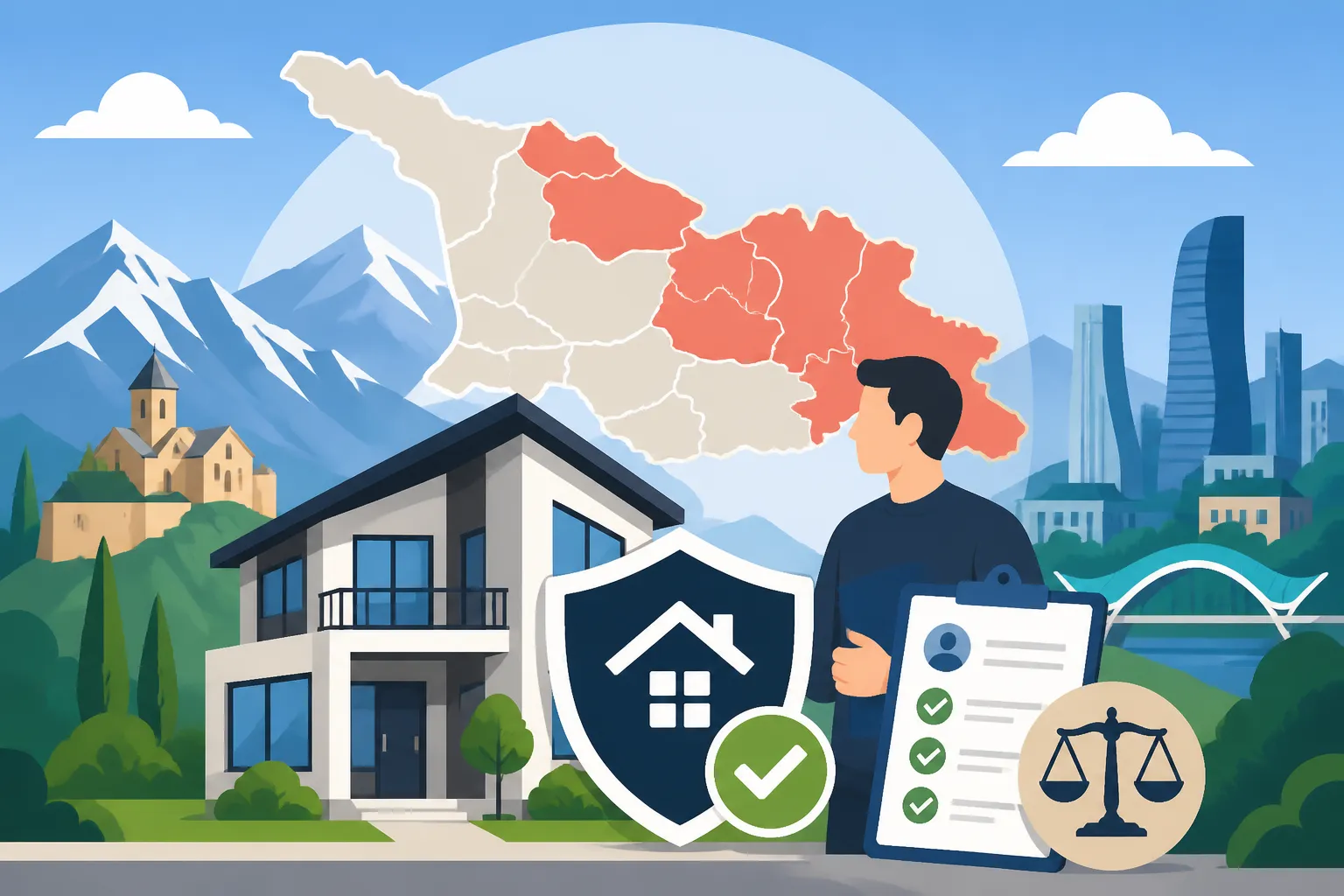
Understanding the Foreigner Property Purchase Rules in Georgia
The dream of owning a slice of Georgia can often feel like navigating a labyrinth, especially when you're an expat trying to make sense of local laws and customs that seem to shift like the winds off the Black Sea. Many of us arrive here with visions of charming Old Town apartments or sprawling countryside plots, only to be met with confusing legal jargon and the nagging question: "Can I actually buy property here, or is it just a pipe dream?" This guide is here to untangle those complexities and give you a realistic, no-nonsense look at the property purchase rules for foreigners in Georgia.
The Broad Strokes: What Foreigners Can (and Can't) Own
Let's cut right to the chase because this is usually the first question on everyone's mind. The good news is, for the most part, foreigners can own property in Georgia. This isn't like some countries where outright ownership is restricted to citizens or long-term residents. You can absolutely buy apartments, houses, and commercial spaces. The process is relatively straightforward, often quicker than in many Western countries, and the property registration system is incredibly efficient, thanks to the Public Service Hall.
However, there's a significant but that often catches newcomers off guard, and it's a big one: agricultural land. Foreign individuals and entities generally cannot own agricultural land in Georgia. This is a constitutional restriction designed to protect Georgia's food security and land resources. It's a point of contention for some, but it's a firm rule you need to understand from the outset. So, while that vineyard dream might need a local partner or a very specific legal structure, buying a lovely apartment in Tbilisi or a cozy house in Batumi is very much on the cards. It's crucial to understand these fundamental differences when you begin your property search to avoid disappointment and wasted time.
Navigating the Agricultural Land Restriction
The restriction on foreigners owning agricultural land is probably the biggest hurdle and the most common source of confusion. It's not always obvious what counts as "agricultural" land in Georgia, especially in rural or developing areas where land use can be mixed. You might see a beautiful plot of land with a small house, perfect for your quiet escape, only to discover a large portion of it is classified as agricultural, making the purchase as an individual foreigner impossible.
This is where due diligence becomes absolutely paramount. Before you even think about putting down a deposit, you must verify the land's classification. A reliable Georgian lawyer or a knowledgeable real estate agent will check the public registry data for the specific cadastral code. If the land code includes "agricultural" in its description, then, unfortunately, it's a no-go for direct individual foreign ownership. There are workarounds, like forming a Georgian legal entity (a company), which can own agricultural land, but that adds layers of complexity, tax obligations, and administrative overhead that might not be suitable for a simple personal purchase. Always consult a legal expert who specializes in property law for foreigners to understand the nuances and potential solutions before making any commitments.
Property Types Available for Foreigners
So, if agricultural land is out, what can you own? The list is extensive and covers most typical expat housing needs. You can buy apartments, from charming renovated units in historical districts to sleek, modern flats in new developments. Houses, villas, and townhouses on non-agricultural plots are also fair game, whether they're in the bustling city suburbs, tranquil countryside, or along the coast. Furthermore, foreigners are welcome to purchase commercial properties, such as offices, shops, restaurants, or even entire buildings, which can be an attractive investment opportunity in a growing economy like Georgia's.
The availability of these various property types means you have a broad spectrum of options, whether you're looking for a primary residence, a holiday home, or an investment. The key is to confirm the land status for any standalone house or plot, ensuring it's zoned as "non-agricultural," "residential," or "commercial." For apartments, this is almost never an issue as they are built on urban land plots, which are by definition not agricultural. This flexibility in property ownership is one of the many reasons why Georgia remains an appealing destination for international buyers.
The Buying Process: Step-by-Step for Expats
Once you've wrapped your head around what you can actually buy, the next step is to understand the buying process itself. Compared to some countries, it can feel refreshingly streamlined, but there are still crucial steps that demand your attention to ensure a smooth, legal transaction. This isn't a country where a handshake deal will cut it, nor should you expect every detail to be handled with the same bureaucratic precision you might be used to back home. Patience and good local advice are your best friends here.
The entire process, from finding a property to getting the keys in your hand, can often be completed within a few days or weeks if all documents are in order and the seller is prepared. This speed can be a double-edged sword: great for quick transactions, but it means you have less time to catch potential issues if you're not diligent. Knowing what to expect at each stage will significantly reduce stress and help you avoid common pitfalls.
Finding a Property and Due Diligence
Finding your dream home or investment property in Georgia typically starts online or with a good local agent. Websites like MyHome.ge are popular, offering a vast array of listings, but don't underestimate the power of local connections and agents who know the market inside out. When you're browsing, keep in mind the specifics we just discussed about agricultural land, especially if you're looking outside of major cities.
Once you find a property you're interested in, the crucial phase of due diligence begins. This is where you verify everything about the property and the seller. You'll need to check the title deed from the Public Service Hall to confirm the seller is the legal owner and that there are no encumbrances, liens, or disputes attached to the property. This step is non-negotiable. If you're buying a new build, you'll want to investigate the developer's reputation, past projects, and ensure all necessary permits are in place. A good lawyer will handle these checks for you, ensuring that you're not inheriting someone else's problems.
Signing the Sales Agreement
After thorough due diligence and successful negotiations on price and terms, you'll move to sign the sales agreement. This document outlines all the details of the transaction: the property description, sale price, payment schedule, handover date, and any other specific conditions agreed upon by both buyer and seller. It's usually drafted in Georgian, but a notarized translation into English (or your preferred language) is standard practice and highly recommended.
Make sure every clause is clear and understood. This is not the time to be shy or assume. For example, if the purchase price is being paid in installments, ensure the schedule and consequences of late payments are explicitly stated. Also, clarify what fixtures and fittings are included in the sale to avoid surprises later. Your lawyer will play a critical role here, ensuring your interests are protected and that the contract is legally sound under Georgian law. Remember, this agreement is binding, so take your time and be absolutely sure before putting pen to paper.
Property Registration and Ownership Transfer
This is arguably the easiest part of the process in Georgia, which often comes as a pleasant surprise to expats. Once the sales agreement is signed and any initial payments (like a deposit) are made, the property ownership transfer is registered at the Public Service Hall. This institution is renowned for its efficiency, often completing the registration within a single business day if you opt for expedited service. Standard registration takes around four business days.
Both the buyer and seller (or their authorized representatives with notarized power of attorney) need to be present for the registration. You'll submit the sales agreement, identification documents, and pay a small registration fee. Once registered, you'll receive a new extract from the public registry confirming your ownership. This document is your proof of title, so keep it safe. It’s truly impressive how quickly this can be done, making the legal transfer of assets in Georgia remarkably smooth compared to the weeks or even months it might take elsewhere.
Financial Aspects: Costs and Taxes
Buying property isn't just about the purchase price; there are other financial considerations that expats need to factor into their budget. Georgia's property transaction costs are generally lower than in many Western countries, which is a definite plus. However, being informed about all potential outlays will prevent any unwelcome financial surprises down the line. It's about budgeting realistically, not just for the immediate transaction, but for ongoing ownership.
You might be thinking about how to get your funds into Georgia safely and efficiently. Services like Wise or Remitly are popular for international transfers, offering competitive exchange rates and lower fees compared to traditional banks. For larger sums, a direct wire transfer through your bank might be necessary, but always compare options. It’s also wise to set up local banking facilities, and understanding Banking in Georgia: A Complete Guide for Foreigners (2027) can be incredibly helpful for managing these transactions.
Transaction Costs and Fees
When buying property in Georgia, the transaction costs are relatively minimal, which is one of the country's appealing aspects for investors. The primary costs you'll encounter are:
- Notary Fees: While not strictly mandatory for the sales agreement itself (unless you want to add an extra layer of legal certainty), a notary is often involved for powers of attorney or to certify signatures. Their fees are usually quite low, often a fixed amount or a small percentage of the property value, capped at a certain amount.
- Property Registration Fees: As mentioned, registering your ownership at the Public Service Hall comes with a fee. This fee varies depending on how quickly you want the registration to be processed, ranging from a standard multi-day service to an expedited same-day service. Expect to pay anywhere from 50 GEL to 200 GEL for this, depending on the speed.
- Legal Fees: This is an important one, and highly recommended. Engaging a lawyer to perform due diligence, draft or review the sales agreement, and assist with registration can cost anywhere from a few hundred to a couple of thousand USD, depending on the complexity of the transaction and the lawyer's experience. This is an investment in your peace of mind and protection.
- Real Estate Agent Commissions: If you use a real estate agent, they typically charge a commission, usually paid by the seller, but sometimes it's split or negotiated differently. It's usually a percentage of the sale price, often around 2-3%. Make sure you clarify who pays what upfront.
Overall, the total transaction costs for buyers are significantly lower than in many European countries, where transfer taxes, stamp duties, and various other charges can add substantial percentages to the purchase price. Here, you're looking at a far more modest outlay, making the entry barrier for property ownership quite accessible.
Property Taxes and Ongoing Costs
Once you own property in Georgia, you'll have ongoing costs and taxes to consider. The good news is that property tax in Georgia is also relatively low and depends on the municipality and the value of the property. For individuals, property tax is levied annually based on the market value of the property, with rates typically ranging from 0.05% to 0.2% of the property's market value, often with certain deductions or exemptions for lower-value properties or primary residences, depending on household income.
Beyond property tax, you'll have regular utility bills (electricity, water, gas, internet), building maintenance fees if you live in an apartment complex, and potentially property insurance. These costs vary significantly based on location, property size, and usage, but they are generally quite affordable. For example, electricity rates are among the lowest in Europe, and water bills are often negligible. Understanding The Expat Guide to Setting Up Utilities (Electricity, Water, Gas) in Georgia can provide more detailed insights into these monthly expenses. It's wise to budget a small amount monthly for these recurring charges to avoid any surprises.
Residency Through Property Investment
For many expats, buying property isn't just about finding a home; it's also a potential pathway to securing a residence permit, which can be a significant advantage. Georgia offers a specific type of residence permit tied to property ownership, which makes the country even more attractive for long-term stayers and investors. This provides a clear, official avenue for foreigners to establish legal residency beyond the initial visa-free period.
However, like any immigration process, there are specific criteria and financial thresholds that must be met. It's not simply a case of buying any property; the investment needs to meet a certain value, and the application requires careful preparation. If you're considering this route, it's essential to understand the full scope of the requirements and what a residence permit truly entails.
Short-Term Residence Permit by Property Ownership
Georgia offers a "Short-Term Residence Permit" based on property ownership. To qualify, you generally need to own real estate (excluding agricultural land, of course) in Georgia with a market value of at least USD $100,000. This threshold can change, so it's vital to check the latest regulations from the Public Service Hall or the Ministry of Internal Affairs before you commit to a purchase with residency as a primary goal.
This permit is initially granted for a period of one year and can be renewed annually, provided the property ownership criteria are still met. It's a fantastic option for those who plan to live in Georgia for an extended period, allowing them to open bank accounts more easily, register for services, and generally integrate into life here without worrying about the 365-day visa-free countdown. You can learn more about this by reading How to Get a Residence Permit by Buying Property in Georgia.
Required Documents and Application Process
Applying for a Short-Term Residence Permit based on property ownership requires a specific set of documents, all of which generally need to be translated into Georgian and notarized. The list typically includes:
- Application form
- Copy of your passport
- Document proving property ownership (the extract from the public registry)
- Property valuation report confirming the market value meets the threshold
- Bank statement proving sufficient income or funds to support yourself and any dependents in Georgia
- Proof of health insurance
- Passport-sized photos
- Marriage certificate and birth certificates for dependents (if applying for family members)
- Proof of relationship for family members
- Receipt of payment for the application fee
The application is submitted to the Public Service Hall. The processing time can vary, but generally takes around 30 days, with expedited options available for an additional fee. It's a bureaucratic process, so ensuring all documents are perfectly in order is key to a smooth application. Getting assistance from a local lawyer or an immigration consultant can be invaluable to navigate this, especially for translating and notarizing documents correctly. Don't be surprised if they ask for more documents or clarifications, it's just part of the process, and being prepared for it will save you a lot of anxiety.
Common Pitfalls and How to Avoid Them
Even with the best intentions and research, embarking on a property purchase in a foreign country can be fraught with potential missteps. While Georgia’s system is transparent, language barriers, cultural differences, and unfamiliar legal nuances can easily lead to misunderstandings or costly mistakes. Being proactive and informed is your best defense against these issues.
The key message here is: don't rush. Take your time, ask questions, and rely on trusted professionals. What seems like a quick deal might hide underlying problems that only surface after you've committed. Many expats, eager to settle in, overlook critical details in their excitement. Resist that urge!
Language Barriers and Translation Issues
One of the most significant challenges for expats buying property in Georgia is the language barrier. While many younger Georgians, especially in Tbilisi and Batumi, speak English, official documents, legal contracts, and property registers are almost exclusively in Georgian. Relying solely on Google Translate or informal translations can lead to serious misunderstandings of legal terms, clauses, or property details.
To avoid this, always insist on professional, notarized translations of all critical documents, especially the sales agreement and the property extract. Better yet, work with a lawyer who is fluent in both Georgian and English and can explain every detail to you directly. Don't sign anything you don't fully comprehend. This might seem obvious, but it's a mistake people make time and again when faced with pressure or a perceived "great deal." Having a trusted legal professional by your side who can bridge the language gap is non-negotiable for a secure transaction.
Avoiding Scams and Unscrupulous Agents
Unfortunately, wherever there's a lucrative property market, there's the potential for scams or unethical practices. While Georgia generally has a good reputation for transparent property transactions, it's still crucial to be vigilant. One common issue can be inflated prices for foreigners, or agents who push properties that aren't quite what they seem. Another more serious issue could involve properties with unclear titles, multiple claims, or hidden debts.
To protect yourself, always work with reputable and recommended real estate agents and lawyers. Check their credentials and ask for references. Avoid agents who pressure you into quick decisions or discourage you from seeking independent legal advice. Always conduct thorough due diligence on the property itself through the Public Service Hall’s registry (or have your lawyer do it), which can reveal any outstanding mortgages, legal disputes, or unregistered co-owners. Never transfer large sums of money without a signed, notarized contract and confirmed title. You might also find valuable advice in How to Find a Reliable Real Estate Agent in Georgia to help you choose wisely.
Understanding Local Market Nuances
The Georgian property market has its own quirks and nuances that differ from what you might be accustomed to. For instance, the concept of a "deposit" can sometimes be less formalized than in Western countries. In some cases, a verbal agreement or a small "handshake" payment might be made before a formal contract, which carries risks. Also, construction quality can vary widely, especially in new builds, so an independent inspection is highly advisable.
Property valuations might also differ. While a property valuation report is required for residency applications, market prices can be influenced by local trends, infrastructure projects, and even seasonal demand. Understanding Property Ownership and the Market in Georgia (2027) can give you a deeper insight. It’s also worth noting that in some older buildings, the infrastructure (plumbing, electricity) might be outdated, requiring significant renovation work. Do your homework, visit properties multiple times, ideally at different times of day, and talk to local residents if possible. This deeper understanding will help you make a more informed decision and avoid any unwelcome surprises after you've moved in.
Selling Property as a Foreigner
While you're likely focused on buying right now, it's wise to consider the long-term perspective and understand what the process looks like if you eventually decide to sell your property in Georgia. The good news is that selling property as a foreigner is generally as straightforward as buying it. There aren't typically punitive restrictions or complex exit procedures designed to make it difficult for international owners to divest their assets.
The same principles of transparency and efficiency that apply to buying also apply to selling. You'll use the same Public Service Hall for registration, and the contractual process is similar. However, there are specific tax implications that you absolutely need to be aware of, as they can significantly impact your net proceeds from the sale. Thinking ahead about these details can help you plan your investment strategy more effectively.
Capital Gains Tax on Property Sales
This is the big one for sellers. In Georgia, if you sell real estate that you've owned for less than two years, you are generally subject to a capital gains tax of 20% on the profit. This profit is calculated as the difference between your sale price and the documented purchase price (plus any documented improvements or renovation costs).
However, if you've owned the property for two years or more, any capital gains from the sale of that residential property are typically exempt from income tax. This is a huge incentive for long-term ownership and can significantly affect your investment strategy. For commercial property, the rules can be a bit more nuanced, especially if you're selling it as a business asset. Always consult with a Georgian tax advisor or lawyer specializing in The Complete Guide to Taxes in Georgia for Expats (2027) to understand your specific tax obligations before listing your property for sale. They can help you calculate potential liabilities and ensure compliance with the Revenue Service.
The Selling Process and Documentation
The process of selling your property mirrors the buying process in many ways. You'll typically:
- Determine Market Value: Research recent sales in your area or engage a real estate agent for a valuation.
- List the Property: Use online platforms (like MyHome.ge) or work with an agent.
- Find a Buyer and Negotiate: Agree on a sale price and terms.
- Sign a Sales Agreement: This will be similar to the one you signed when buying, outlining all the terms. Again, professional translation and legal review are crucial.
- Register the Transfer: Both parties go to the Public Service Hall to register the transfer of ownership to the new buyer.
The documents you'll need will include your passport, the property's title deed (the extract from the public registry proving your ownership), and any documentation related to the original purchase price or significant improvements for tax calculation purposes. Having all your original purchase documents, utility payment records, and property tax receipts organized will make this process much smoother. If you need to manage your personal affairs or send money internationally during this time, companies like Sirelo can help with relocation services, and for digital connectivity, a good eSIM like Airalo ensures you stay connected while managing international transactions.
Expert Advice and Resources for Foreign Buyers
Navigating a new country's property market can feel overwhelming, but you don't have to go it alone. There's a wealth of expert advice and resources available to guide you through the process, ensuring you make informed decisions and avoid common pitfalls. Leveraging these resources is not an expense, but an investment in your peace of mind and the security of your property.
Think of it as building your local support team. Just like you wouldn't hike through unfamiliar terrain without a map and a guide, you shouldn't wade into the Georgian property market without the right professional help. This is particularly true when dealing with legal and financial matters, where local expertise is simply irreplaceable.
Engaging Legal and Real Estate Professionals
For any property purchase in Georgia, engaging a qualified local lawyer is not just recommended; it's practically essential for foreigners. They will:
- Conduct Due Diligence: Verify the property's legal status, check for liens or disputes, and confirm seller ownership. You can start by understanding How Do I Check a Property Title in Georgia?
- Draft/Review Contracts: Ensure the sales agreement protects your interests and complies with Georgian law.
- Assist with Registration: Guide you through the Public Service Hall process for ownership transfer.
- Advise on Taxes: Explain any applicable transaction taxes and future property tax obligations.
A good real estate agent can also be invaluable, helping you find properties that match your criteria, negotiate prices, and navigate the local market dynamics. They often have insights into emerging areas, typical pricing, and reliable local contacts. Just ensure they are reputable and transparent about their fees and allegiances. Remember, they are often paid by the seller, so your lawyer should be solely focused on your interests.
Online Resources and Community Forums
The expat community in Georgia is incredibly active and supportive, and online forums and social media groups are fantastic resources for first-hand advice and recommendations. Groups on platforms like Facebook often have discussions about property buying experiences, recommended agents, lawyers, and common issues. You can ask specific questions and get insights from people who have already gone through the process.
Websites for the Public Service Hall (for official information on property registration and legal entities) and the Ministry of Internal Affairs (for residence permit rules) are crucial for official information. While these sites might primarily be in Georgian, they often have English sections or can be navigated with translation tools. Just be mindful that information on forums is anecdotal and should always be verified with official sources or legal professionals.
Cultural Considerations and Patience
Finally, remember that you are in Georgia, a country with its own rich culture and way of doing things. While business transactions are generally efficient, interactions can sometimes feel less formal than you might be used to. Building relationships and demonstrating patience can go a long way. Negotiations might involve a bit more back-and-forth, and timelines can occasionally be flexible.
Don't be afraid to ask questions, even if they seem basic. Georgians are generally very hospitable and willing to help, but they won't know what you don't understand unless you ask. Embrace the experience, learn a few basic Georgian phrases, and approach the process with an open mind. The rewards of owning property in this beautiful and welcoming country are well worth the effort.
Disclaimer
The information provided in this guide is for general informational purposes only and does not constitute legal, financial, or tax advice. While we strive to keep the information up-to-date and accurate, laws and regulations in Georgia can change. Always consult with a qualified local legal professional, real estate expert, or tax advisor before making any property purchase or investment decisions in Georgia. Reliance on any information in this guide is solely at your own risk.