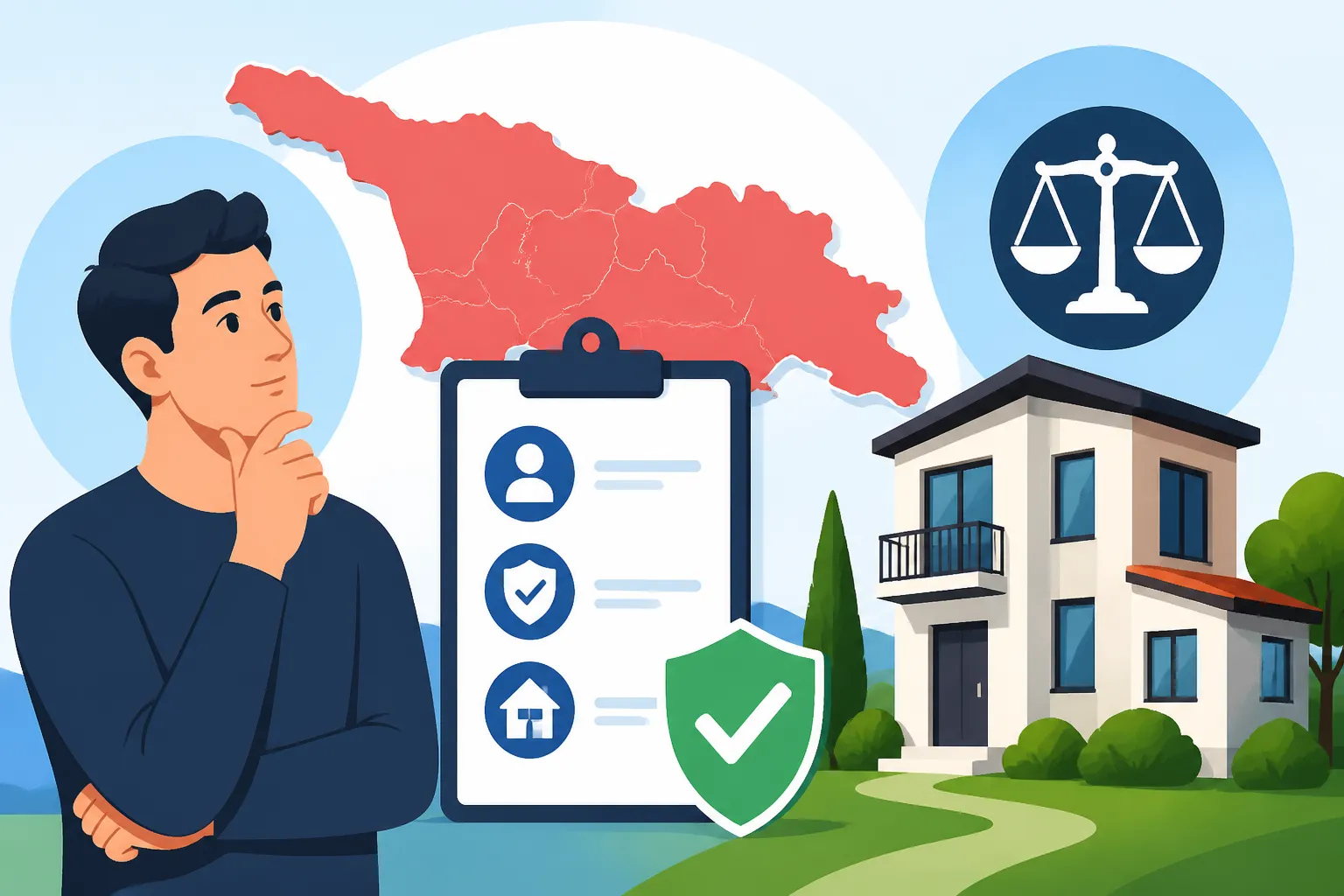
What Are the Rules for Foreigners Buying Property in Georgia?
So, you’ve fallen for Georgia, haven’t you? Maybe it was the incredible mountain views, the vibrant energy of Tbilisi, or the allure of Batumi’s seaside charm. The thought of putting down roots, of owning a slice of this beautiful country, often crosses the minds of many expats and digital nomads. But then the reality hits: "What are the actual rules for foreigners buying property here?" It's not as simple as signing a cheque, and the nuances can leave even the most seasoned expat scratching their head. Don't worry, friend, you're not alone. Many foreigners have navigated these waters, and in this comprehensive guide, we're going to break down everything you need to know about property ownership for foreigners in Georgia.
The Foundation: What Foreigners Can and Cannot Own
Let's cut right to the chase because this is usually the first question on everyone's mind. The good news is, Georgia is generally very welcoming to foreign property ownership. The bad news? There's one rather significant exception that catches many people off guard.
The Green Light: Apartments, Houses on Specific Land, and Commercial Property
When you look at the vibrant real estate market in Georgia, especially in cities like Tbilisi, Batumi, or Kutaisi, you'll find that foreigners can pretty much buy most types of urban property without a fuss. We're talking about apartments in those sleek new builds, charming old Tbilisi flats, or even modern detached houses – provided they sit on land zoned as residential or commercial.
The process for purchasing these types of properties is remarkably similar to how a local would buy them. You find your dream place, you haggle over the price (because, let's be honest, that's half the fun here!), you sign a preliminary agreement to seal the deal, make your payments, and then register your ownership with the Public Service Hall. It’s relatively straightforward, often quicker than in many Western countries, and usually doesn't involve excessive red tape. This ease of acquisition is definitely one of Georgia's big draws for international buyers. If you're looking for a general overview, take a look at our How to Buy Property in Georgia as a Foreigner: The Full Guide (2027) for a more expansive view of the entire process.
The Red Flag: Agricultural Land is Strictly Off-Limits
Now, for the critical caveat. This is where many expat dreams hit a snag, so pay close attention. Foreigners, by law, cannot directly own agricultural land in Georgia. This isn't just a minor administrative hurdle; it's enshrined in the Georgian constitution. What constitutes "agricultural land" can sometimes be surprisingly broad. It’s not just vast fields of vineyards or hazelnut groves. Even a small plot of land attached to a house that technically falls under an agricultural designation will make that property impossible for a foreigner to own directly.
Imagine you've found a quaint little house with a lovely garden on the outskirts of Tbilisi. Everything seems perfect, but then your lawyer or agent checks the public registry and discovers that a portion of the land, perhaps even just the garden, is legally classified as agricultural. Boom, deal over. It can be incredibly frustrating, and many hopeful buyers find this rule disheartening.
So, what are the implications? If a property has any agricultural component, you, as a foreign individual, cannot legally complete the purchase. The only common workaround, and it's one that comes with its own set of responsibilities and complexities, is to establish a Georgian company. This company, being a legal entity registered in Georgia, can then purchase agricultural land. However, this isn't a loophole for casual buyers. The company needs to demonstrate genuine business activity related to agriculture or other permissible commercial ventures, not just exist as a shell for land ownership. Setting up a company involves its own administrative burden, including tax obligations and annual reporting, so it’s not a path to be taken lightly. Before embarking on such a venture, it's wise to fully understand the tax implications by consulting our guide on The Complete Guide to Taxes in Georgia for Expats (2027).
Navigating the Purchase Process: A Step-by-Step Breakdown
Alright, so you know what you can and can't buy. Now, let's walk through the actual steps you’ll take when purchasing property in Georgia. It’s a journey, not a sprint, and having a clear roadmap will save you a lot of headaches.
Hunting for Property and the All-Important Due Diligence
The property hunt itself is often an exciting part of the expat experience. You'll likely start your search online, sifting through listings on popular Georgian real estate portals. However, I highly recommend finding a reputable real estate agent, especially one with experience working with foreigners. They can be invaluable for understanding the local market, deciphering nuances, and even knowing which properties might have that hidden agricultural land component. For advice on this, check out How to Find a Reliable Real Estate Agent in Georgia.
Once you've zeroed in on a property, the absolute most crucial step is due diligence. This is not optional. You need to verify that the seller genuinely owns the property, that there are no outstanding debts or legal encumbrances (like mortgages or liens), and most importantly, what the land classification is. This information is publicly available through the National Agency of Public Registry, often accessed at a Public Service Hall. A good lawyer will handle all of this for you, pulling official extracts from the registry. They'll confirm if the land is residential, commercial, or gasp agricultural. Never, ever skip this step. Trust me, an ounce of prevention here is worth a pound of cure. Understanding Property Ownership and the Market in Georgia (2027) will give you a deeper insight into the local nuances.
The Transaction: From Agreement to Ownership
Once due diligence is complete and everything checks out, the real transaction begins. This usually involves a few key stages:
-
Preliminary Agreement (or Reservation Agreement): This is often the first formal step. You’ll sign an agreement with the seller and typically pay a small deposit (usually a few thousand GEL or a percentage of the purchase price) to reserve the property. This agreement outlines the terms of the sale, the final price, the payment schedule, and the timeframe for the main sales agreement. It’s legally binding, so make sure you understand every clause.
-
Main Sales Agreement: This is the big one. The main sales agreement details all aspects of the transaction, including property description, full payment terms, and the obligations of both parties. While not always legally required for apartment sales, having this agreement notarized offers an extra layer of security and verification, especially for foreign buyers. Your lawyer will draft or review this document meticulously. Payments are typically made via bank transfer through a Georgian bank account. If you haven't already, you'll need to sort out your banking in Georgia – our guide on The Expat Guide to Opening a Bank Account in Georgia can help you with that.
-
Payment and Registration: After the main agreement is signed and payments are made (often in installments or a lump sum, as agreed), the final step is registering your ownership with the National Agency of Public Registry. This is typically done at a Public Service Hall. Both you and the seller (or your authorized representatives) will submit the necessary documents, including the sales agreement, passports, and any other required paperwork. The registration process is usually quite efficient, often completed within a few business days, after which you’ll receive an extract from the public registry confirming you as the legal owner. This is the moment you officially become a Georgian property owner!
Key Steps for Foreign Property Purchase in Georgia
| Step | Description | Important Considerations for Foreigners |
|---|---|---|
| 1. Property Search | Identify potential properties through online portals or real estate agents. | Focus on urban apartments, commercial spaces. Confirm no agricultural land component early. |
| 2. Engage Legal Counsel | Hire an independent Georgian lawyer to represent your interests. | Essential for due diligence, contract review, and navigating local laws, especially concerning land classification. |
| 3. Due Diligence | Lawyer checks property registration, ownership, liens, and most critically, land classification. | Verify the land is NOT agricultural. Confirm seller's legal right to sell. |
| 4. Preliminary Agreement & Deposit | Sign an initial agreement, pay a reservation deposit, and set terms for the main sale. | Ensure refund clauses or clear conditions are in place if the main sale doesn't proceed. |
| 5. Main Sales Agreement | Sign the full purchase contract outlining all transaction details, payment schedule, and obligations. | Consider notarization for added security. Ensure all clauses are understood, ideally with professional translation. |
| 6. Payment Transfer | Transfer the agreed purchase amount, usually via bank transfer from a Georgian bank account. | Plan for international transfers, potential bank fees, and currency exchange rates. |
| 7. Ownership Registration | Register the new ownership with the Public Registry at a Public Service Hall. | This legally transfers ownership. Ensure all required documents are translated and notarized if necessary. |
| 8. Obtain Registry Extract | Receive the official document confirming your legal ownership of the property. | Keep this document safe; it is your proof of ownership. |
Legal and Financial Considerations Beyond the Initial Purchase
Owning property is more than just the act of buying it. There are ongoing financial responsibilities and potential benefits, like residency, that you need to be aware of.
Residency Opportunities Through Property Ownership
One of the biggest perks of buying property in Georgia, particularly for those looking for a longer-term stay, is the potential to obtain a short-term residence permit. This is often referred to as a "real estate residence permit" or "investment residence permit" (though it's not quite the same as the larger investment visa). Currently, if you purchase residential or commercial property in Georgia with a market value of at least $100,000 USD, you can apply for a short-term residence permit.
Now, it's vital to understand that this isn't an automatic right, and the exact requirements, including the monetary threshold, can change. The property needs to be professionally appraised by a certified Georgian appraiser to confirm its market value, and you'll submit this appraisal along with your application. The Public Service Development Agency (PSDA) reviews these applications. This permit allows you to live in Georgia for a year, renewable annually, as long as you maintain ownership of the property and meet other criteria. This is a very popular route for many expats and digital nomads. You can dive deeper into this topic with our specific article on How Do I Get a Residence Permit by Buying Property in Georgia?. Also, for a broader perspective on relocation and permits, check out The Complete Visa and Immigration Guide for Relocating to Georgia (2027).
Taxes, Fees, and the Ongoing Cost of Ownership
Beyond the initial purchase price, there are several other financial aspects to consider when buying property in Georgia.
- Acquisition Costs: These typically include registration fees (minimal), potential notary fees (if you choose to notarize agreements), your lawyer's fees (highly recommended), and the appraisal fee if you're pursuing a residence permit. Compared to many countries, these upfront costs are generally low.
- Property Tax: This is often a pleasant surprise for expats. For residential properties, if the cadastral value (the official value determined by the state) is below a certain threshold (currently around 100,000 GEL, but always verify current figures), individual owners are often exempt from annual property tax. For properties above this threshold, or for commercial properties, property tax is levied at a small percentage of the property's value. Understanding Property Tax for Homeowners in Georgia will give you specific breakdowns.
- Ongoing Costs: Just like anywhere else, you'll have monthly utility bills for electricity, water, and gas. These are generally quite affordable. If you've bought into a new development or an apartment building, you'll also likely have building maintenance fees that cover common areas, cleaning, and sometimes security. These vary but are typically not exorbitant. For more on these, you can consult Understanding Building Maintenance Fees for Apartments in Georgia and How to Set Up Electricity in Your Georgia Home.
- Rental Income Tax: If you plan to rent out your property, you'll be subject to a flat 5% tax on your rental income as an individual. This is a very attractive rate compared to many other countries, making Georgia a popular choice for real estate investors.
Overall, the cost of living and property ownership in Georgia can be very attractive, which is why so many foreigners choose to settle here. Our guide on The Complete Guide to Cost of Living in Georgia for Expats (2026) gives a broader picture.
Common Pitfalls and Essential Expert Tips
Even with a relatively straightforward process, moving to a new country and buying property can have its challenges. Being prepared for common pitfalls and armed with good advice can make all the difference.
Language Barriers and Cultural Nuances
Let's be real, Georgian isn't the easiest language to pick up, and while many younger Georgians, especially in Tbilisi, speak English, you can't assume everyone involved in a property transaction will. Contracts will be in Georgian, official documents will be in Georgian, and even negotiations might involve interpreters. This is where your chosen lawyer and real estate agent become indispensable. Always ensure you have a clear understanding of what you're signing, ideally with a certified translation.
Culturally, things can also be a little different. Patience is often key. While transactions can be quick, don't expect the same kind of highly structured, rigidly punctual processes you might be used to in some Western nations. Sometimes things move at "Georgian time." Embrace it, but stay diligent. And remember, during your property search, having a reliable internet connection for quick translations or coordinating with your team is crucial. Services like Airalo can be a lifesaver for easily getting local eSIMs to stay connected without hassle, ensuring you're never out of touch when a crucial property update comes in.
The Power of a Strong Support Team: Lawyers, Agents, and Appraisers
I cannot stress this enough: your success in buying property in Georgia will largely depend on the team you build around you.
- Independent Lawyer: Get your own lawyer. Do not rely solely on the seller's lawyer or the real estate agent's recommendation for legal advice, unless you have verified their independence. Your lawyer's job is to protect your interests, conduct due diligence, review contracts, and ensure everything is legally sound. This is an investment, not an expense.
- Reputable Real Estate Agent: As mentioned, a good agent can navigate the market, understand your needs, and pre-screen properties for issues like agricultural land. They can also be a valuable resource for local insights.
- Certified Appraiser: If you're buying for residency purposes, a certified appraiser is non-negotiable. They will provide the official valuation document required for your residence permit application.
- Relocation Services: Once you've secured your property, the next step is often the move itself. Coordinating shipping, temporary housing, and all the logistics can be a beast. Companies like Sirelo offer comprehensive services that can help manage the complexities of an international move, ensuring your transition to your new Georgian home is as smooth as possible. Thinking about total costs? Our article How Much Does It Cost to Buy an Apartment in Tbilisi? can provide valuable insights into the full financial picture.
Buying property in Georgia as a foreigner is very much achievable and often a rewarding experience. Just remember the golden rule about agricultural land, invest in good legal advice, and approach the process with a clear understanding of the steps involved. Happy house hunting!
Disclaimer
Please remember that I am an expat blogger, not a legal or financial advisor. While I strive to provide accurate and up-to-date information based on my experience and research, rules and regulations in Georgia can change. Always consult with qualified legal professionals, real estate agents, and financial advisors in Georgia before making any property investment or legal decisions. This guide is for informational purposes only.