How Do I Set Up a Mobile Phone Plan in Georgia?
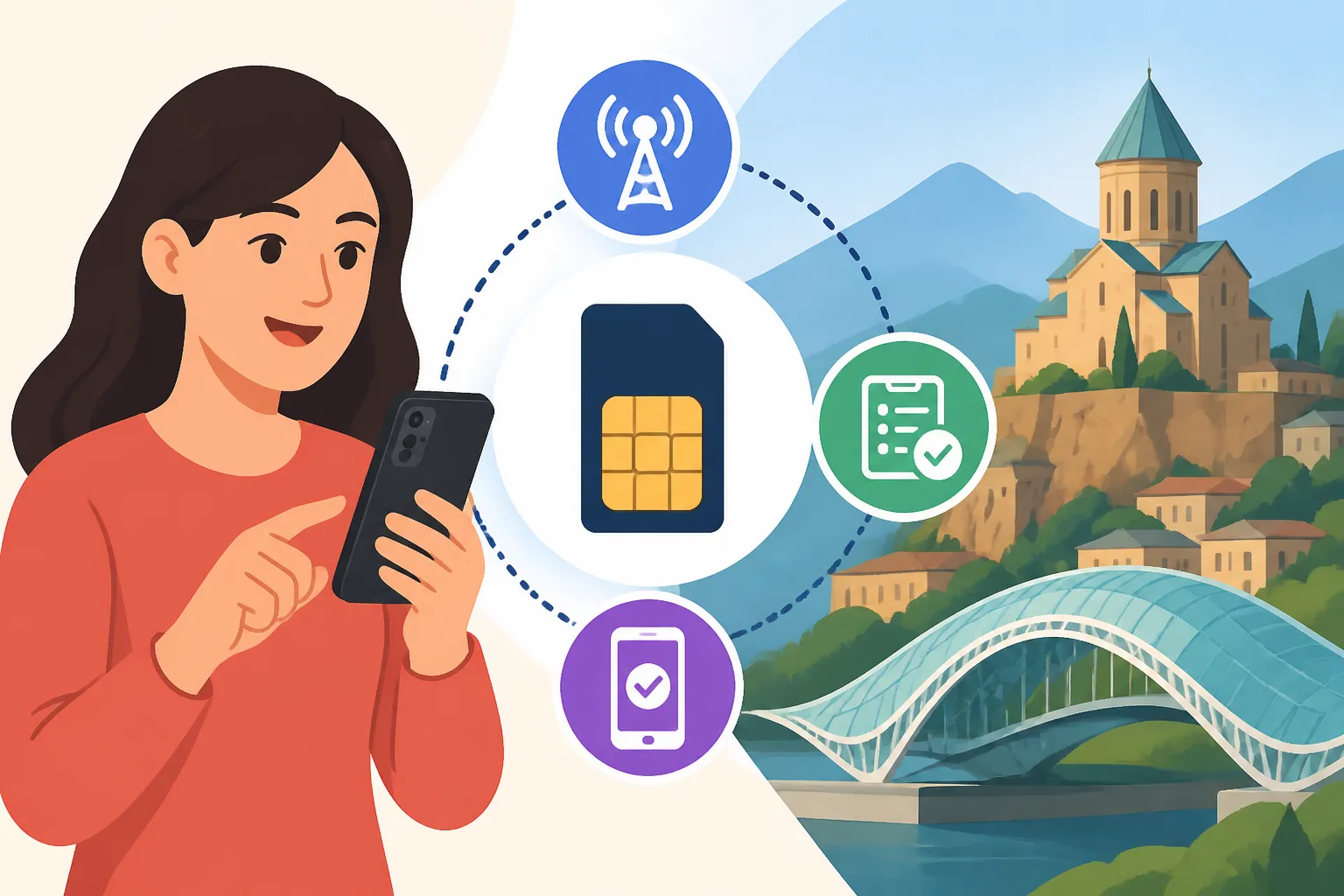
Oh, the glorious quest for a mobile phone plan in Georgia! It’s one of those initial, seemingly simple tasks that can quickly become a mini-saga when you first arrive. You just want to connect, right? To tell your family you landed safely, to use Google Maps, or to order that first meal without relying on dodgy public Wi-Fi. This guide is here to walk you through the ins and outs of getting your mobile phone plan sorted in Georgia, bypassing the head-scratching moments and getting you connected like a local.
The Initial Challenge: Getting Connected Upon Arrival
When you first step off that plane, the thought of navigating a new country’s telecommunications can feel like a whole new level of bureaucracy. But trust me, it’s one of the first things you absolutely must tackle. We’ve all been there: fumbling with airport Wi-Fi that barely works, trying to call a landlord or an Airbnb host with an international roaming plan that’s draining your bank account faster than you can say "Gamarjoba."
The need for immediate, reliable connectivity goes beyond just basic communication. It's about security, convenience, and peace of mind. You'll need it for ride-sharing apps, checking bus schedules, translating menus, and even for those urgent calls back home. Trying to get by on Wi-Fi alone is a fool's errand here; many places still operate primarily on cash, and having a functioning mobile number is often the key to interacting with local services. Think about needing to quickly access your banking app, confirm an appointment, or even just find the nearest pharmacy when you're feeling under the weather. That little piece of plastic, or digital equivalent, becomes your lifeline.
Why Getting a Local SIM is Crucial Early On
Look, I can't stress this enough: get a local SIM card as soon as humanly possible. Relying on your home country's roaming plan, even for a few days, is an express ticket to spending way too much money. Those international rates are brutal, and frankly, unnecessary when local options are so affordable. Beyond the cost, a Georgian number will make your life infinitely easier for things like setting up your internet service at home or even How to Set Up Electricity in Your Georgia Home. Local businesses and service providers are often hesitant to call international numbers, and trying to communicate via messaging apps alone can be a nightmare if they need to reach you urgently.
It’s also about integration. Many online services, from food delivery to local banking apps (which you'll definitely need for The Expat Guide to Opening a Bank Account in Georgia), often require a local Georgian phone number for verification or registration. Without one, you’ll find yourself hitting constant roadblocks, feeling like you’re stuck in a digital limbo. So, for practical reasons, financial reasons, and sheer sanity, make that SIM card a top priority.
Major Mobile Providers in Georgia
Georgia has a fairly competitive mobile market, which is great news for us expats. You primarily have three big players:
- MagtiCom (Magti): Often considered the premium network, Magti boasts the widest coverage, especially in more rural areas and across the mountainous regions. Their data speeds are generally excellent, and they have a strong presence with stores in every major city. Many expats gravitate towards Magti for its reliability.
- Silknet (formerly Geocell): Silknet is another major player, offering comparable services to Magti. They acquired Geocell a few years back, so you might still hear people refer to Geocell. Their coverage is also very good, and they often have competitive packages, especially for data.
- Beeline Georgia: Beeline tends to be the budget-friendly option. While their prices can be a bit lower, their coverage, particularly outside of Tbilisi and other major cities, isn't always as robust as Magti or Silknet. For those primarily staying in urban areas and looking to save a few Lari, Beeline can be a decent choice.
Each provider offers different bundles and promotions, so it’s worth a quick comparison, even if you’re just getting a basic plan to start. The good news is that switching between them isn't overly complicated if you find one isn't meeting your needs down the line.
Step-by-Step Guide to Getting a Georgian SIM Card
Alright, let's get down to brass tacks. Getting a SIM card here isn’t like some countries where you just grab one off a shelf and go. There's a quick registration process, but it’s generally straightforward once you know the drill.
Where to Buy Your SIM Card: Airport vs. City Stores
This is one of those classic expat dilemmas: get it done at the airport or wait until you're settled?
- At the Airport: All three major providers (Magti, Silknet, Beeline) have kiosks or small shops at Tbilisi International Airport (TBS) and other major airports. This is hands-down the easiest and most immediate option. The staff at the airport kiosks are generally used to dealing with foreigners and often speak English, which is a huge relief when you’re fresh off a flight. You can buy a SIM, activate it, and even top up with an initial package right there. The prices are usually the same as in city stores, so you’re not paying an "airport premium." The main downside is that the queue might be long, especially if several flights have just landed, but honestly, it’s often worth the wait for immediate connectivity.
- In City Stores: If you decide to wait, you can visit any official Magti, Silknet, or Beeline store in the city. You'll find them scattered throughout central areas of Tbilisi, Batumi, Kutaisi, and other populated towns. For example, in Tbilisi, there are large Magti and Silknet branches on Rustaveli Avenue and in various shopping malls like Tbilisi Mall or Gallerea Tbilisi. The staff in city stores also usually speak enough English to help you, especially in touristy areas. The advantage here is less rush and potentially more time to compare packages, but you’ll need to navigate to the store without data first, which can be tricky. You might even consider getting a temporary eSIM from a provider like Airalo for your first few days to bridge this gap, especially if you plan to get a physical SIM later in the city. Airalo offers various regional and country-specific data plans that can keep you connected immediately upon landing without needing to physically buy a SIM.
Documents You'll Need and The Registration Process
Here's where it gets important. Unlike some places, you can’t just buy an anonymous SIM card in Georgia. You'll need to register it in your name.
- Your Passport: This is the absolute non-negotiable item. Make sure it's valid and you have it with you. They will scan it and input your details into their system.
- Your Phone: Obviously, you’ll need the device you intend to use the SIM with. The staff will insert and activate the SIM for you.
- Cash or Card: You'll need to pay for the SIM card itself (which is usually quite cheap, sometimes even free if you purchase a package) and your initial desired package (data, calls, SMS). Both cash (Georgian Lari, GEL) and card payments are widely accepted.
The process usually goes like this:
- Enter the store and indicate you want to buy a SIM card.
- Choose your preferred operator (Magti, Silknet, Beeline).
- Present your passport to the staff.
- They will register your details, take a photo of your passport, and often a photo of you directly through their system. This is standard procedure for identity verification.
- Select your initial tariff plan or a bundle package that suits your immediate needs. Don't worry, you can change this later.
- Pay for the SIM and the package.
- The staff will insert the SIM card into your phone, activate it, and usually help you ensure it's working by making a test call or showing you data connectivity.
- You’ll receive a small card with your new Georgian phone number and often a PUK code (keep this safe!).
It’s usually a quick process, taking no more than 10-15 minutes if there isn't a long queue. Just be patient, and don't hesitate to ask questions if something isn't clear. This is part of getting yourself sorted in your new home, much like understanding What Documents Do I Need to Rent an Apartment in Georgia?.
Understanding Different Plan Types: Prepaid vs. Postpaid
Most expats start with and stick to prepaid plans (often called postpay or flexible plans here, confusingly, but they function like prepaid). This means you top up your balance, then purchase various packages (data, minutes, SMS) from that balance. It offers immense flexibility, as there are no contracts, no monthly bills in the traditional sense, and you only pay for what you use or activate.
- Prepaid (Flexi-Plans): This is the most common and recommended option for expats. You buy a SIM, top up your account with money, and then use that money to buy specific bundles. For example, you might buy a 30-day data package of 10GB, or a package that includes unlimited local calls. You can easily switch packages each month based on your usage, or simply top up as needed. This approach is excellent for managing your spending, which is crucial when figuring out How Much Does It Cost to Live in Tbilisi per Month?.
- Postpaid (Contract Plans): These are less common for newcomers and usually require a residence permit and potentially a bank account to set up, as they involve a monthly billing cycle. They often come with slightly better rates if you’re a heavy user and commit to a longer term, but the flexibility of prepaid usually outweighs these benefits for most expats. Unless you're planning a very long-term stay and have all your residency documents in order, stick to prepaid.
| Feature | MagtiCom (Magti) | Silknet (Geocell) | Beeline Georgia |
|---|---|---|---|
| Coverage | Best, especially in rural/mountainous areas | Very good, strong in cities | Good in cities, weaker in rural areas |
| Data Speed | Generally excellent | Excellent, comparable to Magti | Good in cities, can be inconsistent elsewhere |
| Price Point | Mid-to-high, but offers good value for coverage | Mid-range, competitive packages | Budget-friendly |
| Expat Friendliness | High (English-speaking staff common, reliable) | High (English-speaking staff common, reliable) | Moderate (can be less English-centric outside Tbilisi) |
| Prepaid Options | Extensive data, call, SMS bundles (e.g., 'Kombo') | Various 'Mix' packages with data/minutes/SMS | Basic data and call packages, good for light users |
| Unique Offers | Roaming packages, strong rural connectivity | Integrated home internet/TV bundles for residents | Specific social media bundles |
Navigating Plans, Top-Ups, and Data Packages
Once you have your SIM, the journey isn't over. You'll need to know how to keep it topped up, manage your data, and explore different packages. This is where a little bit of local knowledge truly helps.
Topping Up and Managing Your Balance
Topping up your phone credit (known as "balancing" or "loading money") is incredibly easy in Georgia.
- Payment Terminals (Pay Boxes): These are ubiquitous. You’ll find bright orange, blue, or green terminals on almost every street corner, inside supermarkets, metro stations, and even small shops. They’re multilingual, usually offering Georgian, English, and Russian. You simply select your mobile operator, enter your phone number, insert cash (Lari only), and the credit is instantly added to your balance. There's usually a small service fee (around 0.5 – 1 GEL). These are your best friends for quick top-ups.
- Online Banking Apps: If you have a Georgian bank account (which I highly recommend getting, especially with options like TBC or Bank of Georgia), you can top up directly through their mobile apps. Both TBC Bank and Bank of Georgia have excellent, English-friendly apps. This is super convenient and often bypasses the small terminal fees. It's a lifesaver for managing all your bills, similar to how you’d manage How Do I Set Up Auto-Pay for My Utility Bills in Georgia?.
- Operator Stores: You can always go back to an official store to top up, but frankly, it’s less convenient than the terminals or banking apps for a quick credit injection.
Once you have a balance, you’ll usually dial a short code (e.g., *111# for Magti, *107# for Silknet, *111# for Beeline – though these can change, so check with the provider) or use their official mobile app to purchase your desired data, call, or SMS packages.
Exploring Data Packages and International Calls
The real game-changer for most expats is the data. Wi-Fi isn't always reliable outside your home or office, and having consistent mobile data is essential for modern life.
- Data Packages: All providers offer a wide range of data packages, from small daily bundles to generous monthly allowances. For example, Magti offers "Kombo" packages that include varying amounts of data, local minutes, and SMS, usually valid for 30 days. Silknet has "Mix" bundles, and Beeline offers specific data-only packs. A typical monthly data package (e.g., 10-15 GB) can range from 15-30 GEL, which is very affordable compared to many Western countries. Keep an eye on the operator’s app or website for special promotions, as they often have seasonal deals.
- International Calls: While most of us rely on WhatsApp, Telegram, or Viber for international communication, sometimes you need to make a traditional international call. Providers offer international call packages or specific rates for different countries. It's usually cheaper to buy a bundle of international minutes if you plan to make regular calls, rather than paying per minute at standard rates. Always check the specific rates for the countries you call most frequently, as they vary. For general communication, relying on data-based apps is still the most cost-effective solution.
eSIMs and Alternative Connectivity for Expats
eSIM technology has become a game-changer for travelers and expats, offering flexibility without the need for a physical SIM card. If your phone supports eSIMs, this can be an excellent option for immediate connectivity upon arrival, or as a secondary data line.
- Airalo and Other eSIM Providers: Services like Airalo allow you to purchase data plans for Georgia (or regional plans that include Georgia) and activate them digitally on your compatible device before you even land. This means you step off the plane already connected, which can be invaluable for navigation, contacting your driver, or letting loved ones know you’ve arrived. While a local physical SIM often offers better long-term value for extensive usage, Airalo is perfect for those first few days, a short trip, or as a reliable backup when your local SIM is acting up or you're outside a major city. Many expats use Airalo for initial data while they get their bearings and decide which local provider to commit to.
- Pocket Wi-Fi: Another alternative, though less common for individual expats settling down, is a pocket Wi-Fi device. These devices provide a mobile hotspot, connecting multiple devices. They can be rented at airports or from specialized companies. This is more suited for groups or short-term tourism where you want to keep all your devices (and friends' devices) connected with one plan, but for a single expat, a direct SIM or eSIM is usually more practical and cost-effective.
- Public Wi-Fi: While it's tempting to rely on free public Wi-Fi, especially in cafes or public squares (like the free Tbilisi Loves You network), it's often unreliable, slow, and, more importantly, insecure for sensitive tasks. It's fine for a quick message, but not for online banking or any essential communication. Always use a VPN if you're on public Wi-Fi.
Common Pitfalls and Pro Tips for Expats
Even with all this information, moving to a new country always throws up a few curveballs. Here are some things to watch out for and some tips from one expat to another.
Language Barriers and Customer Service
While many staff at the main provider stores in Tbilisi and other major cities speak English, especially at airport kiosks, don't expect it everywhere. If you visit a smaller branch or call customer service, you might encounter a language barrier.
- Google Translate is Your Friend: Always have Google Translate (or a similar app) ready, especially with the offline Georgian language pack downloaded. It can be a lifesaver for deciphering signs, menu options, or communicating complex issues.
- Bring a Local Friend (if possible): If you’re really struggling, or have a complex issue, asking a Georgian friend or even a helpful landlord to accompany you or make a call for you can simplify things immensely. This is part of the charm and challenge of living here, similar to how you might need help when you How to Find an English-Speaking Doctor in Georgia?.
- Operator Apps: All three major providers have user-friendly mobile apps. These apps are usually available in English and allow you to check your balance, buy packages, and manage your account without needing to speak to anyone. Download your provider’s app as soon as your SIM is active.
Keeping Your Number and Long-Term Considerations
Once you have a Georgian number, you’ll probably want to keep it. It becomes your identity for a lot of services here.
- Regular Usage/Top-Ups: To keep your number active, you generally need to use it regularly or top up your balance. If you leave Georgia for an extended period, ensure you either suspend your account (if your provider offers it) or simply top up enough to maintain activation, usually requiring a small transaction every few months. The exact rules for inactivity vary slightly between providers, so it's wise to check with your chosen operator. Typically, if you don't top up or use your phone for six months, the number might be de-activated and eventually reassigned.
- Residence Permit Link: Your SIM card is linked to your passport, and by extension, your residence status. If you secure a Georgian residence permit (which many long-term expats do, for work or through other means, as detailed in The Expat Guide to Getting a Residence Permit in Georgia), it’s not directly linked to your phone plan unless you opt for a postpaid contract. Your prepaid SIM will continue to function independently of your residence permit status, as long as you keep it active.
- Moving Providers: If you’re unhappy with your current provider, you can usually port your number to another network. This process is called "number portability." You’ll need to visit the store of the new provider you wish to join, and they will guide you through the process, which usually involves filling out a form and takes a few business days. It’s fairly straightforward, especially since you’re already a registered mobile user in Georgia.
Getting your mobile phone plan set up might seem like a small hurdle, but it unlocks so much of daily life here. Don't stress it too much; with your passport and a little patience, you'll be connected in no time!
Disclaimer
The information provided in this guide is intended for general informational purposes only and does not constitute professional advice. While we strive to keep the information accurate and up-to-date, telecommunication policies, pricing, and services in Georgia can change. We recommend verifying current details directly with the respective mobile service providers or a local expert. The author and publisher are not responsible for any actions taken based on the information contained herein.