Understanding the Role of Private Clinics in Georgia’s Health System
Ah, the Georgian healthcare system – it's often one of the first big puzzles expats face when settling in. You arrive, full of excitement, and then suddenly, you need a doctor, and you're staring at Google Maps wondering if that clinic with the unpronounceable name will understand "my throat hurts." The good news is, while the public system has its place, it's the network of private clinics that truly makes life easier and healthier for us foreigners. This guide is all about demystifying those private clinics, explaining their crucial role, what they offer, and how you can best utilize them to keep yourself feeling great during your expat adventure in Georgia.
Why Private Clinics Are a Game-Changer for Expats in Georgia
When you first land in Georgia, the local healthcare system can feel like a labyrinth. You're trying to figure out your residence permit, where to get groceries, and suddenly, a sniffle turns into a full-blown cold, or a minor ache becomes a worry. It’s completely natural to feel a bit lost and uncertain about where to turn for medical care, especially when you’re not fluent in Georgian. This is precisely where Georgia's private clinics step in, often becoming the primary and preferred healthcare choice for the expat community. They offer a sense of familiarity, comfort, and direct communication that can be invaluable when you're feeling vulnerable.
The Allure of Modern Facilities and English-Speaking Staff
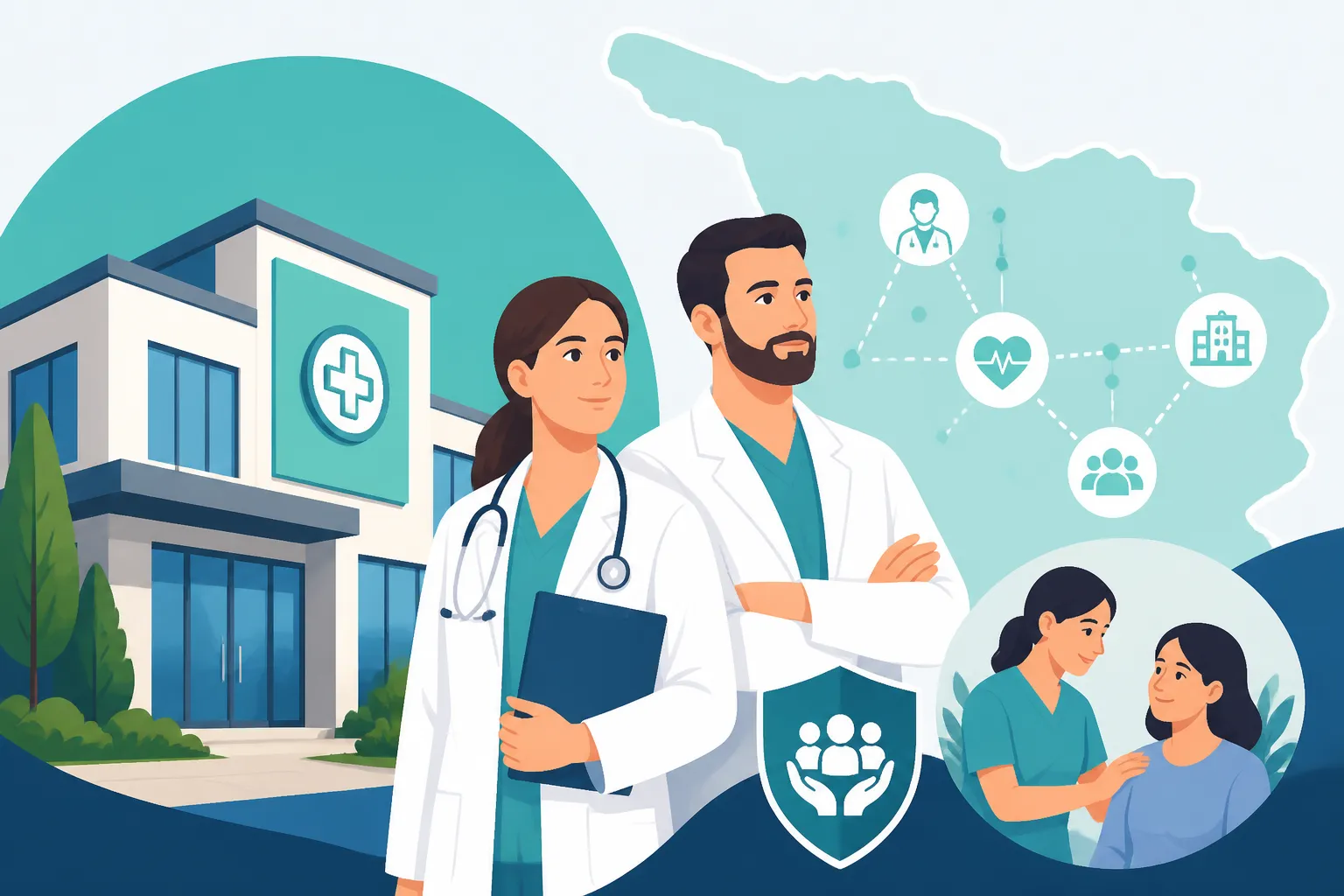
One of the biggest draws of private clinics in Georgia, particularly in Tbilisi and Batumi, is their distinctly modern approach. Forget the sometimes stark, bureaucratic feel that can be associated with older public institutions. Private clinics are often housed in contemporary buildings, with bright, clean waiting areas that feel more like a comfortable lounge than a sterile medical environment. They invest in up-to-date diagnostic equipment, ensuring you get accurate and timely results.
But let's be honest, the real game-changer for many of us is the language. Walking into a private clinic and being greeted by a receptionist who speaks fluent English, followed by a doctor who can explain your symptoms and treatment options without relying on Google Translate or frantic hand gestures, is an immense relief. Many doctors in these private facilities have studied abroad or are specifically trained to cater to an international clientele, understanding not just the language barrier but also different cultural expectations around healthcare. They've heard it all before, from "I need a doctor's note for my employer" to "Where can I get a specific vaccination from my home country?" This level of understanding significantly reduces stress and ensures you receive care that truly meets your needs, rather than feeling like you're playing charades with your health.
Bridging the Gap in Service and Accessibility
Beyond language and aesthetics, private clinics significantly bridge the gap in service and accessibility that expats might otherwise face. In some public settings, wait times can be lengthy, and the appointment system might not be as straightforward as you're used to. Private clinics, on the other hand, often boast far shorter waiting times for appointments, including specialists. You can typically call or even use online platforms to book your visit with relative ease, sometimes even getting a same-day appointment for urgent, non-emergency issues.
This efficiency is a huge plus. Imagine you wake up with a nasty ear infection. The thought of spending hours in a waiting room, potentially struggling to explain your symptoms, is enough to make anyone dread seeking care. With private clinics, you can often get in, see a doctor, get a prescription, and be on your way within a reasonable timeframe. This patient-centric approach means less time spent waiting and more personalized attention during your consultation. They prioritize convenience, understanding that for many expats, time is precious, and navigating bureaucracy can be a significant hurdle. This streamlined process makes accessing necessary medical care far less daunting, allowing you to focus on getting better rather than on the logistics of your visit.
Types of Services You'll Find at Private Clinics
One of the most appealing aspects of Georgia's private clinics is the sheer breadth of services they offer. You might initially think of them just for a quick consultation, but in reality, they often function as comprehensive hubs for almost all your routine and specialized medical needs, streamlining your healthcare journey in a way that truly simplifies life for us expats.
Comprehensive General Practice and Specialist Care
At the heart of most private clinics is a robust general practice department. When you need a basic check-up, have common ailments like a cold, flu, or digestive issues, or just require a general health assessment, a general practitioner (often referred to as a "therapist" in Georgia) at a private clinic is your first port of call. They’re usually well-versed in common expat health concerns and can provide initial diagnoses, prescribe medications, and offer advice on preventative care. It’s also where you’ll typically go for routine vaccinations or if you need a medical certificate for work or travel.
But the reach of private clinics goes far beyond general medicine. They are fantastic gateways to a vast network of specialists. Need to see a dermatologist for a skin issue? A cardiologist for heart concerns? A gynecologist for women's health? Or perhaps an endocrinologist for thyroid problems? Private clinics often house these specialists directly within their facilities or have established, trusted referral pathways. The process of getting a referral is usually much smoother than in other systems you might be used to; your general practitioner can often book an appointment with a specialist for you on the spot, sometimes even within the same building. This integrated approach means you spend less time trying to coordinate different appointments across various locations and more time focusing on your health. Many expats find great comfort in knowing they can access such a diverse range of expertise under one roof, often with doctors who are experienced in treating international patients.
Diagnostic, Laboratory, and Elective Procedures
Beyond consultations, private clinics in Georgia are often equipped with impressive diagnostic capabilities, meaning you don't have to trek to a separate facility for most tests. This is a huge convenience, saving you time and stress when you're already not feeling your best.
You'll find state-of-the-art imaging services readily available. Need an MRI, CT scan, X-ray, or ultrasound? Many private clinics have these machines on-site, providing quick and detailed results that aid in accurate diagnosis. The staff operating this equipment are generally highly trained, and the reports are often translated into English or presented in a format that's easily understood by international doctors.
Equally important are the comprehensive laboratory services. From routine blood work, urine tests, and stool samples to more advanced diagnostic panels for allergies, hormones, or specific infections, private clinics can handle it all. The labs are typically modern, adhering to international standards, and provide results efficiently. This means your doctor can quickly get the information needed to make an informed decision about your treatment plan.
Furthermore, many private clinics offer a range of elective procedures. This can include minor surgeries, such as mole removal, wart treatments, or other small dermatological interventions. You might also find clinics offering various aesthetic treatments, dental services, or even physiotherapy. While they won't typically perform major, complex surgeries – those are usually reserved for larger private hospitals – for many outpatient procedures and ongoing therapies, private clinics are an excellent and convenient option. The focus here is on providing a seamless and efficient experience, from diagnosis to treatment, often all within the same trusted environment.
Navigating Costs and Insurance in Private Healthcare
Let's talk about the elephant in the room: money. While Georgia is generally known for its affordable cost of living, healthcare costs, especially in the private sector, are a legitimate concern for any expat. The good news is that compared to Western Europe or North America, private healthcare here can be surprisingly budget-friendly, but it still requires careful planning and understanding how insurance plays its part.
Understanding Out-of-Pocket Expenses
Even with insurance, you'll likely encounter out-of-pocket expenses, so it’s crucial to have a realistic idea of what things cost. A standard consultation with a general practitioner at a reputable private clinic in Tbilisi or Batumi typically ranges from 50 to 100 GEL, though it can go higher for very senior specialists or initial extensive consultations. Specialist consultations might be slightly more, perhaps 80-150 GEL.
Diagnostic tests vary widely. A basic blood test panel could be anywhere from 30-80 GEL, while a more specialized test might cost several hundred GEL. Imaging services like an X-ray might be 50-100 GEL, an ultrasound 80-150 GEL, and an MRI or CT scan could range from 250-600 GEL or more, depending on the area scanned and the complexity. These are general estimates, of course, and prices can fluctuate based on the clinic's prestige, its location (Tbilisi clinics might be slightly pricier than those in smaller cities), and the specific doctor's fees.
My best advice? Always ask about the price before receiving a service. Most private clinics are very transparent about their fee structures. Don't be shy; a simple "რა ღირს?" (Ra ghirss? – How much does it cost?) or "Can you tell me the estimated cost for this consultation/test?" will save you any surprises at the billing desk. Many clinics also have English-speaking staff who can provide a detailed breakdown of costs upfront.
To give you a better idea, here's a rough comparison for some common services:
| Service | Estimated Cost Range (GEL) |
|---|---|
| General Practitioner Visit | 50 – 100 |
| Specialist Consultation | 80 – 150 |
| Basic Blood Test Panel | 30 – 80 |
| X-Ray | 50 – 100 |
| Ultrasound (e.g., abdominal) | 80 – 150 |
| MRI (e.g., brain or knee) | 250 – 600 |
| Dental Cleaning | 70 – 150 |
| Physiotherapy Session | 40 – 80 |
Please note: These are approximate costs and can vary significantly based on the clinic, location, doctor's experience, and specific procedures.
Private Health Insurance: Your Expat Lifeline
Now, for the real peace of mind: private health insurance. While Georgia has a Universal Healthcare Program (UHC) that provides some coverage for Georgian citizens and certain residents, expats usually find that private insurance is their absolute lifeline, especially if you're not eligible for UHC or desire more comprehensive coverage and access to the best private facilities. You can delve deeper into How Georgia's Health System Works: Universal Healthcare and Private Care Explained (2027) to understand the nuances.
Private health insurance is not just recommended; for many, it's essential. It allows you to access the excellent private clinics and specialists without constantly worrying about the out-of-pocket costs, particularly for more extensive diagnostics, treatments, or unexpected medical events. When considering your options, you'll find there are both local Georgian private insurance providers and international plans. Each has its pros and cons, which you can explore further in How to Choose Between Local and International Health Insurance in Georgia.
How it works:
- Direct Billing: Some private clinics have direct billing agreements with major insurance providers. This means the clinic sends the bill directly to your insurer, and you only pay any deductibles or co-payments as per your policy. This is the smoothest option!
- Reimbursement: More commonly, you'll pay for your services upfront and then submit a claim to your insurance provider for reimbursement. This requires you to keep all receipts, medical reports, and diagnostic results. Make sure to get an official invoice with all the details required by your insurer.
For many digital nomads or those on a flexible visa, providers like SafetyWing offer a vital safety net, covering unexpected medical needs while keeping you compliant with local recommendations. It's designed with the modern, mobile expat in mind, providing coverage that can travel with you, a huge plus if you're not staying put for years. When you're just starting out, or if your employment doesn't include health benefits, a flexible plan from a reputable provider like SafetyWing can make a world of difference. Understanding How Much Does Private Health Insurance Cost in Georgia in 2026? is crucial for budgeting. Remember, insurance isn't just for emergencies; it covers routine check-ups and specialist visits, turning potential financial burdens into manageable expenses. Ultimately, private health insurance empowers you to confidently access the best healthcare Georgia's private clinics have to offer.
Choosing the Right Private Clinic for You
Finding the perfect private clinic in Georgia isn't just about picking the first one that pops up on Google. It’s a personal journey, and what works for one expat might not suit another. Considering that you’re entrusting them with your health, taking a bit of time to research and choose wisely will pay dividends in peace of mind and quality of care.
Factors to Consider: Location, Reputation, and Specializations
First things first, location is paramount. You don't want to be trekking across Tbilisi with a high fever or a sprained ankle. Think about clinics close to your home, workplace, or in areas easily accessible by public transport. For those of us living in Tbilisi, areas like Saburtalo and Vake are generally rich with private medical centers. Consider how easy it is to get there via metro or a quick taxi ride.
Next, reputation is everything. Don't just rely on the clinic's flashy website. Ask other expats in online forums (Facebook groups for expats in Tbilisi or Batumi are goldmines for this!), check Google reviews, and if possible, speak to people who have personally visited the clinics. Look for consistent feedback regarding the quality of care, professionalism of staff, and cleanliness. A clinic might look great, but if everyone complains about long wait times despite having appointments, that's a red flag.
Then there's specialization. While many private clinics offer a wide array of services, some might have particular strengths. For instance, some clinics might be renowned for their cardiology department, while others might excel in gynecology or pediatrics. If you have a specific ongoing health concern, it's worth seeing if a particular clinic or doctor has a strong reputation in that field. Checking a doctor’s qualifications, where they trained, and their years of experience can also provide valuable insight. Ultimately, you want to feel confident that the people treating you are highly competent and experienced in their respective areas.
Finding English-Speaking Doctors and Support Staff
This is often the number one concern for expats, and rightfully so. A medical consultation is not the time for misunderstandings due to language barriers. While many private clinics advertise English-speaking staff, the level of fluency can vary. It’s not uncommon to find that while the administrative staff speak excellent English, the doctor might have a more limited grasp, or vice-versa.
Here are a few tips to ensure you find truly English-speaking professionals:
- Ask Directly When Booking: When you call or email to book an appointment, explicitly state that you require an English-speaking doctor. Don't be afraid to confirm their fluency level. Many clinics will tell you if a specific doctor is fluent.
- Online Directories and Expat Groups: These are invaluable resources. Expats frequently share recommendations for doctors who speak excellent English in various specialties. You'll often see specific doctor names mentioned repeatedly. Sites like Doc.ge or even Google Maps reviews can sometimes highlight language capabilities.
- Initial Consultation as a "Test Run": If you're unsure, perhaps book a routine, non-urgent consultation first. This gives you a chance to assess the doctor's communication style and English fluency before you commit to more complex or ongoing treatment.
- Don’t Hesitate to Switch: If you find yourself struggling to communicate effectively with a doctor, don't feel obligated to continue. Your health is paramount, and it's perfectly acceptable to seek out another professional with whom you can communicate clearly.
Remember, a good doctor-patient relationship is built on trust and clear communication. Finding a clinic and doctors where you feel truly understood can make all the difference in your healthcare journey in Georgia. We even have a dedicated guide to help you further: How to Find an English-Speaking Doctor in Georgia.
Integration with Georgia's Broader Health System
It’s easy to get tunnel vision when focusing on private clinics, but it's important to remember that they operate within Georgia's larger healthcare ecosystem. Understanding how they connect, and when to choose private versus other options, is key to navigating the system effectively.
Public vs. Private: When to Choose Which
The choice between Georgia's public and private healthcare systems isn't always clear-cut, especially for newcomers. Both have their place, and understanding their strengths helps you make informed decisions about your health. For a comprehensive overview, I highly recommend reading Public vs Private Healthcare in Georgia: What Expats Need to Know.
Choose Private Clinics When:
- You Prioritize Comfort and Convenience: As we’ve discussed, private clinics excel in offering modern facilities, shorter wait times, and a more patient-centric approach. The booking process is usually smoother, and the overall experience is designed to minimize stress.
- You Need English Communication: This is often the biggest factor for expats. Private clinics are far more likely to have English-speaking doctors and staff, ensuring clear communication about your symptoms and treatment.
- You Seek Specialist Care: Accessing specialists like dermatologists, endocrinologists, or cardiologists is typically quicker and more streamlined through private clinics. Many also offer comprehensive annual health checks tailored for preventative care.
- You Have Private Health Insurance: If you’re covered by an international or local private health insurance plan, utilizing private clinics will allow you to maximize your benefits and minimize out-of-pocket expenses.
Consider Public or Larger Hospitals When:
- It’s a Medical Emergency: For severe, life-threatening emergencies (e.g., heart attack, serious accident), you should always go to the nearest emergency room, which will often be at a large public or university hospital. While some large private hospitals have emergency departments, the public system is equipped for mass casualty and major trauma. Call 112 for an ambulance.
- Complex or Long-Term Hospitalization: For very complex surgeries, intensive care, or extended hospital stays, the larger public and some major private hospitals (like Evex Hospitals or New Hospitals in Tbilisi) are often the primary facilities.
- Budget is the Primary Concern: If you don't have private insurance and your budget is extremely tight, the public system, especially if you qualify for components of the UHC, might be your only option. However, be prepared for potential language barriers and a different service experience.
It’s not about one being inherently "better" than the other, but rather about choosing the right tool for the job. For most routine, non-emergency expat healthcare needs, private clinics are generally the most comfortable, efficient, and accessible option.
Emergency Care and Hospital Referrals
It's a common misconception that private clinics can handle all medical situations, but it's vital to understand their limitations, especially regarding emergencies. Most private clinics in Georgia operate primarily as outpatient facilities. This means they are not typically equipped with full-scale emergency rooms or the infrastructure for critical, life-saving interventions like major public hospitals.
If you experience a true medical emergency – something that requires immediate, life-sustaining care like a severe accident, sudden chest pain, or loss of consciousness – your first step should always be to call the emergency number 112 for an ambulance, or head straight to the nearest large hospital emergency department. These are usually found in the major public hospitals or larger private hospital networks. Knowing Emergency Medical Care in Georgia: What Every Expat Needs to Know is crucial for your safety. While a private clinic might be able to stabilize a minor emergency, they will almost certainly transfer you to a hospital if your condition is serious.
However, where private clinics truly shine in this context is their role in referrals. If you see a general practitioner or specialist at a private clinic and they determine you need inpatient care, a more complex diagnostic procedure not available on-site, or a surgical intervention, they will facilitate a referral to an appropriate hospital or a specialized medical center. This referral process is usually quite smooth. Your doctor at the private clinic will provide you with all necessary medical documentation, test results, and a formal referral letter, often helping you book the next appointment or ensuring a smooth transition to the hospital.
For instance, if you have severe abdominal pain and the private clinic's ultrasound suggests a possible appendicitis, they will immediately refer you to a hospital with surgical capabilities. Or, if a specialist identifies a condition requiring ongoing physical therapy that their clinic doesn't offer, they’ll refer you to a reputable physiotherapy center. This coordinated approach ensures continuity of care and that you always end up in the right place for your specific needs, even if that means moving from a private clinic to a larger hospital. They are an integral part of Navigating the Georgian Healthcare System: An Expat's Roadmap (2027).
Disclaimer
This article is for general informational purposes only and does not constitute professional advice. Laws, prices and regulations vary by location and change over time. Consult a qualified professional for guidance on your specific situation.