Can I Get Fibre Internet Anywhere in Georgia?
Oh, the internet question! It’s one of those things that can either make or break your initial bliss of moving to Georgia, isn't it? You land, you find your lovely little apartment, and then the stark reality hits: how do I get reliably fast internet, and can I even get fibre optic everywhere? Trust me, I’ve been there, staring at a lagging video call and wondering if I’d made a terrible mistake. This guide is here to shed some realistic light on fibre internet availability across Georgia, giving you the real expat lowdown on what to expect and how to stay connected.
The Uneven Landscape of Fibre Internet in Georgia
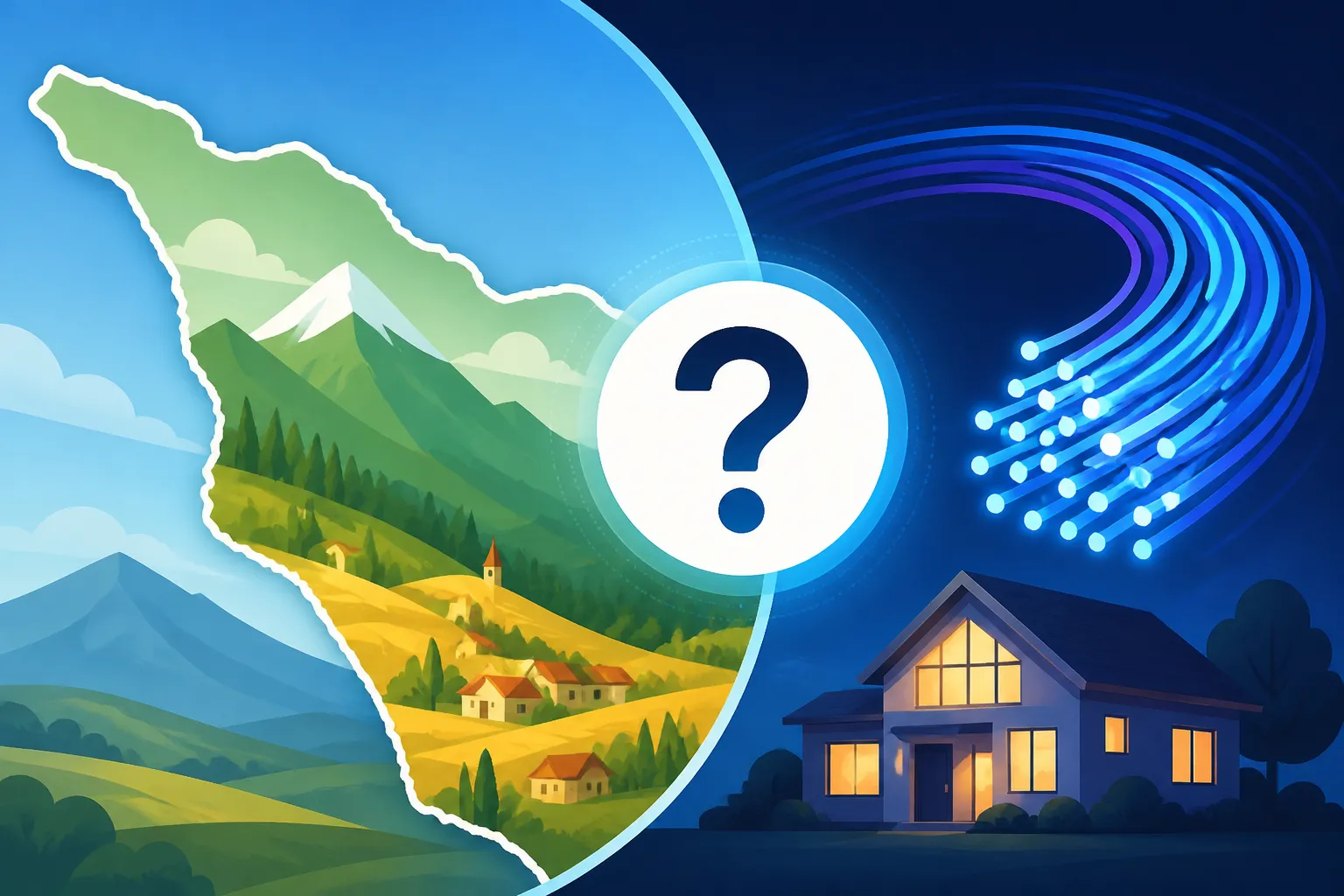
Let's cut to the chase: can you get fibre internet anywhere in Georgia? The short answer is: no, not quite everywhere, but the situation is rapidly improving in many areas. Just like in so many countries, Georgia's internet infrastructure is a tale of two realities: bustling urban centres with decent to excellent connectivity, and more rural or developing areas where you might find yourself longing for the good old days of dial-up (okay, maybe not that bad, but you get the picture).
The challenge for us expats often comes when we expect the same ubiquitous, high-speed access we might have had back home. Georgia is a beautiful, developing country, and while its cities are surprisingly modern in many aspects, the infrastructure rollout can be a bit uneven. It's not a deal-breaker by any means, but it's something you absolutely need to factor into your housing choices and expectations.
Fibre in the Big Cities: Tbilisi, Batumi, and Kutaisi
If you’re planning to settle in one of Georgia's major cities – Tbilisi, Batumi, or even Kutaisi – your chances of getting fibre internet are significantly higher. In the heart of Tbilisi, for instance, in areas like Vake, Saburtalo, Vera, or even many parts of the Old Town and Sololaki, fibre optic cables are quite common. You can often find apartments boasting fibre connections as a selling point, and for good reason. When you're in a well-covered area, the speeds are generally excellent, very reliable, and quite affordable compared to many Western countries. This is especially important for anyone working remotely or relying on stable internet for communication back home.
However, even within these major cities, there are nuances. Newer residential complexes or developing neighborhoods on the outskirts of Tbilisi, for example, might still be catching up. You could find a stunning, brand-new apartment that somehow only offers older DSL or even mobile internet solutions due to the lack of fibre infrastructure in that specific building or street. It’s incredibly frustrating when you’re scouting apartments, fall in love with a place, and then discover the internet situation is less than ideal. Always, always ask about internet providers and verify the fibre connection before you sign a rental contract. It’s not uncommon to find yourself negotiating with a landlord to install fibre if it’s available on the street but not yet in the apartment.
Batumi, with its rapidly expanding new developments along the Black Sea coast, also boasts impressive fibre coverage in many of its modern towers and central districts. However, venture a little further out into older parts of the city or smaller towns along the coast, and you might hit a wall. Kutaisi, while smaller, also has fibre in its central areas, but the further you go from the historical core, the more traditional ADSL or mobile internet options become the norm. The key takeaway here is that "city" doesn't automatically mean "fibre everywhere." It means "fibre is highly probable in central, developed areas."
The Rural Divide: Where Fibre Becomes a Dream
Now, let's talk about the Georgian countryside. This is where the dream of ubiquitous fibre internet often evaporates into the crisp mountain air. If your vision of expat life involves a charming village house in Kakheti, a remote cabin in Svaneti, or a peaceful retreat in Borjomi, you need to set your internet expectations accordingly. While Georgia is actively working to expand its fibre network to more regions, especially under various government initiatives and private investments, the reality is that many rural areas simply don't have fibre infrastructure yet.
This isn't to say you'll be completely cut off. Not at all! Mobile internet coverage across Georgia is surprisingly good, even in many remote areas. But we'll get to that in the alternatives section. The point here is that fixed-line fibre optic internet, with its consistent, high-speed, and low-latency benefits, is a luxury that typically dwindles the further you stray from significant population centres.
For those contemplating a move outside the major cities, this can be a real point of contention. You might envision working remotely from a serene vineyard, only to find that your internet speed is suitable for basic browsing and email, but struggles with video calls or large file transfers. This validates a common frustration: the desire to embrace Georgia’s stunning nature clashing with the modern necessity of reliable, fast internet. If high-speed, fixed-line internet is a non-negotiable for you, then urban living or carefully selected suburban areas are likely your best bet.
Navigating Georgia's Internet Service Providers
So, you're in a fibre-rich area or at least hoping to be. Who are the big players in Georgia, and how do you even go about checking if they can connect you? Understanding the local providers is crucial, and thankfully, there are a few dominant names that simplify the choice somewhat.
The Major Players and Their Fibre Offerings
In Georgia, two companies largely dominate the fixed-line internet and mobile communications market: MagtiCom and Silknet. Think of them as the giants. Both offer fibre optic internet services in most urban areas where the infrastructure exists, along with television and mobile services.
- MagtiCom: Often praised for its wide coverage and generally reliable service, MagtiCom is a strong contender. They offer various fibre packages with different speeds, catering to both casual users and heavy data consumers. Their customer service has a reputation for being relatively responsive, and they often have English-speaking staff available, which is a huge bonus for expats. You can check their website for coverage maps, but for precise availability, a direct inquiry to your specific address is always best. MagtiCom also has strong mobile network coverage, which can be a good fallback or primary option in less-covered areas.
- Silknet: The other major player, Silknet, also provides robust fibre internet. Many expats find Silknet's speeds to be competitive, and their bundles often include TV services. They are constantly expanding their network. Similar to MagtiCom, checking specific address availability is key. Their online presence and customer support are generally accessible, though patience is a virtue when dealing with any utility company in a new country, as I've certainly learned over the years!
While these two are the titans, you might occasionally encounter smaller, regional providers, particularly in specific apartment complexes or newer developments that have partnered with a niche company. However, for most expats, MagtiCom and Silknet will be your primary choices for fixed-line fibre. For mobile internet, Beeline is another significant player, offering competitive mobile data plans, though they don't typically offer fixed-line fibre services.
Checking Availability at Your Specific Address
This cannot be stressed enough: always, always verify fibre internet availability at your exact address before committing to a long-term rental or property purchase. Websites and general coverage maps are a good starting point, but they don't always reflect the ground truth for a specific building or even apartment unit. Many expats are told an area has fibre, only to find their specific building or floor is not yet connected, or the existing connection is shoddy.
Here’s how to go about it:
- Ask the Landlord/Property Agent: This is your first line of defense. They should know what internet options are available in the building. Ask them to confirm the provider (MagtiCom or Silknet are the most common for fibre) and ideally, the speed package currently in use.
- Use Online Checkers: Both MagtiCom and Silknet have availability checkers on their websites. You’ll input your address, and it should tell you what services are available. Be warned: these tools can sometimes be in Georgian, so having a Georgian friend or using a good translation tool can be a lifesaver.
- Call Customer Service: If the online checker is unclear, or if you want to confirm installation details, a direct call is best. Many providers have English-speaking support lines, especially in major cities. This is where you might need to unleash your inner diplomat and practice extreme patience.
- Ask the Neighbors: If you're physically at the property, strike up a conversation with a neighbor. Expats in Georgia are generally very helpful, and local residents will often give you the most accurate, unfiltered information about local services.
- Expat Facebook Groups: Join one of the many expat groups for Tbilisi or Batumi. A quick post asking about internet in a specific building or street can yield a wealth of practical advice and warnings from others who have navigated the same waters. This is also a fantastic resource for general advice on How to Choose the Best Internet Provider in Georgia? or even finding an English-Speaking Doctor in Georgia.
It’s often required to have a Taxpayer ID, or TIN, which is called a saidentifikatsio kodi in Georgian, to sign up for internet services. This is something you'll need for various administrative tasks in Georgia, so it’s good to get it sorted early. For more on this, you might want to read How Do I Get a Taxpayer ID Number in Georgia?.
When Fibre Isn't an Option: Exploring Alternatives
Let’s face it, sometimes fibre isn't going to happen. Maybe your dream apartment is just outside the fibre zone, or you’ve decided to embrace a truly remote lifestyle. Don't despair! Georgia offers some very viable alternatives that can keep you connected, often quite effectively.
Mobile Internet and 4G/5G Solutions
For many expats in Georgia, especially those in areas without fibre or those who need internet on the go, mobile internet is a lifesaver. Georgia’s mobile networks, primarily MagtiCom and Silknet (Geocell), offer surprisingly good 4G and even expanding 5G coverage across much of the country. Beeline also provides strong mobile services.
- Using Your Phone as a Hotspot: This is the simplest and most immediate solution. You just pop a local SIM card (MagtiCom is often recommended for best coverage, especially outside cities) into your phone, activate a data plan, and use it to tether your laptop or other devices. The speeds can be very decent, often fast enough for browsing, emails, and even video calls, depending on your signal strength.
- Dedicated Mobile Routers (MiFi Devices): If you need a more permanent mobile solution, you can purchase a dedicated 4G/5G mobile router. These devices create a Wi-Fi network using a SIM card, allowing multiple devices to connect. They are portable, easy to set up, and can be a great option for short-term rentals, travelling within Georgia, or if you move frequently. You can buy these at provider stores or electronics shops in major cities.
- Data Plans: Georgian mobile data plans are generally very affordable. You can often get generous monthly data allowances for a fraction of the cost you'd pay in many Western countries. Keep an eye on the specific terms though, as some plans might have fair usage policies or speed reductions after a certain data threshold.
For immediate connectivity upon arrival, especially if you're still figuring out your long-term setup, consider an eSIM. Services like Airalo allow you to purchase a local data plan before you even land, so you're connected the moment your plane touches down. It’s a fantastic way to bridge the gap while you sort out local SIMs and fixed internet. It definitely reduces that initial panic of being disconnected in a new country, a feeling I remember all too well!
The pros of mobile internet are its flexibility, portability, and quick setup. The cons? Speeds can fluctuate based on network congestion or signal strength, and while data allowances are generous, they aren't unlimited fibre. For heavy, sustained usage (like constantly streaming 4K video or massive file uploads), it might not always cut it.
Satellite Internet and Other Niche Solutions
For truly remote locations where even mobile signal is spotty, satellite internet does exist in Georgia, but it's much less common for individual expats. Services like Starlink are slowly becoming more available globally, offering high-speed satellite internet, but they come with a significantly higher equipment and subscription cost. For most expats, this will be overkill, but it's worth knowing it exists as a last resort for extreme rural living.
In some older buildings or very specific areas, you might also encounter ADSL (via phone lines) or WiMAX. These are older technologies, generally slower and less reliable than fibre or even 4G, but they can provide basic connectivity if no other option is available. These are becoming less common as fibre and mobile networks expand.
Leveraging Local Knowledge and Community Groups
When facing internet connectivity challenges, one of your best resources will always be other expats and the local community. Georgian hospitality often extends to practical help.
- Expat Networks: As mentioned, expat Facebook groups are invaluable. You can search for "Tbilisi Expats" or "Batumi Expats" to find vibrant communities where people share tips, recommendations, and warn each other about problem areas or providers. This is often where you'll find out if a particular building has ongoing internet issues or if there's a lesser-known local provider serving a specific block.
- Asking Locals: Don't be shy about asking your Georgian neighbors, shopkeepers, or even your landlord for advice. They live there, they know the quirks of the local infrastructure, and they can often point you to the best local solutions or even offer to help translate if you need to call customer service. Sometimes, a smaller, hyper-local internet provider serves a specific village or neighbourhood, and only locals will know about it. This kind of community knowledge is invaluable when Navigating the Georgian Healthcare System: An Expat's Roadmap (2027) or even when trying to find out Where Is the Nearest Clinic to Me in Tbilisi?.
Here's a quick comparison of internet options in Georgia:
| Internet Type | Pros | Cons | Best For |
|---|---|---|---|
| Fibre Optic | Very high speeds, low latency, stable, often unlimited data | Limited availability in rural/some urban areas, requires installation | Urban dwellers, remote workers, heavy internet users, streaming, gaming |
| 4G/5G Mobile Hotspot | Portable, quick setup, good coverage even in rural areas, flexible data plans | Speeds can fluctuate, potential data caps, less stable than fixed fibre | Travellers, temporary solutions, light-moderate users, areas without fibre |
| Dedicated Mobile Router | Portable, multiple device connections, good for small groups/families | Similar speed/stability cons to mobile hotspot, initial device cost | Digital nomads, families in non-fibre areas, backup internet |
| ADSL | Widely available in older buildings/areas, basic connectivity | Slower speeds, higher latency, less reliable, being phased out | Last resort in very old buildings where fibre/4G isn't viable |
| Satellite (Starlink) | High-speed, global coverage even in very remote areas | Very expensive equipment, higher monthly cost, some latency concerns | Extremely remote locations with no other options |
Setting Up and Managing Your Internet Connection
Once you've navigated the availability maze and decided on a solution, the next step is getting everything installed and running. This process can be straightforward in Georgia, but as with any administrative task in a new country, it can also present a few charming "local flavour" challenges.
The Installation Process and What to Expect
If you're lucky enough to get fibre, the installation process typically involves a technician coming to your home. Here’s a rundown of what to expect:
- Scheduling: You'll need to schedule an appointment. This can usually be done online or by calling customer service. Be realistic about the timeframe; "tomorrow" might sometimes mean "sometime next week." If you need to Set Up Electricity After Moving to Georgia, you'll find it's a similar process.
- Language Barrier: This is where having a Georgian friend, a helpful landlord, or a translation app comes in handy. While some customer service reps speak English, the installation technicians often do not. Make sure you can communicate your needs or have someone who can. Without a shared language, appointments with technicians can turn into comical (and slightly stressful) games of charades.
- Presence Required: You (or someone you trust) will need to be present during the installation. The technician will bring the necessary equipment (modem/router), run the fibre cable to your apartment (if it's not already wired), and set up your Wi-Fi network.
- Testing: Before the technician leaves, make sure to test the connection on your devices. Check the speed (there are many online speed test tools) and ensure all your devices can connect to the Wi-Fi. Don't be afraid to ask questions or point out any issues right then and there.
- Documentation: You'll likely sign a contract for the service. Read it carefully (or have someone read it for you). Understand the monthly cost, the contract duration, and any early termination fees. This is similar to How Do I Sign a Rental Contract in Georgia?, where understanding the fine print is vital.
The cost of installation can sometimes be waved as part of a promotion, or it might be a small one-time fee. The modem/router is typically provided by the internet company and often remains their property, so you'll return it if you cancel your service.
Managing Your Monthly Bills and Support
Once your internet is up and running, managing it is relatively simple.
- Payment: The most common way to pay your monthly internet bill in Georgia is through online banking apps (like TBC Bank or Bank of Georgia), payment kiosks (like TBC Pay or Nova Technology kiosks found in most supermarkets and street corners), or directly at provider service centres. Setting up recurring payments through your bank app is the easiest method. It's often bundled with other utilities like electricity, water, and gas, making it convenient. You can learn more about managing these in The Expat Guide to Setting Up Utilities Electricity Water Gas in Georgia.
- Customer Support: Inevitably, you'll have a question or an issue. Both MagtiCom and Silknet have customer support hotlines. Again, aim for their English-speaking lines if you're not fluent in Georgian. Be prepared with your contract number or subscriber ID to expedite the process. While not always lightning-fast, support generally gets the job done.
- Understanding Your Contract: Familiarize yourself with your contract terms, especially regarding speed guarantees, data caps (if applicable to mobile plans), and cancellation policies. If you plan to leave Georgia or move to a non-serviceable area, knowing your options for cancelling without penalty is important. Living in Georgia can be incredibly affordable for expats, and understanding your internet costs, along with How Much Does It Cost to Live in Tbilisi per Month?, is a key part of managing your budget. Also, getting your internet set up is one of the essential steps in The Complete Guide to Moving to Georgia: Your First 90 Days (2027).
The journey to finding reliable internet in Georgia as an expat can feel a bit like a treasure hunt. Sometimes you hit the jackpot with fantastic fibre, and sometimes you have to get creative with mobile solutions. But with a bit of research, patience, and knowing who to ask, you'll find a way to stay connected in this wonderful country.
Disclaimer
The information provided in this guide is for general informational purposes only and does not constitute professional advice. While we strive to keep the content accurate and up-to-date, details such as service availability, pricing, and regulations for internet providers in Georgia can change. Always verify information directly with the service providers or relevant authorities.