How to Add Dependents to Your Health Insurance in Georgia
Moving to Georgia is an adventure, but when you’ve got a family, one of the biggest worries is always, "What if someone gets sick?" Navigating healthcare in a new country is tricky enough, let alone figuring out how to ensure your entire brood – from your partner to your littlest ones – is properly covered. This guide is here to walk you through the ins and outs of adding dependents to your health insurance in Georgia, so you can breathe a little easier knowing your loved ones are protected.
Understanding Health Insurance for Families in Georgia
When you land in Georgia, you quickly realize that the healthcare landscape is a bit different from back home. It's a system that requires a good bit of understanding, especially when you’re not just looking out for yourself, but for your entire family.
Why Family Coverage Matters for Expats
Let's be real, life abroad throws curveballs. One minute you're enjoying khinkali, the next your child has a fever or your spouse twists an ankle on those charming, yet uneven, cobblestone streets of Tbilisi. These aren't just minor inconveniences; they can quickly become major financial and emotional burdens if you don't have adequate health coverage for everyone. The peace of mind that comes with knowing your family is covered, no matter what unexpected illness or accident comes your way, is truly invaluable when you're far from your home support network. It means you can focus on getting better, or helping your loved one get better, rather than panicking about hospital bills or where to find an English-speaking doctor at 3 AM.
Public vs. Private Options for Dependents
Georgia does have a Universal Healthcare Program (UHC), which is fantastic in theory. However, the reality for many expats is that accessing comprehensive care through the public system, particularly for non-citizens and non-permanent residents, can be limited or confusing. While some long-term residents might eventually qualify, for most newcomers and those on certain residence permits, private health insurance becomes the primary, and often only, viable option for decent family coverage. This is especially true if you want access to the best facilities, shorter wait times, and English-speaking medical professionals. For a deeper dive, you can explore the nuances of How Georgia's Health System Works: Universal Healthcare and Private Care Explained (2027) and Public vs Private Healthcare in Georgia: What Expats Need to Know. It's crucial to understand these distinctions because they directly impact how you'll insure your family.
Defining "Dependent" in Georgian Health Insurance Terms
So, who exactly counts as a "dependent" when it comes to health insurance in Georgia? Generally, this refers to your legal spouse and your biological or legally adopted children. The age limit for children usually falls around 18, but many policies extend coverage for full-time students up to 23 or even 25 years old. It's rare, but some specialized plans might even allow you to add elderly parents, though this often comes with a higher premium and specific criteria.
However, don't assume every insurer has the same definition. It's absolutely vital to clarify this with any potential provider. Always ask about the specific age cut-offs for children, whether common-law partners are recognized, and what documentation they require to prove dependency. This small detail can save you a lot of headache down the line.
The Step-by-Step Process to Add Your Loved Ones
Adding a new family member to your health insurance, or indeed getting a whole new family policy, might seem like a bureaucratic mountain. But with a clear roadmap, it’s entirely manageable. Let’s break down the practical steps.
Reviewing Your Existing Policy's Terms and Conditions
Before you do anything else, grab your current health insurance policy documents – yes, the thick stack of papers you probably filed away and forgot about. Every policy has specific clauses about adding dependents. You need to scrutinize these. Look for sections on eligibility criteria for new family members, any waiting periods that might apply (especially for newborns or pre-existing conditions), and the precise documentation required.
Some policies, particularly those designed for individual expats, might not have an easy "add-on" feature for family members, or they might make it prohibitively expensive. This initial review will tell you whether it's even feasible to add someone to your existing plan or if you're better off exploring entirely new options, perhaps a comprehensive family plan from a provider like SafetyWing if their offerings align with your needs. Don't be afraid to call your current insurer's customer service; they are the ultimate source of truth for your specific policy.
Gathering Essential Documents for Each Dependent
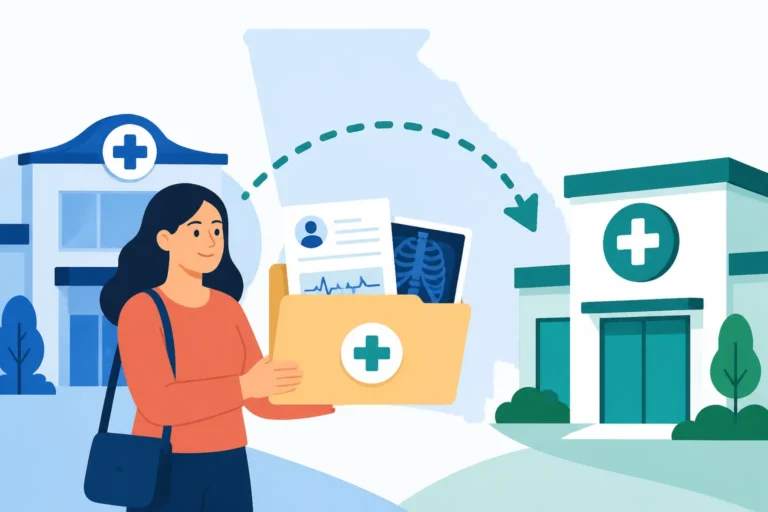
This is where Georgia’s love for paperwork (and often, notarized translations) comes into play. For each dependent you want to add, you'll need a specific set of documents. Here’s a general list, but be prepared for your insurer to ask for more:
- Passport copies: For all family members.
- Georgian Residence Permit copies: If applicable, this is critical, as it often dictates eligibility for certain local services or even specific insurance plans. You can learn more about this in How Your Residence Status Affects Health Coverage in Georgia.
- Birth Certificates: For each child you wish to add.
- Marriage Certificate: If you're adding a spouse.
- Proof of Relationship: In some cases, especially for non-traditional family structures or if birth/marriage certificates are from unusual jurisdictions, additional proof might be requested.
For any documents not in Georgian, you will almost certainly need officially translated and notarized copies. Don't skimp on this step; a poorly translated document can cause significant delays. Find a reputable translation agency in Tbilisi or Batumi that understands the local requirements.
Contacting Your Insurance Provider
Once you've done your homework and gathered your documents, it's time to engage with the insurance provider. If you're adding to an existing policy, call their customer service line or, if you have an assigned agent, reach out directly. Clearly state your intention to add a dependent and ask them to guide you through their specific process. They will likely send you forms to complete, which will require all the information and documents you've painstakingly prepared.
If you’re starting fresh with a new family policy, the process might involve an initial consultation with an agent, either in person or remotely. Be prepared to provide detailed information about each family member's health history, as this will influence premiums and coverage. Don't be shy about asking questions, especially regarding coverage limits, exclusions, and the claims process. Patience is key here; things can move slowly, and you might need to follow up several times.
Exploring New Policy Options for Family Coverage
Sometimes, adding dependents to an existing individual policy isn't the most efficient or cost-effective route. This is when you need to consider a fresh start with a new family-centric plan.
When to Consider a New Family Plan
There are several scenarios where ditching your old policy (or letting it expire) and opting for an entirely new family health insurance plan makes perfect sense. Perhaps your current individual policy is fantastic for you, but the cost to add a spouse and two children is suddenly astronomical. Or maybe the coverage limits for dependents are too low to offer real protection.
If you're moving to Georgia with your family already in tow, starting with a family plan from day one is often much smoother. It ensures everyone is on the same page, under one umbrella, and you avoid the complexities of trying to retrofit individual policies. Moreover, if your current policy is a basic travel insurance, or one with limited benefits, it's probably time to upgrade to a comprehensive health insurance plan that truly supports expat family life. For guidance on getting started, check out How to Buy Private Health Insurance After Moving to Georgia.
Key Factors When Choosing a Family Health Insurance Plan
Choosing a family health insurance plan in Georgia means balancing cost with comprehensive coverage. Here’s what you absolutely need to consider:
- Coverage Scope: Does it cover inpatient care (hospital stays), outpatient care (doctor visits), diagnostics (tests, scans), prescription medications, and emergency services? What about dental, optical, or maternity care? The more comprehensive, the better, but also the more expensive.
- Geographic Coverage: Do you need coverage only for Georgia, or do you travel frequently to neighboring countries, or even worldwide? Some international plans, like those offered by SafetyWing, are designed with global mobility in mind, which can be a huge benefit for expat families who often travel back home or explore the region.
- Deductibles and Co-pays: Understand how much you'll pay out of pocket before insurance kicks in (deductible) and your share of costs for services (co-pay). Lower these mean higher premiums, but less financial surprise during treatment.
- Annual Limits: Is there a cap on how much the insurer will pay out in a year per person or per family?
- Network of Providers: Does the insurer have direct billing agreements with reputable hospitals and clinics in Georgia, especially in Tbilisi or Batumi? Direct billing saves you the hassle of paying upfront and claiming reimbursement later.
- Customer Service: This is HUGE for expats. Look for providers with English-speaking customer support, easily accessible helplines, and clear communication channels. Being able to get answers quickly and in your native language can make a world of difference during stressful medical situations.
Local Georgian vs. International Insurance Providers
When looking at family health insurance in Georgia, you'll generally encounter two main categories: local Georgian providers and international providers. Each has its own set of advantages and disadvantages. This is a crucial choice that often comes down to your family's specific needs, budget, and travel habits. For more in-depth comparisons, refer to How to Choose Between Local and International Health Insurance in Georgia.
| Feature | Local Georgian Providers | International Providers (e.g., SafetyWing) |
|---|---|---|
| Cost | Generally more affordable for comparable local coverage | Usually more expensive, reflecting wider coverage and benefits |
| Geographic Coverage | Primarily Georgia-centric, often limited international/regional | Often worldwide or worldwide excluding home country, ideal for travelers |
| English Support | Can be limited, varying quality of English-speaking staff | Typically excellent, dedicated multilingual support |
| Network | Strong network within Georgia, direct billing common | Broad international network, often direct billing in major expat hubs |
| Bureaucracy/Process | Can involve more local paperwork, processes might feel slow | Often more streamlined, online portals for claims and management |
| Flexibility | Less flexible for international travel or changing countries | High flexibility, designed for mobile expat lifestyles |
| Coverage Scope | Good basic to comprehensive options for local needs | Often includes higher limits, evacuation, and broader benefit categories |
Local insurers like GPI Holding or Ardi are popular choices within Georgia, offering various plans tailored to residents. They often have good relationships with local clinics and hospitals. However, if your family travels frequently, or if you envision living in other countries in the future, an international provider might be a better fit. Providers like SafetyWing are well-known in the expat community for offering health insurance plans that are specifically designed for digital nomads and globally mobile individuals, and their family plans can provide robust coverage that moves with you, which is a significant advantage for families always on the go.
Practical Advice and Common Challenges
Even with a plan, the road to securing family health insurance in Georgia can have its bumps. Knowing what to expect and how to navigate common pitfalls can save you a lot of stress.
Navigating Waiting Periods and Pre-Existing Conditions
Here's a reality check: you rarely get immediate, full coverage, especially when it comes to newly added dependents or new policies. Most health insurance plans in Georgia, both local and international, will have what are called "waiting periods." These are specific durations, usually from a few weeks to several months (or even a year for maternity), during which you cannot claim for certain treatments, even if you’ve paid your premiums. For example, a new dependent might have a 30-day waiting period for general outpatient treatment, or 90 days for certain diagnostic tests. Maternity benefits almost always have a 10-12 month waiting period, meaning you need to be insured well in advance if you plan to start a family.
Pre-existing conditions are another significant hurdle. These are medical conditions that existed before you or your dependent applied for insurance. Insurers handle them in various ways: they might exclude them entirely, apply a longer waiting period, or charge a higher premium to cover them. It is absolutely crucial to be completely honest and transparent about any pre-existing conditions during the application process. Failing to disclose them can lead to your policy being voided when you need it most, leaving your family completely exposed.
Budgeting for Family Health Insurance Costs
Let’s talk money. Family health insurance in Georgia is an investment, and the costs can vary wildly depending on several factors. Naturally, adding more dependents will increase your premium. The age and general health of each family member are major determinants – older individuals or those with health issues will typically cost more to insure. The level of coverage you choose (basic, standard, premium), the geographic scope (Georgia-only vs. worldwide), and your chosen deductible also play significant roles.
While it's difficult to give exact figures that will hold true for long, you can expect a decent family plan for two adults and one or two young children from a local Georgian provider to range anywhere from $500 to $1500 USD per year, potentially more for comprehensive international plans. For a more precise understanding of the financial commitment, you might want to look into How Much Does Private Health Insurance Cost in Georgia in 2026?. Always get multiple quotes and compare them thoroughly. Don't just look at the premium; compare what is actually covered, the deductibles, and the customer service.
Communication and Language Barriers
Ah, the classic expat challenge! While many younger Georgians, especially in Tbilisi, speak English, you can't always count on it when dealing with administrative tasks, including insurance. This can be particularly frustrating when discussing complex policy details or making claims.
Here are a few tips to overcome this:
- Bring a local friend: If you have a trusted Georgian friend, ask them to accompany you to meetings or assist with phone calls.
- Use translation apps: While not perfect, apps like Google Translate can help with basic communication.
- Seek out English-speaking agents: Some insurance companies, particularly the larger ones or international providers, have dedicated English-speaking staff or departments. Actively request them.
- Get everything in writing: Any important agreements, policy changes, or claims communications should be confirmed in writing (email is usually sufficient) to avoid misunderstandings.
- Be patient: Bureaucracy and language hurdles can test your patience. A calm, persistent approach generally yields better results.
Maintaining Your Family's Health Coverage
Getting your family set up with health insurance is a huge milestone, but it's not a one-and-done deal. Like any good expat, you’ll want to make sure your coverage remains relevant and active.
Annual Renewals and Policy Reviews
Health insurance policies in Georgia typically run for a year. As the renewal date approaches, your insurer will usually contact you, but it’s always a good idea to mark it on your calendar and be proactive. Don't just auto-renew! This is your golden opportunity to review the policy critically.
Ask yourself:
- Have our family’s health needs changed?
- Are there new, better, or more affordable plans on the market?
- Have the terms and conditions of my current policy changed?
- Are there any new exclusions or increased deductibles?
- Is the network of clinics and hospitals still suitable for us?
This annual review is especially important as your children grow. An older child might need different coverage, or they might age out of "dependent" status and need their own plan. Treat it as a yearly check-up for your family’s financial health protection.
Updating Information and Making Claims
Life in Georgia is dynamic, and your personal information might change. You might move apartments, get a new phone number, or even change your residence permit status. It's crucial to update your insurance provider with any changes promptly. Failing to do so can lead to communication breakdowns, delayed claims, or even policy invalidation.
When it comes to making a claim, understanding the process is paramount. Some local clinics and hospitals in Georgia have direct billing agreements with major insurers, meaning the provider handles the payment directly, and you only pay any co-pay or deductible. However, for smaller clinics, specific treatments, or if your insurer doesn’t have a direct agreement, you might have to pay out of pocket and then claim reimbursement. The process for claiming reimbursement generally involves submitting original receipts, medical reports, and completed claim forms. This can sometimes feel like a treasure hunt, but being organized with your paperwork will make it much smoother. For a more detailed guide on this, see How to Claim Reimbursement from Private Insurance in Georgia. Some international providers, like SafetyWing, offer very intuitive online portals for claims, allowing you to upload documents digitally, which can be a huge time-saver and stress-reducer for busy expat families.
Important Considerations for Specific Situations
Expat families come in all shapes and sizes, and sometimes, your situation might have unique twists that require specific attention when it comes to health insurance.
Adding Newborns and Maternity Coverage
This is a big one for many expat couples living in Georgia. If you’re planning to have a baby, you need to think about maternity coverage well in advance. As mentioned, almost all health insurance policies, both local and international, will have a waiting period for maternity benefits – typically 10 to 12 months. This means you need to be insured and have maternity coverage active for that period before you can claim for childbirth-related expenses. Trying to get coverage once you’re already pregnant simply won’t work for the delivery itself.
Once your baby is born, most comprehensive family plans allow for immediate inclusion of the newborn, often with some level of coverage for any complications related to the birth, provided the mother was covered for maternity. However, always confirm this with your provider beforehand. Understanding these critical timelines and nuances can save you from substantial out-of-pocket costs when welcoming a new member to your family. For comprehensive information on this topic, refer to Understanding Maternity and Prenatal Care in Georgia.
Dependents with Varying Residence Status
It’s not uncommon for expat families to have different residence statuses. Perhaps one spouse has a work permit and residence permit, while the other is on a short-term visa, or children are on a family reunification permit. These distinctions can, unfortunately, complicate health insurance eligibility. Some local policies might require all dependents to hold a specific type of residence permit to qualify for coverage, or the benefits might vary based on status.
Always declare the precise residence status of each dependent to your insurer. While it might seem like a minor detail, it can affect the validity of your policy if there's a discrepancy. International policies tend to be more flexible regarding residence status, as they are designed for globally mobile individuals. However, even with these, it's wise to clarify how your family's diverse statuses might impact coverage.
International Students and Older Dependents
If you have children who are international students (either in Georgia or abroad) or elderly parents living with you, their insurance needs will likely be distinct. For students, many universities offer their own mandatory or recommended health insurance plans, which are often specifically tailored to student life. It's worth investigating these first. If not, a specific student travel/health insurance plan might be a good fit.
For older dependents, particularly parents, securing robust health insurance can be challenging and expensive due to age and increased likelihood of pre-existing conditions. These individuals often require more comprehensive plans with higher limits and broader coverage for chronic conditions. Some international insurers might offer specific plans for seniors, but they come at a premium. It’s a discussion that requires careful planning, budgeting, and potentially separate policies from your main family plan. For a broader overview of options, consider reading Health Insurance in Georgia: Private and International Options Explained and Understanding Private Health Insurance Plans in Georgia.
Disclaimer
The information provided in this guide is for general informational purposes only and does not constitute professional medical, legal, or financial advice. While we strive to keep the information up-to-date and accurate, regulations and services in Georgia can change rapidly. Always consult with a qualified insurance professional, legal advisor, or the relevant Georgian authorities for advice tailored to your specific situation. Reliance on any information in this guide is solely at your own risk.