Can I Stay in Georgia After Finishing My Studies?
Oh, the bittersweet moment when your studies in Georgia are winding down. You’ve settled in, made friends, probably mastered navigating a marshrutka or at least figured out where to get the best khachapuri. Now, the thought of packing up and leaving feels a bit like losing a part of yourself, doesn't it? Many of us expats have been there, facing the daunting question of "what next?" after a significant chapter closes. This guide is for you – the student who has fallen in love with Georgia and wants to explore every possible avenue to make this wonderful country your long-term home after your graduation cap is tossed. We're going to break down the reality, the options, and the practical steps for transitioning from student life to permanent resident (or at least, a longer-term resident!) status here in Georgia.
Understanding Your Current Status and Initial Hurdles
Let’s get real about where you stand right now. While Georgia is incredibly welcoming, especially for students, your current stay is tied to a specific purpose. Ignoring this reality can lead to unnecessary stress and even legal complications down the line, and trust me, you don't want that kind of headache.
The Student Residence Permit Explained
When you enrolled in a Georgian university, you likely applied for and received a student residence permit. This permit is explicitly linked to your enrollment and the duration of your studies. It’s like a special pass that says, "Hey, this person is here to hit the books!" The moment you complete your academic program, this underlying reason for your permit vanishes. Even if the physical card has a future expiry date, the basis for your stay is gone.
This is crucial because many international students mistakenly believe they can simply "wait out" the expiry date on their card or that finishing their degree automatically grants them some sort of post-study grace period. Unfortunately, that's not how it works in Georgia. Once your studies are officially concluded – meaning you’ve received your diploma, completed all coursework, or your university has informed the Public Service Development Agency (PSDA) of your graduation – your student permit is essentially invalidated, even if the plastic card in your wallet suggests otherwise for a few more months. You’re expected to transition to another legal basis for your stay or depart the country. It’s a harsh reality, but an important one to grasp so you can plan accordingly.
The "Catch-22": Why Direct Conversion Isn't a Thing
Here's where many people from other countries hit a bit of a wall, and it's a frustration that is widely reported: Georgia doesn't really have a direct "post-study work visa" or an automatic path to switch from a student permit to, say, an employment permit without meeting new, distinct criteria. In many Western countries, there are specific visa categories designed to allow international graduates to stay and look for work for a period. Not so much here.
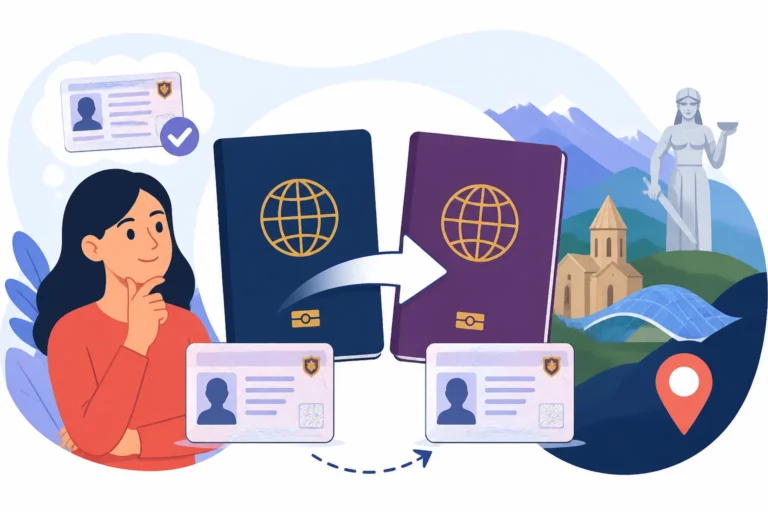
This means you can’t just walk into the PSDA and say, "I finished my degree, now I want to look for a job for six months." Instead, you have to qualify for an entirely new type of residence permit based on a different ground, such as employment, business, or property ownership. It’s not a conversion; it's a completely fresh application. This can feel like a bit of a "catch-22" – you’re here, you’ve integrated, but you essentially start from scratch on the immigration front. It validates that feeling of being in limbo, but understanding this framework is the first step to finding your new pathway. It's a common hurdle, so don't feel alone if it feels a bit unfair.
Exploring Pathways to Remain in Georgia Post-Study
So, your student permit is winding down, and direct conversion isn't an option. Don't despair! Georgia offers several other avenues for long-term stay, but each comes with its own set of requirements and considerations. You’ll need to assess which one aligns best with your situation and future plans.
The Work Residence Permit: Your Primary Option
For many graduates, the most logical step after finishing studies is to find a job. If you secure employment with a Georgian-registered entity, you can apply for a work residence permit. This is often the most straightforward path for those looking to integrate into the local economy.
However, it's not simply about getting any job offer. The Georgian government has specific criteria. Your employer must be a registered Georgian company, and your salary must meet a certain threshold. While exact figures can change, as of early 2024, the minimum monthly salary required to qualify for a work permit is generally around GEL 1,500 (gross, before taxes) for those with a higher education degree. Your employer will play a crucial role, as they usually need to provide a letter of employment, attest to your qualifications, and confirm their intention to hire you for at least six months. They effectively sponsor your permit, confirming there's a legitimate need for your skills. The biggest challenge here can be finding an employer willing to navigate the paperwork and understanding the requirements, especially if you're a fresh graduate without extensive experience. It’s worth looking into how employers and employees typically approach How to Apply for a Work Residence Permit in Georgia well in advance. Start networking during your studies, reach out to career services at your university, and explore job boards for opportunities.
Entrepreneurial Spirit: The Individual Entrepreneur (IE) Route
If you're an ambitious graduate with a business idea, or if you're a freelancer with an existing client base, becoming an Individual Entrepreneur (IE) might be your golden ticket. Georgia is incredibly friendly to small businesses and individual entrepreneurs, offering a very attractive 1% tax status for those meeting certain criteria.
To qualify for an IE residence permit, you need to register as an Individual Entrepreneur with the Revenue Service of Georgia and demonstrate active business operations. This typically means having clients, generating income, and showing a business plan, even if it’s a simple one for a freelance activity. You'll need to prove sufficient income to sustain yourself and show actual business activity – simply registering as an IE and doing nothing won't cut it. The annual turnover limit for the 1% tax status is generally GEL 500,000, which is quite generous for most individual freelancers or small businesses. This path gives you immense flexibility and control over your work life. Many expats find this a highly attractive option, as it avoids the need for an employer sponsor. If you’re considering this, understanding How to Register as an Individual Entrepreneur in Georgia and all the associated tax benefits is absolutely vital.
Property Investment: The Short-Term Residence Permit
For some, especially those who might have family support or personal savings, purchasing property in Georgia can open a door to a short-term residence permit. This permit is specifically designed for foreigners who own real estate in Georgia.
The key requirement is that the market value of your property (or properties combined) must exceed USD 100,000. It's important to get a professional valuation from an accredited appraiser to confirm this. While this can seem like a significant investment, Georgia's property market, particularly in cities like Tbilisi and Batumi, can offer good value compared to many Western cities. This permit needs to be renewed annually, and you generally need to maintain ownership of the qualifying property. While it doesn't grant you the right to work (you'd need a separate work permit or IE registration for that), it does provide a stable legal basis for your residency. It's an option that provides a strong anchor to the country. If this sounds like a possibility, deep dive into How Do I Get a Residence Permit by Buying Property in Georgia? to understand the full process, including valuation and registration.
Family Reunification: If Applicable
Lastly, if you have family members who are Georgian citizens or already hold permanent residence permits in Georgia, you might be eligible for a family reunification residence permit. This typically applies to spouses, minor children, or sometimes dependent parents.
For example, if you married a Georgian citizen during your studies, or if one of your parents holds a permanent residence permit, you could apply under this category. The process involves proving the family relationship (marriage certificate, birth certificate) and often demonstrating that the sponsoring family member can financially support you. This route is less common for fresh graduates unless they've established a significant family tie during their time here. However, for those for whom it applies, it offers a solid and clear path forward. If you’re married to a Georgian citizen or resident, checking out the details on How to Sponsor Your Spouse for a Residence Permit in Georgia would be a sensible next step.
Navigating the Application Process and Practicalities
Once you’ve identified the most suitable pathway, the real work begins: gathering documents, submitting your application, and navigating the Georgian administrative system. This can be a maze, but armed with the right information, you can get through it.
Gathering Your Documents: The Endless Paper Trail
Regardless of the type of residence permit you apply for, expect a substantial list of documents. The Georgian authorities are meticulous, and missing even a single item can lead to delays or rejection. Common documents across almost all permit types include:
- Your passport: Valid for at least six months beyond your intended stay.
- Passport-sized photos: Usually 3×4 cm.
- Application form: Available at the Public Service Development Agency (PSDA) or online.
- Proof of financial means: Bank statements showing sufficient funds to support yourself (the exact amount varies but often needs to cover a year's living expenses, usually around 8,000-10,000 GEL minimum, depending on the permit type and your circumstances).
- Proof of accommodation: A rental contract or property ownership documents.
- Medical insurance: While Georgia has a Universal Healthcare Program, it might not fully cover expats in every situation, especially if you're not formally employed. Having private insurance is a smart move.
- Clean criminal record certificate: Often required from your home country.
- Official translations and notarizations: Any document not in Georgian (birth certificates, marriage certificates, criminal records, diplomas) must be translated by an accredited translator and notarized by a Georgian public notary. Do not skimp on this step – incorrect translations are a common reason for application delays.
For a work permit, you'll also need your employment contract, a letter from your employer, and potentially proof of your educational qualifications. For an IE permit, you'll need your IE registration documents and proof of business activity/income. For a property-based permit, expect your property ownership certificate and the official valuation report. It can feel like an endless paper trail, but getting it right the first time is crucial. You can find a more extensive list by looking at What Documents Do I Need for a Georgia Residence Permit?.
The Public Service Development Agency (PSDA) Experience
The Public Service Development Agency (PSDA), often referred to simply as the "Justice House," is where you’ll submit your application. It’s an impressive, modern building, especially the one in Tbilisi, designed for efficiency, but the process can still be daunting if you’re unprepared.
First, you'll usually need to book an appointment, especially in busier branches or for specific services. You can sometimes just walk in for initial inquiries, but submitting a full application often requires a scheduled slot. When you go, be prepared for potential waiting times, even with an appointment. The staff are generally helpful, but they primarily speak Georgian, so bringing a Georgian-speaking friend or a professional translator is highly recommended to ensure you understand everything and can answer any questions clearly. During the application, an interview might take place, or they might ask for additional documents later. This is quite common, so don't be alarmed if you get a call or email requesting more information. They're just doing their due diligence. Processing times can vary greatly, usually from 20 to 30 business days for standard applications, but expedited options are available for an extra fee. It’s wise to understand Understanding the Cost and Timeline of the Georgia Residence Permit Process to budget both time and money effectively.
Planning for the Transition Period
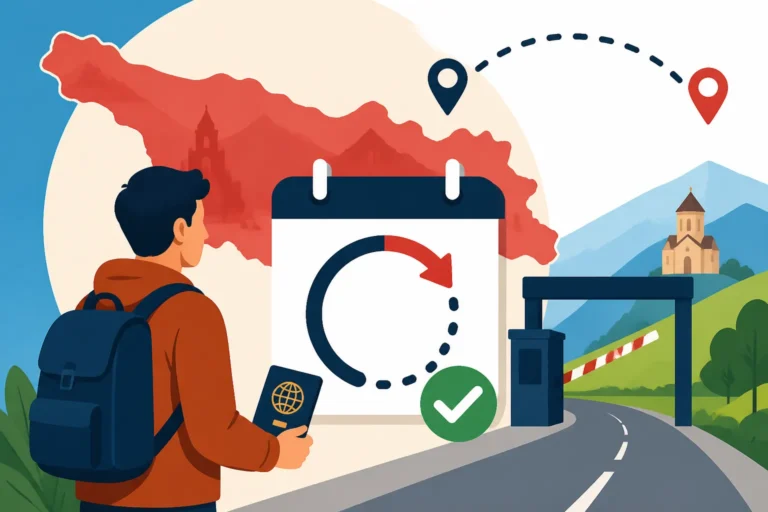
This is perhaps the trickiest part: what happens if your student permit expires before your new residence permit application is approved? Georgia's immigration laws are fairly strict on this. If your existing permit expires, and your new application is still pending, you could technically be in an overstay situation.
To avoid this, it's absolutely critical to apply for your new residence permit before your student permit officially expires. Ideally, you want to submit your new application several months before your current one runs out, giving ample time for processing. If there's a risk of your student permit expiring while your new application is pending, you might be advised to temporarily leave the country. Some expats choose to do a "border run" to a neighbouring country like Turkey or Armenia to reset their visa-free stay period (if they are from a visa-free country). However, relying on this for a long-term strategy is risky and generally not recommended by authorities. The best approach is proactive planning and applying early. This is a topic that ties into the broader guidance for The Expat Guide to Getting a Residence Permit in Georgia (2027), so it's useful to consider all angles.
Life After the Student Permit: Key Considerations
Successfully transitioning from a student to another residency status isn't just about paperwork; it's about setting up your life effectively. Beyond the permit itself, you’ll need to think about ongoing essentials like healthcare, finances, and even logistics if your plans change.
Healthcare and Insurance
One of the most important aspects of living in any country, especially as an expat, is access to healthcare. While Georgia has a Universal Healthcare Program (UHC), its coverage for expats can be complex and often limited, especially if you’re not formally employed by a Georgian company that contributes to the system. As a student, you might have had specific student health insurance, but that will also likely expire with your student status.
Once you’re on a work permit, your employer will typically handle some contributions, but it's vital to understand what exactly is covered. For individual entrepreneurs or those on property-based permits, securing private health insurance is non-negotiable. Don’t wait until you’re sick to figure this out. International health insurance providers like Cigna Global offer comprehensive plans that can cover you across borders and within Georgia, giving you peace of mind regardless of your employment status. It’s always best to be prepared for any eventuality. Taking the time to research Health Insurance in Georgia: Private and International Options Explained will ensure you and your loved ones are covered.
Financial Stability and Banking
Maintaining financial stability is crucial for any long-term stay. If you’re applying for a permit based on property ownership or as an individual entrepreneur, you’ll need to consistently demonstrate sufficient funds to support yourself. This often involves regular bank statements.
For those planning to work, getting paid into a Georgian bank account is standard. The major banks, TBC Bank and Bank of Georgia, are generally expat-friendly and offer English-language services, mobile banking apps, and multi-currency accounts. Having a local bank account simplifies daily life, from paying bills to receiving your salary. If you’ve only used a foreign account as a student, now is the time to fully embrace local banking. You’ll find comprehensive guidance on establishing your financial foothold in Georgia by consulting The Expat Guide to Opening a Bank Account in Georgia. Make sure you understand all the requirements for foreigners, as sometimes policies can change.
Moving and Logistics
Changing your residency status can sometimes mean changing your living situation. Maybe your student apartment wasn't suitable for a working professional, or perhaps you need to move to a different city for a job. Regardless, logistics can be a real headache.
If you find yourself needing to move within Georgia or, in some cases, even temporarily out of the country if your permit situation requires a border run, planning your move properly is essential. From finding new accommodation to actually relocating your belongings, having a clear plan will save you a lot of stress. For larger international moves, or even just detailed domestic moving assistance, reputable service providers can be invaluable. Companies like Sirelo, for instance, can connect you with various moving services, whether you're shipping a few boxes or an entire household. They can help you compare quotes and find reliable movers, which is incredibly helpful if you're feeling overwhelmed by the administrative tasks of a permit application. Don’t underestimate the logistical challenges; they can be as taxing as the paperwork itself. If you're considering a move, check out How Do I Find a Reliable Moving Company to Georgia? to start your planning.
Here's a quick overview of your main options:
| Permit Type | Primary Requirement | Key Benefit | Typical Challenge | Who It's Best For |
|---|---|---|---|---|
| Work Residence Permit | Job offer from a Georgian company (min. salary) | Stable employment, clear path | Finding a suitable employer, salary thresholds | Graduates seeking formal employment in Georgia |
| IE Residence Permit | Registered Individual Entrepreneur, active business | Low 1% tax, flexibility, self-employment | Demonstrating active business/income, self-discipline | Freelancers, entrepreneurs, those with independent income |
| Property-Based Permit | Property ownership > USD 100,000 (appraised value) | Stable long-term residency basis | Significant upfront investment, no work rights | Those with capital, looking for passive residency |
| Family Reunification | Family ties to Georgian citizen/resident | Strong legal basis through family | Proving legitimate relationship, sponsor's capacity | Those with family already settled in Georgia |
Ultimately, the key to staying in Georgia after your studies is proactive planning and a thorough understanding of the available pathways. It’s not an automatic process, and it requires commitment to the new set of requirements. But with Georgia’s growing economy and expat-friendly environment, many find it’s a journey well worth taking.
Disclaimer
The information provided in this guide is for general informational purposes only and does not constitute legal or financial advice. Immigration laws and regulations in Georgia can change frequently. While every effort has been made to ensure accuracy as of the publication date, specific circumstances may vary. It is strongly recommended to consult with a qualified immigration lawyer or specialist in Georgia for personalized advice regarding your individual situation and to verify the most up-to-date requirements and procedures. Neither the author nor the publisher assumes any responsibility for errors or omissions, or for the results obtained from the use of this information.