How Do I Get Health Insurance After Moving to Georgia?
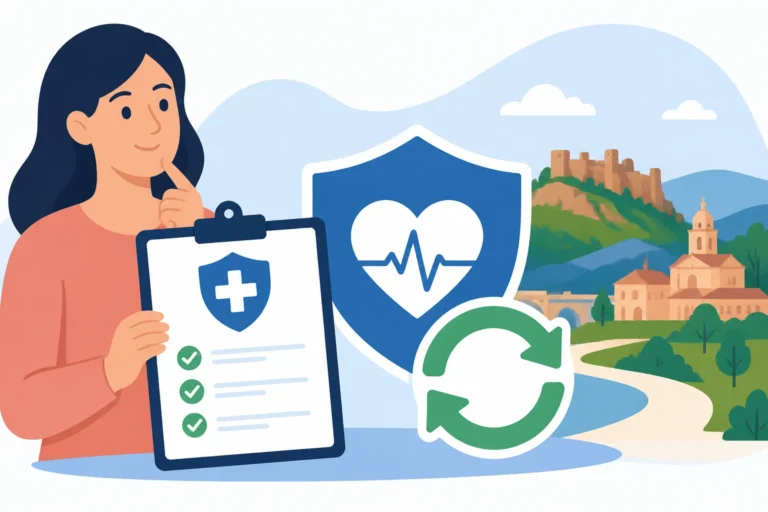
So, you’ve just landed in Georgia, full of excitement and maybe a little bit of that expat-induced anxiety about all the unknowns. Among the many questions swirling in your head – where to find good khachapuri, how to register for a tax ID, or simply what the heck that marshrutka driver is yelling about – one crucial concern often looms large: healthcare. It's not always clear-cut, and many newcomers find themselves wondering, "How do I get health insurance after moving to Georgia?" This guide is here to walk you through the practical steps, options, and critical considerations you need to know to secure your health and peace of mind.
The Initial Shock: Understanding Healthcare for Newcomers in Georgia
When you first arrive in Georgia, it's easy to assume that, like in many Western countries, there might be some form of automatic, readily available healthcare coverage. Unfortunately, this isn't quite the case for most expats. Georgia operates a multi-tiered healthcare system, and understanding where you fit in is the first step.
Dispelling the Myth of Automatic Coverage
Let's get this straight: unlike some countries where you might be automatically enrolled in a public healthcare system upon obtaining residency or starting a job, Georgia generally doesn't offer this for foreigners. Many expats mistakenly believe that once they get a residence permit, they’re somehow covered, or that simply living here grants access to a free-for-all medical system. That's a myth that can lead to a lot of stress and unexpected bills down the line. While Georgia does have a Universal Healthcare Program (UHC), its coverage for expats can be quite limited, depending on your residency status and employment. You really need to be proactive about your own coverage.
Why You Can't Rely Solely on the Universal Healthcare Program (UHC)
The Universal Healthcare Program (UHC) in Georgia is designed to provide essential medical services to its citizens and certain categories of residents, primarily those with specific social vulnerability statuses. For the average expat – especially those who are self-employed, digital nomads, or working for foreign companies – the UHC might not cover much at all.
For example, if you're working remotely for a company outside Georgia and are registered as an Individual Entrepreneur with the 1% tax status, you typically won't be paying into the Georgian social security system in a way that fully entitles you to the UHC benefits that citizens receive. You might get access to emergency services at a public hospital, but routine check-ups, specialist visits, non-emergency procedures, and even certain prescription medications could be entirely out-of-pocket expenses. This is a common pitfall. Many expats have shared stories of thinking they were covered, only to find themselves facing significant bills for what they thought would be routine care. So, while it's good to know the UHC exists, for most expats, it shouldn't be your primary healthcare plan. For a deeper dive into the nuances, you can check out our guide on whether Do Expats Get Universal Healthcare in Georgia?.
Navigating Your Options: Private Health Insurance in Georgia
Since relying solely on the UHC isn't a viable strategy for most, private health insurance becomes your best friend. This is where you have real choices and can tailor coverage to your needs. When it comes to how to get health insurance after moving to Georgia, private plans are generally the answer.
Local vs. International Health Insurance Providers
When looking into private health insurance, you'll encounter two main categories: local Georgian providers and international insurance companies. Each has its pros and cons, and the best choice really depends on your lifestyle, budget, and future plans.
Local Providers:
- Pros: Often more affordable, especially for basic plans. They are well-integrated into the local healthcare system, meaning direct billing with Georgian clinics and hospitals is usually seamless. Communication can be in Georgian, but many local providers in Tbilisi and Batumi now have English-speaking staff or departments catering to expats. They are great if you plan to stay in Georgia long-term and don't anticipate much travel outside the country. Examples include GPI Holding, Aldagi, or Ardi.
- Cons: Coverage might be limited to Georgia, or only offer minimal emergency coverage abroad. The network of doctors and hospitals might be specific, so you'll need to confirm if your preferred clinics are included. For those who frequently travel, local plans might not offer the robust international coverage you desire.
International Providers:
- Pros: Comprehensive global coverage, which is fantastic if you're a digital nomad, a frequent traveler, or if Georgia is just one stop on your expat journey. They often have higher coverage limits, more extensive networks of top-tier hospitals worldwide, and English-speaking customer service accessible 24/7. Companies like SafetyWing are popular among digital nomads for their travel medical insurance, which often doubles as basic health coverage when living abroad. This can be a really appealing option for those who value flexibility and worldwide protection.
- Cons: Generally more expensive than local plans. While they offer global reach, direct billing in Georgia might not always be available with every clinic, meaning you might have to pay upfront and claim reimbursement later. This can be a hassle, especially for unexpected larger bills.
Deciding How to Choose Between Local and International Health Insurance in Georgia involves weighing these factors carefully against your personal circumstances.
Key Considerations When Choosing a Private Plan
Selecting the right private health insurance plan isn't just about picking the cheapest option. It requires a bit of homework and understanding your own needs.
- Coverage Limits and Inclusions: What exactly does the plan cover? Does it include outpatient visits, specialist consultations, prescription medications, diagnostics (like X-rays or MRIs), and dental care? What are the maximum annual limits for different types of treatment? Don't just look at the headline price; scrutinize the details. Some basic plans might only cover emergencies or inpatient hospital stays, leaving you on the hook for routine doctor visits.
- Deductibles and Co-payments: Understand how much you'll need to pay out of pocket before your insurance kicks in (deductible) and what percentage of the cost you're responsible for after that (co-payment). A higher deductible usually means lower premiums, but be prepared for those initial costs.
- Pre-existing Conditions: This is a big one. If you have any ongoing health issues, check if the insurance plan covers them, and if so, what the waiting periods or exclusions are. Many plans will have strict rules about pre-existing conditions, so be honest and thorough in your application.
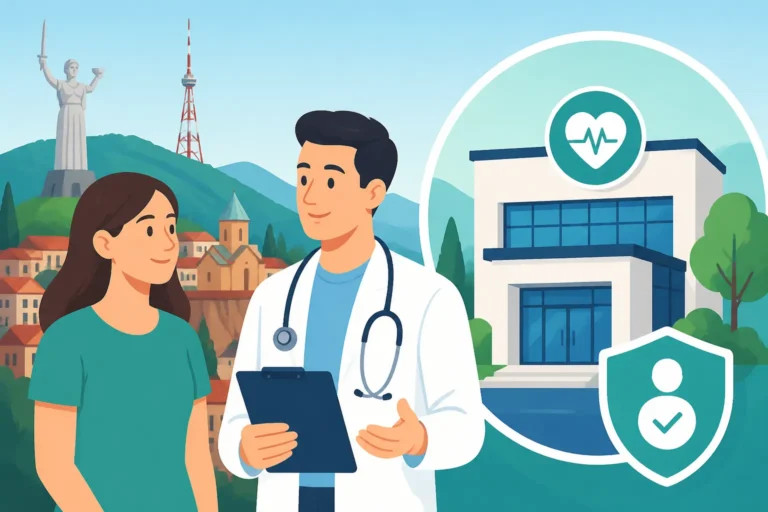
- Network of Providers: Does the insurance company have a network of hospitals and clinics in Georgia that you prefer or would feel comfortable using? Are there English-speaking doctors available within that network? For instance, some of the larger private hospitals in Tbilisi, like Evex, might have agreements with various insurers. It’s always good to confirm.
- Emergency and Evacuation Coverage: This is paramount, especially for expats. Does the plan cover emergency medical evacuation back to your home country or to a higher-standard medical facility in another country if needed? This can literally be a life-saver in severe cases.
- Travel Coverage: If you plan on exploring the region or traveling frequently, ensure your chosen plan offers adequate travel medical insurance. Companies like SafetyWing specifically cater to this need, offering coverage that works whether you're staying put in Georgia or jetting off to another country. For many digital nomads, this integrated travel and health insurance can be a perfect fit.
- Customer Service and Claims Process: How easy is it to contact customer service? Is it available in English? What's the process for filing a claim and how quickly do they process reimbursements? An efficient and straightforward claims process can save you a lot of headaches during a stressful time.
Take your time to compare and contrast plans, reading the fine print carefully. Our comprehensive guide on Understanding Private Health Insurance Plans in Georgia can offer even more insights into specific types of coverage.
Practical Steps to Secure Your Health Insurance
Once you've done your research and decided on the type of insurance that suits you best, it's time to actually get it. The process is generally straightforward, but knowing what to expect can ease any anxiety. This section answers the core question of how to get health insurance after moving to Georgia in a step-by-step manner.
The Application Process: What to Expect
Applying for health insurance in Georgia, whether local or international, typically follows a similar pattern.
- Gather Information: Before you even start filling out forms, have your personal details handy: full name, date of birth, contact information, passport details, and your current address in Georgia. You'll also need to disclose any pre-existing medical conditions.
- Request Quotes: Contact several insurance providers – both local and international – to get quotes based on your desired coverage level. Most companies have online forms for this, or you can visit their offices in major cities like Tbilisi. Don't be shy about asking questions and clarifying terms in English.
- Complete the Application Form: This will involve providing more detailed personal and medical information. Be honest and accurate. Any misrepresentation could lead to your policy being invalidated later. For some international providers popular with expats, such as SafetyWing, the application can often be completed entirely online, making it quite convenient.
- Medical Questionnaire/Examination: Depending on your age, medical history, and the level of coverage you're seeking, the insurer might require you to complete a more detailed medical questionnaire. In some cases, a medical examination might be necessary, especially for higher-tier plans or if you declare pre-existing conditions. For general inquiries on broader coverage, our How to Get Health Coverage as a Newcomer in Georgia article provides a great starting point.
- Review the Policy: Once approved, you'll receive the full policy document. READ IT CAREFULLY. Ensure all terms, conditions, exclusions, and benefits are as you understood them. If anything is unclear, ask for clarification before signing or making payment.
- Make Payment: Pay your premium. This can usually be done monthly, quarterly, or annually, often via bank transfer or credit card.
- Receive Policy Documents: After payment, you'll get your official policy documents and insurance card. Keep these safe and accessible. Always carry your insurance card with you, along with a copy of your passport or ID, when visiting any medical facility.
Essential Documents and Information Needed
While the specific requirements can vary slightly between providers, here's a general list of documents and information you'll likely need:
- Passport: Your valid passport is essential for identification.
- Georgian Residence Permit (if applicable): If you have obtained a Georgian residence permit, this will be required. For some local plans, having a residence permit might make the application process smoother.
- Proof of Address: A utility bill or rental agreement showing your current address in Georgia.
- Contact Information: Your Georgian phone number and email address.
- Medical History: A honest declaration of your past and current medical conditions, medications, and treatments.
- Emergency Contact Details: Information for someone who can be contacted in case of an emergency.
Remember, the clearer and more complete your documentation, the smoother the application process will be. For more general insights into the overall system, consider reading How Does Private Health Insurance Work in Georgia?.
What Happens If You Don't Get Insurance? The Risks
While it might be tempting to save money by skipping health insurance, especially if you're young and healthy, it's a gamble that can have severe financial and personal consequences in Georgia. Thinking "it won't happen to me" is a common trap, but life abroad always throws curveballs.
Out-of-Pocket Costs and Medical Debt
Without health insurance, every medical expense, from a simple doctor's consultation to a major surgery, will come directly out of your pocket. And while healthcare costs in Georgia are generally lower than in many Western countries, they can still add up alarmingly fast.
Let's look at some examples:
- Doctor's Visit: A basic consultation with a private general practitioner in Tbilisi can cost anywhere from 50 to 150 GEL, sometimes more for specialists. If you need follow-up appointments, tests, or prescriptions, those costs quickly escalate.
- Emergency Room Visit: Even for something seemingly minor like a sprain or a bad fever, an emergency room visit without insurance could set you back hundreds of Lari. If you need diagnostic tests like X-rays (around 50-100 GEL) or blood tests (easily 100-300 GEL depending on what's tested), the bill can jump.
- Hospitalization: This is where things can get truly scary. A few days in a private hospital for an appendectomy or a broken bone, plus surgery and medication, could run into thousands of Lari. Without insurance, you are solely responsible for this entire bill. Imagine breaking your leg and facing a 5,000-10,000 GEL bill out of nowhere. That’s a significant hit to anyone's finances, especially when you’re trying to settle into a new country.
- Maternity Care: For expat families, thinking about future needs is vital. Childbirth, even a normal delivery, can cost a few thousand Lari in private clinics. Complications or a C-section could significantly increase that.
For a general overview of the financial landscape, our guide on The Cost of Healthcare in Georgia: A Complete Breakdown for Foreigners (2026) offers a good perspective. The bottom line is that while Georgia is affordable, medical emergencies are not.
Emergency Scenarios and Limited Access
Beyond the financial strain, not having health insurance can severely limit your access to timely and quality medical care during an emergency. While public hospitals are obligated to treat genuine emergencies, the quality and comfort level might not be what you're accustomed to. Private clinics, which often offer better facilities and English-speaking staff, might be hesitant to admit you for non-life-threatening conditions without proof of insurance or an upfront payment.
In a true medical emergency, like a severe accident or sudden illness, you could be transported to the nearest public hospital. While they will stabilize you, the experience can be daunting. Navigating paperwork, language barriers, and figuring out costs while in pain or distress is something no one wants to face. Having private insurance gives you the choice to go to better-equipped private hospitals in Tbilisi, where you're more likely to find English-speaking doctors and more modern facilities. For expats, especially, having that choice makes a world of difference. To learn more about navigating emergencies, refer to What Happens If I Get Sick Without Insurance in Georgia?.
In conclusion, getting health insurance isn't just a suggestion; it's a fundamental necessity for any expat moving to Georgia. It provides a safety net, protects your finances, and ensures you have access to the care you need, when you need it, allowing you to truly enjoy your life in this beautiful country.
Local vs. International Health Insurance in Georgia: At a Glance
| Feature | Local Georgian Insurance Providers | International Health Insurance Providers |
|---|---|---|
| Coverage Area | Primarily Georgia; limited or no emergency-only coverage abroad. | Global coverage, often excluding your home country (check policy details). |
| Cost | Generally more affordable for basic to mid-tier plans. | Typically more expensive, but offers broader coverage. |
| Network & Access | Well-integrated with local clinics and hospitals; easier direct billing. English support growing. | Wide global network; may require upfront payment and reimbursement for some Georgian clinics. |
| Travel Benefits | Minimal or no coverage outside Georgia. | Excellent for frequent travelers and digital nomads (e.g., SafetyWing). |
| Flexibility | Plans often structured for long-term residents. | Highly flexible, suitable for transient lifestyles or those unsure of long-term location. |
| Customer Service | Improving, but might still have language barriers; primarily business hours. | Often 24/7, multi-lingual support. |
| Claims Process | Can be quicker for local claims, direct billing common. | May involve more paperwork for reimbursement if direct billing isn't an option. |
| Ideal For | Expats planning a long stay in Georgia, budget-conscious individuals. | Digital nomads, frequent travelers, those seeking premium global coverage, short-term residents. |
Disclaimer
The information provided in this guide is for general informational purposes only and does not constitute professional medical, legal, or financial advice. Healthcare regulations and insurance policies can change, and individual circumstances vary. Always consult with a qualified insurance professional or legal advisor for advice tailored to your specific situation.