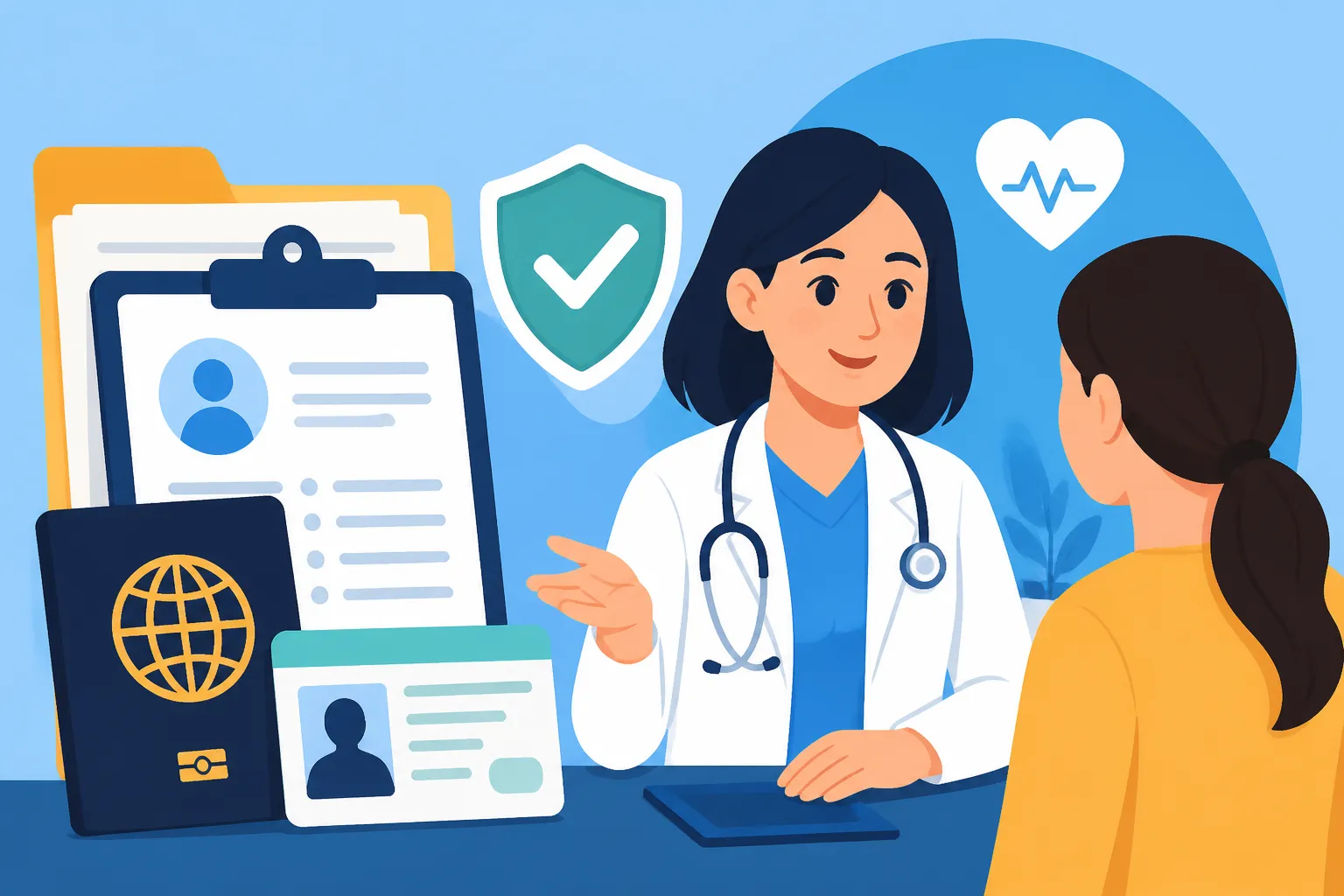
What Documents Do I Need to See a Doctor in Georgia?
Navigating the healthcare system in a foreign country can often feel like wrestling a particularly stubborn khachapuri – delicious once you get into it, but challenging to start! One of the biggest hurdles expats and tourists face in Georgia is simply knowing what documents they actually need to bring when they step foot into a clinic or hospital. It's not always as straightforward as it is back home, and missing a crucial piece of paper can lead to delays, frustration, or unexpected costs. This guide is here to untangle that knot, walking you through everything you need to know about the essential paperwork for accessing medical care here in Georgia.
The Basics: What Every Expat Needs for a Doctor's Visit
When you're settling into Georgia, whether in bustling Tbilisi, sunny Batumi, or charming Kutaisi, understanding the administrative side of things is key, especially for something as vital as your health. While the Georgian healthcare system is generally quite accessible, having your ducks in a row document-wise will save you a world of stress.
Your Passport and Residence Permit
These are your absolute bread and butter. Think of them as your golden tickets to almost any official interaction in Georgia, and healthcare is no exception.
Why they are crucial: Your passport serves as your primary identification, confirming who you are and your nationality. For expats, your Georgian residence permit is equally, if not more, important. It proves your legal right to reside in the country and often dictates the terms of your healthcare access, especially if you're looking into local private insurance plans or leveraging any long-term resident benefits. Clinics and hospitals will need to record your legal status for their records, and this helps them properly identify you, track your medical history within their system (if you're a returning patient), and ensure you're eligible for certain services or billing structures.
What to expect without them: Trying to see a doctor without your passport or residence permit can be tricky. While emergency cases will always be treated regardless of documentation, for routine appointments, you might find yourself turned away or facing significant delays. Imagine arriving for a scheduled check-up, only to be told you can't be registered because you forgot your ID. It's a waste of your time and the clinic's. Always carry at least a physical copy or a clear digital photo of both your passport's main page and your residence permit card. Even better, have the originals on you if you can, especially for your first visit to a new clinic. For those just entering the country and not yet having applied for residency, or those here on a shorter visa-free stay, your passport is your only official ID, so guard it closely.
Proof of Insurance
Ah, insurance. The necessary evil of expat life! This is where things can vary quite a bit depending on your status and choices.
Understanding your coverage: If you have private health insurance in Georgia, whether it's a local policy or an international one, you absolutely need to bring proof of it. This usually comes in the form of a physical insurance card, a policy document, or even a digital card on your phone. Many private clinics, particularly in major cities like Tbilisi, work directly with insurance companies, and presenting your card at the reception desk is often the first step to ensuring your visit is covered or at least partially reimbursed. Some popular local providers include GPI Holding and Aldagi, while international options like SafetyWing are well-known among digital nomads and short-term residents for their travel medical insurance. It’s worth checking if your chosen clinic has a direct billing agreement with your insurer – it saves you from paying upfront and then claiming reimbursement later. Understanding Private Health Insurance Plans in Georgia is a deep dive many expats benefit from, as policies can differ greatly.
What if you don't have insurance? For those without private insurance, you'll be considered a self-pay patient. This means you'll be responsible for the full cost of your consultation, tests, and any treatment upfront. While Georgia's healthcare costs are generally quite reasonable compared to many Western countries, they can still add up. It’s always wise to inquire about the cost of a doctor visit beforehand if you're paying out-of-pocket. Tourists, in particular, should ensure they have robust travel insurance – many rely on providers like SafetyWing for peace of mind, as even a simple doctor’s visit can become a financial burden if unforeseen complications arise. If you’re uncertain about whether you need it, Do I Need Private Health Insurance in Georgia? is a question many foreigners grapple with.
Your Personal Medical History
While not a "document" in the official sense required by the state, having your medical history on hand is incredibly important for your own care.
Why it's important: Georgian doctors, like doctors anywhere, appreciate a complete picture of your health. This includes any chronic conditions you have, past surgeries, significant illnesses, allergies (especially to medications!), and a list of all current medications you are taking, including dosages. Imagine trying to explain complex medical conditions or allergic reactions in a foreign language under stress; it's tough. Having this information readily available in a clear, concise format, ideally translated into Georgian or English, can significantly aid the doctor in making an accurate diagnosis and prescribing appropriate treatment.
What to bring:
- Medication List: A simple list of all prescription and over-the-counter medications, including supplements, with their dosages and how often you take them.
- Allergy List: Crucially important! List all known allergies, especially drug allergies, and describe the reaction.
- Diagnosis Summary: If you have chronic conditions (diabetes, hypertension, asthma, etc.), a brief summary from your previous doctor detailing the diagnosis, ongoing treatment, and last check-up date is invaluable.
- Vaccination Records: Especially important for children or if you're getting routine vaccinations. Understanding Childhood Vaccination Schedules in Georgia can be helpful for expat families.
- Test Results: If you've had recent blood tests, X-rays, or other diagnostic imaging for your current concern, bring those reports.
You don't need to haul years of medical files with you, but a well-organized, summary document that you can easily present to a new doctor will make a huge difference in the quality of care you receive.
Specific Scenarios: Beyond the Routine Check-up
Healthcare isn't always just about routine visits. Life happens, and sometimes you need to access care in more specific or urgent circumstances. The documents you prioritize might shift slightly in these situations.
Emergency Room Visits
In a genuine emergency, your immediate health and safety are the priority, not paperwork. Georgian hospitals will treat you first.
What's critical in an emergency: If you find yourself in an emergency situation in Georgia, whether it's a sudden illness or an accident, the most important thing is to get help. Call 112 for an ambulance. When you arrive at the emergency room, the medical staff will focus on stabilizing you. Documentation will take a backseat. However, once the immediate crisis is handled, or if you're accompanying someone, you will need to present identification (passport, residence permit) and insurance information (if you have private coverage like from SafetyWing). They'll need this for your registration, medical records, and billing. Don't worry about translations in the heat of the moment; just provide what you have. Understanding Emergency Numbers (112) and Ambulance Care in Georgia is crucial knowledge for every expat.
What to expect regarding payment: If you have private insurance, the hospital will likely require your policy details or card to initiate a claim. If you don't have insurance, or if your insurance doesn't cover emergencies (which is rare for good policies, but always check), you will be responsible for the costs. You might be asked for an upfront payment or deposit, especially if admission is required. Again, Georgia's medical costs are often lower than in many Western countries, but emergency care can still be substantial.
Specialist Referrals and Follow-up Appointments
Getting specialist care in Georgia generally involves a referral process, similar to many other countries.
The referral process: For most specialist visits (e.g., seeing a cardiologist, dermatologist, or OB-GYN), you'll typically need a referral from a general practitioner (GP) or family doctor. This initial doctor will assess your condition and, if necessary, write a referral note. This note is a crucial document for your specialist appointment. It outlines your symptoms, the GP's findings, and the reason for the referral, giving the specialist a head start. When you make the specialist appointment, the clinic will likely ask if you have a referral.
Documents needed for specialists: Beyond your passport, residence permit, and insurance details, bring the referral note from your GP. Also, bring any relevant test results, imaging reports (X-rays, MRIs), or lab work that pertains to your specific condition. If you’ve been undergoing treatment for the issue, a summary of that treatment and the medications prescribed will also be very helpful. Remember, the more information you can provide, the better the specialist can understand your history and tailor your care. How Specialist and Hospital Referrals Work in Georgia explains this in more detail.
Follow-up appointments: For follow-up appointments, you’ll generally need your identification and insurance information. The clinic will have your previous records, but it's always a good idea to bring any new test results or notes on how you've been feeling since your last visit.
For Children and Dependents
Expat families have a few extra considerations when it comes to healthcare documentation for their little ones.
Additional documents for minors: When taking a child to the doctor in Georgia, in addition to your own identification and insurance, you'll need the child's passport. If the child has a residence permit, bring that too. You will also need to prove your relationship to the child. A birth certificate listing you as a parent is generally sufficient. If you are not the biological parent or have different last names, additional legal documentation (e.g., guardianship papers) might be required. It’s always best to check with the clinic beforehand, especially for the first visit. For routine check-ups and childhood vaccinations, your child's medical records and vaccination history from your home country or previous residence are invaluable. How Do I Find a Pediatrician in Tbilisi? is a common question for expat parents.
Adding dependents to your health insurance: If you have private health insurance, ensure your children and spouse are properly added to your policy. This means they will have their own insurance cards or be listed clearly on your policy document. When presenting proof of insurance for your dependent, make sure their name is explicitly visible on the documentation. This streamlines the billing process and ensures they receive coverage. How to Add Dependents to Your Health Insurance in Georgia is an essential read for families.
Practical Tips for Navigating Georgian Healthcare Documentation
Even with all the right documents, the practicalities of navigating a foreign healthcare system can be daunting. A few proactive steps can make a world of difference.
Digital vs. Physical Documents
In Georgia, while digital copies are often accepted, physical copies can still be preferred or even required in some instances, especially at the Public Service Development Agency or for initial registrations.
Recommended copies: Expats are generally advised to keep both. Have clear digital scans or photos of your passport, residence permit, and insurance card readily accessible on your phone or in a secure cloud storage. But also keep physical photocopies of these key documents in a separate folder. For your medical history, a printed summary is usually best, as it’s easy for the doctor to review and add to your file. If you have insurance with SafetyWing, their digital policy documents are easy to access and share from your phone.
Digital storage best practices: Use secure, password-protected cloud storage or an encrypted folder on your phone for digital copies. Never share sensitive documents over unsecured networks or public Wi-Fi. It’s also wise to have a contact list for emergencies, including your insurance provider’s emergency line, saved both digitally and on paper.
The Language Barrier and Translations
Georgia is a beautiful country with its own unique language. While English is increasingly spoken, especially among younger generations and in international clinics in Tbilisi, you can't always count on it.
Importance of translations: For critical medical documents, such as a summary of your chronic conditions or a list of severe allergies, having them officially translated into Georgian or Russian (which is also widely spoken) can be incredibly helpful. While many clinics in Tbilisi and Batumi have English-speaking doctors, having key terms or conditions translated ensures nothing gets lost in translation. If you don't have official translations, at least use a reliable translation app for specific terms or phrases you might need to convey.
Having a translator present: For complex discussions, especially about diagnoses or treatment plans, consider bringing a friend who speaks Georgian or hiring a professional medical translator. Many private clinics offer translation services for a fee, or you can find independent translators. This isn't strictly a "document" issue, but it's vital for understanding the documents and information being exchanged. How to Find an English-Speaking Doctor in Georgia often includes advice on clinics with multilingual staff.
When You Don't Have All the Documents
Life happens, and sometimes you might find yourself needing medical care without every single document perfectly in order.
What are the fallback options?
- Identification: If you forgot your residence permit but have your passport, or vice-versa, present what you have. For routine appointments, they might ask you to bring the missing document later or reschedule. For urgent care, they will proceed and ask for documentation once you are stable.
- Insurance: If you can't find your physical insurance card, try to access your digital policy document or call your insurance provider's helpline (many have 24/7 support) for proof of coverage. If all else fails, you may have to pay upfront and claim reimbursement later. This is where understanding How to Claim Reimbursement from Private Insurance in Georgia becomes very useful.
- Medical History: Don't panic if you don't have a perfectly translated medical history. Do your best to verbally explain your conditions, medications, and allergies. Write down key points on a piece of paper if it helps you organize your thoughts. Many doctors are empathetic and will work with you.
Understanding out-of-pocket costs: It’s always good to be prepared for the possibility of paying out-of-pocket. Keep some cash or a credit card available for medical expenses. Even with insurance, some co-pays or deductibles might apply. Having a general idea of Understanding Out-of-Pocket Healthcare Costs in Georgia can help you budget and avoid surprises.
A Note on Travel Insurance for Tourists
For those visiting Georgia on a shorter trip, the documentation needs are a bit different, primarily revolving around robust travel insurance.
Essential Coverage for Short Stays
As a tourist, you generally won't have a Georgian residence permit or be eligible for local private health insurance plans designed for residents. This is where a good travel insurance policy becomes your most important document. Providers like SafetyWing are popular because they offer flexible, affordable international travel medical insurance that can cover unexpected illnesses or accidents during your trip.
What to look for in travel insurance:
- Medical Emergency Coverage: Ensure it covers hospital stays, doctor visits, emergency evacuations, and prescription medications.
- Repatriation: In a severe emergency, you might need to be transported back to your home country. This can be incredibly expensive without insurance.
- Deductibles and Limits: Understand your policy’s deductible (what you pay before insurance kicks in) and its overall coverage limits.
Always carry your travel insurance policy number and emergency contact information with you, ideally in both digital and physical forms. This will be the first thing clinics ask for after your passport if you need medical attention.
What to Do if You Get Sick as a Tourist
If you're a tourist and fall ill or have an accident:
- Assess the severity: For minor ailments (e.g., a cold, minor stomach upset), you can visit a pharmacy for over-the-counter medications, or a walk-in clinic if you prefer a doctor's consultation. For more serious conditions, head to a private clinic or hospital.
- Contact your insurance: As soon as possible, contact your travel insurance provider. They can often recommend English-speaking doctors or clinics, pre-authorize treatments, and guide you through the claims process.
- Present documents: Have your passport and travel insurance details ready. If you're going to a private clinic, they will take photocopies and ask you to sign forms related to your visit and billing.
Being prepared with adequate travel insurance is paramount, as tourists are not covered by Georgia’s universal healthcare program. What Happens If I Get Sick Without Insurance in Georgia? can lead to substantial personal expense.
Key Documents for Seeing a Doctor in Georgia: A Quick Reference
Here’s a handy table summarizing the essential documents for various scenarios:
| Scenario | Essential Documents | Highly Recommended | Notes |
|---|---|---|---|
| Routine Doctor Visit | Passport, Residence Permit, Health Insurance Card/Policy (if applicable) | Previous medical history summary, list of current medications, known allergies | Even if self-paying, ID is always needed for registration. |
| Emergency Care | Passport, Residence Permit, Health Insurance Card/Policy (if applicable) | Emergency contact info, brief medical history (allergies, meds) | Immediate treatment is priority. Documents will be asked for once stable. |
| Specialist Appointment | Referral letter from GP, Passport, Residence Permit, Health Insurance | Relevant test results, imaging, prior treatment summaries. | Ensure the referral details match your concern for efficient consultation. |
| Child's Doctor Visit | Child's Passport, Parent's Passport, Child's Residence Permit | Child's birth certificate, full vaccination records, insurance for child. | Proof of parental relationship is often required. |
| Tourist Medical Care | Passport, Travel Insurance Policy/Card | Emergency contact info, brief medical history (allergies, meds) | Travel insurance is crucial as universal healthcare doesn't cover tourists. |
Remember, this is a guideline. Specific clinics or situations might have slightly different requirements, so if you're ever unsure, don't hesitate to call ahead and ask. Wishing you smooth sailing and good health in Georgia!
Disclaimer
The information provided in this guide is for general informational purposes only and does not constitute medical, legal, or professional advice. While we strive to keep the information up-to-date and accurate, regulations and practices in Georgia can change. Always consult with a qualified healthcare professional, legal expert, or the relevant Georgian authorities for advice tailored to your specific situation. We strongly recommend verifying all information with official sources before making any decisions.