Is Mental Health Treatment Confidential in Georgia?
When you pack up your life and move to a place like Georgia, there's a myriad of things to worry about, and your mental health often gets pushed aside. But when it doesn't, a big concern for many expats is: what happens to my private information if I seek therapy or mental health support here? It's a valid question, especially when you're navigating a new culture and a healthcare system that might operate differently from what you're used to. This guide will delve deep into the nuances of mental health treatment confidentiality in Georgia, giving you a clear picture of your rights and what to expect.
The Legal Framework of Patient Confidentiality in Georgia
It's completely understandable to feel a bit apprehensive about how deeply your personal information is protected in a new country. After all, privacy laws can vary wildly. The good news is that Georgia, striving towards closer ties with European standards, has made significant strides in solidifying patient rights and data protection. You're not just operating in a legal vacuum here.
Understanding Georgian Healthcare Legislation
Georgia's primary legal document governing healthcare is the "Law on Healthcare," which lays out the fundamental principles of patient rights, including the right to confidentiality. This isn't just a suggestion; it's a legally binding principle that healthcare providers must adhere to. Beyond that, the "Law of Georgia on Personal Data Protection" further reinforces these rights, ensuring that any personal data, especially sensitive medical information, is collected, processed, and stored with the utmost care and under strict conditions.
What this essentially means is that your medical information – whether it's about a broken leg or a therapy session – is considered confidential. Healthcare professionals are legally obliged to keep it private. This confidentiality extends to who can access your medical records, when and if information can be shared, and under what circumstances. It's designed to build trust between you and your healthcare provider, encouraging open and honest communication without fear of your personal struggles being broadcast. For a broader understanding of how these systems fit together, you might want to read Navigating the Georgian Healthcare System: An Expat's Roadmap (2027).
Specific Protections for Mental Health Information
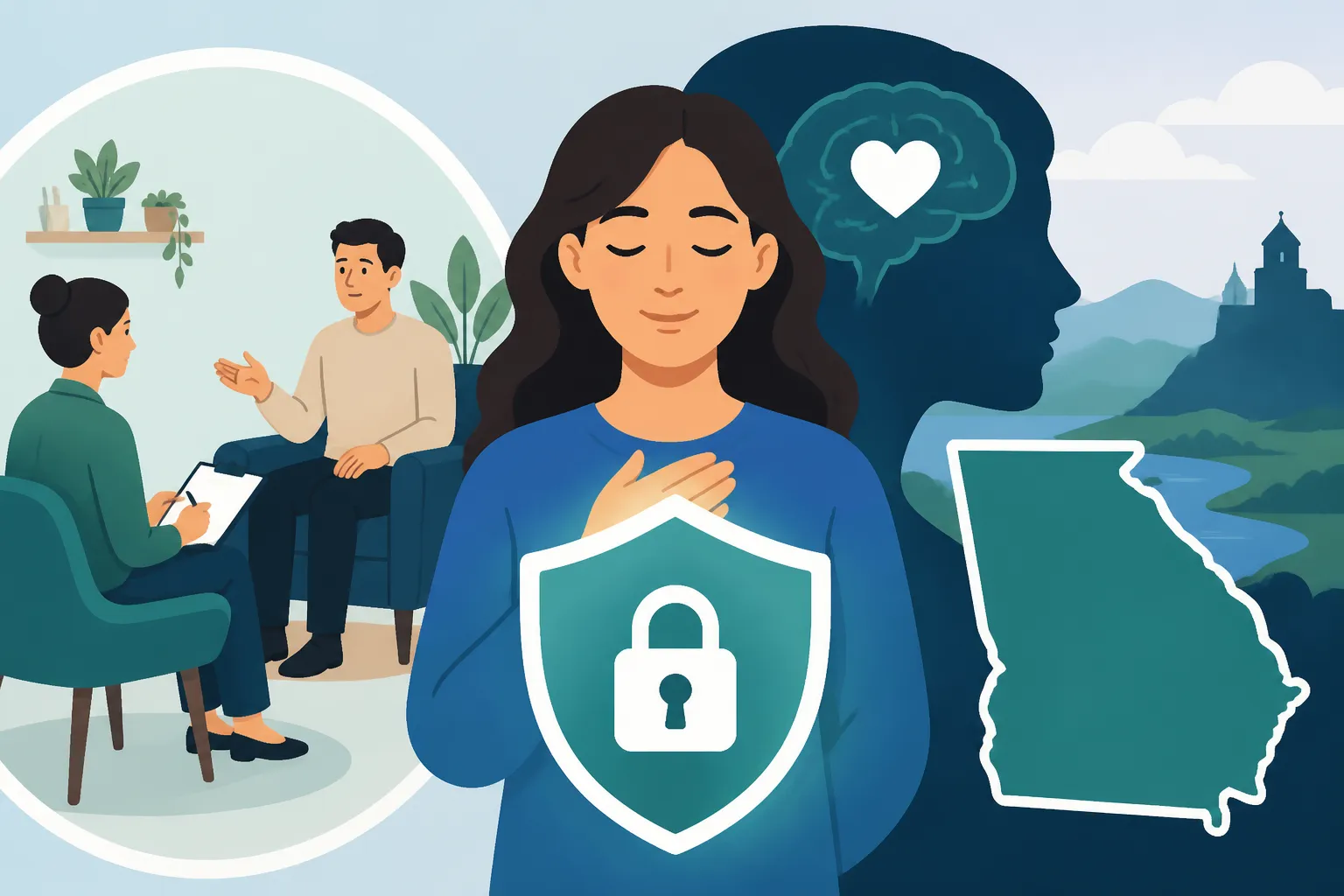
Now, when we talk about mental health, the sensitivity of the information often feels heightened. You might be wondering if your mental health records have an extra layer of protection, given the personal and often stigmatized nature of these conditions. While Georgian law doesn't typically create an entirely separate category of "super-confidential" mental health records, the existing data protection laws are robust enough to cover this sensitive area adequately. The general principles of confidentiality and personal data protection apply with full force to psychiatric and psychological treatment.
This means that a therapist or psychiatrist cannot, for instance, just chat with your landlord or a curious acquaintance about your sessions. Explicit, informed consent is generally required before any of your mental health information can be shared with third parties. This means they need to tell you exactly what information they want to share, with whom, and why, and you have to agree to it. Imagine a scenario where a well-meaning but nosy relative calls your therapist asking for updates – the professional's legal and ethical obligation is to politely decline to share any information without your direct consent. They can't even confirm you are a patient there without your permission. This is a crucial distinction that helps protect your privacy in a country where family ties are very strong and personal boundaries might sometimes feel different from what you're used to.
Practical Realities and Cultural Nuances of Confidentiality
Understanding the law is one thing, but experiencing the day-to-day reality in a foreign country can be quite another. As an expat, you’ve likely already noticed that practical application of rules can sometimes feel a bit different from the written word. This is particularly true in healthcare, where cultural norms and bureaucratic habits can subtly influence how privacy is handled.
The Day-to-Day Practice in Clinics and Hospitals
In the hustle and bustle of Georgian clinics and hospitals, especially in larger cities like Tbilisi, you'll find that medical professionals generally adhere to confidentiality standards. However, the feeling of privacy might sometimes differ from what expats from certain Western countries are accustomed to. For instance, waiting rooms might be a bit more communal, and sometimes conversations at reception desks might not feel as hushed as you'd prefer. This isn't usually a breach of confidentiality in a legal sense, but more of a cultural difference in spatial and auditory privacy norms.
When it comes to your medical records, the system is increasingly digitalized, which aids in controlled access. However, various medical staff – from receptionists handling your registration to nurses assisting your doctor – will have some level of access to your basic information for administrative and care coordination purposes. The key is that their access is limited to what is necessary for their job functions. So, while a receptionist might know your name and appointment time, they shouldn't have access to your detailed diagnostic notes.
It's also worth noting the distinction between public and private facilities. While both are bound by the same laws, private clinics often invest more in modern infrastructure and patient experience, which can include more private consultation rooms and stricter internal protocols for data handling, giving a greater sense of privacy. This can be a significant factor for those seeking mental health support, where the environment itself can contribute to a feeling of safety and trust. If you're weighing your options, take a look at Public vs Private Healthcare in Georgia: What Expats Need to Know to understand these differences more fully.
Cultural Views on Mental Health and Privacy
Navigating mental health care in Georgia also means navigating cultural perspectives on mental well-being. Historically, and in many parts of the world, there can be a significant stigma attached to mental health issues. While Georgia is evolving, open discussions about mental health challenges are still not as widespread as in some other cultures. This can manifest in a general inclination towards discretion and privacy by individuals and, consequently, by practitioners.
This doesn't mean your confidentiality is at greater risk; quite the opposite, in fact. Professionals are generally very discreet, understanding the sensitivity involved. However, it does mean that you might find the public discourse around mental health to be quieter, and people less inclined to openly discuss their struggles. For expats, this can sometimes feel isolating. Rest assured, professional standards still uphold your right to privacy, and the medical community is committed to ethical practice.
A major game-changer for many expats is finding an English-speaking doctor or therapist. Not only does this ensure you can fully articulate your concerns and understand your treatment plan, but it also allows for clearer communication regarding confidentiality agreements and privacy expectations. Being able to clearly ask about their privacy policies in your native language can alleviate a lot of anxiety. If you're on the hunt, our guide on How to Find an English-Speaking Doctor in Georgia is an excellent resource.
Navigating Confidentiality with Mental Health Professionals and Insurance
Choosing the right mental health professional and understanding how your insurance interacts with your data are two critical aspects of maintaining confidentiality during your treatment journey in Georgia. It’s about being proactive and informed.
Choosing a Therapist or Clinic with Trust in Mind
When you're looking for a mental health professional in Georgia, whether it's a psychologist, psychiatrist, or counsellor, the process should involve a bit of due diligence, just like you would anywhere else. Don't be afraid to ask direct questions about their confidentiality policies during your initial consultation. A reputable professional or clinic should be able to clearly explain their procedures for protecting your data, including how records are stored, who has access, and under what circumstances information might be shared (e.g., in an emergency).
Many private clinics in Georgia, especially those catering to the international community, are keenly aware of international privacy standards and often go above and beyond to ensure patient comfort and discretion. They understand that for mental health support, trust is paramount. You might find that these clinics offer a more personalized and private experience compared to larger public institutions. While public facilities adhere to the law, private ones often provide an enhanced sense of security through their operational practices. For more on this, check out Understanding the Role of Private Clinics in Georgia's Health System.
It’s worth noting that simply because a clinic is popular or has good reviews doesn't automatically mean their privacy policies align with your comfort level. Take the time to understand their approach. This proactive step ensures that you’re not just getting treatment, but treatment in an environment where you feel truly safe to open up.
Confidentiality and Health Insurance
This is often where the waters get a little murky for expats. You have your private mental health sessions, but then you need to claim reimbursement from your health insurance. How much information does your insurer get to see?
Generally, for an insurance company to process a claim, some medical information must be shared. This is a standard practice globally. Insurance providers need to confirm that the services you received were medically necessary and covered by your policy. However, the depth of this information can vary. Most reputable insurance providers, whether local or international, will typically request diagnostic codes and the type of service rendered, rather than detailed therapy notes or the specifics of your conversations with your therapist.
Companies like SafetyWing, which many digital nomads and expats use, are typically very clear in their terms and conditions about how they handle sensitive medical information. They understand the critical importance of privacy, particularly for mental health. However, as with any insurance policy, it’s always on you to read the fine print. Understand what information they require for claims, and how they state they will protect that information. Don't hesitate to reach out to their customer service if you have specific concerns about mental health claim confidentiality.
The key takeaway here is that while some information will be shared with your insurer for reimbursement purposes, it is generally limited to what is necessary for processing the claim, not a full disclosure of your innermost thoughts. Understanding your policy is crucial. We have a helpful guide on Health Insurance in Georgia: Private and International Options Explained, and another one on How to Claim Reimbursement from Private Insurance in Georgia that covers this process in more detail.
Exceptions to Confidentiality and Emergency Situations
While confidentiality is a bedrock principle in mental health treatment, it's not absolute. Like almost every country in the world, Georgia has specific, legally defined situations where a healthcare professional is not only allowed but obliged to break confidentiality. These exceptions are usually put in place to protect you or others from serious harm.
When Information Can Be Legally Disclosed
The most common and universally accepted exceptions to patient confidentiality revolve around safety. If a mental health professional determines that you pose a serious and imminent danger to yourself (e.g., active suicidal ideation with a plan) or to identifiable others (e.g., threats of violence), they have a legal and ethical duty to intervene. This might involve informing emergency services, relevant authorities, or, in the case of threats to others, the potential victim.
Other legally mandated disclosures can include:
- Child Abuse or Neglect: If a professional suspects child abuse or neglect, they are mandated reporters and must report it to child protection services.
- Court Orders: A court of law can subpoena medical records, including mental health records, in certain legal proceedings. While professionals will often try to protect your privacy, a valid court order must be complied with.
- Infectious Diseases: In cases of certain highly contagious and reportable diseases, public health authorities may require disclosure for community safety. However, this is less common in mental health contexts unless there's an overlapping medical issue.
It’s vital to understand that these are not arbitrary disclosures. They are specific, legally defined situations where the duty to protect life or prevent serious harm overrides the duty of confidentiality. Mental health professionals are trained to make these difficult judgments ethically and judiciously, aiming to disclose only the minimum necessary information. They usually won't take these steps lightly, and if possible, they will attempt to discuss their concerns with you first.
What to Expect in an Emergency
In a medical or mental health emergency, the primary goal is immediate care and stabilization. If you find yourself in an emergency situation related to your mental health, such as a severe crisis or an overdose, the medical team's priority will be to save your life and ensure your safety. In these critical moments, some information sharing may occur between the medical professionals directly involved in your care to ensure you receive the most appropriate and effective treatment.
For instance, if you're unconscious, medical staff will look for identifying information and emergency contacts. If your therapist or psychiatrist is contacted, they may provide information relevant to your immediate medical needs, but again, typically limited to what is essential for your care, rather than a full history. It’s always a good idea, as an expat, to have your emergency contacts clearly listed and, if you feel comfortable, to carry a small card with essential medical information (allergies, current medications, primary mental health contact if applicable). This can help ensure that if something happens, those helping you have the necessary information while still respecting your privacy as much as possible. For insights into emergency services, you might find Emergency Medical Care in Georgia: What Every Expat Needs to Know and Understanding Emergency Numbers (112) and Ambulance Care in Georgia useful. The Georgian healthcare system, while perhaps less familiar, does have protocols in place for emergencies, aiming for effective and ethical care.
Ultimately, while the thought of anyone accessing your mental health information can be daunting, Georgia’s legal framework is designed to protect your privacy. By understanding the laws, cultural context, and the practices of your chosen providers, you can confidently seek the support you need. For a general overview of accessing healthcare in the country, you could refer to How Expats Access Healthcare in Georgia: The Complete Guide (2027).
Here’s a quick summary of your rights regarding mental health confidentiality in Georgia:
| Aspect | Your Right/Expectation |
|---|---|
| Legal Basis | Your mental health information is protected by the Law on Healthcare and the Law on Personal Data Protection, ensuring it's treated as confidential medical data. |
| Consent for Sharing | Generally, your explicit, informed consent is required before your mental health professional can share any information about your treatment with third parties, including family members or other doctors not directly involved in your care. |
| Access to Records | You have the right to access your own medical records. Access by others is strictly limited to authorized medical staff involved in your care or for administrative purposes, with specific legal mandates. |
| Insurance Claims | For insurance claims (e.g., with providers like SafetyWing), some information (diagnostic codes, type of service) will be shared to process reimbursement. Detailed therapy notes are rarely, if ever, disclosed. Always review your policy’s terms. |
| Exceptions | Confidentiality can be legally breached in specific, limited circumstances to prevent serious harm to yourself or others (e.g., suicidal intent, threats of violence, child abuse) or by valid court order. Professionals aim to disclose only necessary information. |
| Cultural Discretion | Mental health topics may be handled with greater discretion culturally. Professionals are generally aware of this and aim for privacy, though the feeling of privacy in public hospital settings might sometimes differ from Western norms. |
| Choosing Providers | You have the right to ask potential therapists/clinics about their privacy policies and procedures before committing to treatment. Prioritize those who clearly articulate their commitment to confidentiality. |
| Complaint Mechanism | If you believe your confidentiality has been breached without legal justification, you have the right to file a complaint with the clinic, the Georgian Ministry of Health, or the Personal Data Protection Service. |
Remember, knowing your rights is your first line of defense. Don't hesitate to advocate for your privacy and ask questions. After all, your peace of mind is paramount, especially when you're taking care of your mental well-being in a new country. And while The Cost of Healthcare in Georgia: A Complete Breakdown for Foreigners (2026)) is generally lower than in many Western countries, the value of feeling secure in your privacy is truly priceless.
Disclaimer
The information provided in this guide is intended for general informational purposes only and does not constitute legal, medical, or professional advice. While we strive to provide accurate and up-to-date information based on our experience and research, laws and regulations in Georgia can change. Always consult with qualified legal and medical professionals for advice tailored to your specific situation. Reliance on any information in this guide is solely at your own risk.