How Do I Transfer My Medical Records to a New Clinic in Georgia?
Oh, the joy of moving to a new country and realizing that your meticulously kept medical history back home suddenly means very little in a new system. It's a familiar hurdle for many of us expats in Georgia, and one that often causes undue stress, especially when it comes to something as vital as your health records. Whether you're switching from one Georgian clinic to another, or perhaps finally settling into a long-term clinic after your initial expat scramble, getting your medical records transferred smoothly can feel like trying to solve a Rubik's Cube blindfolded. This guide is here to untangle that process, offering practical steps and empathy for anyone trying to navigate the sometimes-opaque world of Georgian healthcare records.
The Georgian Healthcare Landscape and Why Record Transfers Matter
Let's be honest, the Georgian healthcare system isn't always the most digitally integrated, at least not in the way some of us might be used to from our home countries. While improvements are being made, you often find clinics operate with their own internal systems, and transferring records isn't as simple as clicking a button to send them across a secure network. This can be a real headache, but understanding this reality is the first step in approaching the process effectively.
Understanding the Fragmented System
When you move between clinics in Georgia, particularly from a smaller local clinic to a larger private hospital, or even from one private clinic to another, you're not always dealing with a unified national electronic health record system. This means that each institution often maintains its own patient files, predominantly in paper format, or within a proprietary digital system that doesn't easily interface with others. It's not uncommon to find that your records from a visit to a public polyclinic might not be readily accessible to a doctor at a swanky private hospital like MediClub Georgia or American Hospital Tbilisi, without you physically moving them yourself.
This fragmentation is why many expats eventually opt for private healthcare in Georgia, seeking continuity and often, English-speaking staff who are more accustomed to international patient needs. However, even within the private sector, unless clinics are part of the same larger network, manual transfer is frequently the norm. This is a common source of frustration, as you might assume modern facilities would have modern data sharing capabilities, only to find yourself carrying a stack of papers and a CD with your MRI scan.
The Importance of Your Medical History
"Why bother with all this hassle?" you might ask. Well, your medical history isn't just a collection of past appointments; it's a vital narrative of your health journey. Imagine you’ve been managing a chronic condition, say, type 2 diabetes, for years, and your previous doctor in Georgia had carefully documented your blood sugar levels, medication adjustments, and dietary advice. Moving to a new clinic without these records means your new doctor starts from scratch. They won't have the context of past treatments that worked or didn't, or the detailed progression of your condition.
It’s even more critical for things like allergies to medications, previous surgeries, or complex diagnostic test results. A new doctor needs to know if you've had an appendectomy, if you're allergic to penicillin, or what the results of that suspicious mole biopsy were a year ago. Without this information, they might order redundant tests, prescribe conflicting medications, or even miss crucial details that could impact your immediate treatment. Having a complete record empowers your new doctor to provide the best, most informed care from day one, saving you time, money, and potential health risks. This is especially true for families; maintaining detailed records for children, including their Understanding Childhood Vaccination Schedules in Georgia, is absolutely essential for their ongoing care.
The Practicalities of Requesting Records from Your Previous Georgian Clinic
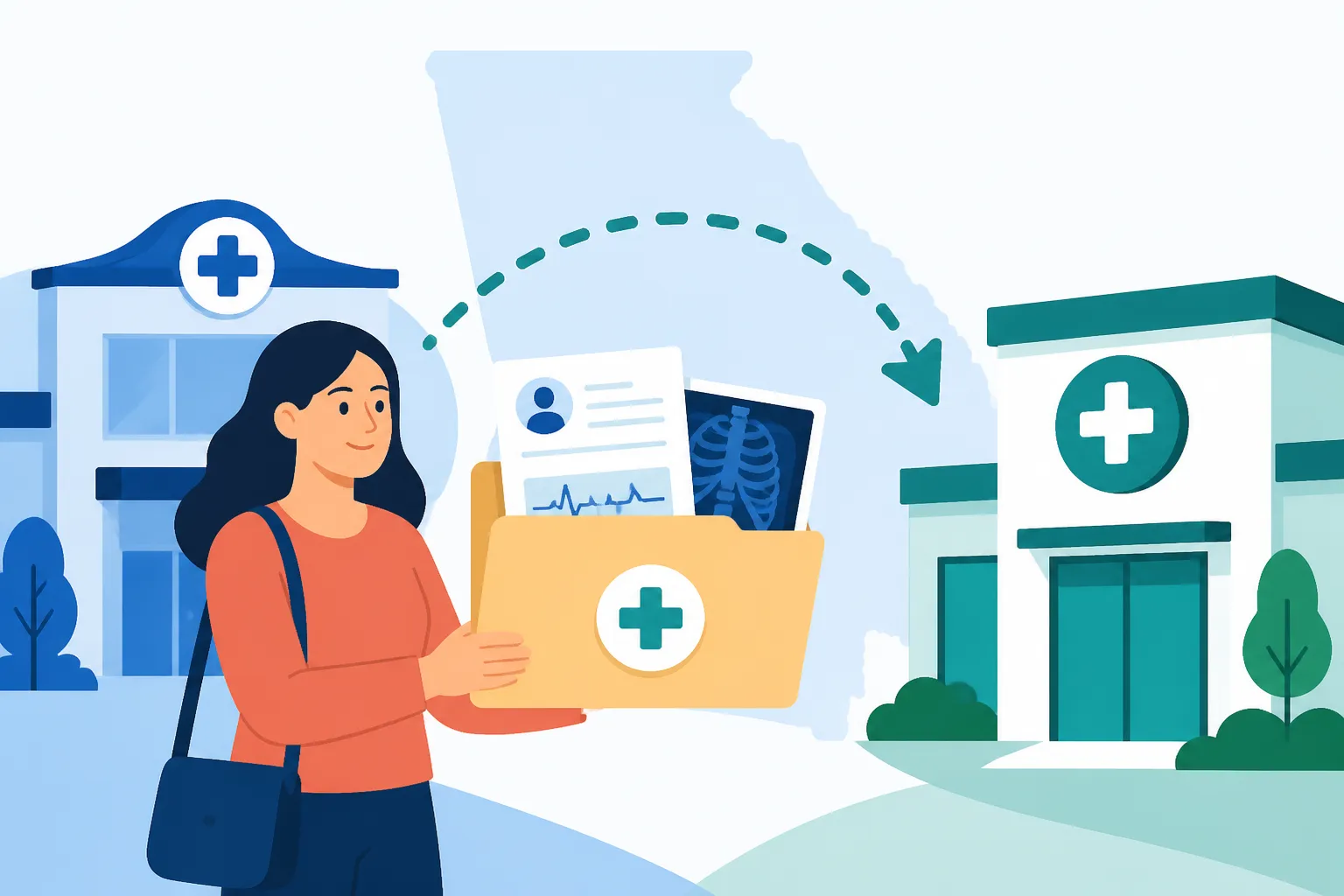
Once you understand why transferring your records is so important, the next step is to actually do it. This section will walk you through the practical aspects of getting those files out of your old clinic. It’s not always a quick process, so patience is key!
Direct Request: Your First Step
Your first port of call should always be the clinic where your records are currently held. Don't just show up and expect immediate service; it's best to call ahead. You'll want to speak to the administrative staff or a patient services representative. Here’s a typical scenario: you ring up, and a friendly but potentially Georgian-only speaking voice answers. If you don't speak Georgian, this is where having a local friend or using a translation app can be invaluable. Clearly state that you are a former patient and you need to request your medical records for transfer to a new clinic.
Be prepared with your personal identification (passport or Georgian ID card), your exact dates of treatment, and if you have one, your patient number from that clinic. They might ask you to come in person to fill out a request form, which is quite common here. This form will usually ask for your name, contact details, the type of records you need, and sometimes, the reason for the transfer. Expect that there might be a processing time, anywhere from a few days to a couple of weeks, depending on the clinic's internal procedures and how busy they are. Don't be shy about asking about the timeline when you make the request.
What Records to Request and How They're Provided
When requesting your records, be as specific as possible. Don't just say "all my records." Think about what's most vital:
- Consultation Notes: These are your doctor's observations, diagnoses, and treatment plans.
- Test Results: Blood tests, urine analyses, pathology reports.
- Imaging Reports: X-rays, MRIs, CT scans, ultrasounds. Usually, the actual images come on a CD, and the reports are paper.
- Prescription History: A list of medications prescribed, dosages, and dates. This is particularly useful when discussing Prescription Medications and Pharmacies in Georgia: The Complete Guide with a new doctor.
- Vaccination Records: Especially important if you have children.
- Surgical Reports: If you've had any procedures.
The format of the records you receive can vary wildly. Smaller clinics might only provide photocopies of paper files. Larger, more modern private hospitals, however, are often able to print out digital records, provide CDs for imaging, and occasionally, send secure PDF files via email (though this is less common due to privacy concerns). Always ask if there's an option for digital copies, but be prepared to receive a physical stack of papers. If you're a keen digital health record keeper, services like SafetyWing, which offers international health insurance, can also be useful for having a digital copy of your side of the medical records for easy access while traveling or moving.
Potential Roadblocks and Solutions
Let's be realistic: this process isn't always smooth sailing. You might encounter a few bumps along the way.
One common issue is the language barrier. If staff don't speak English, and you don't speak Georgian, communication can break down. In this case, don't hesitate to bring a Georgian-speaking friend or hire a local assistant for an hour or two to help you communicate clearly. Another roadblock can be clinic policies. Some smaller clinics might be less accustomed to formal record transfers and might even resist providing full copies. Be polite but firm, reminding them that these are your medical records and you have a right to them.
Then there's the inevitable fees for copies. It's very common for clinics to charge a per-page fee for photocopies or a flat fee for administrative time. This is usually not exorbitant, but it's good to ask about it upfront. For instance, a stack of 50 pages might cost 5-10 GEL. Make sure you get a receipt if you pay cash. What if records are missing or incomplete? Unfortunately, this can happen. If you suspect records are missing, try to recall specific dates or types of visits and gently prompt the clinic staff. Sometimes a specific test result or specialist consultation might be filed separately. In a bind, having a backup through a personal health app or a service like SafetyWing's digital record features could be a lifesaver.
Seamlessly Integrating Your Records into Your New Georgian Clinic
So, you’ve wrestled with the old clinic and emerged victorious, records in hand. Now, the challenge shifts to getting your new doctor and clinic to actually use them. This step is just as crucial as getting the records in the first place.
Preparing for Your First Appointment
Before your very first appointment at the new clinic, take some time to organize all the records you've collected. A clear, chronological order is usually best. If you have a particularly thick file, consider creating a summary document – a single page outlining your main diagnoses, current medications, known allergies, and any significant past medical events (surgeries, hospitalizations). This quick reference can be incredibly helpful for your new doctor, especially during the initial consultation.
For imaging CDs, label them clearly with the date and type of scan. If you have any records in Georgian that you don't fully understand, you might consider getting key documents translated, though usually, a Georgian doctor can read them. However, for complex reports, a professional translation could prevent misinterpretations. This kind of preparation shows your new doctor that you're engaged in your healthcare and makes their job a lot easier, allowing them to provide more efficient and tailored care from the outset. Remember, having your documents ready is part of understanding What Documents Do I Need to See a Doctor in Georgia?.
Communicating with Your New Doctor
During your initial consultation, proactively hand over your organized records. Don't wait for the doctor to ask. Briefly explain what you've brought and highlight any critical information, perhaps referring to your summary sheet. For example, "Doctor, I've brought my past records. This summary outlines my diabetes management over the last two years, and I've highlighted my known allergies on this page."
It's also important to explicitly ask how the new clinic plans to incorporate your past medical history into their system. Will they scan them? Will the doctor just review them and make notes? You want to ensure these documents don't just sit in a folder somewhere, but genuinely become part of your active patient file. Be prepared to discuss your medical history in detail, even with the records present, as your doctor will want to hear things in your own words. Finding an How to Find an English-Speaking Doctor in Georgia can make this conversation significantly easier. Many expats find private clinics generally offer a more streamlined experience in this regard, compared to the often overwhelmed public sector, as highlighted in "Public vs Private Healthcare in Georgia: What Expats Need to Know."
Digital Solutions and Personal Record Keeping
In this increasingly digital world, relying solely on paper records feels a bit antiquated, but it's often the reality in Georgia. This is where personal digital solutions come into play. Consider scanning all your paper records into PDF files and organizing them on your computer or a cloud storage service. You could use a secure, encrypted drive or a dedicated health app on your phone.
Some international health insurance providers, like SafetyWing, offer features that can help you manage your health records or connect you with telemedicine services, which can be invaluable when you're between clinics or even traveling outside Georgia. While they won't automatically transfer records between Georgian clinics, having your personal digital copies means you always have access to your information, regardless of where you are or what local system you're dealing with. It’s about empowering yourself to be the primary keeper of your health story, a vital strategy for any expat navigating The Complete Guide to Healthcare in Georgia for Expats (2027).
Navigating Specific Scenarios and Long-Term Considerations
The process of transferring medical records can get a bit more complex depending on your specific circumstances. Let's look at a few common scenarios expats face.
Moving Between Public and Private Systems
Many expats start their healthcare journey in Georgia by navigating the public system, perhaps through a local polyclinic, before opting for the private sector for more specialized or English-speaking care. The challenge here is that public clinics often have entirely separate record-keeping processes. While private clinics are usually more accustomed to handling requests for patient records, public institutions might be slower, or require more formal requests, usually in Georgian.
If you are moving from a public clinic to a private one, anticipate a longer lead time for record retrieval. You might need to make multiple visits or send a formal letter. Similarly, if you started in a private clinic and are now considering a public option (perhaps due to cost or specific treatments), ensure your private clinic provides you with comprehensive copies. In either case, be patient, persistent, and always have your identification ready. Remember, understanding How Georgia's Health System Works: Universal Healthcare and Private Care Explained (2027) is key to navigating these differences.
Handling Records from Abroad
For newcomers to Georgia, one of the first questions is often about bringing medical records from their home country. While Georgian clinics won't typically request these proactively, having a summary of your health history, especially for chronic conditions or past surgeries, is incredibly beneficial for your new doctor. These records should ideally be in English or professionally translated into Georgian if they are in another language.
While notarization isn't usually required for internal medical use, having key documents translated by a sworn translator (if not already in English) can definitely make things smoother for your new Georgian medical team. Think about what a new doctor absolutely needs to know about your health without having to dig through old files. A concise, one-page summary in English from your previous doctor back home is gold. When you’re trying to figure out How Expats Access Healthcare in Georgia: The Complete Guide (2027), having this information handy will dramatically simplify your initial consultations.
Children's Records and Vaccinations
For expat families, children's medical records are paramount. Kids can have complex histories, from birth details and early developmental milestones to a comprehensive Understanding Childhood Vaccination Schedules in Georgia. When transferring records for a child, ensure you receive all vaccination dates, growth charts, allergy information, and any specialist reports (e.g., from pediatricians, allergists, or developmental therapists).
It's common for Georgian kindergartens and schools to request a child's vaccination card or a medical certificate from a local pediatrician upon enrollment. Having a complete and easily transferable record simplifies this administrative step significantly. Again, consider maintaining a personal digital copy of your child's health records as a safety net. This ensures that no matter where you are or which clinic you choose, your child's medical history is always at your fingertips.
Here's a quick summary table to help you keep track of the process:
| Step | Action | Documents Needed | Potential Challenges | Helpful Tips |
|---|---|---|---|---|
| 1. Contact Previous Clinic | Call/visit administration, state your request for medical records. | ID (Passport/Georgian ID), Patient number, Dates of treatment | Language barrier, Clinic policies | Call ahead, bring a Georgian speaker if needed. Be polite but firm about your rights. |
| 2. Submit Formal Request | Fill out any required forms in person. | Completed request form, ID copy | Processing delays | Ask about fees and expected timeline. Get a receipt for any payments. |
| 3. Collect Records | Pick up physical copies (papers, CDs) or receive digital files. | ID for verification | Missing/incomplete records | Review records upon collection. Ask for specific missing items. |
| 4. Organize Records | Arrange chronologically, create a summary sheet. | Collected medical records | Overwhelming volume of papers | Scan documents for a personal digital backup (e.g., with SafetyWing for travel). |
| 5. Present to New Clinic | Bring all organized records to your first appointment. | Organized records, Summary sheet, ID | Clinic doesn't fully integrate | Proactively hand over records. Ask how they'll be incorporated into their system. |
| 6. Follow Up (if necessary) | Ensure records are properly filed and accessible to your new doctor. | N/A | Records filed away, not reviewed | Don't hesitate to remind staff or your doctor if you feel records aren't being used. |
Navigating the nuances of medical record transfer in Georgia can be a bit of a journey, but with a bit of foresight and persistence, you can ensure your healthcare providers have the full picture of your health.
Disclaimer
The information provided in this guide is intended for general informational purposes only and does not constitute medical, legal, or professional advice. While we strive to provide accurate and up-to-date information, healthcare policies, procedures, and regulations in Georgia can change. Always consult with qualified medical professionals or legal experts for advice tailored to your specific situation. Reliance on any information in this guide is solely at your own risk.