How Much Does an Emergency Room Visit Cost in Georgia?
Okay, so you've found yourself in Georgia, loving the khinkali and the stunning mountain views, but then bam – an unexpected medical emergency. Your mind races: "How bad is it? Can I explain what's wrong? And for goodness sake, how much is this going to cost me?" This is a perfectly normal reaction, and trust me, you're not alone in feeling this wave of anxiety. Navigating an emergency room (ER) in a foreign country, especially when you're not feeling your best, can be incredibly daunting. This guide is going to walk you through exactly what you can expect in terms of costs for an emergency room visit in Georgia, giving you a clearer picture and helping you prepare for the unexpected.
Understanding Emergency Care in Georgia for Expats
Let's face it, nobody plans for an emergency, but knowing the landscape before you need it can make a world of difference. When you're an expat in Georgia, the initial moments of a medical crisis can feel like a whirlwind of confusion, especially if you're used to a different system back home. The good news is that Georgia does have a functional emergency system, but understanding its nuances is key.
What Happens When You Call 112?
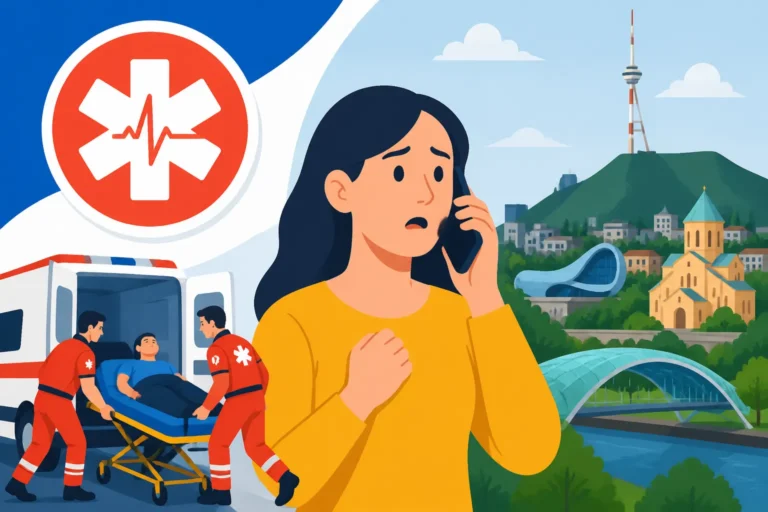
Just like in many other countries, Georgia has a single emergency number: 112. This is your go-to for police, fire, and medical emergencies. When you call 112, you'll be connected to an operator who, thankfully, often speaks English, especially in major cities like Tbilisi and Batumi. Be prepared to clearly state your location and the nature of the emergency. They will dispatch an ambulance.
Now, here's where it gets a little different from what some of you might be used to. Georgian ambulances are primarily for transportation. While they can provide basic first aid and stabilize you, they typically won't perform extensive medical procedures on the spot. Their main role is to get you to the nearest appropriate medical facility as quickly and safely as possible. Generally, the ambulance service itself is free of charge, regardless of your insurance status, which is a huge relief in a stressful situation. For a deeper dive into the overall emergency response, you might find our article on Emergency Medical Care in Georgia: What Every Expat Needs to Know incredibly helpful.
Public vs. Private Emergency Rooms: A First Look
Once the ambulance gets you to a hospital, you'll likely end up in either a public or a private facility. The distinction here is crucial, especially regarding cost and experience.
Public hospitals in Georgia are primarily funded by the state and offer care under the Universal Healthcare Program (UHC). While the UHC aims to provide basic healthcare to all citizens, expats generally don't automatically qualify for free care under this program unless they have specific long-term residency status and have enrolled. Even then, the quality of care and facilities can vary significantly. You might encounter longer wait times, older equipment, and fewer English-speaking staff in public emergency rooms.
Private hospitals and clinics, on the other hand, are where most expats choose to go for medical care, including emergencies, if their condition allows them a choice. These facilities, especially in Tbilisi, are typically more modern, better equipped, and have a higher likelihood of English-speaking doctors and nurses. The downside? They come with a price tag. Even so, the overall cost of private healthcare in Georgia remains significantly lower than in many Western countries, which is a big draw for many foreigners. It’s important to understand that while private hospitals offer a more comfortable experience, the emergency part of it means they are focused on immediate stabilization and diagnosis, just like anywhere else. If you're curious about the broader healthcare system, our guide on How Georgia's Health System Works: Universal Healthcare and Private Care Explained (2027) breaks down these differences in more detail.
Breaking Down the Costs: What to Expect in a Georgian ER
This is the big question, isn't it? When you're lying on a stretcher, the last thing you want to be worrying about is how many lari this is going to set you back. Unfortunately, predicting the exact cost of an ER visit is like trying to guess the weather in the Caucasus – it can change rapidly and unexpectedly. However, we can certainly give you some realistic ranges and factors that will influence your bill.
The primary factors influencing the final bill will be the nature of your emergency, the diagnostic tests required, the treatment administered, and whether an overnight stay or specialist consultation becomes necessary. Unlike some systems where you pay a flat ER fee, here in Georgia, it’s often a breakdown of every service rendered.
Initial Assessment and Diagnostic Fees
When you first arrive at an emergency room, whether by ambulance or on your own, the first step is usually an initial consultation or assessment by a doctor. This fee typically covers the doctor's time to evaluate your symptoms, take your medical history, and determine the next steps. From my experience, a basic emergency consultation can range anywhere from 50 to 150 GEL. This is just to get you through the door and seen by a medical professional.
After this initial assessment, the doctor will likely order diagnostic tests to figure out what's really going on. These can include:
- Blood tests: A standard panel might cost between 30-100 GEL, depending on what they're looking for.
- Urine tests: Generally around 20-50 GEL.
- X-rays: A single X-ray can be 80-150 GEL. If you need multiple views or areas, that cost adds up.
- Ultrasound: An abdominal ultrasound, for example, could be 100-250 GEL.
- CT Scans or MRI Scans: These are the big-ticket diagnostic items. A CT scan can range from 250-600 GEL, while an MRI can easily be 400-900 GEL or more, depending on the area and complexity. Our article on How Much Does an MRI Scan Cost in Georgia in 2026? delves deeper into this specific expense.
Each of these tests is billed separately, and they can quickly accumulate, especially if your symptoms are vague and require extensive investigation to rule out serious conditions.
Treatment, Medication, and Procedure Costs
Once a diagnosis is made, or at least a working theory, treatment will begin. This is another major component of your bill.
- Minor Procedures: If you need stitches for a cut, wound cleaning, or a simple bandage change, expect costs in the 100-400 GEL range, inclusive of the doctor's time and materials.
- Medication: Any medications administered in the ER, whether intravenous drips, pain relievers, or antibiotics, will be added to your bill. These are generally quite affordable in Georgia, but in an emergency setting, they are part of the overall service. For a comprehensive overview of medication accessibility, you might want to read Prescription Medications and Pharmacies in Georgia: The Complete Guide.
- More Complex Interventions: If you have a broken bone that needs setting, or a more serious injury requiring a minor surgical procedure, the costs will naturally be higher. A simple fracture reduction, for instance, could range from 500-1500 GEL or more, not including follow-up care.
It's crucial to remember that these are just general estimates. A seemingly minor issue might require several tests to rule out something more severe, pushing up the cost. For example, if you come in with severe abdominal pain, they'll likely run blood tests, an ultrasound, and possibly a CT scan to check for appendicitis or other issues, even if it turns out to be just indigestion. Each of those steps carries a cost. You can learn more about general healthcare expenses in our comprehensive article on The Cost of Healthcare in Georgia: A Complete Breakdown for Foreigners (2026).
The Impact of Overnight Stays and Specialist Consultations
Sometimes, an ER visit isn't just a quick in-and-out affair. You might need to be observed for several hours, or even overnight, particularly if your condition requires close monitoring or if you're awaiting further tests.
- Observation/Short Stay: If you're kept for a few hours for observation, this will typically incur a separate hourly or flat rate fee, in addition to all the tests and treatments already performed.
- Overnight Stay: An overnight stay in a private hospital room in Georgia can range from 150-400 GEL per night, not including the ongoing medical care, medications, and meals.
- Specialist Consultations: If the ER doctor determines you need to see a specialist – perhaps a cardiologist for chest pain, or a neurologist for a head injury – their consultation fee will also be added to your bill. A specialist consultation typically costs between 70-200 GEL, and this can happen even if you’re not admitted for an overnight stay.
In these situations, having robust health insurance becomes not just a convenience, but a financial lifeline. Companies like SafetyWing, which many digital nomads and expats use, often cover emergency medical expenses, including hospital stays and specialist referrals, making these unexpected costs far more manageable.
To give you a clearer picture, here’s a table with estimated costs for various emergency room scenarios in private Georgian clinics:
| Emergency Scenario | Typical Diagnostic Tests | Estimated ER Visit Cost (GEL) | Notes |
|---|---|---|---|
| Minor Cut/Laceration | Initial consultation, wound cleaning, stitches (if needed) | 150 – 500 | Basic materials included. Follow-up removal of stitches extra. |
| Sprained Ankle/Minor Injury | Initial consultation, X-ray | 200 – 600 | May include pain medication or basic brace. |
| Severe Flu/High Fever | Initial consultation, blood tests, IV fluids (if dehydrated) | 250 – 700 | Excludes potential specialist referral if complications arise. |
| Suspected Appendicitis | Initial consultation, blood test, ultrasound, potentially CT scan | 600 – 1500+ | Excludes surgery costs if confirmed and performed. |
| Kidney Stone Attack | Initial consultation, urine analysis, ultrasound, pain management | 500 – 1200 | May require subsequent specialist follow-up. |
| Concussion (Minor Head Injury) | Initial consultation, neurological check, CT scan (if severe) | 700 – 1800+ | May include observation period. |
Please remember these are general estimates in Georgian Lari (GEL) for private facilities and can vary based on the specific clinic, complexity, and individual circumstances.
Navigating Payment and Insurance for Emergency Visits
So, you've received care, and now it's time to settle up. This can be another point of stress, particularly for expats unfamiliar with the local payment methods or insurance processes.
The Crucial Role of Private Health Insurance
For most expats, private health insurance is an absolute must-have. While Georgia's private healthcare is affordable compared to many Western countries, emergency costs can still quickly add up, turning a minor scare into a significant financial burden if you're paying completely out of pocket. Many international health insurance providers, and even some local Georgian ones, offer plans that cover emergency room visits, diagnostics, and often subsequent hospitalization.
When choosing a plan, look for comprehensive emergency medical benefits. Providers like SafetyWing are particularly popular with digital nomads and short-term expats because they offer emergency medical coverage that's well-suited for unexpected accidents and illnesses abroad. They understand the need for quick, accessible care when you're far from home. Make sure you understand your deductible, co-insurance, and out-of-pocket maximums before an emergency strikes. It's also vital to know if your insurance company has direct billing agreements with certain hospitals or clinics in Georgia. This means they pay the hospital directly, saving you the hassle of upfront payment and reimbursement. If you're weighing your options, our article Health Insurance in Georgia: Private and International Options Explained offers detailed insights into choosing the right coverage.
Self-Pay and Managing Unexpected Bills
If you don't have private health insurance or if your plan doesn't cover a specific treatment, you will be expected to pay for services out of pocket. In many private clinics in Georgia, upfront payment for services is common, especially if there's no direct billing arrangement with your insurer. This means you might need to pay at the time of service, and then seek reimbursement from your insurance company later.
Paying by card (Visa or Mastercard) is widely accepted in most private hospitals and clinics, particularly in major cities. Cash is also an option, but for larger sums, card payment is usually preferred. If the bill is substantial and you need to pay upfront, this can be incredibly stressful. In such cases, calmly ask the administrative staff about payment plans or if there's any flexibility. Sometimes, they can offer a slight discount for immediate cash payment, though this is not guaranteed.
The biggest frustration without insurance is the unknown. You walk in, get treatment, and only find out the full cost at the end. This is why being prepared with at least an emergency fund, or better yet, proper insurance, is non-negotiable for expats. If you find yourself in the unfortunate situation of getting sick without insurance, our guide What Happens If I Get Sick Without Insurance in Georgia? provides crucial advice.
Documenting Your Visit for Insurance Claims
Whether your insurance has direct billing or not, you must meticulously document everything related to your emergency room visit. This includes:
- Detailed Invoice/Bill: Ensure you get an itemized bill that clearly lists every service, test, medication, and consultation you received, along with their individual costs. This is absolutely critical for your insurance claim.
- Medical Report: Ask for a written medical report from the doctor that details your diagnosis, the treatment provided, and any recommendations for follow-up care. This often needs to be in English, or you'll need to get it officially translated.
- Payment Receipts: Keep all receipts for payments made.
Having these documents ready will significantly streamline the reimbursement process with your insurance provider. Companies like SafetyWing will require this documentation to process your claim efficiently. Remember, if something isn't clear on the bill, ask for clarification before you leave the hospital. Getting details after the fact can be a bureaucratic headache. If you need to claim reimbursement from your private insurance, our guide on How to Claim Reimbursement from Private Insurance in Georgia outlines the steps.
Minimizing Risks and Preparing for the Unexpected
While we all hope to avoid emergencies, a little preparation can go a long way in turning a full-blown crisis into a manageable bump in the road. As an expat, you have a unique responsibility to be extra prepared for medical incidents.
Proactive Steps for Expats
- Get Comprehensive Health Insurance: I cannot stress this enough. This should be one of your first priorities after moving here. Explore options that specifically cover emergency medical evacuation, as some complex cases might require transport to a different country. For many short-term stays or digital nomads, a travel medical insurance provider like SafetyWing is a popular and practical option, offering coverage that extends to emergency care.
- Know Your Nearest Facilities: Research the closest private clinics and hospitals to your home and workplace that are known for having good emergency departments and English-speaking staff. Have their addresses and phone numbers saved in your phone. In Tbilisi, facilities like Evex Medical Corporation or the American Medical Center are often recommended by expats. In Batumi, Batumi Republican Hospital or Medica Clinic might be options.
- Create an Emergency Contact Card: Keep a physical card in your wallet and a digital one on your phone with your name, blood type, any allergies, existing medical conditions, emergency contact person (with their Georgian and international number), and your insurance policy number.
- Learn Basic Georgian Phrases: While English is spoken in many private clinics, knowing basic phrases like "I need a doctor," "It hurts here," or "Allergy" can be incredibly helpful in a pinch.
- Have a "Go Bag" (Just in Case): If you have chronic conditions or take regular medication, keep a small bag ready with your essentials, a copy of your passport, residence permit, and insurance details. You never know if an ER visit might turn into an overnight stay.
Communication in a Crisis
Language barriers are a real concern in emergency situations. While many staff in larger private hospitals in Tbilisi will have some English proficiency, this is not guaranteed, especially for all nurses or support staff, or if you're outside the capital.
- Use Translation Apps: Have Google Translate or a similar app ready on your phone, with Georgian downloaded for offline use.
- Bring a Friend: If possible, ask an English-speaking Georgian friend or another expat to accompany you to the ER. Their presence can be invaluable for translating and advocating on your behalf.
- Clearly State Language Needs: As soon as you arrive, politely but firmly state that you need an English-speaking doctor or translator. Most private clinics will do their best to accommodate this. Our guide on How to Find an English-Speaking Doctor in Georgia can also assist you in non-emergency situations, helping you establish a relationship with a doctor before a crisis hits.
Being an expat in Georgia is an incredible adventure, full of discovery and new experiences. But part of that adventure means being prepared for all eventualities, including those unexpected medical bumps in the road. By understanding the emergency healthcare system, knowing the potential costs, and having your insurance in order (perhaps with a reliable provider like SafetyWing), you can navigate these challenges with greater confidence and peace of mind.
Disclaimer
The information provided in this guide is for general informational purposes only and does not constitute medical, financial, or legal advice. Healthcare costs in Georgia can fluctuate due to various factors, including the specific medical facility, the complexity of the case, and changes in pricing policies. Always consult with qualified medical professionals for health concerns and with insurance providers for accurate policy details. It is highly recommended that all expats and visitors secure comprehensive health insurance coverage for their stay in Georgia.