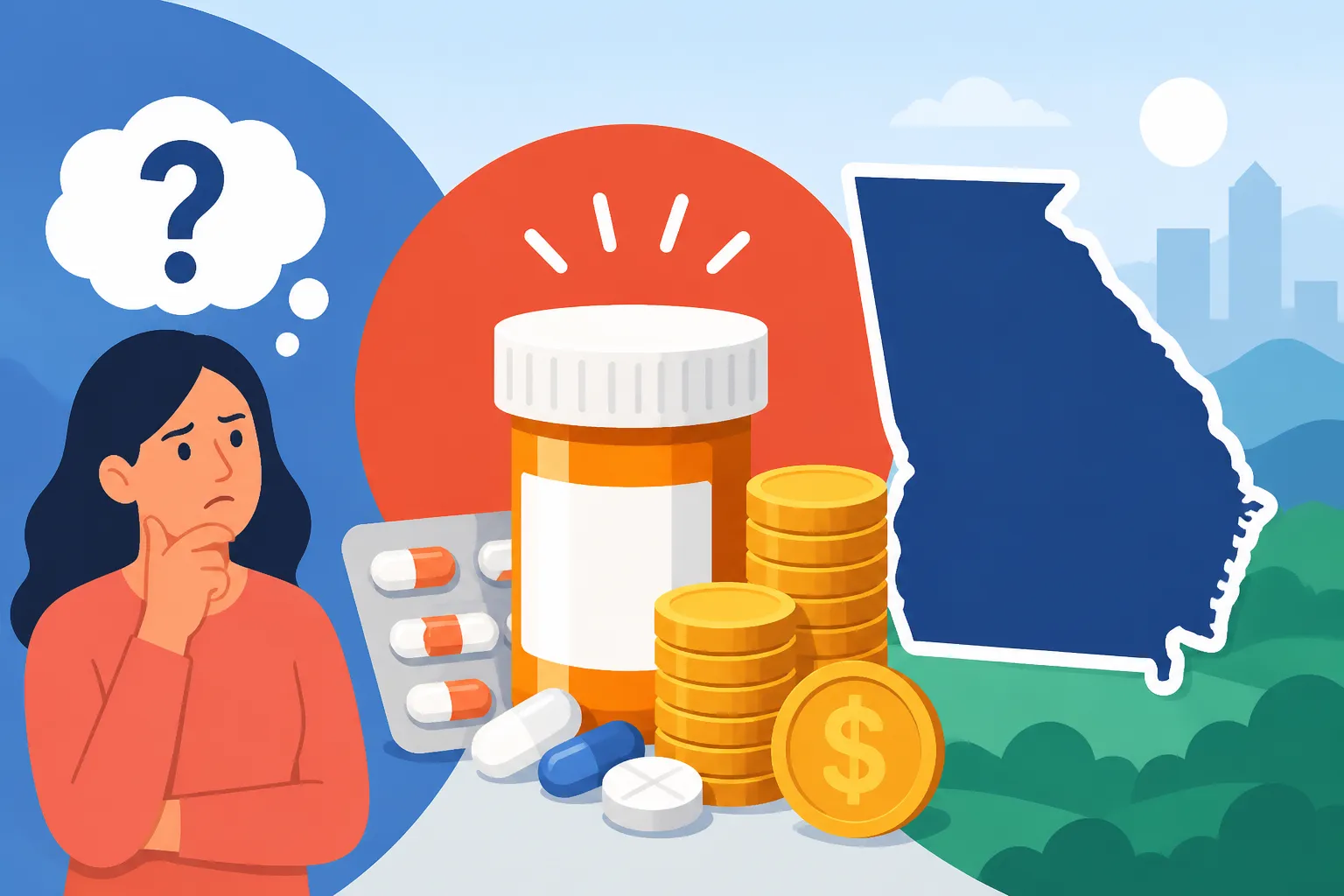
Are Prescription Medications Expensive in Georgia?
One of the most immediate concerns many of us expats face when we first land in Georgia, after finding a place to stay and setting up our internet, is often about healthcare. Specifically, what happens when you need medication? Will it break the bank? It's a valid worry, especially if you're used to sky-high prices back home or navigating complex insurance systems. This guide is here to shed some light on the reality of prescription medication costs in Georgia, offering practical advice and setting realistic expectations for foreigners.
The Real Cost of Prescription Medications in Georgia – A Mixed Bag
When you first start looking for prescription medications in Georgia, you might find yourself doing a double-take. The prices can be a real mixed bag, swinging from surprisingly affordable to unexpectedly high, depending on what you're looking for and where you're from. It's rarely as simple as a flat "cheap" or "expensive."
General Price Levels Compared to Western Countries
For many common, non-specialized medications, Georgia truly shines in terms of affordability, especially when compared to countries like the US, Canada, or even much of Western Europe. Things like basic antibiotics, pain relievers, or common allergy medications often come with price tags that will make you breathe a sigh of relief. I remember once needing a course of antibiotics and thinking I'd spend a fortune, only to find the total bill was less than a coffee and pastry back home. This general affordability is a huge plus for expats, particularly for those minor ailments that pop up.
However, it's not always sunshine and roses. For more specialized, brand-name, or cutting-edge medications, particularly those for chronic conditions or rare diseases, the costs can escalate quickly and even match or exceed what you'd pay in some Western nations. These are often imported drugs, and the local market size and import duties play a significant role in their pricing. So, if you're on a very specific, patented medication, you'll want to do your homework and get an estimate before you truly settle in. This is where understanding The Cost of Healthcare in Georgia: A Complete Breakdown for Foreigners (2026) becomes crucial, as medication is a big part of that equation.
Factors Influencing Medication Prices
Several factors contribute to the varied pricing of prescription drugs here in Georgia. First, there's the source of the drug. Many common medications are manufactured locally or imported from neighboring countries with lower production costs, leading to more competitive pricing. On the flip side, drugs from Western pharmaceutical giants, especially patented ones, will naturally carry a higher price tag. This is a global phenomenon, of course, but it's particularly noticeable here because of the stark contrast with local options.
Then there's the pharmacy chain itself. Just like in any other country, different pharmacies will have slightly different pricing structures. Large chains like PSP, GPC (Georgian Pharmaceutical Company), Aversi, and Pharmadepot are ubiquitous, often competing on price for popular items and offering loyalty programs. Smaller, independent pharmacies might have slightly different stock or pricing, but generally, the big players dominate. It's worth checking a couple of different places if you're looking for something specific or expensive, as prices can vary by a few lari, which can add up.
Finally, import duties and logistics play a part. Georgia isn't a huge market, and for niche or specialized medications, the cost of bringing them into the country and navigating the regulatory landscape can increase their final price considerably. This is less of an issue for common over-the-counter or widely prescribed drugs, but for less common items, it's definitely a factor.
The Impact of Generic vs. Brand-Name Drugs
This is where you can really save a pretty penny in Georgia. The availability and acceptance of generic medications are widespread. If your doctor prescribes a medication, they'll often give you the option or automatically prescribe the generic version if one is available and medically appropriate. And trust me, opting for the generic can slash your costs significantly, often by 50% or even more.
For example, if you're prescribed an antidepressant, a generic version of fluoxetine might cost a fraction of the brand-name Prozac. The active ingredients are the same, and for many people, the generic works just as effectively. It’s always worth discussing generic alternatives with your doctor. Most Georgian doctors are very open to this, understanding the cost implications for patients. This is one of the key takeaways from Understanding the Pharmacy System and Buying Medicines in Georgia – generics are your friend!
Navigating Pharmacies and Availability for Expats in Georgia
Stepping into a Georgian pharmacy for the first time can feel a little different from what you're used to. While many things are familiar, there are nuances in how prescriptions are handled, what's available, and how you interact with the pharmacists.
Types of Pharmacies and What to Expect
You'll find pharmacies on nearly every street corner in major cities like Tbilisi, Batumi, and Kutaisi. The most prominent chains are, as mentioned, PSP, GPC, Aversi, and Pharmadepot. These are modern, well-stocked, and often have staff who speak at least some English, especially in touristy areas or near expat-heavy neighborhoods. They also frequently operate 24/7, which is a huge convenience, especially if you have a sudden need in the middle of the night.
Inside, you'll typically find a wide range of over-the-counter medications, health and beauty products, and, of course, the prescription counter. The layout might be a bit different, with some prescription items kept behind the counter that you might expect to see on shelves in other countries. Don't be shy about asking the pharmacist for what you need. They are usually very helpful, and some can even offer basic medical advice for minor ailments, often suggesting non-prescription remedies or directing you to a doctor if necessary.
Prescription Requirements and Doctor Consultations
This is an area where expats sometimes get caught out. While it's true that some medications that require a prescription in Western countries might be available over the counter in Georgia (I'm looking at you, antibiotics – though this is becoming less common for stronger ones), many crucial medications still absolutely require a doctor's prescription. Narcotics, certain strong painkillers, and specific psychiatric medications will always need a valid Georgian prescription.
If you arrive with a prescription from your home country, it's highly unlikely to be accepted directly by a Georgian pharmacy. You'll need to visit a local doctor or clinic to get a Georgian prescription. This usually means a consultation, which for a general practitioner is quite affordable. Expect to pay anywhere from 30 to 80 GEL for a GP visit without insurance. If you're wondering How Much Does a Doctor Visit Cost in Georgia?, this is a good baseline to keep in mind.
Getting set up with a local doctor is something we always recommend for long-term expats. You can often find English-speaking doctors, especially in Tbilisi, through expat groups or by checking with larger clinics. The process to How to Find and Register with a Clinic or Doctor in Georgia is relatively straightforward once you know where to look. Once you have a Georgian prescription, buying medications is usually smooth sailing.
Finding Specific Medications and Dealing with Stock Issues
For most common ailments, finding your medication won't be an issue. Pharmacies are well-stocked with a broad array of drugs. However, if you're on a very specific, rare, or specialty medication, especially one that's recently developed or less common internationally, you might face some hurdles.
Sometimes, a particular brand or a specific dosage might not be readily available in Georgia. In such cases, the pharmacist might suggest an alternative with the same active ingredient, or you might have to check multiple pharmacies or even have the medication specially ordered. For extremely rare medications, you might find yourself having to import them, which can be a bureaucratic and costly process. It's always a good idea to bring a supply of any critical, hard-to-find medications from your home country when you first move, just to give yourself a buffer while you figure out local availability.
This is also where private health insurance can be a lifesaver. Companies like SafetyWing, which cater to digital nomads and expats, often include benefits for prescription medications, sometimes even covering the cost of importing crucial drugs or covering consultations where you get your Georgian prescription. It's definitely something to look into when considering Health Insurance in Georgia: Private and International Options Explained.
Strategies for Managing Your Medication Costs as an Expat
Navigating healthcare and medication costs in a new country can feel like a labyrinth, but with a few strategies, you can manage your expenses effectively in Georgia.
Leveraging Local vs. International Health Insurance
This is probably the single biggest factor in controlling your medication costs. If you have comprehensive private health insurance, many of your prescription medication costs will be covered, either partially or fully.
Local private insurance plans are often quite affordable in Georgia and can cover a good portion of your doctor visits and prescribed medications. These plans are designed for the local healthcare system and usually have direct billing arrangements with major pharmacies and clinics. When you get your prescription filled, you might only pay a co-payment or a small percentage of the total cost, with the insurance covering the rest. It's important to understand the specifics of your plan, including deductibles and co-insurance, so you're not caught off guard by Understanding Out-of-Pocket Healthcare Costs in Georgia.
International health insurance plans, like those offered by SafetyWing, are excellent for global coverage, often providing reimbursement for medication purchased in Georgia. While you might pay upfront and then claim reimbursement, the peace of mind knowing you're covered, especially for unexpected or more expensive treatments, is invaluable. For those who frequently travel or aren't sure how long they'll stay in Georgia, an international plan might be a better fit, offering flexibility. They often cover doctor visits, diagnostics, and prescription drugs, making them a solid choice for comprehensive coverage. If you're unsure which type of plan suits you, checking out How to Choose Between Local and International Health Insurance in Georgia can offer more clarity.
A crucial point, regardless of your insurance type, is understanding the claims process. For private insurance, you’ll typically need to submit your doctor's prescription and the pharmacy receipt for reimbursement. Keeping meticulous records is essential. This is exactly why you'd want to read up on How to Claim Reimbursement from Private Insurance in Georgia.
The Role of Telemedicine and Online Consultations
Telemedicine has grown significantly, and it can be a convenient and often cost-effective way to get a prescription or a renewal without a physical visit. Some private clinics and even individual doctors offer online consultations. You can speak with a doctor via video call, explain your symptoms or need for a medication renewal, and they can then issue an e-prescription. This electronic prescription can often be sent directly to your preferred pharmacy or emailed to you to print.
This approach saves you time and sometimes money, as online consultations can be slightly cheaper than in-person visits. It's particularly useful for routine refills or for conditions where a physical examination isn't strictly necessary. Always check if the clinic or doctor you're using offers this service and if their e-prescriptions are widely accepted by local pharmacies. It's an evolving service in Georgia, so it’s always good to confirm.
Tips for Budgeting and Sourcing Medications
Here are a few practical tips I've picked up over the years for managing medication costs:
- Ask for Generics: Always, always ask your doctor if a generic version is available for your prescribed medication. The savings can be substantial.
- Shop Around: For non-emergency medications, it pays to check prices at a couple of different pharmacy chains (e.g., PSP vs. Aversi vs. GPC). You might find slight variations that add up over time.
- Bulk Buy (Responsibly): If you're on a long-term, stable medication, ask your doctor if they can prescribe a larger quantity (e.g., a 3-month supply instead of 1 month). This can sometimes lead to minor discounts or simply reduce the frequency of doctor visits and pharmacy trips. However, ensure the medication has a long enough expiry date.
- Understand Your Insurance: Know exactly what your health insurance plan covers regarding prescriptions. Some plans have preferred pharmacies, some require specific paperwork, and all have limits. Being informed prevents nasty surprises. SafetyWing, for example, makes their coverage details quite transparent, which is helpful.
- Consider a Medical Kit for New Arrivals: When you first move, bring a well-stocked medical kit with any critical personal medications, common over-the-counter remedies, and first-aid supplies. This buys you time to settle in and figure out the local pharmacy system without pressure. For common things like simple pain relievers or cold medicine, you can generally get Can I Buy Antibiotics Over the Counter in Georgia? if needed.
- Utilize Loyalty Programs: Many pharmacy chains offer loyalty cards or discount programs. While the discounts might be small on individual items, they can accumulate, especially if you're a regular customer. It's a small but tangible way to save.
Navigating the cost of prescription medications in Georgia isn't inherently daunting, but it does require a bit of local knowledge and proactive planning. By understanding the pricing landscape, knowing how to leverage generics, and optimizing your insurance coverage, you can ensure your health needs are met without undue financial stress.
| Medication Type (Hypothetical) | Typical Cost Range (GEL) | Notes for Expats |
|---|---|---|
| Standard Antibiotics (e.g., Amoxicillin) | 5 – 20 GEL | Often very affordable, widely available. Ask for generic. |
| Common Pain Relievers (e.g., Ibuprofen, Paracetamol) | 2 – 10 GEL | Over-the-counter, very cheap. |
| Allergy Medication (e.g., Antihistamines) | 5 – 15 GEL | Widely available, often over-the-counter for common types. |
| Gastric Meds (e.g., Omeprazole, generic) | 8 – 25 GEL | Generics are affordable. Brand names higher. |
| Blood Pressure Meds (common generics) | 10 – 30 GEL/month | Good availability of generics, consult doctor. |
| Insulin (standard types) | 40 – 100+ GEL/month | Prices vary by brand and type; consult doctor for local options. |
| Specialized/Brand-Name Drugs | 50 – 500+ GEL/month | Can be expensive; check availability & insurance coverage first. |
| Doctor Consultation (GP) | 30 – 80 GEL | Needed to get a Georgian prescription. |
Prices are illustrative and can vary based on brand, dosage, pharmacy, and market fluctuations.
Disclaimer
The information provided in this guide is for general informational purposes only and does not constitute medical, legal, or financial advice. While we strive to keep the information up-to-date and correct, we make no representations or warranties of any kind, express or implied, about the completeness, accuracy, reliability, suitability, or availability with respect to the website or the information, products, services, or related graphics contained on the website for any purpose. Any reliance you place on such information is therefore strictly at your own risk. Always consult with qualified medical, legal, or financial professionals for advice tailored to your specific situation.