What Is the Best Way to Get Around Tbilisi Without a Car?
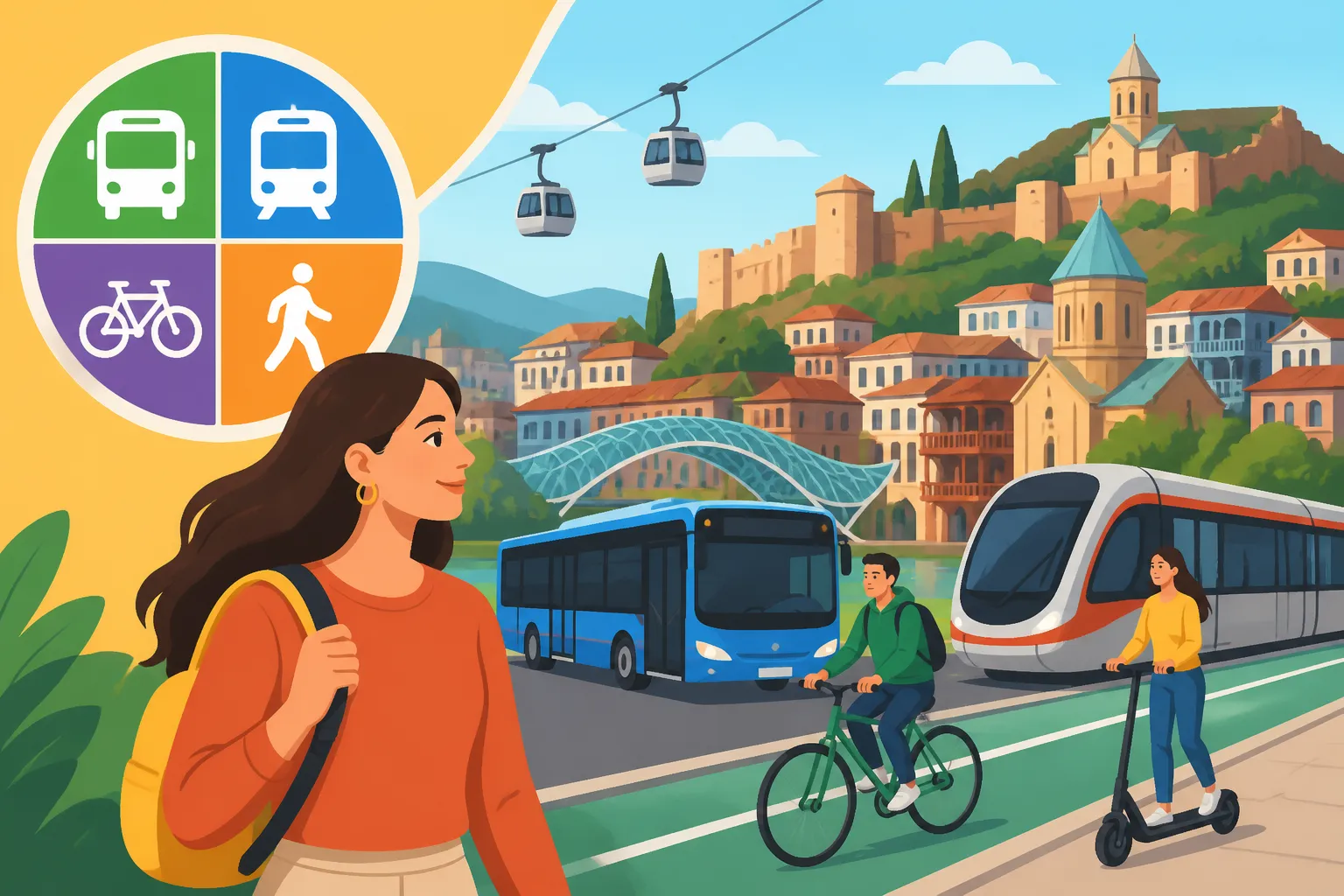
Many expats arrive in Tbilisi assuming they'll need a car, only to be overwhelmed by the sheer madness of the traffic, the constant battle for parking spots, and the sometimes-intimidating local driving style. But trust me, you absolutely do not need your own set of wheels to conquer this incredible city. As someone who’s navigated Tbilisi’s winding streets and bustling avenues for years, I'm here to tell you that getting around without a car is not just possible; it’s often the best, most authentic, and least stressful way to truly experience everything Georgia’s vibrant capital has to offer. This guide will meticulously break down all your options, from subterranean commutes to scenic strolls, ensuring you’re a pro at car-free navigation in no time.
The Public Transport Backbone: Metro, Buses, and Marshrutkas
If you’re moving to Tbilisi or just visiting, understanding the public transport network is going to be your absolute superpower. It’s extensive, surprisingly efficient once you get the hang of it, and incredibly affordable. Forget the stress of driving; embrace the local way!
The Tbilisi Metro: Your Underground Lifeline
The Tbilisi Metro is often the expat's first love affair with Georgian public transport, and for good reason. It’s clean, punctual (mostly!), and zips you across the city, largely avoiding the surface-level traffic chaos. Currently, there are two lines, operating from roughly 6 AM to midnight. The real magic happens when you realize how quickly it can take you from the bustling station at Didube, where you might catch a marshrutka to practically anywhere in Georgia, right into the heart of the city at Rustaveli or Liberty Square.
To use the metro, you'll need a "MetroMoney" card, which is a reloadable plastic card that costs 2 GEL initially. You can purchase this card and load it with money at any metro station ticket booth. The fare per ride is currently around 1 GEL (as of early 2024, but prices can always shift a little, so keep an eye out). You just tap the card when you enter the turnstile, and you're good to go. There’s no tapping out; the flat fare covers any journey length. If you're living in areas like Saburtalo or near Aghmashenebeli Avenue, you’ll find yourself relying on the metro heavily. For instance, getting from a cozy apartment in the Saburtalo district to a meeting near Rustaveli Avenue is a breeze via the metro, a journey that might take ages in peak hour traffic by car.
One of the great things about the metro is its accessibility to major expat hubs. Stations like Rustaveli, Liberty Square, and Marjanishvili are central, putting you within walking distance of many popular cafes, restaurants, and cultural spots. The trains themselves, while sometimes older, are generally well-maintained. During rush hour, they can get quite packed, so prepare for some personal space invasion, but it’s all part of the authentic Tbilisi experience. For more detailed insights into navigating the metro, check out our guide on Understanding the Tbilisi Metro, Marshrutka and Bus Networks.
Navigating with Buses and Marshrutkas (Minibuses)
Once you’ve mastered the metro, it’s time to level up to buses and marshrutkas. These are your workhorses for covering shorter distances, reaching neighborhoods not served by the metro, or simply enjoying the scenic route above ground. Both use the same MetroMoney card, making transfers seamless and easy.
Tbilisi’s bus network is comprehensive, with large, often blue or green modern buses covering most major routes. You tap your MetroMoney card upon entering, usually at the front door. Bus stops are clearly marked, and many even have digital displays showing upcoming bus times, though sometimes these aren't perfectly accurate. The official Tbilisi Transport Company app or Google Maps (more on that later!) can be indispensable for planning your bus journeys. Buses are great for a more relaxed ride, giving you a chance to see the city pass by, but they are susceptible to traffic.
Marshrutkas, the ubiquitous yellow minibuses, are a different beast entirely. These privately operated vehicles follow semi-fixed routes but are incredibly flexible. They will stop almost anywhere along their route to pick up or drop off passengers – just wave them down from the curb or call out your desired stop to the driver. They're faster than buses because they don't have as many designated stops, but they can also be crowded, and the driving can be… spirited. It's an adventure, to say the least!
Using these effectively often comes down to knowing your route numbers and having a general sense of direction. For instance, if you live in Vake and need to get to Chavchavadze Avenue, a marshrutka might be quicker than waiting for a specific bus. Don't be afraid to ask locals for help; even with a language barrier, pointing to a map or saying your destination usually gets you the right guidance. When considering your overall living expenses, factoring in public transport costs is key, especially if you're trying to figure out How Much Does It Cost to Live in Tbilisi per Month?.
| Mode of Transport | Cost (approx. per ride) | Convenience | Speed (Traffic Dependent) | Accessibility |
|---|---|---|---|---|
| Metro | 1 GEL | High | Fast (no traffic) | High |
| Bus | 1 GEL | Medium | Medium | Medium |
| Marshrutka | 1 GEL | High | Fast (flexible routing) | Medium |
| Taxi (Apps) | 5-20 GEL | Very High | Medium (traffic) | High |
| Walking | Free | Varies | Slow | High |
| E-Scooter | 1-2 GEL/min | High | Medium (traffic, hills) | Medium |
Taxis and Ride-Sharing: Convenience at Your Fingertips
Sometimes, public transport just isn’t going to cut it. Maybe it’s late, you’re carrying a lot, or you just want to get somewhere directly without multiple transfers. This is where taxis and ride-sharing apps become your best friends, offering door-to-door service with varying degrees of predictability.
Taxi Culture and Negotiation
Traditional taxis in Tbilisi, especially the older ones you might hail directly off the street, operate on a slightly different principle than many Western countries. There are very few metered taxis, and those that are metered often seem to have meters that run a little… fast. This means negotiation is often part of the process.
If you hail a taxi, always, always agree on a price before you get in. If you don't, you run the risk of being quoted an exorbitant fare upon arrival, and believe me, trying to argue after the fact is rarely a fun experience. For tourists or new expats, drivers might try to overcharge, especially from popular spots like airports or major squares. A journey that might cost 10-15 GEL could suddenly be quoted at 30-40 GEL if you're not careful. It's worth having a rough idea of what a journey should cost by checking a ride-sharing app first, even if you don't intend to use it, just to arm yourself with negotiation power.
While some expats swear by the authentic experience of negotiating with a local taxi driver, the potential for being ripped off can be frustrating. This is particularly true if you don't speak Georgian. So, while an option, it's often not the preferred choice for regular transport.
The Rise of Ride-Sharing Apps
Enter the modern savior for expats and locals alike: ride-sharing apps. In Tbilisi, the two dominant players are Bolt and Yandex Go. These apps have revolutionized getting around, offering fixed prices, GPS tracking, and an English-language interface that makes life so much easier. You simply input your destination, see the estimated fare upfront, and confirm your ride. Payment can be linked to a card or paid in cash to the driver.
Bolt is incredibly popular and widely used, often seen as the go-to for reliability and English-speaking driver options. Yandex Go, while also popular, sometimes has slightly cheaper fares but might have fewer English-speaking drivers. Both offer a range of vehicle options, from budget-friendly economy cars to more comfortable premium options.
The benefits here are massive: no haggling, no language barrier issues when it comes to directions (the driver's app shows them the route), and you can track your driver's arrival and share your journey with friends for safety. It means you can plan your evenings out, knowing you can easily get home without worrying about stranded on the street late at night. Whether you're heading home after a delicious Georgian feast or making your way to a friend's place across town, Bolt or Yandex Go are reliable and relatively inexpensive choices. In fact, many expats find that these apps are a crucial part of the Cheapest Way to Commute in Tbilisi outside of public transport.
Walking and Cycling: Embrace the City's Charm (and Hills!)
Sometimes the best way to get around isn't in a vehicle at all. Tbilisi is a city that truly reveals its character when explored on foot, and for those feeling adventurous, cycling and e-scooters offer another dimension of discovery.
Exploring Tbilisi on Foot
Tbilisi is a city built for walking, especially in its more historic and central areas. The Old Town, with its cobblestone streets, hidden courtyards, and charming balconies, is an absolute joy to wander through. Rustaveli Avenue, the city's grand thoroughfare, is perfect for a leisurely stroll, taking in the parliament building, museums, and opera house. Even crossing the Kura River via the Peace Bridge offers stunning views and a pleasant pedestrian experience.
However, a word to the wise: Tbilisi is incredibly hilly. What looks like a short walk on a map can quickly become a significant calorie-burning expedition. Wear comfortable shoes, and be prepared for some serious inclines, especially if you're venturing into neighborhoods like Sololaki, Mtatsminda, or around the Narikala Fortress. The sidewalks can also be uneven, and sometimes quite narrow, so keep an eye on your footing. The occasional dog poop is also something you'll become intimately familiar with.
Despite these minor challenges, walking allows you to truly soak in the atmosphere, discover hidden cafes, stumble upon local markets, and generally immerse yourself in the everyday rhythm of Georgian life. It’s a fantastic way to connect with the city, and frankly, a great way to stay fit while enjoying the delicious local cuisine. If you manage to find an apartment Near the Metro in Tbilisi, you might find yourself walking even more, as you're often just a short stroll from local amenities and public transport connections.
Cycling in Tbilisi: A Growing (But Challenging) Option
Cycling in Tbilisi is, shall we say, an acquired taste. While the city has made some strides in promoting greener transport, dedicated bike lanes are still a rarity, and drivers can be, to put it mildly, assertive. If you're an experienced urban cyclist, you might find it exhilarating, but it's certainly not for the faint of heart or beginners. Helmets are a must, and defensive riding is the name of the game.
That said, cycling offers an incredible sense of freedom, particularly on weekends or away from peak traffic hours. Routes along the Mtkvari River (Kura River) can be quite pleasant, offering flat stretches and scenic views. Parts of Vake Park and Turtle Lake also offer more relaxed cycling environments. However, for everyday commuting, it’s a big undertaking.
A more popular and increasingly common alternative is electric scooters. Companies like Bolt offer e-scooter rentals throughout the city via their app. These are fantastic for zipping around shorter distances, tackling some of those hills with ease, and enjoying the open air. Just be mindful of pedestrian areas and other traffic. They offer a great balance between speed, convenience, and exploration, without the commitment of owning your own bike or dealing with public transport schedules. This option is especially handy for exploring neighborhoods or getting from a metro station to a final destination that's a bit too far to walk but too close for a taxi.
Planning Your Journey: Apps and Local Wisdom
Living in a new city without your own car means you become a master planner and a savvy user of technology. Relying on apps and not being afraid to ask for help will make all the difference in navigating Tbilisi like a seasoned local.
Essential Navigation Apps for Tbilisi
When you're out and about, a reliable navigation app is your digital compass. Google Maps is, of course, a global standard, and it works remarkably well in Tbilisi. It provides accurate walking directions, public transport routes (including bus and metro lines with fairly up-to-date schedules), and estimated taxi fares. It’s usually my first port of call when I need to get somewhere new.
Another app that many locals and long-term expats swear by is Yandex Maps. While Google Maps is strong for general navigation, Yandex Maps often has more granular details for marshrutka routes and local businesses, which can be invaluable. It also has a "public transport" mode that can be quite helpful for visualizing your journey with multiple transfers. For an expat in Georgia, having mobile data is essential for these apps, and this is where services like Airalo come in handy. Investing in an eSIM from Airalo before you even land can ensure you have immediate data connectivity, saving you the hassle of hunting for a local SIM card upon arrival. Nothing worse than being lost in a new city with no internet!
Beyond navigation, a good translation app (like Google Translate) can also be a lifesaver for deciphering street signs or asking for directions in Georgian. Remember to download offline maps for areas you frequent, especially if you anticipate patchy reception, though Tbilisi generally has decent mobile coverage. Speaking of mobile services, understanding How to Set Up Internet and Mobile Service in Georgia is another foundational step for any newcomer.
Embracing Local Knowledge and Flexibility
Even with all the apps in the world, nothing quite beats local knowledge. Georgian hospitality is legendary, and while language can sometimes be a barrier, most Georgians are incredibly eager to help. Don't be shy about pointing to your destination on a map or trying out a few basic Georgian phrases like "sad aris…?" (where is…?) or "madloba" (thank you). You'll often find someone willing to go out of their way to guide you.
Being flexible is also key. Public transport schedules can sometimes be a suggestion rather than a strict rule, especially for marshrutkas. If a bus doesn't show up exactly when the app says it should, don't panic. Take a moment, enjoy your surroundings, and another one will likely be along shortly. Sometimes, the most memorable journeys are the ones where you took a wrong turn and discovered a charming hidden alley or a fantastic local bakery.
This adaptability extends to planning your move to Georgia itself. Preparing for the intricacies of living abroad, even something as seemingly simple as transportation, requires a thoughtful approach. Companies like Sirelo offer comprehensive resources and services for international moves, helping you streamline everything from packing to understanding local nuances, ensuring your arrival is as smooth as your first ride on the Tbilisi Metro. Being prepared for your new life in Georgia means you'll be able to enjoy the adventure of navigating its capital, rather than being overwhelmed by it. Knowing your options for getting around Tbilisi will give you a freedom that cars simply can't offer in this unique and beautiful city.
Disclaimer
The information provided in this guide is intended for general informational purposes only and does not constitute professional advice. While we strive to ensure the information is accurate and up-to-date, circumstances in Georgia can change rapidly. Readers are advised to verify any critical information with official sources or relevant professionals. We assume no responsibility for any loss or inconvenience sustained by anyone relying on this information.